ნაბეჭდის შეძენა გამოსახულების შეძენა
 გაგზავნა
 გაზიარება
 დეტალები
 დამატება ფავორიტებში

 ჩამოტვირთვა
 მსგავსები
 რენტგენოგრაფიული კვლევა
 სლაიდშოუ
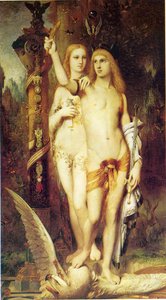
Eve

 გადასართად დაწვრილებით ნახეთ
ხელით ნაკვეთი ზეთის ტილოს რეპროდუქცია
ტილოზე შესრულებული ფერწერიანი ზეთប្រდათი, თქვენთვის სასურველი ზომისა და ჩარჩოსთვის, ჩვენი ხელოვანების მიერ შეკვეთის საფუძველზე დამზადებული.




P118B $10

P118H $10

P118W $10

P438Z $10

P508JH $12

P508YH $12

P805H $10

P805Z $10

P919BZ $10

P919G $10

P919XJ $10

P959ZH $10

P968JZ $12

W106C $8

W218G $10

W218JH $8

W218Y $10

W307PJ $10

W316G $10

W316PJ $8

W316Y $10

W398PJ $8

W4111J $10

W500HY $15

W500JH $15

W692G $12

W849H $8

W940BG $15

W953PJ $8




აირჩიეთ ჩვენს მიერ წინასწარ განსაზღვრული ზომებიდან, რომლებიც ნაწარმოების ორიგინალურ პროპორციებს შეესაბამება.

თქვენ შეგიძლიათ მიუთითოთ თქვენთვის სასურველი ზომები კონკრეტული ჩარჩოს ან სივრცის შესაბამისად. თუ თქვენ მიერ არჩეული ზომა არ შეესაბამება ორიგინალი გამოსახულების პროპორციებს, ჩვენ ან შევაჭრებთ ნაწარმოებს, ან ტილოზე დავამატებთ ხელით მოხატულ ელემენტებს. წარმოების დაწყებამდე, დამტკიცებისთვის გამოგეგზავნებათ ციფრული მაკეტი.
გთხოვთ, გაითვალისწინოთ, რომ ეკრანზე ნაჩვენები წინასწარი შეხედულება არ ასახავს რეალურ შეჭრას ან გაფართოებას. საბოლოო კომპოზიციას ზუსტად მხოლოდ მაკეტი წარმოაჩენს.
მიუხედავად იმისა, რომ შესაძლებელია ინდივიდუალური ზომების შერჩევა, ორიგინალური პროპორციების შენარჩუნებისათვის გირჩევთ, გამოიყენოთ წინასწარ განსაზღვრული სიის ზომები.
შეკვეთის შემდეგ, OriginalUniqueArt.com გუნდი დაგიკავშირდებათ ელექტრონული ფოსტით ინსტრუქციებისთვის და გამოგიგზავნით წინასწარ ნახაზს (mockup).
მიწოდება მსოფლიო მასშტაბით -ში 3/4 კვირაში, სტანდარტული 5 კვირის ნაცვლად. (23 ივლისი). ხარისხზე კომპრომისის გაკეთება არ მოხდება.

უფასო ექსპრეს მიწოდება მთელ მსოფლიოში

საბამად მაღალი ხარისხის ტილო

სრული ტრანსპორტირების დაზღვევა

საბაჟო გადასახადების დაბრუნების გარანტია

ფერების სრული შესაბამისობის გარანტია

60-დღიანი დაბრუნების პოლიტიკა (მხოლოდ დეფექტის შემთხვევაში)

100% თანხის დაბრუნების გარანტია

ფასდაკლება დიდი რაოდენობით შეკვეთისას
 მინის ჩარჩოს არჩევანი ხელმისაწვდომია მხოლოდ 110 სმ-ზე ნაკლები ზომისთვის

Eve
რეკლამაციის ტექნიკა
რეკლამაციის ზომა
-


საბოლოო ფასი
-
ნაწარმოების აღწერა
A Vision of Temptation: Gustave Moreau’s Eve
Gustave Moreau (1826 – 1898), a luminary of Symbolist painting, stands apart from his contemporaries as an artist singularly devoted to exploring the depths of myth and spirituality. Unlike Impressionists who sought to capture fleeting moments of light and color, Moreau embarked on a quest for inner truth—a journey meticulously rendered in canvases imbued with rich symbolism and unsettling beauty. His formative years were shaped by a privileged upbringing within Parisian intellectual circles, fostering an unwavering fascination with literature, philosophy, and the arcane arts – influences that would irrevocably define his artistic vision. Trained initially at the École des Beaux-Arts under François-Édouard Picot, Moreau’s academic grounding provided him with foundational skills but swiftly propelled him beyond conventional stylistic boundaries. He rejected the pursuit of realism, choosing instead to delve into realms inaccessible to empirical observation, prioritizing emotional resonance over photographic accuracy.The Serpent's Whisper: Style and Technique
Moreau’s distinctive style is instantly recognizable—characterized by a meticulous attention to detail combined with an ethereal luminescence that borders on dreamlike quality. He employed tempera paint on canvas, a technique favored for its ability to achieve subtle tonal gradations and preserve luminosity over time. This painstaking process demanded hours of labor, layering thin glazes upon glazes to build up complex textures and create an atmosphere of profound stillness. Moreau’s palette leaned heavily toward muted hues—deep reds, blues, and greens—often juxtaposed with flashes of iridescent gold and silver, mirroring the opulent symbolism prevalent in medieval illuminated manuscripts and reflecting his fascination with esoteric traditions. The artist's meticulous brushwork contributes to a palpable sense of unease, hinting at hidden narratives beneath the surface of seemingly serene imagery.Genesis Revisited: Historical Context and Influences
Moreau’s “Eve” emerged from the crucible of Symbolism—a movement that arose in France during the late 1880s as a reaction against both Impressionism and Naturalism. Symbolists rejected materialism and positivism, asserting instead that art should strive to convey spiritual truths beyond the grasp of rational thought. Moreau drew inspiration from sources ranging from Dante’s Inferno to medieval Christian iconography, meticulously reconstructing biblical narratives with an uncompromising commitment to psychological depth. The painting directly confronts themes of temptation, innocence lost, and the confrontation between good and evil—concepts central to Judeo-Christian theology. Furthermore, Moreau's artistic sensibilities were profoundly impacted by his engagement with occultism and esoteric philosophies, particularly Kabbalah and Alchemy, which informed his understanding of symbolism and contributed to his exploration of archetypal imagery.Symbolic Resonance: Imagery and Emotion
The composition itself is deliberately unsettling—a carefully orchestrated tableau designed to provoke contemplation. Eve’s posture—leaning towards the serpent—represents vulnerability and receptiveness to influence, while the serpent's averted gaze symbolizes deceit and concealment. The tree serves as a potent emblem of both life and death, mirroring the duality inherent in human experience. Moreau skillfully employs chiaroscuro—the dramatic interplay of light and shadow—to heighten emotional impact, emphasizing Eve’s isolation and amplifying the serpent’s seductive allure. The luminous gold leaf adorning certain elements underscores the painting's spiritual significance, suggesting divine grace amidst darkness. Ultimately, “Eve” transcends mere depiction; it aspires to evoke a visceral response in the viewer—a feeling of profound melancholy mingled with an awareness of humanity’s eternal struggle against temptation and despair.A Legacy of Dreamlike Beauty
Gustave Moreau's "Eve" remains a cornerstone of Symbolist art, demonstrating his unparalleled ability to transform biblical narratives into hauntingly beautiful visual meditations. Its enduring appeal lies not only in its exquisite craftsmanship but also in its profound exploration of human psychology and spiritual yearning—a testament to Moreau’s unwavering conviction that art possesses the power to illuminate hidden truths and stir the soul. Reproductions of this masterpiece offer collectors and interior designers alike an opportunity to experience firsthand the captivating allure of Symbolist aesthetics, transporting viewers into a realm where myth and emotion converge in unforgettable splendor.მხატვრის ბიოგრაფია
Gustave Moreau (1826 - 1898): A Dream Weaver of Symbolism
Gustave Moreau, a name synonymous with the ethereal beauty and enigmatic depths of Symbolist painting, emerged from 19th-century Paris as a singular artistic voice. Born in 1826 into a bourgeois family—his father an architect and archivist—Moreau’s early life was steeped in intellectual curiosity and aesthetic sensibility. From a young age, he displayed a remarkable gift for drawing, nurtured through traditional academic training at the École des Beaux-Arts under figures like François-Édouard Picot. However, Moreau's artistic path would diverge sharply from the prevailing Realist and Impressionist currents of his time. He wasn’t interested in capturing fleeting moments or objective reality; instead, he sought to unlock the hidden realms of myth, religion, and the human psyche through a deeply personal and symbolic visual language. His journey was one of inward exploration, translating subjective emotions and spiritual yearnings onto canvas with an obsessive attention to detail and a vibrant, often opulent palette.Early Influences and Artistic Training
Moreau’s artistic development wasn't born in a vacuum. While rejecting the dominant trends of his era, he drew inspiration from diverse sources. The dramatic use of color and exotic subject matter found in the works of Eugène Delacroix ignited a passion for narrative painting imbued with emotional intensity—a fascination that would define much of his oeuvre. He particularly admired Michelangelo’s monumental sculptures and Leonardo da Vinci's masterful anatomical drawings, recognizing their profound impact on artistic technique and psychological insight. Yet, Moreau wasn’t merely imitating these masters; he was synthesizing their influences into something entirely new. His formative years at Collège Rollin instilled in him a rigorous intellectual discipline—a cornerstone of his artistic approach—and subsequent training at the École des Beaux-Arts solidified his mastery of classical painting principles. Notably, he befriended Theodore Chassériau, who shared his admiration for Delacroix and served as a crucial mentor during Moreau’s early career. This relationship fostered a collaborative spirit that would propel both artists toward groundbreaking innovations in artistic expression.The Italian Journey: Rediscovering Antiquity
A pivotal moment in Moreau’s artistic evolution arrived with his travels to Italy between 1857 and 1859—a pilgrimage he undertook with unwavering determination. Driven by a desire to reinvigorate the history painting tradition, Moreau immersed himself in the art of antiquity and the Renaissance, meticulously copying Old Master paintings as a means of absorbing their stylistic nuances and mastering their techniques. He visited Rome extensively, studying the frescoes of Michelangelo and Raphael—artists whose monumental achievements profoundly influenced his artistic vision. The grandeur of Roman ruins served as constant reminder of the enduring power of classical ideals—a fascination that would permeate his subsequent works. This immersive experience fundamentally reshaped Moreau’s aesthetic sensibilities, equipping him with a wealth of visual references and inspiring him to forge an entirely original artistic style.Symbolist Vision: Myth, Religion, and Psychological Depth
Moreau's artistic breakthrough occurred in 1864 with *Oedipus and the Sphinx*, a painting that signaled the commencement of his mature period and established his reputation as a pioneer of Symbolism—a movement he championed alongside Theodore Chassériau. Departing decisively from Realist conventions, Moreau embraced a radically subjective approach to artistic creation—one rooted in the conviction that art should transcend mere representation and engage directly with the human psyche. He eschewed objective observation in favor of imaginative exploration—translating inner emotions and spiritual yearnings into visual symbols—often employing opulent color palettes and intricate textural details to evoke an atmosphere of otherworldly beauty. His canvases depict scenes from mythic narratives—such as Oedipus confronting the Sphinx—and biblical tales—like Samson and Delilah—not as literal recreations of historical events, but as vehicles for conveying profound psychological truths. Moreau’s technique was characterized by painstaking layering of paint—creating surfaces that shimmer with iridescent hues—and a meticulous attention to anatomical accuracy—reflecting his admiration for Leonardo da Vinci's anatomical studies.Legacy and Influence: Shaping the Future of Art
Though initially met with skepticism from mainstream artistic circles, Moreau achieved considerable acclaim during the Symbolist movement of the 1890s—solidifying his position as one of the foremost painters of his time. Unlike many contemporaries who pursued fame and fortune, Moreau remained largely secluded from public life—preferring to devote himself entirely to artistic pursuits within the confines of his studio—where he nurtured a singular vision of art’s role in human experience. Despite facing considerable challenges during his lifetime—including financial difficulties and critical disapproval—Moreau exerted an indelible influence on subsequent generations of artists—inspiring them to embrace imagination, symbolism, and individual expression. His unwavering commitment to artistic integrity—coupled with his pioneering exploration of psychological depth—continues to resonate with audiences today—affirming Moreau’s enduring legacy as a visionary artist who fundamentally reshaped the landscape of modern art. He established the Musée Gustave Moreau in Paris—a testament to his life's work—where visitors can contemplate the captivating beauty and enigmatic complexity of his paintings—forever preserving his artistic vision for posterity.
გუსტავ მორეუ
1826 - 1898 , საფრანგეთი
მოკლე ინფორმაცია
- Artistic Movement Or Style: სიმბოლიზმი
- Artists Who Influenced This Artist:
- ხუგო დელაკსოჲ
- მიქელანჯელო ბრანჩელი
- ლევონარדו დ ვინჩი
- Date Of Birth: 6 აპრილს 1826 წელი
- Date Of Death: 18 აპრილს 1898 წელი
- Full Name: Gustave Moreau
- Nationality: ფრანგილია
- Notable Artworks:
- სალომე ჰეროდის წინ მოდის და ტრიალინება
- იოზეფ და სემელე
- მორფეისი
- პარიზი და დესდემონა
- Place Of Birth: პარისი საფრანგეთი
დაკავშირებული სტატიები
Gustave Moreau: Symbolism's Enigmatic Visionary & Precursors of Modern Fantasy Art
Explore the captivating world of Gustave Moreau, the leading Symbolist painter. Discover his iconic masterpieces, influences, and lasting legacy. Expert analysis for collectors & art enthusiasts.
Sacred Narratives Embodied: A Comprehensive Exploration of Religious Iconography in Art History
Explore the rich history of religious iconography in art! Discover symbolism, movements & masterpieces from Byzantine to Renaissance periods. Expert insights for collectors and enthusiasts at OriginalUniqueArt.
The Golden Age Reforged: Dramatic Realism & Religious Zeal in Spanish Baroque Art
Explore the dramatic world of Spanish Baroque art! Discover masters like Zurbarán & the powerful influence of religious zeal on painting techniques – a guide for collectors and enthusiasts.
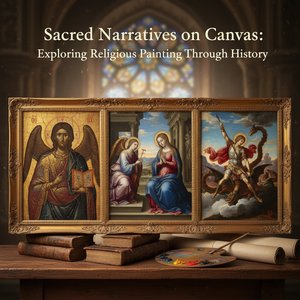
Sacred Narratives on Canvas: Exploring Religious Painting Through History
Explore the rich history of religious painting with OriginalUniqueArt.com! Discover iconic artworks, symbolism & techniques from antiquity to the Renaissance. Enhance your art appreciation today.

Sacred Visions: Exploring Faith & Devotion in Religious Art Across Cultures
Explore the rich history of religious art across cultures! Discover symbolism, Renaissance masterpieces & the power of color in devotional works. Expert insights for collectors and enthusiasts.