
() ·
თქვენთვის შექმნილი ტილო, ხელით ნამუშევარი
ზეთის საღებავით შესრულებული ხელით ნაკლნა
ტილოზე შესრულებული ფერწერიანი ზეთប្រდათი, თქვენთვის სასურველი ზომისა და ჩარჩოსთვის, ჩვენი ხელოვანების მიერ შეკვეთის საფუძველზე დამზადებული. ( ბეჭდვის რეჟიმზე გადართვა გადართვა ციფრულ გამოსახულებაზე)
მხატვრის ბიოგრაფია
Grigory Gurkin (1870-1937) was the first professional artist of Altai origin, renowned for his stunning landscape paintings of the Altai Mountains. Explore his Realist & Symbolist works depicting Siberian nature and Altai culture. A tragic figure of
 გააგრძელეთ კითხვა
დაიწყოს ·
თავი 1
რა ზომის უნდა იყოს?
გადაწიეთ სლაიდერი ზომის შესაცვლელად; მარცხენა მხარეს მოცემული გამოსახულება ასახავს ჩარჩოს რეალურ სიგანეს. ორიგინალის პროპორციები შენარჩუნებულია.
აირჩიეთ ჩვენს მიერ წინასწარ განსაზღვრული ზომებიდან, რომლებიც ნაწარმოების ორიგინალურ პროპორციებს შეესაბამება.

შეიყვანეთ თქვენთვის საჭირო სიგანე და სიმაღლე, რათა ნახატი მოერგოს თქვენს ჩარჩოს ან კედელს. ვინაიდან ეს ნამუშევარი ხელით არის შესრულებული, სხვა ფორმის ზომის შემთხვევაში, მხატვარმა შესაძლოა სურათის გარშემო ოდნავ მეტი დატოვოს ან შეამციროს — არჩევანი თქვენზეა. დაწყებამდე, დასამტკიცებლად, ჩვენ გამოგიგზავნით ციფრულ მაკეტს. ამ გვერდზე ნაჩვენები სურათი არ ასახავს რეალურ შედეგს — რეალური სახე მხოლოდ მაკეტზე ჩანს.
თავი 2
როგორ უნდა მოვიდეს?
შეარჩიეთ დაჭიმული ტილოს კიდეები
შეარჩიეთ ჩარჩო

თეთრი კიდეები ₾1

ბუნდოვანი კიდეები ₾1

გაფართოებული კიდეები ₾1

P118B ₾10

P118H ₾10

P118W ₾10

P438Z ₾10

P508JH ₾12

P508YH ₾12

P805H ₾10

P805Z ₾10

P919BZ ₾10

P919G ₾10

P919XJ ₾10

P959ZH ₾10

P968JZ ₾12

W106C ₾8

W218G ₾10

W218JH ₾8

W218Y ₾10

W307PJ ₾10

W316G ₾10

W316PJ ₾8

W316Y ₾10

W398PJ ₾8

W4111J ₾10

W500HY ₾15

W500JH ₾15

W692G ₾12

W849H ₾8

W940BG ₾15

W953PJ ₾8

H24-GOLD ₾30

H24-SILVER ₾30

H36-GOLD ₾45

H36-SILVER ₾45
ჩარჩოჩენილი
ბაკეტის დეკორი: . ზომა ჩარჩოსთან ერთად: .
თავი 3
ვინ ქმნის მას და საჭიროა თუ არა რაიმე ცვლილების შეტანა?
შეკვეთის შემდეგ, OriginalUniqueArt.com გუნდი გამოგსტავთ ელექტრონულ წერილს ინსტრუქციებისთვის და მოგაწვდით წინასწარ ნახატის (mockup) პრევიუსს
მიწოდება მსოფლიო მასშტაბით -ში 3/4 კვირაში, სტანდარტული 5 კვირის ნაცვლად. (9 ნოემბერი). ხარისხზე კომპრომისის გაკეთება არ მოხდება.
თავი 4
დასკვნითი შტრიხები
სარდაფი, როგორც მუზეუმში?
ბრინჯაოს ამოკვეთილი ფირფიტის დეტალები
This elegant plaque features the artist's name and the title of the artwork, finely engraved for a timeless presentation.
It is made from bronze with a refined, elegant finish. The text is precisely laser-engraved for a sharp and permanent result. Measuring 9x2 cm, the plaque is compact yet easy to read. It's built to be durable and scratch-resistant, offering a professional, museum-quality look. Mounting is simple thanks to the included adhesive backing.
აკრილის გამჭვირვალე ფირფიტის დეტალები
The plaque includes essential engraved details such as the artist's name, the title of the artwork, the date it was created, the type of media used-like oil on canvas or watercolor-a brief description of the piece, and a QR code that links to the complete artwork information.
It is crafted from clear acrylic, offering a sleek, modern appearance. The text is UV-engraved in black to ensure strong visual contrast. With a size of 10x15 cm, it ensures optimal readability. It comes equipped with two metal hooks for secure wall mounting. The plaque is designed to be weather-resistant, making it suitable for various environments, and it includes interactive features that work seamlessly with smartphone scanning.
შავი აკრილის ფირფიტის დეტალები
This elegant plaque includes engraved information such as the artist's name, the title of the artwork, the date it was created, the type of media used (like oil on canvas or watercolor), a short description of the artwork, and a QR code for quick access to more information.
The plaque itself is made from refined black acrylic with a premium finish. The text is laser-engraved in white for high contrast and readability. Its size is 10x15 cm, designed to be easy to read. It comes with two metal hooks for professional mounting. The design is sleek and fits any interior style. It is also weather-resistant and durable, with built-in digital integration for mobile compatibility.
დამცავი ლაქის შერჩევა?
რა თარიღში გესაჭიროებათ?
თავი 5
თქვენი ნახატი ზუსტად ისეთი, როგორ შეუკვეთეთ

The Katun River in Winter
რეპროდუქციის მასალა
რეპროდუქციის ზომა
-

ელიტური უფროსი ხელოვანი
უფრო მეტი დეტალიზაცია, დახვეწილობა და დამატებითი დამუშავების დრო
-

რეკლამაციის ჩარჩო
-
-
ნებისმიერი მხარისთვის 105 სმ-ზე (დაახლოებით 41 ინჩი) მეტი ზომის ხელოვნებული ნამუშევრების ან რეპროდუქციებისთვის, ჩარჩო მოგზავნდება დაშლილ კომპლექტში. ეს მეთოდი უზრუნველყოფს უსაფრთხო მიწოდებას და თავიდან აგაცილებთ ტრანსპორტირებისას შესაძლო დაზიანებას.
საჭიროა პროფესიონალური აწყობა — ეს არ არის თვითმომსახურების (DIY) პროდუქტი.
კომპლექტის აწყობა და ტილოს დაჭიმვა უნდა განახორციელოს გამოცდილმა პროფესიონალმა ჩარჩოს დამამზადებელმა, ხის წებოს (არ შედის კომპლექტში), ტილოს დაჭიმვის ბერჭებისა და საკრამების გამოყენებით, რათა წებოს გასაშრობად ღერძები სწორად და სტაბილურად დაფიქსირდეს. არასწორი აწყობა ან ტილოს არათანაბარი დაჭიმვა შეიძლება გამოიწვიოს ნამუშევრის სამუდამო დაზიანება, რაც არ იფარება ჩვენი გარანტიით.
 ნებისმიერი მხარისთვის 105 სმ-ზე (დაახლოებით 41 ინჩი) მეტი ზომის ხელოვნებული ნამუშევრების ან რეპროდუქციებისთვის, ჩარჩო მოგზავნდება დაშლილ კომპლექტში. ეს მეთოდი უზრუნველყოფს უსაფრთხო მიწოდებას და თავიდან აგაცილებთ ტრანსპორტირებისას შესაძლო დაზიანებას.
კომპლექტში შედის მყარი ხის ყველა ღერძი, ზუსტად გაზომილი და საჭირო ზომაზე დაჭრილი.
აწყობისთვის გამოიყენება კომპლექტში არსებული ხრახნები; ასევე დაგჭირდებათ ხის წებო კუთხეების დასაკავშირებლად, რომელიც კომპლექტში არ შედის და მისი შეძენა ჩარჩოს დამამზადებელს დამოუკიდებლად მოუწევს.
საჭიროა პროფესიონალური ხელსაწყოები, რომლებიც არ შედის კომპლექტში: ტილოს დაჭიმვის ბრჭყალი (დამჭერი) და სამჭედლები, რათა წებოს გასაშრობ პროცესში რამკოს კუთხეები სწორად ფიქსირდეს.
მნიშვნელოვანია:
კუთხეების დასაკავშირებლად საჭიროა ხის წებო; სანამ წებო სრულად გაშრება, ღერძები დაფიქსირებული უნდა იყოს საკავშირეებით, ხოლო აწყობილ ჩარჩოზე ტილოს დასჭიმად საჭიროა ტილოს დასჭიმელი ბრჭჭვალი. არცერთი ეს ნივთი არ შედის კომპლექტში. გთხოვთ, ამ ზომის შეკვეთამდე წინასწარ დაგეგმოთ გამოცდილი პროფესიონალი ჩარჩოს დამზადებელი.

სახელოვანი ფირფიტა
-
-

დამცავი ლაქი
ბზინვარე ლაქი (აფერსკვიატებს ფერებს და იცავს სინათლისა და ტენისგან)
-

ნამუშევრის პერსონალიზაცია
რა შეიძლება შეიცვალოს (მაგალითები): სახის შეცვლა მომხმარებლის ფოტოთი; შინაური ცხოველის დამატება (მაგალითად, კატის დგებით შეცვლა); ფონზე ფარული შეტყობინების დამატება; ფონის ლანდშაფტის ან ელემენტების შეცვლა.
-

სასწრაფო
მიწოდება მსოფლიო მასშტაბით () 3-4 კვირაში, სტანდარტული 5 კვირის ნაცვლად. (9 ნოემბერი). ხარისხზე კომპრომისის გაკეთება არ მოხდება.
-
სწრაფი მიწოდება
მიწოდება მსოფლიოს მასშტაბით () 5 კვირაში. (16 ნოემბერი).
მოყვება
საბოლოო ღირებულება
₾ 780
მინის ჩარჩოს არჩევანი შესაძლებელია მხოლოდ 110 სმ-მდე ზომისთვის
თითოეულ შეკვეთასთან ერთად მოყვება
- უფასო ექსპრეს მიწოდება მთელ მსოფლიოში
- მაღალი ხარისხის ტილოს ქსოვილი
- ტრანსპორტირების სრული დაზღვევა
- საბაჟო გადასახადების დაბრუნების გარანტია
- ფერების სრული შესაბამისობის გარანტია
- დაბრუნების 100-დღიანი პოლიტიკა (მხოლოდ დეფექტის შემთხვევაში)
- 100% თანხის სრული დაბრუნების გარანტია
- ფასდაკლება დიდი რაოდენობით შეკვეთისას


 წინასწარი ნახვა
 გაგზავნა
 გაზიარება
 დეტალები
 გზამკვლევი

 ჩამოტვირთვა
 მსგავსები
 რენტგენოგრაფიული კვლევა
 სლაიდშოუ
 კითხვა-პასუხი
 სტატისტიკა
ციფრებით
- 1910დაბეჭდილების წელი
- 29შერჩევისათვის ხელმისაწვდომი ჩარჩოები
- სტანდარტული ზომები, საკუთარი პროპორციებით
- 5დამხატვრობასა და მიწოდებას რამდენიმე კვირა დასჭირდება
ორიგინალის შესახებ


Grigory Gurkin
1870 - 1937
მოკლე ფაქტები Grigory Gurkin შესახებ
- Artistic Movement Or Style: Realist & Symbolist
- Artists Or Movements Influenced By This Artist: ['Russian Impressionism']
- Artists Who Influenced This Artist:
- Ivan Shishkin
- Alexander Kiselyov
- Date Of Birth: 1870
- Date Of Death: 1937
- Full Name: Grigory Ivanovich Gurkin
- Nationality: Russian
- Notable Artworks:
- Lake in Lazha
- Lake Teletskoye
- Lake Karakol
- Place Of Birth: Ulala, Russia
მხატვრის ბიოგრაფია
The Soul of the Altai: The Life and Legacy of Grigory Gurkin
Grigory Ivanovich Gurkin (1870–1937) stands as a singular, luminous figure in the tapestry of Russian art history. As the first professional artist born within the Altai Republic, he served as a vital bridge between the ancient, nomadic traditions of his people and the formal academic rigor of the Imperial era. Born in the village of Ulala—known today as Gorno-Altaysk—Gurkin’s early life was deeply intertwined with the rhythms of the Altay landscape and the spiritual heritage of the Choros clan. His journey from a young student in an icon-painting school to a master of the landscape is a testament to a life dedicated to capturing the profound essence of the Siberian wilderness.
The foundations of Gurkin’s technical mastery were laid in the prestigious halls of the Saint Petersburg Imperial Academy of Arts. Beginning his formal studies there in 1897, he walked the same corridors as legendary masters such as Ivan Shishkin and Alexander Kiselyov. This period was transformative; under the influence of Shishkin’s unparalleled ability to render the rugged majesty of the Russian wild, Gurkin developed a profound respect for botanical accuracy and atmospheric depth. Yet, while his training was rooted in the disciplined Realism of the academy, his heart remained tethered to the mountains of his youth. Upon returning to Altai, he did not merely paint scenery; he sought to translate the very spirit of the land into visual language.
A Tapestry of Landscape and Legend
Gurkin’s oeuvre is a breathtaking dialogue between meticulous Realism and the evocative whispers of Symbolism. His landscapes are rarely mere topographical records; instead, they are imbued with a subtle, poetic resonance that suggests the presence of the divine within nature. In works such as The Katun River in Spring or Lake Karakol, one can observe a masterful command of light and texture. He often employed an Impressionistic touch, using thick impasto and atmospheric brushstrokes to capture the fleeting energy of a waterfall or the serene, frozen stillness of a winter morning. This duality allowed him to portray the Altai Mountains not just as geological formations, but as living, breathing entities possessed of their own character and sanctity.
Beyond the canvas, Gurkin was a tireless champion of Altay cultural identity. His commitment to his heritage manifested in diverse and impactful ways:
- Cultural Preservation: He utilized his artistic talents to illustrate epic poems and create educational primers, ensuring that the oral traditions and folklore of the Altai people were preserved for future generations.
- Political Leadership: In the turbulent years following the October Revolution, Gurkin emerged as a significant political figure, serving as the chairman of the Karakorum Government, an initiative aimed at uniting Altay lands into a national state.
- Spiritual Connection: His deep-seated connection to the Altai religion, Burkhanism, and his early training in iconography infused his secular landscapes with a sense of sacredness and reverence for the natural world.
A Tragic End and Enduring Significance
The trajectory of Gurkin’s life was ultimately shadowed by the violent political shifts of the early Soviet era. After periods of exile in Mongolia and Tuva, where he continued to document the shamanistic traditions and daily lives of local populations, he returned to the Soviet Union. Tragically, his prominence and his ties to Altai nationalism made him a target during the Great Purge. In 1937, Grigory Gurkin was arrested and executed, a loss that silenced one of the most important voices in Siberian art for many years.
Despite this tragic conclusion, his artistic legacy remains unextinguished. Today, his works are cherished in institutions such as the Altai State Fine Arts Museum and the Tomsk Regional Art Museum. He is remembered not only as a pioneer of landscape painting but as an emblem of ethnic Altay heritage—a man who looked at the mountains and saw not just stone and water, but the very soul of a people. His ability to blend the grandeur of the Russian Realist tradition with the intimate, symbolic spirit of the Altai continues to inspire awe in all who encounter his vision.
დაკავშირებული სტატიები

კაცუსიკა ჰოკუსაის 25 შედევრი: იაპონური ხელოვნების გენიალური ნაწარმოებები თქვენს სახლში
გაიცანით კაცუსიკა ჰოკუსაის 25 შედევრი! იაპონური ხელოვნების გენიალური ნაწარმოებები, უქიო-ე სტილი და ფუჯის მთის გამოსახულებები. შეიძინეთ ხატვის რეკონსტრუქციები OriginalUniqueArt.com-ზე და შექმნით თქვენი სახლისთვის განსაკუთრებული ინტერიერი.

Mastering the Great Wave: The Top 25 Iconic Artworks by Katsushika Hokusai
Journey through the soul of Japan with our curated guide to the top 25 Katsushika Hokusai masterpieces. From The Great Wave to iconic ukiyo-e prints, explore the stories behind these timeless woodblock legends. Find museum-quality reproductions on OriginalUniqueArt.com.

Mastering the Great Wave: The 25 Most Iconic Artworks by Katsushika Hokusai
Journey through the soul of Japan with our curated guide to the 25 greatest works by Katsushika Hokusai. From The Great Wave to iconic ukiyo-e landscapes, explore the stories behind these timeless masterpieces and find museum-quality art reproductions on OriginalUniqueArt.com.
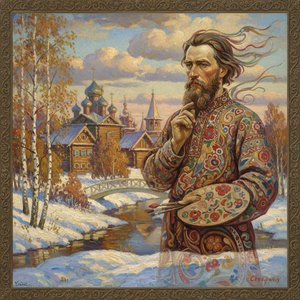
Igor Grabar: Bridging Impressionism & National Identity in Russian Modern Art
Explore the life & art of Igor Grabar, a pivotal figure in Russian Modernism. Discover his Impressionist landscapes, crucial role in art history, and legacy at the Tretyakov Gallery. A deep dive into a master painter & scholar.