
 წინასწარი ნახვა
 გაგზავნა
 გაზიარება
 დეტალები

 ჩამოტვირთვა
 მსგავსები
 რენტგენოგრაფიული კვლევა
 სლაიდშოუ
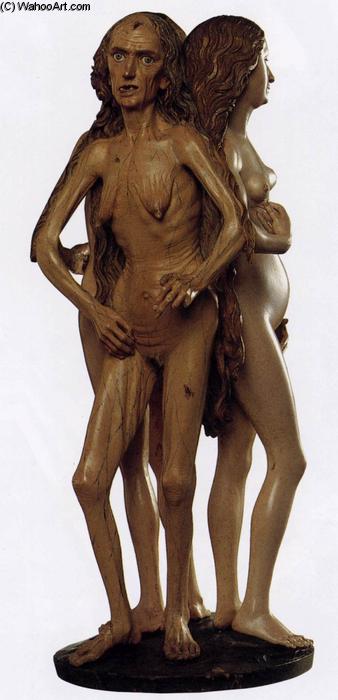
Vanitas


 გადასართად დაწვრილებით ნახეთ
ხელით ნაკვეთი ზეთის ტილოს რეპროდუქცია
ტილოზე შესრულებული ფერწერიანი ზეთប្រდათი, თქვენთვის სასურველი ზომისა და ჩარჩოსთვის, ჩვენი ხელოვანების მიერ შეკვეთის საფუძველზე დამზადებული. ( შეიძინეთ პრინტი შეიძინეთ გამოსახულება)




































აირჩიეთ ჩვენს მიერ წინასწარ განსაზღვრული ზომებიდან, რომლებიც ნაწარმოების ორიგინალურ პროპორციებს შეესაბამება.

თქვენ შეგიძლიათ მიუთითოთ თქვენთვის სასურველი ზომები კონკრეტული ჩარჩოს ან სივრცის შესაბამისად. თუ თქვენ მიერ არჩეული ზომა არ შეესაბამება ორიგინალი გამოსახულების პროპორციებს, ჩვენ ან შევაჭრებთ ნაწარმოებს, ან ტილოზე დავამატებთ ხელით მოხატულ ელემენტებს. წარმოების დაწყებამდე, დამტკიცებისთვის გამოგეგზავნებათ ციფრული მაკეტი.
გთხოვთ, გაითვალისწინოთ, რომ ეკრანზე ნაჩვენები წინასწარი შეხედულება არ ასახავს რეალურ შეჭრას ან გაფართოებას. საბოლოო კომპოზიციას ზუსტად მხოლოდ მაკეტი წარმოაჩენს.
მიუხედავად იმისა, რომ შესაძლებელია ინდივიდუალური ზომების შერჩევა, ორიგინალური პროპორციების შენარჩუნებისათვის გირჩევთ, გამოიყენოთ წინასწარ განსაზღვრული სიის ზომები.
შეკვეთის შემდეგ, OriginalUniqueArt.com გუნდი დაგიკავშირდებათ ელექტრონული ფოსტით ინსტრუქციებისთვის და გამოგიგზავნით წინასწარ ნახაზს (mockup).
მიწოდება მსოფლიო მასშტაბით -ში 3/4 კვირაში, სტანდარტული 5 კვირის ნაცვლად. (13 აგვისტო). ხარისხზე კომპრომისის გაკეთება არ მოხდება.

უფასო ექსპრეს მიწოდება მთელ მსოფლიოში

საბამად მაღალი ხარისხის ტილო

სრული ტრანსპორტირების დაზღვევა

საბაჟო გადასახადების დაბრუნების გარანტია

ფერების სრული შესაბამისობის გარანტია

60-დღიანი დაბრუნების პოლიტიკა (მხოლოდ დეფექტის შემთხვევაში)

100% თანხის დაბრუნების გარანტია

ფასდაკლება დიდი რაოდენობით შეკვეთისას
 მინის ჩარჩოს არჩევანი ხელმისაწვდომია მხოლოდ 110 სმ-ზე ნაკლები ზომისთვის

Vanitas
რეკლამაციის ტექნიკა
რეკლამაციის ზომა
-


საბოლოო ფასი
$ 300
მხატვრის ბიოგრაფია
Gregor Erhart: A Bridge Between Gothic and Renaissance in Augsburg
Born around 1570 in Ulm, Germany – a city steeped in both medieval tradition and burgeoning Renaissance influence – Gregor Erhart’s life and career unfolded primarily within the vibrant artistic landscape of Augsburg. The son of sculptor Michel Erhart, himself a respected figure in the local art scene, Gregor inherited not just a family legacy but also a foundational understanding of sculptural techniques that would shape his distinctive style. While scant biographical details remain, tracing his work reveals an artist deeply rooted in the late Gothic traditions while simultaneously embracing and adapting the emerging principles of the Renaissance, creating a compelling synthesis within his workshop’s output.
Augsburg, during Erhart's working life, was a crucial center for art production. The city’s prosperity, fueled by trade and its position as a key administrative hub, fostered a thriving artistic community. This environment provided Erhart with access to patrons – wealthy merchants, civic officials, and religious institutions – who commissioned works ranging from elaborate altarpieces to devotional sculptures. His location within this dynamic setting undoubtedly influenced his approach, encouraging experimentation and the incorporation of new stylistic elements.
A Workshop of Synthesis: Style and Technique
Erhart’s artistic identity is most clearly defined through his workshop's production, rather than solely through individual works attributed directly to him. This is largely due to the tragic loss of the Cistercian Abbey of Kaisheim’s documented sculpture – a pivotal piece believed to have served as a key reference point for Erhart’s style – during World War II. However, surviving examples and stylistic analyses allow us to reconstruct a remarkably consistent aesthetic.
His sculptures demonstrate a fascinating blend of late Gothic and Renaissance elements. The influence of the late Gothic period is evident in his figures' elongated proportions, expressive gestures, and often dramatic poses—traits common in medieval sculpture. Yet, these are tempered by a growing awareness of classical ideals, particularly in terms of anatomical accuracy (though not always flawlessly executed) and a greater emphasis on naturalism. The drapery, for instance, frequently exhibits a flowing quality reminiscent of Renaissance masters while retaining a distinctly Gothic sensibility.
Erhart’s technical skill is undeniable. He was proficient in carving wood, likely utilizing techniques honed by his father. His works often display intricate detailing and a remarkable ability to convey emotion through subtle shifts in expression. The use of shallow relief—a technique common during this period—allowed him to create visually rich surfaces with considerable depth and detail.
Religious Themes and Lost Treasures
The majority of Erhart’s known works are religious in subject matter, reflecting the prevailing devotional climate of Augsburg at the time. He frequently depicted scenes from the Bible, as well as figures associated with the Virgin Mary and various saints. A particularly notable example is his sculpture of Saint Mary Magdalene (c. 1530-40), currently housed in the Louvre Museum – a testament to its enduring artistic merit. This piece showcases Erhart’s ability to imbue a biblical figure with both penitent humility and profound emotional depth.
Beyond Saint Mary Magdalene, other significant works include depictions of Christ Child with the Terrestrial Globe, demonstrating an interest in humanist themes alongside religious iconography. These pieces highlight Erhart's willingness to engage with contemporary intellectual currents while maintaining a strong connection to traditional artistic values.
Legacy and Historical Context
Gregor Erhart’s legacy is primarily one of a skilled workshop master who bridged the gap between late Gothic and Renaissance sculpture in Augsburg. While his individual fame remains somewhat elusive due to the loss of key works, his influence can be discerned through the stylistic continuity within his workshop's output. His work stands as an important example of artistic synthesis during a period of significant cultural transition.
The circumstances surrounding the loss of the Kaisheim Abbey sculpture – destroyed in World War II – underscore the fragility of artistic heritage and the importance of preserving historical records. Despite this setback, Erhart’s contribution to Augsburg's artistic landscape remains substantial, offering valuable insights into the evolving aesthetic sensibilities of 16th-century Germany.
Further Exploration
For further research, consider exploring these resources:
- Wikipedia Article:** Gregor Erhart - Wikipedia
- Visual Arts Cork:** Gregor Erhart: German Late Gothic Wood-Carver - Visual Arts Cork
- OriginalUniqueArt.com:** Gregor Erhart

Gregor Erhart
1570 - 1640 , Germany
მოკლე ინფორმაცია
- Artistic Movement Or Style: Late Gothic & Renaissance
- Artists Or Movements Influenced By This Artist: ['Cistercian Abbey Style']
- Artists Who Influenced This Artist: ['Michel Erhart']
- Date Of Birth: 1570 Ulm, Germany
- Date Of Death: 1640
- Full Name: Gregor Erhart
- Nationality: German
- Notable Artworks:
- Saint Mary Magdalene
- Christ Child Globe
- Place Of Birth: Ulm, Germany

