გადართვა ბეჭდვის რეჟიმზე
 სრული ტექსტის ნახვა







































 ნებისმიერი მხარისთვის 105 სმ-ზე (დაახლოებით 41 ინჩი) მეტი ზომის ხელოვნებული ნამუშევრების ან რეპროდუქციებისთვის, ჩარჩო მოგზავნდება დაშლილ კომპლექტში. ეს მეთოდი უზრუნველყოფს უსაფრთხო მიწოდებას და თავიდან აგაცილებთ ტრანსპორტირებისას შესაძლო დაზიანებას.


Giuseppe Arcimboldo’s “Self-Portrait on Paper”: A Renaissance Riddle
Giuseppe Arcimboldo (1527-1593), a Milanese Mannerist artist, stands apart from his contemporaries not merely for his innovative technique but for the sheer audacity of his artistic vision. While many painters of the era meticulously replicated classical ideals of beauty and proportion—a pursuit driven by humanist scholarship and papal patronage—Arcimboldo dared to challenge convention with a singular preoccupation: transforming recognizable human forms into fantastical assemblages of natural objects.
His “Self-Portrait on Paper,” created in 1587, exemplifies this approach perfectly. Executed in brown ink on paper, the drawing is deceptively simple at first glance. However, upon closer inspection, it reveals a masterful manipulation of perspective and detail that underscores Arcimboldo’s profound understanding of artistic principles.
- Style & Technique: Arcimboldo's style is undeniably Mannerist—characterized by exaggerated forms, stylized drapery, and an emphasis on decorative effects. He employs meticulous hatching and cross-hatching to create textures that convincingly mimic the surfaces of his chosen materials – fruits, vegetables, flowers, books, and musical instruments. The artist’s skill lies in seamlessly blending these disparate elements into a unified composition.
- Historical Context: Arcimboldo's work emerged during a period of intense intellectual debate concerning humanism versus scholasticism. He responded to this challenge by elevating the natural world—a cornerstone of Renaissance thought—to the forefront of artistic representation. The portrait served as a commentary on the artist’s own identity and, symbolically, on the broader humanist preoccupation with integrating disparate disciplines into a cohesive whole.
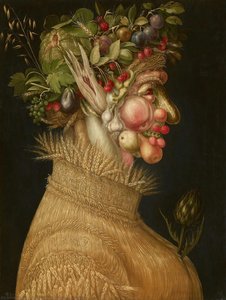
- Symbolism & Composition: The arrangement itself is laden with symbolic significance. Arcimboldo meticulously crafted each component to mirror facial features—the lips represented by cherries, the nose by apples, the eyes by plums, and the ear by a trumpet mouthpiece. The drapery of robes mimics folds of fabric, while rolled-up paper strips evoke the ruff worn by noblemen.
- Emotional Impact: Beyond its technical brilliance, “Self-Portrait on Paper” possesses an undeniable emotional resonance. Arcimboldo’s deliberate distortion of form invites contemplation about perception and illusion—forcing viewers to actively engage in decoding the visual language of his artwork. The resulting image is both unsettling and captivating, prompting reflection on themes of metamorphosis and self-awareness.
Displayed prominently in Palazzo Rosso (Genoa), Italy, Arcimboldo’s “Self-Portrait on Paper” continues to inspire admiration for its inventive artistry and intellectual depth. It stands as a testament to the Renaissance spirit—a willingness to embrace paradoxes and explore uncharted artistic territories.
კითხვები და პასუხები
სად იმყოფება "Self-Portrait on Paper" ჯუზეპე არჩიმბოლდო-ის განმეორებად თემებს შორის?
ჯუზეპე არჩიმბოლდო-ის დაფიქსირებულ თემებს შორის — botanical symbolism & illusion, human form transfiguration, renaissance intellectual debate, arcimboldo’s surreal vision, iconic portrait mastery — „Self-Portrait on Paper“ განსაკუთრებულ ყურადღებას ამახვილებს composite head, fruit arrangement, renaissance art, portrait painting, symbolism, italian renaissance, arcimboldo style-ზე.
შესაძლებელია "Self-Portrait on Paper" უფრო დეტალურად შევისწოვო?
ჯუზეპე არჩიმბოლდო-ის „Self-Portrait on Paper“-ის რენტგენოგრაფია გვერდი წარმოადგენს ინტერაქტიულ გამსინჯებელს, რომელიც საშუალებას გაძლევთ გადაიკვლიოთ ნამუშევრის თერთმეტი ოპტიკური ფენა, მათ შორის რენტგენოსებრი ხედიც.
არის თუ არა ჯუზეპე არჩიმბოლდო-ის „Self-Portrait on Paper“ საჯარო დომენში?
ავტორული უფლებების შესახებ პასუხი ნამუშევრისთვის ჯუზეპე არჩიმბოლდო-ის „Self-Portrait on Paper“: ნამუშევარი არის საჯარო საკუთრებაშია - მისი საავტორო უფლებები ამოწდა. ეს განსაზღვრავს, შესაძლებელია თუ არა გამოსახულების რეპროდუქციის თავისუფლად წარმოება.
 ნახვა ინტერьерში
 გაგზავნა
 გაზიარება
 დეტალები
 გზამკვლევი

 ჩამოტვირთვა
 მსგავსები
 რენტგენოგრაფიული კვლევა
 სლაიდშოუ
 Q&A
Q&A სტატისტიკა