ნახვა ინტერьерში
 გაგზავნა
 გაზიარება
 დეტალები
 გზამკვლევი

 ჩამოტვირთვა
 მსგავსები
 რენტგენოგრაფიული კვლევა
 სლაიდშოუ
 სტატისტიკა
Nature studies


 სრული ტექსტის ნახვა
გიკლე / ხელოვნების პრინტი
მუზეუმის დონის ჟიკლე ან ტილოზე ბეჭდვა სწრაფი წარმოებისა და დასრულების მოქნილი ვარიანტებით. ( შეიძინეთ ხელით შესრულებული ნახატი გადასვლა ციფრულ გამოსახულებაზე)




P118B ₾10

P118H ₾10

P118W ₾10

P438Z ₾10

P508JH ₾12

P508YH ₾12

P805H ₾10

P805Z ₾10

P919BZ ₾10

P919G ₾10

P919XJ ₾10

P959ZH ₾10

P968JZ ₾12

W106C ₾8

W218G ₾10

W218JH ₾8

W218Y ₾10

W307PJ ₾10

W316G ₾10

W316PJ ₾8

W316Y ₾10

W398PJ ₾8

W4111J ₾10

W500HY ₾15

W500JH ₾15

W692G ₾12

W849H ₾8

W940BG ₾15

W953PJ ₾8




აირჩიეთ ჩვენს მიერ წინასწარ განსაზღვრული ზომებიდან, რომლებიც ნაწარმოების ორიგინალურ პროპორციებს შეესაბამება.

შეიყვანეთ თქვენთვის საჭირო სიგანე და სიმაღლე, რათა იგი მოერგოს თქვენს ჩარჩოს ან კედელს. ბეჭდვისას შესაძლებელია მხოლოდ მისი შემცირება და არა გაზრდა, ამიტომ სხვა ფორმის ზომის შემთხვევაში გამოსახულება ნაწილობრივ იკარგება. სანამ რაიმეს დაბეჭდავთ, ჩვენ გამოგიგზავნით ციფრულ მაკეტს დასდასტურებლად. ამ გვერდზე ნაჩვენები სურათი არ ასახავს რეალურ ჭრას — ამას მხოლოდ მაკეტი გვიჩვენებს.
მიწოდება მთელ მსოფლიოში () 2 კვირაში, სტანდარტული 4/5 კვირის ნაცვლად. (26 ოქტომბერი)

უფასო ექსპრეს მიწოდება მთელ მსოფლიოში

მაღალი ხარისხის ტილო

ტრანსპორტირების სრული დაზღვევა

საბაჟო გადასახადების დაბრუნების გარანტია

ფერების სრული შესაბამისობის გარანტია

დაბრუნების 100-დღიანი პერიოდი (მხოლოდ წარმოების დეფექტის შემთხვევაში)

100% თანხის სრული დაბრუნების გარანტია

ფასდაკლება დიდი რაოდენობით შეკვეთისას
 მინის ჩარჩოს არჩევანი ხელმისაწვდომია მხოლოდ 110 სმ-მდე ზომისთვის

Nature studies
გიკლე / ხელოვნების პრინტი
რეპროდუქციის ზომა
-


ჯამური ღირებულება
₾ 208
Giuseppe Arcimboldo: A Renaissance Visionary Reimagined
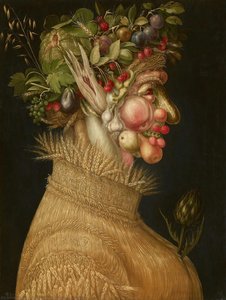
Giuseppe Arcimboldo (1527 – 1593), an Italian Mannerist painter, stands apart from his contemporaries not merely for stylistic innovation but for a profound engagement with the intellectual currents of his time—specifically, Neo-Platonism and the burgeoning fascination with natural science. Born in Milan during a period marked by papal ambition and artistic experimentation, Arcimboldo’s career unfolded against a backdrop of transformative change, propelling him to prominence as court painter for three Holy Roman Emperors: Maximilian I, Philip II, and Rudolf II—a testament to his ability to capture the zeitgeist and translate complex ideas into visually arresting imagery. While initially recognized for traditional portraits adhering to established conventions, Arcimboldo swiftly distinguished himself through a revolutionary approach – crafting composite heads entirely from meticulously arranged objects: fruits, vegetables, flowers, fish, musical instruments, and even books—a technique that continues to fascinate scholars and artists alike.- The Composite Head Technique: Arcimboldo’s method wasn't simply about clever visual illusion; it represented a deliberate challenge to conventional artistic representation. Rather than depicting the human face in its idealized form, he disassembled it into constituent parts—symbols of nature—creating an image that simultaneously honored classical ideals and reflected the scientific curiosity of the Renaissance.
- Symbolism Rooted in Neo-Platonism: Arcimboldo’s works resonate deeply with Neo-Platonic philosophy, which sought to reconcile pagan mythology with Christian theology by interpreting symbols as reflections of divine truths. Each element within a portrait—the fruits representing fertility and abundance, the flowers symbolizing beauty and virtue—carried specific allegorical meanings intended to convey profound spiritual concepts.
- Court Patronage & Rudolf II’s Vision: Arcimboldo's success stemmed largely from his patronage by Rudolf II, Holy Roman Emperor, who championed a humanist worldview characterized by intellectual exploration and artistic splendor. Rudolf II’s fascination with alchemy, astrology, and natural history mirrored Arcimboldo’s own stylistic ambition—to transcend mere imitation of nature and to express its underlying harmony and order.
Vertumnus: A Masterpiece of Illusion and Allegory
Among Arcimboldo's most celebrated achievements is Vertumnus (1591), an oil painting commissioned by Rudolf II that exemplifies the artist’s mastery of illusionistic technique and symbolic representation. The portrait depicts Rudolf II as a human face constructed from meticulously arranged fruits, vegetables, flowers, and musical instruments—a deliberate homage to the Roman god Vertumnus, whose name translates to “turning” or “changing,” reflecting the cyclical rhythms of nature and mirroring Rudolf II’s belief in the interconnectedness of all things. The composition is remarkably balanced, with each element carefully positioned to contribute to the overall impression of serenity and intellectual contemplation.- Illusionistic Detail: Arcimboldo achieved his breathtaking effect through painstaking layering of paint—a technique known as glazing—creating a shimmering surface that captures the subtle nuances of light and color. The artist’s meticulous attention to detail ensured that each fruit, vegetable, and instrument appeared convincingly integrated into the portrait's form.
- The God Vertumnus & Rudolf II’s Ideal: Arcimboldo’s choice of imagery—specifically Vertumnus—was not arbitrary but deliberately symbolic. The god Vertumnus represented transformation and renewal, mirroring Rudolf II’s aspiration to embody the virtues of wisdom, justice, and compassion—qualities he believed essential for governing his realm effectively.
- A Reflection of Renaissance Thought: Vertumnus stands as a powerful emblem of the Renaissance humanist spirit—a conviction that human reason could illuminate the mysteries of the cosmos and that art could serve as a conduit for conveying profound philosophical ideas.
Beyond Illusion: Arcimboldo’s Artistic Legacy
Giuseppe Arcimboldo's influence extends far beyond his own lifetime, shaping subsequent artistic trends and inspiring generations of artists to explore innovative visual strategies. His pioneering use of composite portraits established a precedent for manipulating perspective and creating imaginative representations that defied conventional conventions—a legacy that continues to resonate in contemporary art practice. Furthermore, Arcimboldo’s unwavering commitment to capturing the essence of his subject matter through symbolic imagery solidified his position as one of the foremost artists of the Mannerist movement—a period characterized by stylistic experimentation and a preoccupation with psychological depth.- Influence on Later Artists: Arcimboldo's technique served as an inspiration for artists like Rembrandt and Diego Velázquez, who similarly employed illusionistic techniques to convey emotion and psychological complexity in their portraits.
- The Mannerist Aesthetic: Arcimboldo’s work embodies the core tenets of Mannerism—a stylistic movement that prioritized expressive distortion over naturalistic representation—marking a decisive break from the idealized beauty of High Renaissance art.
- Enduring Relevance: Today, Arcimboldo's portraits continue to captivate audiences with their arresting visual impact and their profound intellectual depth—testaments to his enduring artistic genius and his ability to transcend temporal boundaries.
Discovering Arcimboldo’s Art Today
Reproductions of Arcimboldo’s masterpieces can be found in prestigious museums worldwide, including the Kunsthistorisches Museum in Vienna and the Louvre in Paris—a testament to their enduring artistic merit. Explore stunning prints and canvases that capture the vibrancy of color and the meticulous detail characteristic of his original paintings—bringing the visionary spirit of Giuseppe Arcimboldo into your home or gallery space.კითხვები და პასუხები
რა არის გამოსახული ჯუზეპე არჩიმბოლდო-ის „Nature studies“-ში და რა განწყობას გადმოგვცემს იგი?
ჯუზეპე არჩიმბოლდო-ის „Nature studies“ ასახავს composite head, fruits, animals, renaissance, symbolism, decorative art, habsburg court-ს, Calm განწყობით. სუბიექტი და ატმოსფერო ერთობლიობაში ქმნის ნამუშევრის აღწერას.
რომელ ხელოვანს მიეწერება "Nature studies"?
„Nature studies“ მიკუთვნებულია ჯუზეპე არჩიმბოლდო-ს.
სახლში რომელი ნაწილი უხდება ყველაზე მეტად "Nature studies"-ის რეპროდუქციას?
ჯუზეპე არჩიმბოლდო-ის „Nature studies“ რეკომენდებულია Living Room-ისთვის. ეს შეთავაზება ეფუძნება ნამუშევრის თემატიკას, ფერებსა და განწყობას.
მხატვრის ბიოგრაფია
არჩიმბოლდოს სამყარო: რენესანსის მხატვარი, რომელმაც რეალობა გადააμορφა
ჯუზეპე არჩიმბოლდო (1527-1593) – იტალიელი მანერისტული ხელოვნების ოსტატი, რომლის სახელი უნიკალური პორტრეტებთან ასოცირდება. მისი შემოქმედება გამოირჩევა ხილით, ბოსტნეულით და სხვა საგნებით შედგენილი კომპოზიციური გამოსახულებებით. არჩიმბოლდოს კარიერა მილანში დაიწყო, თუმცა დიდებას ევროპის ინტელექტუალური განვითარების პერიოდში მიაღწია. თავდაპირველად, მისი ნამუშევები ტრადიციული ფრესკებისა და სასამართლო პორტრეტების სტილში იყო შესრულებული, მაგრამ დიდხანოვანი მემკვიდრეობა სწორედ კომპოზიციური ხელოვნებითაა განმსაზღვრელი. ეს ნამუშევები მხოლოდ მხატვრული ხრიკები არ ყოფილა – რენესანსის მსოფლმხედველობაში ღრმა სიმბოლიზმით გაჯერებული, კომპლექსური ალეგორიები იყო, რომლებიც დღესაც აღტაცსებას вызывает. მისი მამა, ბიაჯო არჩიმბოლდო, თავად მხატვარი იყო და იუზეპე ადრეული ასაკიდანვე ჩართულ იქნა ხელოვნებაში. 1549 წლიდან მან მონაწილეობა მიიღო მილანის საკათედრო ტაძრის ფრესკების შექმნაში, რაც მისმა ტექნიკურმა უნარებმა და დეტალებზე ყურადღებამ განაპირობა.სასამართლო დაკვეთები და უნიკალური სტილის ჩამოყალიბება
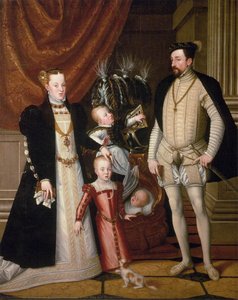
1562 წელს არჩიმბოლდო ფერდინანდ I-ის კარზე პორტრეტისტად დაინიშნა. ეს იყო მისი კარიერის მნიშვნელოვანი გარდასახვა, რადგან მას შემდეგ ის Habsburg-ების სამეფო კარტში 20 წლიდან მეტი ხნის განმავლობაში მუშაობდა. არჩიმბოლდოს მოვალეობაში შედიოდა პორტრეტების შესრულება, კოსტუმების დიზაინი და იმპერატორის კოლექციების ორგანიზება. სწორედ ამ გარემოში ჩამოყალიბდა მისი გამორჩეული სტილი. კარტის მოთხოვნა სიახალესა და სანახაობრივ ეფექტებზე ხელსაყრელ ნიაღვარს წარმოადგენდა ექსპერიმენტებისთვის, რაც მას საშუალებას აძლევდა ტრადიციული პორტრეტებიდან გადასულიყო ცნობილი „კომპოზიციური თავების“ შექმნაზე. ეს ნამუშევები შემთხვევითი იმპულსი არ ყოფილა – ისინი თანდათან ჩამოყალიბდნენ რენესანსის ეპოქაში პuzzles-ებზე, загадках და ჩვეულებრივ საგნებში скрытых მნიშვნელობების ძიებაზე დაფუძნებული ტრადიციების საფუძველზე. ადრეული მხატვრების გავლენა, რომლებმაც *trompe l'oeil* ეფექტებითა და დისტორტირებული პერსპექტივით ექსპერიმენტები ჩაატარეს, შესამჩნევია, თუმცა არჩიმბოლდომ ეს ელემენტები საკუთარი უნიკალური ვიზუალური ენის შექმნის მიზნით გააერთიანა.სიმბოლიზმის დეკოდირება: ერთი შეხედვით მეტის აღმოჩენა
არჩიმბოლდოს ნამუშევებს მხოლოდ მხატვრული ხრიკად წარმოჩენა მის ინტელექტუალურ სიღრმეს არამართებულად მიიჩნევა. მისი კომპოზიციური პორტრეტების თითოეული საგანი ფრთხილად იყო შერჩეული და დაკავშირებული იყო გამოსახულებული ადამიანის ხასიათთან, პროფესიასთან ან სოციალურ სტატუსთან. მაგალითად, *ბიბლიოთეკარი* მხოლოდ წიგნებით შედგენილი სახე არ არის – ეს არის სწავლულების პრეტენზიების ფარული კრიტიკა, კომენტარი მათზე, ვინც ცოდნას აგროვებს, მაგრამ მასთან ჭეშმარიტად არ ურთიერთქმედებს. წიგნებს გარს შემორჩენილი ცხოველის კუდები ნივრაგებს მიანიშნებენ, რაც თაროებზე მაცვენილ ტომიკებზე მიუთითებს. ასევე, მისი სეზონების პორტრეტები – განსაკუთრებით *ვერტუმნი*, რომელიც იმპერატორ რუდოლფ II-ს რომაული ბაღებისა და ცვლილების ღმერთად წარმოადგენს – მდიდარია ბოტანიკური სიმბოლიზმით, რაც იმპერატორის მეცნიერებასა და ბუნების ისტორიაზე პატრონაჟს ასახავს. ეს ნამუშევები არ იყო განკუთვნილი დაუყოვნებლივ გაშიფრვისთვის; ისინი შექმნილ იქნენ მსჯელობის პროვოცირების მიზნით, რაც მაყურებელს საშუალებას აძლევს თამაშობრივი საგნების მოწყობაში скрытых მნიშვნელობების გამოვლინდეს. ადამიანის იმიჯის უსინათლო მასალისგან შექმნის აქტი თავად იყო დაკავშირებული ყველაფრის ურთიერთდაკავშირებულობაზე – რენესანსული ნეოპლატონიზმის რწმენა სამყაროს ძირეული ჰარმონიის შესახებ.მემკვიდრეობა და აღმოჩენა: სურიალიზმის წინამორბედი
მიუხედავად სიცოცხლის განმავლობაში მიღებული წარმატებისა, არჩიმბოლდოს რეპუტაცია მისი გარდაცვალების შემდეგ – 1593 წელს – დაეცა. მის ნამუშევებს ხშირად კურიოზებად მოიხსენიებდნენ – ტექნიკური უნარებისთვის აფასებდნენ, მაგრამ სერიოზული მხატვრული ღირებულების არარსებობით გამოირჩეოდნენ. მხოლოდ XX საუკუნეში გაიზარდა მისი ხელოვნებისადმი ინტერესი, რაც სურიალიზმის აღმავლობით იყო განპირობებული. მხატვრებმა, როგორიცაა სალვადორ დალი, არჩიმბოლდოში ნათესავი სული იხილეს – ვიზიონერი, რომელმაც გაბედა ჩვეულებრივი შეგრძნების გამოწვევა და ქვეშაგარაკის შესწავლა неожиданных გამოსახულებების მოპირდაპირებით. არჩიმბოლდოს გავლენა ჩანს დალის საკუთარ ოცნებურ კომპოზიციებში და მისი მეტამორფოზისა და ილუზიისადმი ინტერესში. დღეს, არჩიმბოლდო ითვლება ხელოვნების ისტორიაში მნიშვნელოვან ფიგურად – სურიალიზმის წინამორბედად, რომლის ინოვაციურმა სიმბოლიზმმა და მხატვრული დისტორციამ გააუმჯობესა ხელოვნება და აგრძელებს მსოფლოს ჩვენი გაგების გარდაქმნას. მისი ნახატები პატივმოყვარე მუზეუმებში ინახება, როგორიცაა Kunsthistorisches Museum ვენაში და Louvre პარიზში, რაც უზრუნველყოფს მის უნიკალურ ხედვის მომავალ თაობებისთვის შერჩენილობას. მისი მემკვიდრეობა წარმოადგენს წარმოსახვის ძალაუფლებასა და ხელოვნების უნარს გარდაქმნან ჩვენი სამყაროს გაგება.
ჯუზეპე არჩიმბოლდო
1527 - 1593 , იტალია
მოკლე ფაქტები
- Artistic Movement Or Style: მანერიზმი, სურიალიზმი
- Artists Or Movements Influenced By This Artist:
- Salvador Dalí
- სურიალიზმი
- Date Of Birth: 5 აპრილი 1527
- Date Of Death: 11 ივლისი 1593
- Full Name: Giuseppe Arcimboldo
- Nationality: იტალიელი
- Notable Artworks (List Of Titles):
- Floral Still Life
- The Four Seasons
- Vertumnus
- The Librarian
- Place Of Birth (City And Country): მილანი, იტალია
მსგავსი სტატიები

Victorian Botanical Painting: Science, Art & Aesthetic Sensibility
Explore the exquisite world of Victorian botanical art! Discover the science & artistry behind stunning floral illustrations by Gould, Muckley & more. Learn about collecting, value & investment at OriginalUniqueArt.
The Delicate Beauty of Botanical Realism: Capturing Nature's True Essence through the Lens of Art History
Explore the exquisite world of botanical realism. From scientific precision to Impressionist light, discover how master artists capture nature's true essence through timeless, hand-painted oil reproductions and historical insights for the discerning art lover.
Victorian Botanical Art: A Professional Guide to Sourcing Timeless Floral Reproductions for Luxury Hotel Interiors
Elevate hospitality interiors with premium Victorian botanical art reproductions. A professional guide for hotel designers on sourcing hand-painted oils and large-scale murals, featuring expert procurement advice, bulk ordering, and reliable global logistics for luxury spaces.
The Flourishing Canvas: A Historical Journey Through Botanical Illustration
Explore the captivating history of botanical illustration! Discover renowned artists like Robert Havell & Mary Walcott, learn about techniques, and find museum-quality art at OriginalUniqueArt.com.
The Timeless Elegance of Victorian Botanical Painting: A Journey Through Nature's Intricate Detail and Scientific Artistry
Discover the exquisite world of Victorian botanical painting, where scientific precision meets profound aesthetic grace. Explore a journey through nature's intricate details, from legendary illustrators to the untamed beauty of Marianne North’s vibrant floral masterpieces.