ნახვა ინტერьерში
 გაგზავნა
 გაზიარება
 დეტალები
 გზამკვლევი

 ჩამოტვირთვა
 მსგავსები
 რენტგენოგრაფიული კვლევა
 სლაიდშოუ
 სტატისტიკა
Nature studies (10)


 სრული ტექსტის ნახვა
გიკლე / ხელოვნების პრინტი
მუზეუმის დონის ჟიკლე ან ტილოზე ბეჭდვა სწრაფი წარმოებისა და დასრულების მოქნილი ვარიანტებით. ( შეიძინეთ ხელით შესრულებული ნახატი გადასვლა ციფრულ გამოსახულებაზე)




P118B ₾10

P118H ₾10

P118W ₾10

P438Z ₾10

P508JH ₾12

P508YH ₾12

P805H ₾10

P805Z ₾10

P919BZ ₾10

P919G ₾10

P919XJ ₾10

P959ZH ₾10

P968JZ ₾12

W106C ₾8

W218G ₾10

W218JH ₾8

W218Y ₾10

W307PJ ₾10

W316G ₾10

W316PJ ₾8

W316Y ₾10

W398PJ ₾8

W4111J ₾10

W500HY ₾15

W500JH ₾15

W692G ₾12

W849H ₾8

W940BG ₾15

W953PJ ₾8




აირჩიეთ ჩვენს მიერ წინასწარ განსაზღვრული ზომებიდან, რომლებიც ნაწარმოების ორიგინალურ პროპორციებს შეესაბამება.

შეიყვანეთ თქვენთვის საჭირო სიგანე და სიმაღლე, რათა იგი მოერგოს თქვენს ჩარჩოს ან კედელს. ბეჭდვისას შესაძლებელია მხოლოდ მისი შემცირება და არა გაზრდა, ამიტომ სხვა ფორმის ზომის შემთხვევაში გამოსახულება ნაწილობრივ იკარგება. სანამ რაიმეს დაბეჭდავთ, ჩვენ გამოგიგზავნით ციფრულ მაკეტს დასდასტურებლად. ამ გვერდზე ნაჩვენები სურათი არ ასახავს რეალურ ჭრას — ამას მხოლოდ მაკეტი გვიჩვენებს.
მიწოდება მთელ მსოფლიოში () 2 კვირაში, სტანდარტული 4/5 კვირის ნაცვლად. (27 ოქტომბერი)

უფასო ექსპრეს მიწოდება მთელ მსოფლიოში

მაღალი ხარისხის ტილო

ტრანსპორტირების სრული დაზღვევა

საბაჟო გადასახადების დაბრუნების გარანტია

ფერების სრული შესაბამისობის გარანტია

დაბრუნების 100-დღიანი პერიოდი (მხოლოდ წარმოების დეფექტის შემთხვევაში)

100% თანხის სრული დაბრუნების გარანტია

ფასდაკლება დიდი რაოდენობით შეკვეთისას
 მინის ჩარჩოს არჩევანი ხელმისაწვდომია მხოლოდ 110 სმ-მდე ზომისთვის

Nature studies (10)
გიკლე / ხელოვნების პრინტი
რეპროდუქციის ზომა
-


ჯამური ღირებულება
₾ 208
Giuseppe Arcimboldo’s “Nature Studies (10)” – A Renaissance Rhapsody of Form and Flora
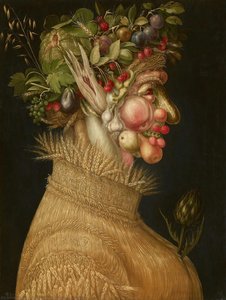
Giuseppe Arcimboldo's "Nature Studies (10)," painted in 1578, isn’t merely a portrait; it’s an immersive theatrical tableau, a vibrant testament to the Renaissance fascination with symbolism, illusion, and the interconnectedness of all things. Housed within the Österreichische Nationalbibliothek in Vienna, this remarkable watercolor on parchment invites viewers into a meticulously constructed world where the boundaries between human and nature blur, creating a deeply affecting and intellectually stimulating experience. The painting’s immediate impact is one of joyous abundance – a riot of avian forms, each rendered with astonishing detail and imbued with distinct personalities. Arcimboldo masterfully employs a technique reminiscent of still life painting, yet elevates it to the level of allegory, transforming commonplace objects into profound visual statements.
A Symphony of Birds: Symbolism in Flight
The four birds depicted – a black heron, an egret, a crane, and a goose – are far more than decorative elements. Each species carries a carefully considered symbolic weight rooted in Renaissance thought. The heron, with its long, elegant beak, often represents wisdom and vigilance, qualities highly valued within the intellectual circles of the time. The white egret, embodying purity and grace, stands as a counterpoint to the heron’s more grounded nature. The crane, a symbol of longevity and fidelity, suggests an enduring connection between humanity and the natural world. Finally, the goose, traditionally associated with abundance and prosperity, anchors the composition with its robust presence. Arcimboldo's skill lies not just in his technical proficiency but in his ability to imbue these familiar creatures with layers of meaning, transforming a simple bird study into a complex meditation on human values.
The Mannerist Masterpiece: A World Reimagined
“Nature Studies (10)” firmly establishes Arcimboldo as a pivotal figure within the Mannerist movement. Mannerism, flourishing in Europe during the late 16th century, rejected the strict realism of the High Renaissance in favor of heightened emotion, dramatic compositions, and an embrace of illusionistic techniques. Arcimboldo’s work exemplifies this shift perfectly. He deliberately manipulates perspective and employs a flattened spatial arrangement to create a sense of theatricality, drawing the viewer into his constructed world. The painting's background, a simple expanse of white, serves only to amplify the vibrant colors and intricate details of the birds themselves, directing all attention towards their captivating forms. His approach aligns with the broader Renaissance interest in Neo-Platonism – the belief that beauty and truth could be found within the natural world—and his art reflects this philosophy through its celebration of organic forms and harmonious relationships.
Beyond Decoration: Arcimboldo’s Political and Personal Statements
While initially commissioned for the court of Rudolf II, Holy Roman Emperor, “Nature Studies (10)” transcends mere decorative function. Arcimboldo's portraits were often laden with political symbolism, reflecting the emperor’s power, wealth, and intellectual pursuits. The careful selection of each bird—its color, posture, and even its arrangement within the composition—served as a visual language, communicating complex ideas about governance, prosperity, and the relationship between humanity and nature. Furthermore, Arcimboldo's life itself was marked by intrigue and transformation; he served multiple emperors, constantly reinventing himself through his art. This fluidity of identity is mirrored in “Nature Studies (10),” where the boundaries between reality and illusion are deliberately blurred, inviting viewers to question their own perceptions and consider the multifaceted nature of human experience.
A Timeless Legacy: Reproduction and Inspiration
Today, "Nature Studies (10)" continues to captivate audiences with its ingenious artistry and profound symbolism. OriginalUniqueArt offers meticulously crafted reproductions that faithfully capture Arcimboldo’s original vision, allowing art lovers to bring this remarkable masterpiece into their homes or offices. Beyond its aesthetic appeal, the painting serves as a powerful reminder of the enduring relevance of nature study—a practice that encourages us to observe, appreciate, and understand the world around us with both our eyes and our minds. Consider how Arcimboldo’s innovative approach to portraiture has influenced countless artists throughout history, demonstrating his lasting impact on the evolution of visual art.
კითხვები და პასუხები
რა ემოციურ ტონს ახლავს „Nature studies (10)“-ის Mannerism სტილს?
Mannerism სტილის ფარგლებში, „Nature studies (10)“ დაფიქსირებულია Tranquil ტონით.
სად შემიძლება ჯუზეპე არჩიმბოლდო-ის „Nature studies (10)“-ის პრინტის შეძენა?
"Nature studies (10)" ხელოვნების ნიმუში ხელმისაწვდომია როგორც ხელოვნების მაღალი ხარისხის ბეჭდური ბამბის ტილოს ან საარქივო ტილოს ქაღალდის ბაზაზე. შეკვეთა შეგიძლიათ თქვენთვის სასურველი ზომით, მისი ხელოვნების მაღალი ხარისხის ბეჭედი გვერდის მეშვეობით.
სად შემიძლია ვიყიდო ჯუზეპე არჩიმბოლდო-ის „Nature studies (10)“-ის ხელით ნათესლი?
"Nature studies (10)" ხელმისაწვდომია, როგორც ლენის ტილოზე შესრულებული ზეთწარმოთი, ხელით ნათესლით. შეკვეთის განთავსება და ზომების არჩევა შესაძლებელია მისი ხელით ნათესლიერი რეპროდუქცია გვერდის მეშვეობით.
მხატვრის ბიოგრაფია
არჩიმბოლდოს სამყარო: რენესანსის მხატვარი, რომელმაც რეალობა გადააμορφა
ჯუზეპე არჩიმბოლდო (1527-1593) – იტალიელი მანერისტული ხელოვნების ოსტატი, რომლის სახელი უნიკალური პორტრეტებთან ასოცირდება. მისი შემოქმედება გამოირჩევა ხილით, ბოსტნეულით და სხვა საგნებით შედგენილი კომპოზიციური გამოსახულებებით. არჩიმბოლდოს კარიერა მილანში დაიწყო, თუმცა დიდებას ევროპის ინტელექტუალური განვითარების პერიოდში მიაღწია. თავდაპირველად, მისი ნამუშევები ტრადიციული ფრესკებისა და სასამართლო პორტრეტების სტილში იყო შესრულებული, მაგრამ დიდხანოვანი მემკვიდრეობა სწორედ კომპოზიციური ხელოვნებითაა განმსაზღვრელი. ეს ნამუშევები მხოლოდ მხატვრული ხრიკები არ ყოფილა – რენესანსის მსოფლმხედველობაში ღრმა სიმბოლიზმით გაჯერებული, კომპლექსური ალეგორიები იყო, რომლებიც დღესაც აღტაცსებას вызывает. მისი მამა, ბიაჯო არჩიმბოლდო, თავად მხატვარი იყო და იუზეპე ადრეული ასაკიდანვე ჩართულ იქნა ხელოვნებაში. 1549 წლიდან მან მონაწილეობა მიიღო მილანის საკათედრო ტაძრის ფრესკების შექმნაში, რაც მისმა ტექნიკურმა უნარებმა და დეტალებზე ყურადღებამ განაპირობა.სასამართლო დაკვეთები და უნიკალური სტილის ჩამოყალიბება
1562 წელს არჩიმბოლდო ფერდინანდ I-ის კარზე პორტრეტისტად დაინიშნა. ეს იყო მისი კარიერის მნიშვნელოვანი გარდასახვა, რადგან მას შემდეგ ის Habsburg-ების სამეფო კარტში 20 წლიდან მეტი ხნის განმავლობაში მუშაობდა. არჩიმბოლდოს მოვალეობაში შედიოდა პორტრეტების შესრულება, კოსტუმების დიზაინი და იმპერატორის კოლექციების ორგანიზება. სწორედ ამ გარემოში ჩამოყალიბდა მისი გამორჩეული სტილი. კარტის მოთხოვნა სიახალესა და სანახაობრივ ეფექტებზე ხელსაყრელ ნიაღვარს წარმოადგენდა ექსპერიმენტებისთვის, რაც მას საშუალებას აძლევდა ტრადიციული პორტრეტებიდან გადასულიყო ცნობილი „კომპოზიციური თავების“ შექმნაზე. ეს ნამუშევები შემთხვევითი იმპულსი არ ყოფილა – ისინი თანდათან ჩამოყალიბდნენ რენესანსის ეპოქაში პuzzles-ებზე, загадках და ჩვეულებრივ საგნებში скрытых მნიშვნელობების ძიებაზე დაფუძნებული ტრადიციების საფუძველზე. ადრეული მხატვრების გავლენა, რომლებმაც *trompe l'oeil* ეფექტებითა და დისტორტირებული პერსპექტივით ექსპერიმენტები ჩაატარეს, შესამჩნევია, თუმცა არჩიმბოლდომ ეს ელემენტები საკუთარი უნიკალური ვიზუალური ენის შექმნის მიზნით გააერთიანა.სიმბოლიზმის დეკოდირება: ერთი შეხედვით მეტის აღმოჩენა
არჩიმბოლდოს ნამუშევებს მხოლოდ მხატვრული ხრიკად წარმოჩენა მის ინტელექტუალურ სიღრმეს არამართებულად მიიჩნევა. მისი კომპოზიციური პორტრეტების თითოეული საგანი ფრთხილად იყო შერჩეული და დაკავშირებული იყო გამოსახულებული ადამიანის ხასიათთან, პროფესიასთან ან სოციალურ სტატუსთან. მაგალითად, *ბიბლიოთეკარი* მხოლოდ წიგნებით შედგენილი სახე არ არის – ეს არის სწავლულების პრეტენზიების ფარული კრიტიკა, კომენტარი მათზე, ვინც ცოდნას აგროვებს, მაგრამ მასთან ჭეშმარიტად არ ურთიერთქმედებს. წიგნებს გარს შემორჩენილი ცხოველის კუდები ნივრაგებს მიანიშნებენ, რაც თაროებზე მაცვენილ ტომიკებზე მიუთითებს. ასევე, მისი სეზონების პორტრეტები – განსაკუთრებით *ვერტუმნი*, რომელიც იმპერატორ რუდოლფ II-ს რომაული ბაღებისა და ცვლილების ღმერთად წარმოადგენს – მდიდარია ბოტანიკური სიმბოლიზმით, რაც იმპერატორის მეცნიერებასა და ბუნების ისტორიაზე პატრონაჟს ასახავს. ეს ნამუშევები არ იყო განკუთვნილი დაუყოვნებლივ გაშიფრვისთვის; ისინი შექმნილ იქნენ მსჯელობის პროვოცირების მიზნით, რაც მაყურებელს საშუალებას აძლევს თამაშობრივი საგნების მოწყობაში скрытых მნიშვნელობების გამოვლინდეს. ადამიანის იმიჯის უსინათლო მასალისგან შექმნის აქტი თავად იყო დაკავშირებული ყველაფრის ურთიერთდაკავშირებულობაზე – რენესანსული ნეოპლატონიზმის რწმენა სამყაროს ძირეული ჰარმონიის შესახებ.მემკვიდრეობა და აღმოჩენა: სურიალიზმის წინამორბედი
მიუხედავად სიცოცხლის განმავლობაში მიღებული წარმატებისა, არჩიმბოლდოს რეპუტაცია მისი გარდაცვალების შემდეგ – 1593 წელს – დაეცა. მის ნამუშევებს ხშირად კურიოზებად მოიხსენიებდნენ – ტექნიკური უნარებისთვის აფასებდნენ, მაგრამ სერიოზული მხატვრული ღირებულების არარსებობით გამოირჩეოდნენ. მხოლოდ XX საუკუნეში გაიზარდა მისი ხელოვნებისადმი ინტერესი, რაც სურიალიზმის აღმავლობით იყო განპირობებული. მხატვრებმა, როგორიცაა სალვადორ დალი, არჩიმბოლდოში ნათესავი სული იხილეს – ვიზიონერი, რომელმაც გაბედა ჩვეულებრივი შეგრძნების გამოწვევა და ქვეშაგარაკის შესწავლა неожиданных გამოსახულებების მოპირდაპირებით. არჩიმბოლდოს გავლენა ჩანს დალის საკუთარ ოცნებურ კომპოზიციებში და მისი მეტამორფოზისა და ილუზიისადმი ინტერესში. დღეს, არჩიმბოლდო ითვლება ხელოვნების ისტორიაში მნიშვნელოვან ფიგურად – სურიალიზმის წინამორბედად, რომლის ინოვაციურმა სიმბოლიზმმა და მხატვრული დისტორციამ გააუმჯობესა ხელოვნება და აგრძელებს მსოფლოს ჩვენი გაგების გარდაქმნას. მისი ნახატები პატივმოყვარე მუზეუმებში ინახება, როგორიცაა Kunsthistorisches Museum ვენაში და Louvre პარიზში, რაც უზრუნველყოფს მის უნიკალურ ხედვის მომავალ თაობებისთვის შერჩენილობას. მისი მემკვიდრეობა წარმოადგენს წარმოსახვის ძალაუფლებასა და ხელოვნების უნარს გარდაქმნან ჩვენი სამყაროს გაგება.
ჯუზეპე არჩიმბოლდო
1527 - 1593 , იტალია
მოკლე ფაქტები
- Artistic Movement Or Style: მანერიზმი, სურიალიზმი
- Artists Or Movements Influenced By This Artist:
- Salvador Dalí
- სურიალიზმი
- Date Of Birth: 5 აპრილი 1527
- Date Of Death: 11 ივლისი 1593
- Full Name: Giuseppe Arcimboldo
- Nationality: იტალიელი
- Notable Artworks (List Of Titles):
- Floral Still Life
- The Four Seasons
- Vertumnus
- The Librarian
- Place Of Birth (City And Country): მილანი, იტალია
მსგავსი სტატიები

Watercolor Wonders: 10 Masterpieces That Redefined Art History | OriginalUniqueArt
Journey through 10 legendary watercolor masterpieces by Sargent, Turner & Homer! Explore iconic landscapes, portraits & floral art that redefined history. Find museum-quality reproductions and curated decor ideas at OriginalUniqueArt.com.

Ephemeral Visions: Exploring the Artistic Legacy & Contemporary Practice of Watercolor Painting
Explore the captivating world of watercolor painting! Discover its rich history, essential techniques, influential artists & collecting tips. A comprehensive guide for art enthusiasts from OriginalUniqueArt.

Ephemeral Visions: Exploring the History & Emotional Resonance of Watercolor Painting
Explore the captivating history of watercolor painting, from ancient techniques to modern masters like Kandinsky & Blake. Discover essential artists, collecting tips & the emotional power of this luminous medium. Expert insights for art enthusiasts.

Ephemeral Visions: Exploring the Artistic Legacy & Nuances of Watercolor Painting
Explore the captivating world of watercolor painting! Discover its rich history, essential techniques, influential artists & collecting tips from art experts. A comprehensive guide for enthusiasts.

Liquid Gold: Master the Bold & Fluid Power of Watercolor Art
Unlock the bold energy of watercolor art. From historical masterpieces to custom photo-to-watercolor transformations, discover how to master the fluid power of light and pigment for your modern space. Expertly curated, high-impact art for the contemporary collector.