
 ნახვა ინტერьерში
 გაგზავნა
 გაზიარება
 დეტალები
 გზამკვლევი

 ჩამოტვირთვა
 მსგავსები
 რენტგენოგრაფიული კვლევა
 სლაიდშოუ
 კითხვა-პასუხი
 სტატისტიკა
Virgin with the Child

- 105.0 x 77.0 cm


 სრული ტექსტის ნახვა
გიკლე / ხელოვნების პრინტი
მუზეუმის დონის ჟიკლე ან ტილოზე ბეჭდვა სწრაფი წარმოებისა და დასრულების მოქნილი ვარიანტებით. ( შეიძინეთ ხელით შესრულებული ნახატი გადასვლა ციფრულ გამოსახულებაზე)




P118B ₾10

P118H ₾10

P118W ₾10

P438Z ₾10

P508JH ₾12

P508YH ₾12

P805H ₾10

P805Z ₾10

P919BZ ₾10

P919G ₾10

P919XJ ₾10

P959ZH ₾10

P968JZ ₾12

W106C ₾8

W218G ₾10

W218JH ₾8

W218Y ₾10

W307PJ ₾10

W316G ₾10

W316PJ ₾8

W316Y ₾10

W398PJ ₾8

W4111J ₾10

W500HY ₾15

W500JH ₾15

W692G ₾12

W849H ₾8

W940BG ₾15

W953PJ ₾8




აირჩიეთ ჩვენს მიერ წინასწარ განსაზღვრული ზომებიდან, რომლებიც ნაწარმოების ორიგინალურ პროპორციებს შეესაბამება.

შეიყვანეთ თქვენთვის საჭირო სიგანე და სიმაღლე, რათა იგი მოერგოს თქვენს ჩარჩოს ან კედელს. ბეჭდვისას შესაძლებელია მხოლოდ მისი შემცირება და არა გაზრდა, ამიტომ სხვა ფორმის ზომის შემთხვევაში გამოსახულება ნაწილობრივ იკარგება. სანამ რაიმეს დაბეჭდავთ, ჩვენ გამოგიგზავნით ციფრულ მაკეტს დასდასტურებლად. ამ გვერდზე ნაჩვენები სურათი არ ასახავს რეალურ ჭრას — ამას მხოლოდ მაკეტი გვიჩვენებს.
მიწოდება მთელ მსოფლიოში () 2 კვირაში, სტანდარტული 4/5 კვირის ნაცვლად. (5 ნოემბერი)

უფასო ექსპრეს მიწოდება მთელ მსოფლიოში

მაღალი ხარისხის ტილო

ტრანსპორტირების სრული დაზღვევა

საბაჟო გადასახადების დაბრუნების გარანტია

ფერების სრული შესაბამისობის გარანტია

დაბრუნების 100-დღიანი პერიოდი (მხოლოდ წარმოების დეფექტის შემთხვევაში)

100% თანხის სრული დაბრუნების გარანტია

ფასდაკლება დიდი რაოდენობით შეკვეთისას
 მინის ჩარჩოს არჩევანი ხელმისაწვდომია მხოლოდ 110 სმ-მდე ზომისთვის

Virgin with the Child
გიკლე / ხელოვნების პრინტი
რეპროდუქციის ზომა
-


ჯამური ღირებულება
₾ 210
A Divine Encounter: Giulio Romano’s ‘Virgin with the Child’
Giulio Romano's “Virgin with the Child,” painted in Rome around 1520, is more than just a depiction of Mary and infant Jesus; it’s a profound exploration of faith, power, and the nascent complexities of Mannerism. Emerging from the shadow of Raphael’s High Renaissance legacy, Romano boldly pushed beyond idealized beauty, embracing a style characterized by dramatic contrasts, unsettling perspectives, and an intense psychological depth – hallmarks that would define the era of Mannerism. This particular work, housed within a 105 x 77 cm canvas, offers a captivating glimpse into this pivotal moment in art history, showcasing Romano’s evolving artistic voice and his masterful command of color, form, and narrative.
The painting immediately draws the eye to the central figures. Mary, rendered with a subtle yet commanding presence, is not presented as a serene Madonna but rather as a woman imbued with authority and a quiet strength. Her blue dress, rich in texture and subtly shimmering, contrasts dramatically with the gold of her crown – a visual declaration of her divine status while simultaneously hinting at worldly power. The infant Jesus, equally captivating, wears his own miniature crown, mirroring his mother’s adornment and suggesting an immediate equality within their sacred bond. The composition is carefully orchestrated; the figures are not simply placed within a space but actively engaged in a dynamic interaction, creating a sense of movement and narrative tension.
Mannerist Innovation: Style and Technique
Romano’s style in “Virgin with the Child” is distinctly Mannerist. He departs from the balanced compositions and harmonious colors of Raphael, favoring instead elongated figures, distorted perspectives, and an almost theatrical use of light and shadow. Notice how the background recedes sharply, creating a sense of spatial ambiguity – a technique known as *sprezzatura*, intended to evoke a feeling of surprise and disorientation. The artist employs a sophisticated layering of pigments, utilizing glazes and scumbles to build up texture and create a luminous quality that is both ethereal and intensely realistic. The use of gold leaf, particularly in the crown and details of the clothing, adds to the painting’s opulence and reinforces its symbolic weight.
Technically, Romano demonstrates a remarkable understanding of anatomy and drapery – skills honed during his apprenticeship with Raphael. However, he deliberately manipulates these elements to achieve a desired expressive effect. The folds of Mary's dress are not simply decorative; they seem to flow and ripple with an inner energy, mirroring the emotional intensity of the scene. Similarly, the infant Jesus’s pose is subtly unsettling, hinting at a vulnerability beneath his angelic appearance.
Historical Context: Rome in Transition
The creation of “Virgin with the Child” coincides with a period of immense upheaval and transformation in Rome. The Sack of 1527 had shattered the city's artistic and political stability, scattering its artists and patrons. Raphael’s untimely death further compounded this crisis, leaving a void that Romano was uniquely positioned to fill. He inherited not only the responsibility for completing unfinished commissions but also the daunting task of redefining the visual language of High Renaissance art. This painting can be viewed as a deliberate assertion of Romano's artistic independence – a bold departure from his master’s style while retaining a deep respect for his legacy.
The presence of the two secondary figures in the background adds another layer of complexity to the scene. Their identities remain ambiguous, perhaps representing the theological or political forces that shaped Mary’s life and role within the Christian narrative. The small object on the ground – resembling a book or scroll – could symbolize divine revelation or the transmission of sacred knowledge. These subtle details invite viewers to engage in a deeper interpretation of the work, moving beyond a simple representation of a religious subject.
Symbolism and Emotional Resonance
Beyond its technical brilliance, “Virgin with the Child” is rich in symbolic meaning. The crown worn by both Mary and Jesus represents their divine authority and connection to God. The blue color associated with Mary often symbolizes purity, loyalty, and truth – qualities essential to her role as the Mother of God. The painting’s overall effect is one of profound emotional resonance. It evokes a sense of reverence, mystery, and perhaps even a touch of melancholy—a recognition of both the beauty and the challenges inherent in faith. This reproduction captures that same evocative power, offering a stunning addition to any art collection or interior space.
კითხვები და პასუხები
რა არის გამოსახული ჯულიო რომანო-ის „Virgin with the Child“-ში და რა განწყობას გადმოგვცემს იგი?
ჯულიო რომანო-ის „Virgin with the Child“-ში virgin mary, child jesus, renaissance, halo, crown, religious, composition, romano და შემოერწყმება Elegant ატმოსფეროს.
რამდენად მკვეთრია „Virgin with the Child“-ის ფერები?
ჯულიო რომანო-ის „Virgin with the Child“ ფერები გამოირჩევა Muted გაჯერებულობით და Monochromatic ინტენსივობით.
თარიღის გათვალისწინებით, ჯულიო რომანო-ის შემოქმედების რომელ ეტაპს მიეკუთვნება „Virgin with the Child“?
მისი 1520 წლის თარიღიდან გამომდინარე, „Virgin with the Child“ ეკუთვნის ჯულიო რომანო-ის Mature Period-ს.
მხატვრის ბიოგრაფია
რომაული დასაწყისი და მოწაფეობა სახელოვანი მასტერის ქვეშ
გიულიო რომანო, დაბადებული გიულიო პიპი 1499 წელს რომში, წარმოიშვა ეპოქაში, რომელიც უაღრესად ინტენსიური მხატვრული განვითარების პერიოდს აღნიშნავდა. მისი ადრეული ცხოვრების დეტალები გარკვეულწილად მ shadowy რჩება, თუმცა ცნობილია, რომ მან სწრაფად შევიდა რაფაელის ორბიტაში – უდავოდ ეპოქის ყველაზე სახელოვანი მხატვრის. ეს მოწაფეობა გადამწყვეტი აღმოჩნდა, არა მხოლოდ მისი ტექნიკური უნარების ჩამოყალიბებაში, არამედ მომავალი სტილისტური კვლევების საფუძველის დადებაში. ის მხოლოდ სტუდიის ასისტენტი არ იყო; გიულიო სწრაფად გახდა განუყოფელი თანამშრომელი, რომელიც მნიშვნელოვნად მიიღო მონაწილეობა მნიშვნელოვან პროექტებში, როგორიცაა ვატიკანის ოთახების (Stanze) გაფორმება – პაპ იულიუს II-ისა და ლეო X-ის დაკვეთით შესრულებული დიდებული სივრცეები. მისი ხელი შეიძლება გამოირჩეს მონუმენტალურ ფრესკაზე *The Fire in the Borgo*, სადაც მან რაფაელს დაეხმარა სასწაულო ჩარევის დრამატული სცენის აღწერაში. 1520 წელს რაფაელის untimely გარდაცვალების შემდეგ, გიულიომ თავისთავზე აიღო არაერთი დასრულებული შეკვეთის პასუხისმგებლობა, მათ შორის კარდინალ ჯულიანო დე’ მედიჩისთვის Villa Madama-ს ამბიციური გაფორმება. ადრეულმა გამოცდილებამ მასწავლა დიდი პროექტებისადმი მიძღვნილი ყურადღება და არისტოკრატიული პატრონაჟის მოთხოვნები, რაც მის შემდგომ კარიერას განსაზღვრავდა.მანერიზმის დაბადება: კლასიკური ჰარმონიიდან გადახვევა
რენესანსის ტრადიციებში ღრმად ჩაც entrenchedული გიულიო რომანოს მხატვრული მიდგომა მალევე დაიწყო განვითარება და კლასიკური ბალანსისა და ჰარმონიის პრიორიტეტებისგან გადავიდა. მან მნიშვნელოვანი როლი ითამაშა მანერიზმის განვითარებაში – სტილში, რომელიც ხასიათდება მისი artificiality, elegancy და ხშირად შემაშფოთებელი ფორმის distortions. მიქელანჯელოს ძლიერი ფიგურების და დინამიკური კომპოზიციების ღრმა გავლენით, ასევე მხატვრული ექსპერიმენტების უფრო ფართო კლიმატში, გიულიომ დაიწყო asymmetry, tension და emotional intensity-ის მიღება მის ნამუშევრებში. ეს რენესანსის იდეალების უარყოფა არ იყო, რამდენადაც მათი საზღვრების deliberate exploration, რაც naturalism-ის შეზღუდვებს გასცდა, რათა შეიქმნას უფრო expressive და intellectually stimulating ნაწარმოებები. მან სულ უფრო ხშირად ცვლიდა რაფაელის გეგმებს, რომანულ ხელოვნებაში ახალი sensibility შეჰქონდა – მანერიზმის grand scale-ის გამოხატულება. ეს გარდაქმნა კარგად ჩანს მის ნახატებში, რომლებიც ხაზის საოცარი თავისუფლებას და დრამატული perspective-ს მიდრეკილებას აჩვენებს.მანტუას მასტერი: Palazzo Te და არქიტექტურული ინოვაცია
1524 წელს გიულიომ Federico Gonzaga, Mantua-ს ჰერცოგის invitation მიიღო court painter-ად და architect-ად. ეს იყო turning point მის კარიერაში, რადგან მას unprecedented creative freedom და resources მიაწოდა. მან ფაქტურად აიღო პასუხისმგებლობა duchy-ში ყველა მხატვრული აქტივობისთვის, ზედამხედველობდა არა მხოლოდ paintings და frescoes-ს, არამედ architectural პროექტებს, garden designs-ს და თეატრალურ წარმოდგენებსაც. მისი ყველაზე სახელოვანი მიღწევა ამ პერიოდში უდავოდ Palazzo Te არის – ექსტრაორდინალური suburban villa, რომელიც მისი innovative genius-ის ტესტამენტად ითვლება. სასახლის interiors გაფორმებულია breathtaking complexity და psychological depth-ით აღსავსე illusionistic frescoes-ებით. მაგალითად, *Sala dei Giganti* (Hall of the Giants) წარმოადგენს ღმერთებსა და giants-ებს შორის chaotic ბრძოლას, რომელიც მაყურებელს figures-ისა და architectural fragments-ის swirling vortex-ში ახვევს. ამ masterpiece-ის manipulation space-ით და perspective-ით იქმნება immersive experience, რომელიც არის როგორც awe-inspiring, ასევე unsettling. Palazzo Te-ს გარდა, გიულიომ მნიშვნელოვანი renovations გააკეთა Mantua-ს ducal palace-სა და cathedral-ში, რაც indelible mark-ს ტოვებს ქალაქის urban landscape-ზე.მემკვიდრეობა და lasting influence
გიულიო რომანო გარდაიცვალა Mantua-ში 1546 წელს, დატოვა მემკვიდრეობა, რომელიც იტალიის საზღვრებს გასცდა. მისი ნახატები collectors-თვის ძალიან prized იყო, ხოლო მის ნამუშვრებზე დაფუძნებული engravings – განსაკუთრებით Marcantonio Raimondi-ს მიერ – მნიშვნელოვან როლს ასრულებდნენ Italian artistic styles-ის dissemination-ში ევროპაში. ის იმდენად famous იყო გარდაცვალების შემდეგ, რომ Shakespeare-მა მხოლოდ ის “modern” artist მოიხსენიება თავის პიესებში—რაც მისი widespread renown-ის ტესტამენტია. მისი გავლენა ჩანს შემდგომ artists-თა ნამუშევრებში, რომლებმაც მიიღეს მისი dynamic compositions, elongated figures და expressive use of color. მიუხედავად იმისა, რომ მანერიზმმა საბოლოოდ სხვა stylistic movements-ს უступиა ადგილი, გიულიო რომანოს წვლილი remains essential Western art-ის განვითარების გასაგებად. ის წარმოადგენს pivotal moment-ს—გადახდას harmonious ideals-დან High Renaissance-დან უფრო complex და emotionally charged aesthetic-მდე late 16th century-ში. *მისი ნამუშევრები დღესაც აღფრთოვანებს და გამოწვევს მაყურებელს, გვახსენებენ ხელოვნების ძალას, რომელიც არა მხოლოდ ასახავს, არამედ shaping our understanding of the world-ს.*
ჯულიო რომანო
1499 - 1546 , იტალია
მოკლე ფაქტები
- Artistic Movement Or Style: მანერიზმი
- Artists Or Movements Influenced By This Artist: ['Mannerist artists']
- Artists Who Influenced This Artist:
- Raphael
- Michelangelo
- Date Of Birth: დაახლოებით 1499 წელი
- Date Of Death: 1 ნოემბერი, 1546
- Full Name: Giulio Romano
- Nationality: იტალიელი
- Notable Artworks (List Of Titles):
- The Fire in the Borgo
- Palazzo Te
- Villa Madama
- Place Of Birth (City And Country): რომი, იტალია
მსგავსი სტატიები

Divine Grace: An Art Historian's Journey Through Iconic Masterpieces of the Virgin Mary
Explore the profound beauty of Marian iconography through an art historian's lens. Discover iconic masterpieces by Raphael and Renaissance masters, celebrating the divine grace and timeless elegance of the Virgin Mary in classical fine art.

Italian Renaissance Art: A Procurement Guide to Timeless Masterpieces for High-End Hotel Interiors
A professional procurement guide for hotel designers seeking Italian Renaissance masterpieces. Discover how to utilize chiaroscuro, custom oil reproductions, and large-scale murals to elevate hospitality interiors with timeless, high-impact classical art.

ფრა ანჯელიკოს 25 შედევრი: ხელოვნების სილამაზე თქვენს სახლში | OriginalUniqueArt.com
აღმოაჩინეთ ფრა ანჯელიკოს 25 უნიკალური შედევრი! რენესანსის ფერწერა, სულიერი ხატები და იტალიური ხელოვნების სილამაზე OriginalUniqueArt.com-ზე. შეიძინეთ მუზეუმის ხარისხის რეპროდუქციები სახლის დეკორისთვის. Explore the full collection online!
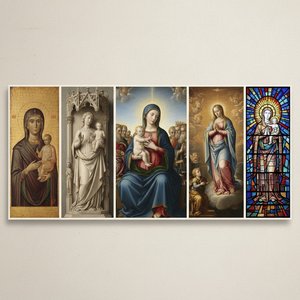
Divine Grace: A Journey Through the Most Iconic Depictions of the Virgin Mary in Art History
Embark on a profound journey through art history with our exploration of the most iconic depictions of the Virgin Mary. Discover the divine grace, symbolism, and masterful techniques found in Renaissance masterpieces and sacred iconography.
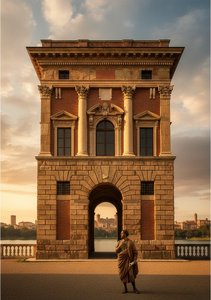
Giulio Romano: A Master of Mannerism & the Palazzo Te Legacy
Explore the revolutionary art of Giulio Romano, master of Mannerism & architect of Palazzo Te. Discover his influence, investment potential, and stunning frescoes – a guide for discerning collectors.
