

 ნახვა ინტერьерში
 გაგზავნა
 გაზიარება
 დეტალები
 გზამკვლევი

 ჩამოტვირთვა
 მსგავსები
 რენტგენოგრაფიული კვლევა
 სლაიდშოუ
 სტატისტიკა
Pieta
 High Renaissance
 1505
1505 65.0 x 90.0 cm
 სრული ტექსტის ნახვა
ხელით შესრულებული ზეთის საღებავით რეპროდუქცია
ტილოზე შესრულებული ფერწერიანი ზეთប្រდათი, თქვენთვის სასურველი ზომისა და ჩარჩოსთვის, ჩვენი ხელოვანების მიერ შეკვეთის საფუძველზე დამზადებული. ( გადართვა ბეჭდვის რეჟიმზე გადასვლა ციფრულ გამოსახულებაზე)




































აირჩიეთ ჩვენს მიერ წინასწარ განსაზღვრული ზომებიდან, რომლებიც ნაწარმოების ორიგინალურ პროპორციებს შეესაბამება.

შეიყვანეთ თქვენთვის საჭირო სიგანე და სიმაღლე, რათა ნახატი მოერგოს თქვენს ჩარჩოს ან კედელს. ვინაიდან ეს ნამუშევარი ხელით არის შესრულებული, სხვა ფორმის ზომის შემთხვევაში, მხატვარმა შესაძლოა სურათის გარშემო ოდნავ მეტი დატოვოს ან შეამციროს — არჩევანი თქვენზეა. დაწყებამდე, დასამტკიცებლად, ჩვენ გამოგიგზავნით ციფრულ მაკეტს. ამ გვერდზე ნაჩვენები სურათი არ ასახავს რეალურ შედეგს — რეალური სახე მხოლოდ მაკეტზე ჩანს.
შეკვეთის შემდეგ, OriginalUniqueArt.com გუნდი დაგიკავშირდებათ ელექტრონული ფოსტით ინსტრუქციებისთვის და გამოგიგზავნით წინასწარ ნახაზს (mockup).
მიწოდება მსოფლიო მასშტაბით -ში 3/4 კვირაში, სტანდარტული 5 კვირის ნაცვლად. (21 ოქტომბერი). ხარისხზე კომპრომისის გაკეთება არ მოხდება.

უფასო ექსპრეს მიწოდება მთელ მსოფლიოში

მაღალი ხარისხის ტილო

ტრანსპორტირების სრული დაზღვევა

საბაჟო გადასახადების დაბრუნების გარანტია

ფერების სრული შესაბამისობის გარანტია

დაბრუნების 100-დღიანი პერიოდი (მხოლოდ წარმოების დეფექტის შემთხვევაში)

100% თანხის სრული დაბრუნების გარანტია

ფასდაკლება დიდი რაოდენობით შეკვეთისას
 მინის ჩარჩოს არჩევანი ხელმისაწვდომია მხოლოდ 110 სმ-მდე ზომისთვის

Pieta
რეპროდუქციის ტექნიკა
რეპროდუქციის ზომა
-


ჯამური ღირებულება
₾ 782
Artistic Style and Influences
Giovanni Bellini's innovative use of color and composition is evident in the Pieta. The painting features a muted color palette, with deep purples, soft whites, and earthy browns that enhance the somber mood. The artist's masterful technique is also visible in the realistic rendering of the figures and the detailed landscape behind them. Bellini's style was influenced by his contemporaries, including Titian and Giorgione, as well as the works of Albrecht Dürer.Symbolism and Meaning
The Pieta is a powerful symbol of grief and mourning. The Virgin Mary's sorrow is palpable, conveyed through her downcast eyes and the gentle yet firm way she supports Jesus's lifeless body. The painting also features several symbolic elements, including a fig tree and a distant city incorporating architectural elements from Vicenza, Ravenna, and Cividale. These elements add layers of meaning and geographical context to the painting.- View more paintings by Giovanni Bellini on OriginalUniqueArt.com
- Learn more about the Museo Civico in Italy on Wikipedia
- Discover other Renaissance art masterpieces on OriginalUniqueArt.com
The Pieta is a testament to Giovanni Bellini's artistic skill and emotional depth, making it a must-see for anyone interested in Renaissance art. Visit OriginalUniqueArt.com to learn more about this painting and other works by Giovanni Bellini.
კითხვები და პასუხები
რამდენი წლის იყო ჯოვანი ბელინი, როდესაც 1505 წელს შექმნა „Pieta“?
ჯოვანი ბელინი 72 წლის იყო, როდესაც 1505 წელს შექმნა „Pieta“. ასაკი გამოთვლილია ხელოვანის დაბადების წლის, 1433, საფუძველზე.
რა არის ჯოვანი ბელინი-ის „Pieta“-ის დომინანტური ფერი?
"Pieta" უფრო მეტად Golden Yellow Range ტონს ეკვრის.
რა ქვეყანას მიეკუთვნება High Renaissance-ის ნამუშევარი „Pieta“?
"Pieta" შექმნილია ჯოვანი ბელინი-ის მიერ, რომელიც დაბადებულია იტალია-ში და მოძრავი არის High Renaissance სტილის წარმომადგენელი. ხელოვანის წარმოშობა ამ ნამუშევარს აკავშირებს High Renaissance მიმდინარეობასთან, რომელსაც იტალია-ის ხელოვანები ასრულებენ.
მხატვრის ბიოგრაფია
A Venetian Master: The Life and Legacy of Giovanni Bellini
Giovanni Bellini, a name synonymous with the blossoming Renaissance in Venice, stands as a pivotal figure bridging the gap between the traditions of Byzantine art and the innovative spirit that would define the 16th century. Born around 1430 – though some sources suggest 1433 – into a family deeply entrenched in the artistic world, Bellini’s journey was one of continuous evolution, marked by a profound sensitivity to color, light, and the burgeoning humanism of his era. The precise nature of his familial relationships has been debated; for years Jacopo Bellini was considered his father, but art historian Daniel Wallace Maze claims Giovanni's true paternal lineage involved Gentile Bellini, establishing a complex family dynamic that shaped his formative years. Regardless of these intricacies, young Giovanni grew up immersed in a workshop brimming with creativity and technical expertise, absorbing the foundations of painting from an early age. His initial training likely involved the traditional tempera techniques favored at the time, but it was his innate talent for observation and emotional expression that would set him apart.Early Influences and Artistic Development
The artistic landscape of 15th-century Venice was a unique blend of influences. The city’s position as a major trading hub exposed its artists to diverse styles and ideas, while the Byzantine heritage continued to exert a strong pull. Bellini's early works reflect this duality. Initially, his style bore the mark of his father and brother, Gentile, with compositions often characterized by meticulous detail and a somewhat restrained emotional palette. However, even in these early pieces, hints of his future brilliance began to emerge – a delicate handling of light, a growing interest in naturalistic settings, and an ability to imbue religious figures with a palpable sense of human pathos. The influence of Andrea Mantegna, his brother-in-law, is also readily apparent during this period, particularly in the clarity of line and sculptural forms. Bellini’s early commissions often involved collaborative projects, such as his contributions to the Scuola di San Marco alongside Gentile and other prominent Venetian artists. These large-scale works provided invaluable experience and allowed him to hone his skills while working alongside some of the most talented painters of the day.Revolutionizing Venetian Painting: Color, Light, and Oil
Bellini’s true revolution lay in his embrace of oil paint. While not the inventor of the technique, he was among the first Venetian artists to fully exploit its potential. Unlike tempera, which dried quickly and demanded a precise, linear approach, oil paint allowed for greater blending, richer colors, and subtle gradations of tone. This newfound freedom enabled Bellini to create paintings with an unprecedented depth and luminosity. His use of color became increasingly sophisticated, moving away from the bright, often harsh hues of earlier Venetian painting towards a more nuanced and harmonious palette. He masterfully captured the effects of light and atmosphere, imbuing his landscapes with a sense of serenity and realism that was groundbreaking for its time. This mastery of oil paint not only transformed his own work but also laid the foundation for the distinctive style that would come to define the Venetian school – a style celebrated for its sensuousness, coloristic richness, and atmospheric perspective. He achieved this remarkable feat by painstakingly layering thin glazes of pigment over an underpainting—a technique that maximized visual impact and conveyed profound emotional resonance.Mature Works and Lasting Influence
As Bellini matured, his artistic vision continued to evolve. His altarpieces, such as those created for the churches of San Zaccaria and Santa Corona, demonstrate his ability to create complex compositions filled with symbolic meaning and emotional resonance. The *Transfiguration*, now housed in the Capodimonte Museum in Naples, exemplifies his mature style – a serene spirit combined with ripened artistic powers. He also served as conservator of the paintings in Doge’s Palace, furthering solidifying his reputation as Venice's leading artist. His influence extended far beyond his own lifetime. He became a mentor to a generation of younger painters, including Giorgione and Titian, who would carry on his legacy and push the boundaries of Venetian art even further. These pupils absorbed Bellini’s techniques and aesthetic principles, adapting them to their own individual styles and contributing to the golden age of Venetian painting. Bellini's impact can be seen in the works of countless artists who followed, solidifying his place as a true master of the Renaissance. He died in Venice in 1516, leaving behind a body of work that continues to inspire awe and admiration centuries later.A Legacy Enduring Through Time
Giovanni Bellini’s significance extends beyond his technical innovations and artistic achievements. He captured the spirit of a changing world – a world grappling with new ideas about humanity, spirituality, and the relationship between art and nature. His paintings are not merely representations of religious scenes; they are profound meditations on faith, beauty, and the human condition. His ability to imbue his figures with dignity and grace, combined with his masterful use of color and light, created a visual language that resonated deeply with his contemporaries and continues to captivate audiences today. Bellini’s legacy is not simply one of artistic brilliance; it is a testament to the power of art to transcend time and connect us to the enduring values of human experience. From the serene beauty of his Madonnas to the dramatic intensity of his religious scenes, Bellini's work remains a cornerstone of Western art history.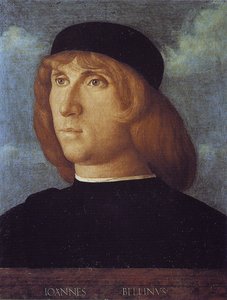
ჯოვანი ბელინი
1433 - 1516 , იტალია
მოკლე ფაქტები
- Artistic Movement Or Style: เรเนซองส์ วินเชียสกูล
- Artists Who Influenced This Artist:
- ยาโคโป เบลินี
- เจนทิล เบลินี
- แอนดรา มันเทเนกา
- Date Of Birth: ค.ศ. 1430
- Date Of Death: ค.ศ. 1516
- Full Name: Giovanni Bellini
- Nationality: อิตาลี
- Notable Artworks:
- เซนต์ยอร์แกเมในทะเล
- การเปลี่ยนรูปพระแม่มารีย์
- การขึ้นครองราชย์ของพระนางมารีย์
- Place Of Birth: เวนิส ประเทศอิตาลี

