
 წინასწარი ნახვა
 გაგზავნა
 გაზიარება
 დეტალები
 გზამკვლევი

 ჩამოტვირთვა
 მსგავსები
 რენტგენოგრაფიული კვლევა
 სლაიდშოუ
 კითხვა-პასუხი
 სტატისტიკა
Madonna with the Child

- 47.0 x 34.0 cm


 გააგრძელეთ კითხვა
გიკლე / ხელოვნების პრინტი
მუზეუმის დონის ჟიკლე ან ტილოზე ბეჭდვა სწრაფი წარმოებისა და დასრულების მოქნილი ვარიანტებით. ( შეიძინეთ ხელით შესრულებული ნახატი გადართვა ციფრულ გამოსახულებაზე)




P118B ₾10

P118H ₾10

P118W ₾10

P438Z ₾10

P508JH ₾12

P508YH ₾12

P805H ₾10

P805Z ₾10

P919BZ ₾10

P919G ₾10

P919XJ ₾10

P959ZH ₾10

P968JZ ₾12

W106C ₾8

W218G ₾10

W218JH ₾8

W218Y ₾10

W307PJ ₾10

W316G ₾10

W316PJ ₾8

W316Y ₾10

W398PJ ₾8

W4111J ₾10

W500HY ₾15

W500JH ₾15

W692G ₾12

W849H ₾8

W940BG ₾15

W953PJ ₾8




აირჩიეთ ჩვენს მიერ წინასწარ განსაზღვრული ზომებიდან, რომლებიც ნაწარმოების ორიგინალურ პროპორციებს შეესაბამება.

შეიყვანეთ თქვენთვის საჭირო სიგანე და სიმაღლე, რათა გამოსახულებამ თქვენს ჩარჩოს ან კედელს ზუსტად მოერგოს. ბეჭდვისას შესაძლებელია მხოლოდ მისი შემცირება და არა გაზრდა, ამიტომ სხვა ფორმის ზომის შემთხვევაში სურათი ნაწილობრივ იკარგება. სანამ რაიმეს დაბეჭდავთ, ჩვენ გამოგიგზავნით ციფრულ მაკეტს დასდასტურებლად. ამ გვერდზე ნაჩვენები სურათი არ ასახავს რეალურ ჭრას — ამას მხოლოდ მაკეტი გვიჩვენებს.
მიწოდება მთელ მსოფლიოში () 2 კვირაში, სტანდარტული 4/5 კვირის ნაცვლად. (9 ნოემბერი)

უფასო ექსპრეს მიწოდება მთელ მსოფლიოში

მაღალი ხარისხის ტილოს ქსოვილი

ტრანსპორტირების სრული დაზღვევა

საბაჟო გადასახადების დაბრუნების გარანტია

ფერების სრული შესაბამისობის გარანტია

დაბრუნების 100-დღიანი პოლიტიკა (მხოლოდ დეფექტის შემთხვევაში)

100% თანხის სრული დაბრუნების გარანტია

ფასდაკლება დიდი რაოდენობით შეკვეთისას
 მინის ჩარჩოს არჩევანი შესაძლებელია მხოლოდ 110 სმ-მდე ზომისთვის

Madonna with the Child
გიკლე / ხელოვნების პრინტი
რეპროდუქციის ზომა
-


საბოლოო ღირებულება
₾ 211
A Serene Vision: Giovanni Bellini’s Madonna with the Child
Giovanni Bellini's "Madonna with the Child," painted around 1460 and now residing in Bergamo, Italy, is more than just a depiction of the Virgin Mary and her infant son; it’s a profound meditation on faith, motherhood, and the burgeoning humanist spirit of Renaissance Venice. This painting isn’t merely a portrait; it's an invitation into a world of quiet reverence, meticulously crafted with Bellini’s signature mastery of color, light, and emotional resonance.
The composition itself is remarkably balanced, drawing the eye to Mary’s serene face – a study in gentle composure. Her pose, seated on a simple ledge, exudes an almost otherworldly tranquility. The infant Jesus, nestled securely within her arms, gazes upwards with an innocent curiosity that immediately connects with the viewer. Bellini skillfully avoids overt theatricality, opting instead for a naturalism that feels both timeless and deeply personal. Two figures are subtly integrated into the background – one standing behind Mary, offering a sense of watchful guardianship, and another positioned to the right, suggesting a broader context of devotion.
The Language of Color and Technique
Bellini’s choice of tempera as his medium is crucial to understanding the painting's luminous quality. Tempera allows for incredibly rich, vibrant colors that build gradually upon each other, creating an astonishing depth and luminosity rarely achieved with oil paints at this early stage in their development. Notice how he employs a delicate layering technique, building up tones and textures with painstaking precision. The blues of Mary’s veil and the subtle ochre hues of her garments aren't simply colors; they are carefully calibrated to evoke feelings of piety and grace.
The artist’s attention to detail is breathtaking. Observe the delicate folds of the drapery, rendered with a remarkable sense of volume and texture. The smooth, almost porcelain-like quality of Mary’s skin, contrasted against the softer contours of the infant Jesus, speaks volumes about Bellini's understanding of human anatomy and his ability to capture subtle nuances of expression. The use of light is particularly masterful – it seems to emanate from within the figures themselves, bathing the scene in a warm, diffused glow that reinforces the painting’s atmosphere of serenity.
A Window into Renaissance Venice
To fully appreciate "Madonna with the Child," one must consider its historical context. The painting emerged during a period of immense artistic and cultural ferment in Venice – a city at the heart of the burgeoning Renaissance. Bellini, along with his brother Gentile and other Venetian masters, was pushing the boundaries of traditional art, incorporating elements from Byzantine iconography while simultaneously embracing the new humanist ideals that were sweeping across Europe.
The painting’s setting—a simple ledge reminiscent of a devotional panel—reflects this shift. It moves away from the grand, imposing altarpieces of the Middle Ages and towards a more intimate, personal style of religious art. The inclusion of the book at the bottom left corner subtly references the importance of knowledge and wisdom within the Christian faith, adding another layer of symbolic meaning to the composition.
Symbolism and Emotional Resonance
Beyond its technical brilliance, "Madonna with the Child" is rich in symbolism. Mary’s crown, a subtle yet powerful emblem of her divine status, is balanced by her humble posture – a testament to her role as the Mother of God. The infant Jesus' gesture, reaching towards his mother, embodies the profound bond between them and serves as a poignant reminder of their shared humanity.
The painting’s enduring appeal lies in its ability to evoke a sense of quiet contemplation and spiritual connection. It is not merely a representation of a biblical scene; it's an invitation to step into a world of faith, love, and grace – a timeless masterpiece that continues to resonate with viewers centuries after its creation. Reproductions of this work offer a beautiful way to bring this serene vision into any space, fostering a sense of peace and reverence.
კითხვები და პასუხები
რამდენად მკვეთრია „Madonna with the Child“-ის ფერები?
ნამუშევრის "Madonna with the Child" ფერების სირთულე შეადგენს Balanced Soft-ს, ხოლო ინტენსივობა — Balanced-ს.
რა ფერల პალიტრაა გამოყენებული ჯოვანი ბელინი-ის „Madonna with the Child“-ში?
ჯოვანი ბელინი-ის „Madonna with the Child“-ის პალიტრა აღწერილია, როგორც Earthy. ეს არის ნამუშევრის ფერების კომპაქტური აღწერა.
როგორ უკავშირდება „Madonna with the Child“-ის სტილი მისი შემოქმედის ეპოქას?
ჯოვანი ბელინი-ის „Madonna with the Child“-ში Renaissance სტილით შეხვედრა ხდება რენესანსი ეპოქასთან.
მხატვრის ბიოგრაფია
A Venetian Master: The Life and Legacy of Giovanni Bellini
Giovanni Bellini, a name synonymous with the blossoming Renaissance in Venice, stands as a pivotal figure bridging the gap between the traditions of Byzantine art and the innovative spirit that would define the 16th century. Born around 1430 – though some sources suggest 1433 – into a family deeply entrenched in the artistic world, Bellini’s journey was one of continuous evolution, marked by a profound sensitivity to color, light, and the burgeoning humanism of his era. The precise nature of his familial relationships has been debated; for years Jacopo Bellini was considered his father, but art historian Daniel Wallace Maze claims Giovanni's true paternal lineage involved Gentile Bellini, establishing a complex family dynamic that shaped his formative years. Regardless of these intricacies, young Giovanni grew up immersed in a workshop brimming with creativity and technical expertise, absorbing the foundations of painting from an early age. His initial training likely involved the traditional tempera techniques favored at the time, but it was his innate talent for observation and emotional expression that would set him apart.Early Influences and Artistic Development
The artistic landscape of 15th-century Venice was a unique blend of influences. The city’s position as a major trading hub exposed its artists to diverse styles and ideas, while the Byzantine heritage continued to exert a strong pull. Bellini's early works reflect this duality. Initially, his style bore the mark of his father and brother, Gentile, with compositions often characterized by meticulous detail and a somewhat restrained emotional palette. However, even in these early pieces, hints of his future brilliance began to emerge – a delicate handling of light, a growing interest in naturalistic settings, and an ability to imbue religious figures with a palpable sense of human pathos. The influence of Andrea Mantegna, his brother-in-law, is also readily apparent during this period, particularly in the clarity of line and sculptural forms. Bellini’s early commissions often involved collaborative projects, such as his contributions to the Scuola di San Marco alongside Gentile and other prominent Venetian artists. These large-scale works provided invaluable experience and allowed him to hone his skills while working alongside some of the most talented painters of the day.Revolutionizing Venetian Painting: Color, Light, and Oil
Bellini’s true revolution lay in his embrace of oil paint. While not the inventor of the technique, he was among the first Venetian artists to fully exploit its potential. Unlike tempera, which dried quickly and demanded a precise, linear approach, oil paint allowed for greater blending, richer colors, and subtle gradations of tone. This newfound freedom enabled Bellini to create paintings with an unprecedented depth and luminosity. His use of color became increasingly sophisticated, moving away from the bright, often harsh hues of earlier Venetian painting towards a more nuanced and harmonious palette. He masterfully captured the effects of light and atmosphere, imbuing his landscapes with a sense of serenity and realism that was groundbreaking for its time. This mastery of oil paint not only transformed his own work but also laid the foundation for the distinctive style that would come to define the Venetian school – a style celebrated for its sensuousness, coloristic richness, and atmospheric perspective. He achieved this remarkable feat by painstakingly layering thin glazes of pigment over an underpainting—a technique that maximized visual impact and conveyed profound emotional resonance.Mature Works and Lasting Influence
As Bellini matured, his artistic vision continued to evolve. His altarpieces, such as those created for the churches of San Zaccaria and Santa Corona, demonstrate his ability to create complex compositions filled with symbolic meaning and emotional resonance. The *Transfiguration*, now housed in the Capodimonte Museum in Naples, exemplifies his mature style – a serene spirit combined with ripened artistic powers. He also served as conservator of the paintings in Doge’s Palace, furthering solidifying his reputation as Venice's leading artist. His influence extended far beyond his own lifetime. He became a mentor to a generation of younger painters, including Giorgione and Titian, who would carry on his legacy and push the boundaries of Venetian art even further. These pupils absorbed Bellini’s techniques and aesthetic principles, adapting them to their own individual styles and contributing to the golden age of Venetian painting. Bellini's impact can be seen in the works of countless artists who followed, solidifying his place as a true master of the Renaissance. He died in Venice in 1516, leaving behind a body of work that continues to inspire awe and admiration centuries later.A Legacy Enduring Through Time
Giovanni Bellini’s significance extends beyond his technical innovations and artistic achievements. He captured the spirit of a changing world – a world grappling with new ideas about humanity, spirituality, and the relationship between art and nature. His paintings are not merely representations of religious scenes; they are profound meditations on faith, beauty, and the human condition. His ability to imbue his figures with dignity and grace, combined with his masterful use of color and light, created a visual language that resonated deeply with his contemporaries and continues to captivate audiences today. Bellini’s legacy is not simply one of artistic brilliance; it is a testament to the power of art to transcend time and connect us to the enduring values of human experience. From the serene beauty of his Madonnas to the dramatic intensity of his religious scenes, Bellini's work remains a cornerstone of Western art history.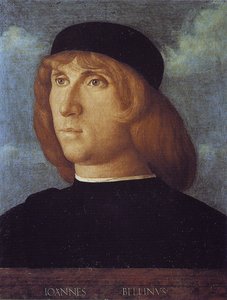
ჯოვანი ბელინი
1433 - 1516 , იტალია
მოკლე ინფორმაცია
- Artistic Movement Or Style: เรเนซองส์ วินเชียสกูล
- Artists Who Influenced This Artist:
- ยาโคโป เบลินี
- เจนทิล เบลินี
- แอนดรา มันเทเนกา
- Date Of Birth: ค.ศ. 1430
- Date Of Death: ค.ศ. 1516
- Full Name: Giovanni Bellini
- Nationality: อิตาลี
- Notable Artworks:
- เซนต์ยอร์แกเมในทะเล
- การเปลี่ยนรูปพระแม่มารีย์
- การขึ้นครองราชย์ของพระนางมารีย์
- Place Of Birth: เวนิส ประเทศอิตาลี
დაკავშირებული სტატიები

Giovanni Giacometti: Sculpting Existentialism – A Study of Form, Space, and the Human Condition
Explore the profound artistic journey of Giovanni Giacometti, father to Alberto. Discover his unique transition from Surrealism to Existentialist sculpture and painting – a compelling study for elite collectors and art enthusiasts.
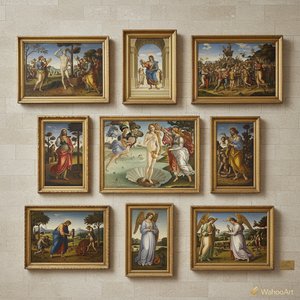
ადრეული რენესანსის 10 შედევრი, რომელმაც განსაზღვრა ხელოვნების განვითარება
აღმოფრთოვანდით ადრეული რენესანსის 10 უმშვენიერეს შედევრს! გავიგეთ დავიდის, ბოტეტიელის, მანტეინის და სხვა დიდებულების ისტორია. იხილეთ ფერწერა, არქიტექტურა და ხელოვნების განვითარება OriginalUniqueArt-ზე. შეიძინეთ მაღალი ხარისბის რეპლიკები და შეცვალეთ თქვენი სახლი!

Giovanni Fattori: Realism, Identity & the Tuscan Landscape – A Macchiaioli Master
Explore the life & art of Giovanni Fattori, a leading figure of the Macchiaioli movement. Discover his revolutionary realism, captivating Tuscan landscapes, and lasting impact on Italian painting. Learn more at OriginalUniqueArt.
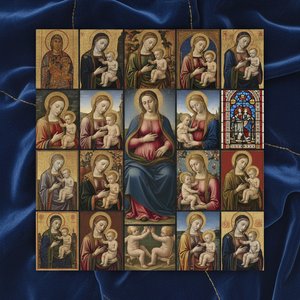
Divine Love: A Curated Guide to the Most Iconic Madonna and Child Masterpieces in Art History
Embark on a sophisticated journey through art history with our curated guide to the most iconic Madonna and Child masterpieces. Discover the profound beauty, theological depth, and enduring legacy of these sacred Renaissance treasures.

რაฟาელის 25 შედევრი: ხელოვნების ისტორია თქვენს სახლში | OriginalUniqueArt.com
აღმოაჩინეთ რაฟาელის 25 უნიკალური შედევრი! რენესანსული ფერწერა, პორტრეტები და იტალიური ხელოვნების ისტორია. შეიძინეთ მუზეუმის ხარისხის ტილოები OriginalUniqueArt.com-ზე და შექმნით განსაცვიფრებელი ინტერიერი.

