

 წინასწარი ნახვა
 გაგზავნა
 გაზიარება
 დეტალები
 Guide
Guide

 ჩამოტვირთვა
 მსგავსები
 რენტგენოგრაფიული კვლევა
 სლაიდშოუ
 სტატისტიკა
Camera obscura


 გადასართად დაწვრილებით ნახეთ
გიკლე / ხელოვნების პრინტი
მუზეუმის დონის ჟიკლე ან ტილოზე ბეჭდვა სწრაფი წარმოებისა და დასრულების მოქნილი ვარიანტებით. ( შეიძინეთ ხელით შესრულებული ნახატი გადასვლა ციფრულ გამოსახულებაზე)




P118B $10

P118H $10

P118W $10

P438Z $10

P508JH $12

P508YH $12

P805H $10

P805Z $10

P919BZ $10

P919G $10

P919XJ $10

P959ZH $10

P968JZ $12

W106C $8

W218G $10

W218JH $8

W218Y $10

W307PJ $10

W316G $10

W316PJ $8

W316Y $10

W398PJ $8

W4111J $10

W500HY $15

W500JH $15

W692G $12

W849H $8

W940BG $15

W953PJ $8




აირჩიეთ ჩვენს მიერ წინასწარ განსაზღვრული ზომებიდან, რომლებიც ნაწარმოების ორიგინალურ პროპორციებს შეესაბამება.

თქვენ შეგიძლიათ მიუთითოთ საკუთარი ზომები კონკრეტული ჩარჩოსთვის ან სივრცისთვის მოსარგებლებლად. თუ თქვენ მიერ არჩეული ზომა არ შეესაბამება ორიგინალი გამოსახულების პროპორციებს, ჩვენ ან დავჭრით ნამუშევარს, ან გავაფართოვებთ გამოსახულებას სარკული ან ერთფეროვანი კიდეებით. წარმოების დაწყებამდე თქვენს დასამტკიცებლად გამოგეგზავნებათ ციფრული მაკეტი.
გთხოვთ, გაითვალისწინოთ, რომ ეკრანზე ნაჩვენები წინასწარი ნახვა არ ასახავს რეალურ ჭრას ან გაფართოებას. მხოლოდ მაკეტზე იქნება ზუსტად წარმოდგენილი საბოლოო კომპოზიცია.
მიუხედავად იმისა, რომ ინდივიდუალური ზომები ხელმისაწვდომია, ორიგინალური პროპორციების შესანარჩუნებლად გირჩევთ, აირჩიოთ ზომა წინასწარ განსაზღვრული სიისგან.
მიწოდება მთელ მსოფლიოში () 2 კვირაში, სტანდარტული 4/5 კვირის ნაცვლად. (20 სექტემბერი)

უფასო ექსპრეს მიწოდება მთელ მსოფლიოში

საბამად მაღალი ხარისხის ტილო

სრული ტრანსპორტირების დაზღვევა

საბაჟო გადასახადების დაბრუნების გარანტია

ფერების სრული შესაბამისობის გარანტია

დაბრუნების 100-დღიანი პოლიტიკა (მხოლოდ დეფექტის შემთხვევაში)

100% თანხის დაბრუნების გარანტია

ფასდაკლება დიდი რაოდენობით შეკვეთისას
 მინის ჩარჩოს არჩევანი ხელმისაწვდომია მხოლოდ 110 სმ-ზე ნაკლები ზომისთვის

Camera obscura
გიკლე / ხელოვნების პრინტი
რეკლამაციის ზომა
-


საბოლოო ფასი
$ 80
A Sculptural Echo of Light and Vision
Canaletto’s “Camera Obscura,” a meticulously crafted wooden device dating back to around 1700, isn't merely a reproduction; it’s a tangible embodiment of the revolutionary vision that shaped his artistic practice. This intimate sculpture, presented against a stark black backdrop, immediately draws the eye, inviting us into a world where light and shadow dance in harmonious collaboration. The piece speaks volumes about Canaletto’s innovative approach to capturing reality – an approach deeply rooted in observation and a fascination with the mechanics of vision itself. The geometric precision of the boxy structure, constructed from carefully joined wooden panels, suggests both the artist's meticulousness and a profound understanding of spatial relationships. It’s not simply a representation of a camera obscura; it *is* the camera obscura, distilled into its essential form.
- Material & Construction: The use of wood – likely stained or varnished to preserve its beauty – speaks to Canaletto's appreciation for tactile quality and enduring craftsmanship. The intricate joinery hints at a deliberate process, reflecting the artist’s careful attention to detail.
- Form & Composition: The vertical orientation emphasizes the height and solidity of the device, creating a sense of direct engagement with the viewer. Lines dominate – sharp, clean lines defining the boxy structure, contrasting with the subtle texture of the wood grain.
- Symbolic Weight: The camera obscura itself represents a pivotal moment in art history—a precursor to photography and a testament to Canaletto’s pioneering spirit. It embodies the pursuit of accurate representation, challenging traditional methods and opening new avenues for artistic expression.
Unlocking the Secrets of Early Photography
Canaletto's fascination with the camera obscura wasn't simply an aesthetic curiosity; it was a deeply practical investigation into how light and shadow create images. The inscription on the device – “A Camera Obscura” – provides a crucial clue, revealing that this object belonged to the Venetian master himself. This discovery dramatically shifts our understanding of Canaletto’s process: he didn't just paint what he saw; he actively *observed* how light transformed his surroundings into visual forms. Research suggests that Canaletto utilized the camera obscura as a tool for sketching, meticulously documenting architectural details and urban landscapes with unprecedented accuracy. The device allowed him to capture perspective and spatial relationships with remarkable precision – a skill that profoundly influenced his later paintings.
Historical Context:The invention of the camera obscura in the 16th century marked a watershed moment in art history. Initially used as a scientific instrument for astronomical observation, it quickly gained popularity among artists seeking to improve their draftsmanship and understand perspective. Canaletto’s embrace of this technology demonstrates his commitment to innovation and his desire to push the boundaries of artistic representation.
A Window into Venice: The Artist's Process
The “Camera Obscura” offers a rare glimpse into Canaletto’s working methods. It’s believed that he used this device not just for sketching, but also as a means of studying light and shadow—analyzing how they interacted with buildings and streets to create the illusion of depth and volume. The resulting drawings were then translated into his celebrated paintings, imbuing them with an extraordinary sense of realism and atmospheric detail. The meticulousness evident in the camera obscura’s construction mirrors the painstaking care Canaletto invested in every brushstroke of his finished works. It's a testament to his dedication to capturing not just appearances, but also the very essence of Venice.
Recreating a Masterpiece: A Reproduction for Today
Reproducing Canaletto’s “Camera Obscura” is more than simply creating a copy; it’s about preserving a vital piece of art history and celebrating the ingenuity of one of Venice's greatest artists. The resulting reproduction captures not only the physical form of the device but also its symbolic significance—a reminder of the enduring power of observation, innovation, and the pursuit of accurate representation. This meticulously crafted replica serves as a tangible link to the 18th century, inviting viewers to contemplate the origins of photography and appreciate Canaletto’s pioneering legacy.
მხატვრის ბიოგრაფია
ადრეული ცხოვრება და განათლება
ჯოვანი ანტონიო კანალი, უფრო მეცნობილი როგორც კანალეტო, დაიბადა 1797 წლის 18 ოქტომბერს ვენეციაში. იგი იყო ბერნარდო კანალის ვაჟი, თეატრალური სცენების მხატვარი, და არტემიზია ბარბიერის შვილი. კანალეტოს ადრეული სამხატვრო მომზადება მამამისმა დაიწყო, რომელმაც მას ხელოვნების საფუძველი ასწავლა. ვენეციაში გაზრდილმა კანალეტომ ადრევე გამოავლინა განსაკუთრებული ნიჭი ხატვის მიმართ და სწორედ ამიტომ გადაწყვიტა პროფესიონალურ მხატვარდ გახდომა.
რომის პერიოდი და ჩამოყალიბება
1718 წელს კანალეტო გაემგზავრა რომში, სადაც მუშაობდა ორი ოპერისთვის ალესანდრო სკარლატის მიერ შექმნილი დეკორაციების წარმოებაში. ამ გამოცდილებამ მნიშვნელოვანი გავლენა მოახდინა მის განვითარებაზე მხატვრად. რომში ყოფნის დროს მან გაიარა მნიშვნელოვანი სწავლება და ჩამოაყალიბა საკუთარი სტილი. დაბრუნებულს ვენეციაში, კანალეტომ დაიწყო ხატვა თავისი გამორჩეული ტოპოგრაფიული სტილის მიხედვით, რომელიც საბოლოოდ გახადა ცნობილი.
მნიშვნელოვანი ნამუშევრები და თანამშრომლობა
კანალეტოს ყველაზე მნიშვნელოვან ნამუშევრებს შორის არის: ქვის მუშების ეზო (დაახლოებით 1725 წელი), რომელიც გამოარჩევს მის ადრეულ უნარს. ასევე, განსაკუთრებული ყურადღება ღირს რეგატა გრანდ-კანალზე, ვენეციური საზოგადოებრივი ცერემონიების მკვეთრი აღწერა და იტონის კოლეჯი (1746-1756 წლები), რომელიც მისი გავლენის მტკიცებულებაა ინგლისში. კანალეტოს მნიშვნელოვანი თანამშრომლობა ჰქონდა მის ძმისწულთან, ბელოტოსთან, რომელმაც თავად გახდა გამოჩენილი მხატვარი.
ხუროთმოძღვრული სტილი და ტექნიკა
კანალეტოს მიერ გამოყენებული ზუსტი პერსპექტივა და დეტალური მომზადებითი ნახატები, ზოგიერთ ექსპერტს აჯერებს, რომ მან შესაძლოა გამოიყენა კამერა-ობსკურა ტოპოგრაფიული სიზუსტის მისაღწევად. თუმცა, მისი მთავარი ყურადღება კომპოზიციურ დიზაინზე რჩებოდა, რაც უზრუნველყოფდა, რომ მისი ნამუშევრები მხოლოდ ზუსტი ჩანაწერები არ ყოფილიყო, არამედ ვიზუალურად განსაცვიფრებელიც.
მემკვიდრეობა და კოლექციები
კანალეტოს ნამუშევრებს მრავალ სხვადასხვა მუზეუმში შეადგენს, მათ შორის ლონდონის ეროვნულ გალერეაში, რომელიც წარმოაჩენს მის გავლენას XVIII საუკუნის ხელოვნებაზე. მისი მემკვიდრეობა ვრცელდება მრავალ მხატვარზე, რომელსაც მან შთააგონა, რაც განამტკიცებს მის ადგილს ვენეციური პეიზაჟების ოსტატად.
- შეიხედეთ კანალეტოს ნამუშევრებს https://OriginalUniqueArt.com/@/giovanni-antonio-canal
- გაიგეთ მეტი კანალეტოს შესახებ ვიკიპედიაში
- აღმოაჩინეთ ვენეციური ხელოვნების სილამაზე პალუმბო-ფოსატი კოლექციაში (ვენეცია, იტალია)
გახსოვდეთ ხელოვნების სამყაროში შესასვლელად https://OriginalUniqueArt.com
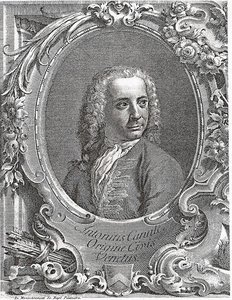
კანალეტო
1697 - 1768 , იტალია
მოკლე ინფორმაცია
- Artistic Movement Or Style: ვენეციური ვედუტა
- Artists Or Movements Influenced By This Artist: ['ტინტორიტო']
- Artists Who Influenced This Artist: ['ჯოვანი პაოლო პანინი']
- Date Of Birth: 18 ოქტომბერი 1697
- Date Of Death: 19 აპრილი 1768
- Full Name: ჯოვანი ანტონიო კანალეტო
- Nationality: იტალიელი
- Notable Artworks (List Of Titles):
- ქვის მუშების ეზო
- რეგატა გრანდ-კანალზე
- ეტონის კოლეჯი
- Place Of Birth (City And Country): ვენეცია, იტალია
დაკავშირებული სტატიები

ჯონ კონსტებლის 25 საუკეთესო შედევრი | ხელოვნების რეკრეაციები OriginalUniqueArt-ზე
გაიცანით ჯონ კონსტებლის 25 საუკეთესო შედევრი! ინგლისური პეიზაჟების ისტორია, XIX საუკუნის ხელოვნება და OriginalUniqueArt-ზე ხელოვნების უნიკალური კოლექცია. შეიძინეთ ხარისხიანი რეკრეაციები სახლის დეკორაციისთვის. აღმოაჩინეთ სრულყოფილი შეფერილი ტილოები OriginalUniqueArt.com-ზე!

Evocations of Place: A Historical Journey Through Landscape Art
Explore the rich history of landscape art with OriginalUniqueArt. Discover renowned artists, movements like Impressionism & Romanticism, and expert guidance for collecting timeless pieces. Find your perfect serene escape today!

Giovanni Antonio Canal (Canaletto): A Venetian Master of Light, Space & Societal Observation
Explore the life & art of Giovanni Antonio Canal (Canaletto), a Venetian master renowned for his breathtaking cityscapes. Discover his techniques, legacy, and captivating depictions of 18th-century Venice & London.

Michelangelo Morlaiter: Venetian Landscapes & the Pursuit of Atmospheric Realism
Explore the captivating landscapes of Michelangelo Morlaiter, a key figure in 18th-century Venetian painting. Discover his mastery of atmospheric perspective and lasting influence on Italian art history. Learn more at OriginalUniqueArt.

როμανტიზმის ეპოქის ტენდერება: საუკეთესო 10 შედევრი, რომელმაც განსაზღვრა ლანშაფტური მხატვრობა
აღმოფრთოვანდით რომანტიზმის ეპოქის 10 საუკეთესო ლანშაფტური შედევრით! ტერნერი, კორტო და სხვა მხატვრების ნაწარმოებები. იხილეთ მათი ისტორია და აღმოგეყვინებათ ხელოვნების márgali. შეიძინეთ მაღალი ხარისბის რესტავრაციული ასლები OriginalUniqueArt.com-ზე!


