პროტორენესანსი · 1320
ჯვარცმა (ჯოტო დი ბონდონე, 1320)
ჯოტო დი ბონდონე (1267–1337)-მა შექმნა ჯვარცმა. ის შექმნილ არის 1320 წელს. ის პროტორენესანსი მიძღვნილ სტილს მიეკუთვნება. შესრულებულია ტემპერა პანელზე-ით. ნახატი დაცულია ალტერ პინაკოთეკა-ში, მუნხენი, გერმანია-ში. ზომა არის 43 × 45 cm.
- 1320
- ტემპერა პანელზე
- 43 × 45 cm
- ალტერ პინაკოთეკა, მუნხენი

 წინასწარი ნახვა

 ხელით შესრულებული ზეთប្រეწერი
 გაგზავნა
 გაზიარება
 სპეცფიკაცია


 ჩამოტვირთვა
 მსგავსები
 რენტგენოგრაფიული კვლევა
 სლაიდშოუ
 კითხვა-პასუხი

 სტატისტიკა
ჯვარცმა, მოკლედ
- სათაური
- ჯვარცმა
- ავტორი
- ჯოტო დი ბონდონე (1267–1337)
- ხატვის წელი და ადგილი
- ფლორენცია, იტალია
- თარიღი
- 1320
- ტექნიკა
- ტემპერა პანელზე
- ზომები
- 43 × 45 cm
- სად ნახვა შეგიძლიათ
- ალტერ პინაკოთეკა, მუნხენი, გერმანია
- მოძრაობა
- პროტორენესანსი
- ეპოქა
- რენესანსი
- სუბიექტი
- რელიგიური იკონოგრაფია, ჯვარცმის სცენა, შუა ages ხელოვნება, ჯოტო დი ბონდონე, ბიზანტიური გავლენა, ემოციური სიღრმე
რა არის გამოსახული ჯვარცმა-ში?
A Masterpiece of Human Emotion
In the quiet halls of the Alte Pinakothek in Munich, there exists a window into the very dawn of humanism. Giotto di Bondone’s Crucifix, painted around 1320, is far more than a religious icon; it is a profound psychological breakthrough that forever altered the trajectory of Western art. At a time when the Byzantine tradition favored stiff, golden, and otherworldly figures, Giotto dared to introduce the weight of human sorrow. Through his masterful use of tempera on wood, he breathed life into the divine, transforming a theological event into a visceral, shared experience of grief and grace.
The painting captures the moment of Christ’s sacrifice with an intimacy that feels startlingly modern. As Jesus hangs upon the cross, his arms outstretched in a gesture of both agony and acceptance, the viewer is not merely observing a distant deity but witnessing a man enduring the ultimate human struggle. Giotto’s revolutionary approach lies in his ability to marry the sacred with the tangible. The subtle anatomical precision and the heavy, realistic folds of the drapery create a sense of physical presence, making the scene feel as though it could occupy the same three-dimensional space as the observer.
The Symphony of Sorrow and Symbolism
Beyond the central figure, the composition unfolds into a poignant tableau of devotion. Giotto populates the scene with a multitude of figures—including Mary Magdalene and Nicodemus—each rendered with a unique emotional signature. Some kneel in silent prayer, while others are gripped by an inconsolable mourning that ripples through the group. This careful arrangement of characters serves a dual purpose: it guides the viewer’s eye toward the central light of Christ while reinforcing the painting's central theme—the universal human response to divine suffering.
The use of perspective, though in its nascent stages, provides a sense of depth that was unprecedented for the early 14th century. By subtly layering the figures and utilizing the naturalistic contours of the bodies, Giotto creates a stage where light and shadow play upon the textures of skin and cloth. This technique does not merely decorate the surface; it builds an atmosphere of somber reflection. For the collector or the lover of fine art, this piece represents the perfect intersection of technical innovation and spiritual depth, offering a narrative that remains as powerful today as it was six centuries ago.
An Eternal Legacy for the Discerning Collector
For those looking to bring a sense of historical gravity and contemplative beauty into a curated space, a reproduction of this Crucifix offers an unparalleled opportunity. Whether placed in a grand library, a quiet study, or as a focal point in a sophisticated living area, the painting commands attention through its quiet intensity rather than through loud ornamentation. It is a piece that invites long periods of looking, rewarding the viewer with new layers of emotional insight upon every encounter.
Integrating such a masterpiece into an interior design scheme allows for a dialogue between the past and the present. The somber tones and the profound weight of Giotto’s vision provide a grounding element to modern aesthetics, adding a layer of intellectual and spiritual richness to any collection. To possess a high-quality reproduction of this work is to hold a fragment of the Renaissance spirit—a testament to the moment when art first learned to speak the language of the human heart.
რომელ მუზეუმში ინახება ჯვარცმა?
ალტერ პინაკოთეკა
მუნხენი, გერმანია
რენესანსის სინათლის სავანე: ალტერ პინაკოთეკის ძიებაში მუნხენის კუნსარეალში – ხელოვნების მემკვიდრეობით სავსე ცოცხალ გულში – განლაგებულია ალტერ პინავიოთეკა, რომელიც უფრო მეტია, ვიდრე უბრალოდ მუზეუმი; ეს არის საგულდაგულოდ შექმნილი მოგზაურობა ევროპული ფერწერის სულში. 1836 წელს მეფე ლუდვიგ I-ის მიერ დაარსებული ეს არქიტექტურული საოცრება არ იყო ჩანაფიქრებული, როგორც მხოლოდ შედევრების სათავსო, არამედ როგორც ნათლად გააზრებული საპასუხო რეაქცია გოთიკური რევალივაციის სტილზე, რაც ნეოკლასიციზმის დიდებულებისა და ინტელექტუალური სიცხადის დემონსტრირება იყო. ალტერ პინაკოთეკა რენესანსისა და ბაროკოს ეპოქების გამორჩეულ მონუმენტად დგას, რაც სტუმრებს იწვევს სამყაროში, სადაც სინათლე, ფერი და ადამიანური ემოცია სუნთქავ ჰარმონიაში ერთიანდება.
 ალბრეხტ ალtdორferi
, რომელიც დაიბადა დაახლოებით 1480 წელს რეგენსბურგში, გერმანიაში, არის მნიშვნელოვანი ფიგურა, რომელიც აკავშირებს თხუთხუთასა და განვითარებად გერმანულ რენესანსს. ის არ იყო მხოლოდ თავისი დროის მხატვარი; მან აქტიურად შეცვალალბრეხტ ალტდორფერი, 1529
 ბაღბათის მადამალეონარდო და ვინჩი, 1478
 დაწყევლილთა დაცემაპეტერ პაულ რუბენსი, 1620
ჯვარცმა-ის მაღალი გარ Auflხ resolución-ის გამოსახულებები
საჯარო საკუთრება: მხატვარი გარდაიცვალა 1337 წელს.
ჯოტო დი ბონდონე, ჯვარცმა (1320), ალტერ პინაკოთეკა. საჯარო საკუთრება
კითხვები ჯვარცმა-ზე, პასუხები
სად შემიძლია ვნახო ჯოტო დი ბონდონე-ის „ჯვარცმა“ ორიგინალი?
ორიგინალი „ჯვარცმა“ შეგიძლიათ ნახოთ ალტერ პინაკოთეკა, მუნხენი, გერმანია-ში.
რა წელში შეიქმნა "ჯვარცმა"?
ჯოტო დი ბონდონე-ის „ჯვარცმა“-ის შექმნის თარიღია 1320.
რა ტექნიკით არის შექმნილი "ჯვარცმა"?
"ჯვარცმა" შესრულებულია ტემპერა პანელზე-ით.
რა არის ორიგინალი ჯოტო დი ბონდონე-ის „ჯვარცმა“-ის ზომები?
ორიგინალის ზომა „ჯვარცმა“-ისთვის არის 45 x 43 cm. ორიგინალის ზომები სასარგებლო ინფორმაციაა რეპროდუქციის ზომის შერჩევისას.
რა თემებია გამოსახული ნამუშევარში ჯოტო დი ბონდონე-ის „ჯვარცმა“?
ჯოტო დი ბონდონე-ის „ჯვარცმა“-ზე გამოსახულია: რელიგიური იკონოგრაფია, ჯვარცმის სცენა, შუა ages ხელოვნება, ჯოტო დი ბონდონე, ბიზანტიური გავლენა, ემოციური სიღრმე, რენესანსის ფერწერა.
არის თუ არა ჯოტო დი ბონდონე-ის „ჯვარცმა“ საჯარო დომენში?
ავტორული უფლებების სტატუსი ნამუშევრისთვის ჯოტო დი ბონდონე-ის „ჯვარცმა“: ნამუშევარი არის საჯარო საკუთრებაშია — საავტორო უფლებები ამოწდა. ეს განსაზღვრავს, შესაძლებელია თუ არა გამოსახულების რეპროდუქციის თავისუფლად წარმოება.
ვინ შექმნა "ჯვარცმა"?
ნამუშევრის „ჯვარცმა“ ავტორი არის ჯოტო დი ბონდონე. ნამუშევარი დატრიალებულია ჯოტო დი ბონდონე-ის სახელით.
რომელ სტილს მიეკუთვნება "ჯვარცმა"?
ჯოტო დი ბონდონე-ის „ჯვარცმა“-თან დაკავშირებული ხელოვნების მიმდინარეობა არის პროტორენესანსი. ეს კლასიფიკაცია ნამუშევარს მსგავს ხელოვანთა და ქსნეულობათა წრეში ათავსებს.
ჯოტო დი ბონდონე-ის შემოქმედებითი განვითარების რომელ ეტაპს წარმოადგენს „ჯვარცმა“?
"ჯვარცმა" ჯოტო დი ბონდონე-ის შემოქმედებითი კარიერის პროტო-რენესანსი პერიოდს განეკუთვნება. ეს კლასიფიკაცია ნამუშევარს ხელოვანის შემოქმედებითი განვითარების ეტაპთან აკავშირებს.
ხელပاتარში: ჯოტო დი ბონდონე

1267–1337, იტალია
ჯოტო დი ბონდონე
The Life and Origins of Giotto di Bondone Giotto di Bondone emerged from the rolling hills near Florence, Italy, around 1267. He was a painter and architect who spent his life working through the transition from the medieval period toward the Renaissance. While his full name carries the weight of his lineage, he was often known simply as Giotto. His presence in the Florentine landscape was marked by a shift in how figures occupied space, moving away from the flat, gold-backed icons of the Byzantine tradition toward a more tangible sense of weight and human presence.
ჯოტო დი ბონდონე-ის შესახებ ჯოტო დი ბონდონე-ის გამორჩეული ნამუშევრები
ასევე ჯოტო დი ბონდონე-ის მიერ
 მადონა მაესტაში (ოგნსანტოსი მადონა)1310
 آخر التحكيم (تفاصيل 3) (كابيللا سكروفيغني (تكتمة أرينا)، بادوا)1305
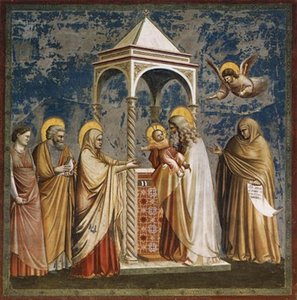 ნომერი 19 ქრისტეს ცხოვრების სცენები: 3. ქრისტეს წარდგენა ტაძარში1304
 ნომერი 31 ქრისტეს ცხოვრების სცენები: 15. ქრისტეს დაკავება (იუდას კოცნა)1304
ესეები ჯვარცმა-ის შესახებ
 From Gold to Gravity: Italo-Byzantine Style vs. the Proto-RenaissanceMaster the shift from Byzantine gold to Proto-Renaissance naturalism. Learn to spot the evolution of art history today.
 Masterpieces of Giotto: The Top 25 Artworks That Changed HistoryExplore Giotto's iconic frescoes and Proto-Renaissance masterpieces. Discover the full collection online at OriginalUniqueArt.com.
 25 Masterpieces by Giotto di Bondone: The Father of Renaissance ArtJourney through the revolutionary world of Giotto di Bondone. Explore 25 iconic masterpieces that bridged the Medieval and Renaissance eras…