 წინასწარი ნახვა
 გაგზავნა
 გაზიარება
 დეტალები

 ჩამოტვირთვა
 მსგავსები
 რენტგენოგრაფიული კვლევა
 სლაიდშოუ
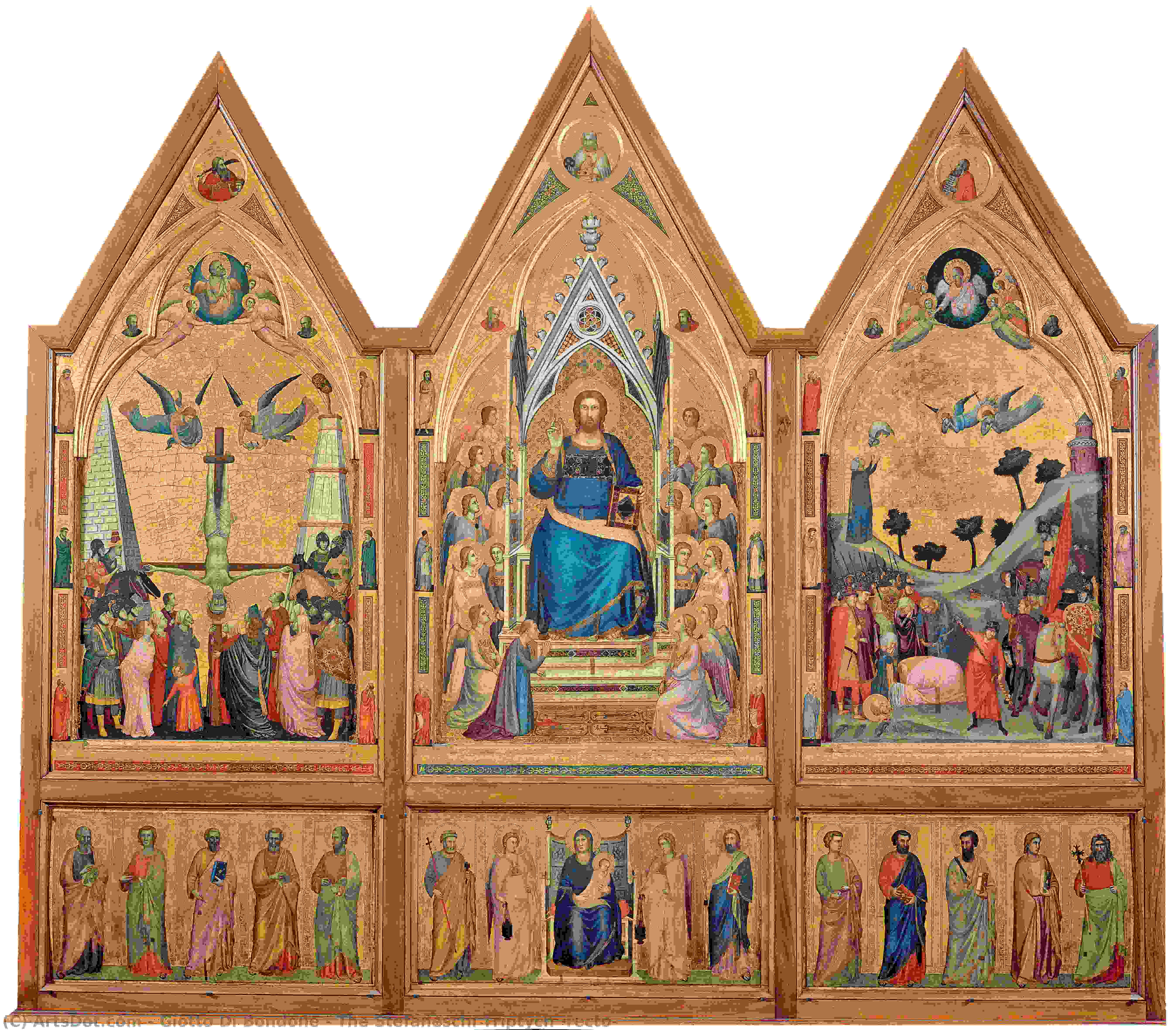
The Stefaneschi Triptych (recto)
 Tempera On Panel
- Early Renaissance
 1330
1330- Renaissance
 220.0 x 245.0 cm
 Pinacoteca
 გადასართად დაწვრილებით ნახეთ
ხელით ნაკვეთი ზეთის ტილოს რეპროდუქცია
ტილოზე შესრულებული ფერწერიანი ზეთប្រდათი, თქვენთვის სასურველი ზომისა და ჩარჩოსთვის, ჩვენი ხელოვანების მიერ შეკვეთის საფუძველზე დამზადებული. ( შეიძინეთ პრინტი შეიძინეთ გამოსახულება)




P118B $10

P118H $10

P118W $10

P438Z $10

P508JH $12

P508YH $12

P805H $10

P805Z $10

P919BZ $10

P919G $10

P919XJ $10

P959ZH $10

P968JZ $12

W106C $8

W218G $10

W218JH $8

W218Y $10

W307PJ $10

W316G $10

W316PJ $8

W316Y $10

W398PJ $8

W4111J $10

W500HY $15

W500JH $15

W692G $12

W849H $8

W940BG $15

W953PJ $8




აირჩიეთ ჩვენს მიერ წინასწარ განსაზღვრული ზომებიდან, რომლებიც ნაწარმოების ორიგინალურ პროპორციებს შეესაბამება.

თქვენ შეგიძლიათ მიუთითოთ თქვენთვის სასურველი ზომები კონკრეტული ჩარჩოს ან სივრცის შესაბამისად. თუ თქვენ მიერ არჩეული ზომა არ შეესაბამება ორიგინალი გამოსახულების პროპორციებს, ჩვენ ან შევაჭრებთ ნაწარმოებს, ან ტილოზე დავამატებთ ხელით მოხატულ ელემენტებს. წარმოების დაწყებამდე, დამტკიცებისთვის გამოგეგზავნებათ ციფრული მაკეტი.
გთხოვთ, გაითვალისწინოთ, რომ ეკრანზე ნაჩვენები წინასწარი შეხედულება არ ასახავს რეალურ შეჭრას ან გაფართოებას. საბოლოო კომპოზიციას ზუსტად მხოლოდ მაკეტი წარმოაჩენს.
მიუხედავად იმისა, რომ შესაძლებელია ინდივიდუალური ზომების შერჩევა, ორიგინალური პროპორციების შენარჩუნებისათვის გირჩევთ, გამოიყენოთ წინასწარ განსაზღვრული სიის ზომები.
შეკვეთის შემდეგ, OriginalUniqueArt.com გუნდი დაგიკავშირდებათ ელექტრონული ფოსტით ინსტრუქციებისთვის და გამოგიგზავნით წინასწარ ნახაზს (mockup).
მიწოდება მსოფლიო მასშტაბით -ში 3/4 კვირაში, სტანდარტული 5 კვირის ნაცვლად. (19 აგვისტო). ხარისხზე კომპრომისის გაკეთება არ მოხდება.

უფასო ექსპრეს მიწოდება მთელ მსოფლიოში

საბამად მაღალი ხარისხის ტილო

სრული ტრანსპორტირების დაზღვევა

საბაჟო გადასახადების დაბრუნების გარანტია

ფერების სრული შესაბამისობის გარანტია

60-დღიანი დაბრუნების პოლიტიკა (მხოლოდ დეფექტის შემთხვევაში)

100% თანხის დაბრუნების გარანტია

ფასდაკლება დიდი რაოდენობით შეკვეთისას
 მინის ჩარჩოს არჩევანი ხელმისაწვდომია მხოლოდ 110 სმ-ზე ნაკლები ზომისთვის

The Stefaneschi Triptych (recto)
რეკლამაციის ტექნიკა
რეკლამაციის ზომა
-


საბოლოო ფასი
$ 300
ნაწარმოების აღწერა
A Dawn of Naturalism: The Soul of the Stefaneschi Triptych
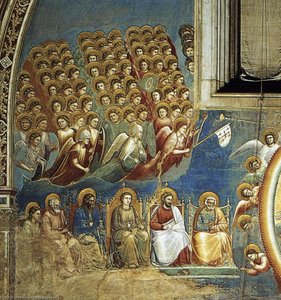
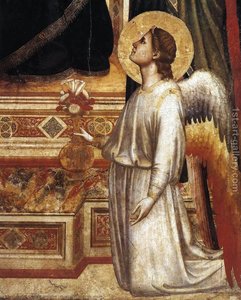
In the quiet, hallowed halls of the Pinacoteca Vaticana, there exists a masterpiece that captures the very moment the medieval world began to breathe with human life. Giotto di Bondone’s The Stefaneschi Triptych (recto), painted around 1330, is far more than a religious relic; it is a revolutionary manifesto in paint. At a time when the Byzantine tradition favored flat, golden abstractions and distant, ethereal icons, Giotto dared to introduce the weight of reality. Through this triptych, the divine was no longer a remote concept but something that could be felt through the heavy folds of fabric, the tangible presence of anatomy, and the profound depth of human emotion.
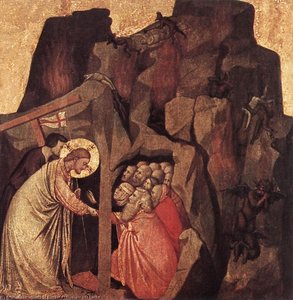
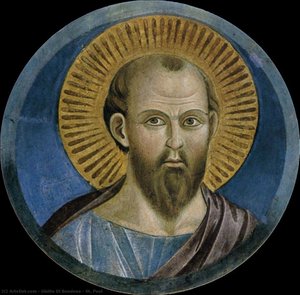
The composition is a masterclass in sacred hierarchy and visual storytelling. The central panel commands the viewer's attention, presenting a scene of celestial majesty where figures are arranged with a newfound sense of spatial logic. Flanked by side panels that act as windows into a more intimate spiritual realm, the triptych utilizes a tripartite structure to guide the eye from the earthly toward the divine. Giotto’s genius lies in his ability to use chiaroscuro—the subtle play of light and shadow—to grant his figures a sculptural quality. This technique allows the saints and angels to occupy a three-dimensional space, inviting the viewer to step out of their own time and into the sacred narrative.
Symbolism and the Language of Devotion
Every element within this monumental work serves a higher theological purpose, woven together with intricate symbolic threads. The use of gold leaf in the background is not merely an expression of opulence; it represents the uncreated light of heaven, providing a shimmering, eternal backdrop that contrasts beautifully with the earthy tones of the figures. In the side panels, the presence of bishops and cardinals, identifiable by their mitres and crozier, anchors the divine scene to the institutional authority of the Church, specifically honoring the commission of Cardinal Jacopo Caetani Stefaneschi.
The movement within the panels—the fluttering of wings, the bowed heads of worshippers, and the delicate gestures of hands—creates a rhythmic, liturgical flow. These details are not mere decorations but are essential to the emotional resonance of the piece. For the modern collector or designer, these symbols offer a profound connection to history, representing a period where art served as the primary bridge between the mortal and the eternal. The triptych does not just depict a scene; it orchestrates an experience of reverence and awe.
An Eternal Inspiration for the Modern Interior
For those seeking to infuse their living spaces with character and historical depth, a high-quality reproduction of the Stefaneschi Triptych offers an unparalleled opportunity. This artwork is not merely a decoration; it is a conversation piece that brings the intellectual rigor of the Proto-Renaissance into the contemporary home. Its palette of deep blues, rich reds, and warm ochres provides a sophisticated foundation for various interior styles, from classical European elegance to modern minimalist settings where a single, powerful focal point can transform an entire room.
Owning a hand-painted reproduction allows one to celebrate the legacy of Giotto—the "Shepherd Boy of Florence" who changed the course of art history. Whether placed in a grand library, a formal dining room, or a curated gallery space, this triptych serves as a constant reminder of humanity's capacity for innovation and our enduring quest to capture beauty and truth. It is an investment in culture, a tribute to the masters, and a timeless addition to any discerning collection.
მხატვრის ბიოგრაფია
გიოტოს რევოლუციური ხედვა: ფლორენციის მწყემarı
დაახლოებით 1267 წელს, ფლორენციასთან ახლომდებარე rolling გ hills-ში დაბადებული ჯიოტო დი ბონდონე, თავიდანვე გამოჩნდა როგორც ყველაზე მნიშვნელოვანი ფიგურა შუა საუკუნეების მხატვრული კონვენციებიდან რენესანსისკენ გარდამავალში. მისი ადრეული ცხოვრება ლეგენდის საფარქვეშ იმალება – მწყემარი ბიჭი აღმოაჩენს, როგორ ζωγραφავსRemarkably lifelike ცხვრებს ქვებზე, რაც ფლორენტელ დიდოსტატ სიმბუეს ყურადღებას იპყრობს. მიუხედავად იმისა, არის თუ არა ეს ფაქტი თუ ფოლკლორი, ეს მოვლენა ასახავს ჯიოტოს გენიალობის არსს: ბუნებრივი სამყაროს აღწევა беспрецедентным რეალიზმით და ემოციური სიღრმით. სიმბუესმა მას учеником მიიღო, ჯიოტონი hızla გადააჭარბა მას, შეი吸收기술 skills, მაგრამ თავისი გზას გაიხსნა. იმ დროს დომინირებდა ბიზანტიური სტილი, რომელიც favors stylized ფიგურებს, flattened პერსპექტივებს და lavish ოქროს ფონებს – სიმბოლოები духовного transcendence-ის, rather than earthly representation-ისა. ჯიოტოს, თუმცა, სწრაფვა ჰქონდა ადამიანების აღწევას არა ethereal icons-ად, არამედ individuals-ად, რომლებიც duygular-ითააimbued და tangible space-ში არსებობენ.
ბიზანტიიდან გამოსვლა: ახალი ნატურალიზმი
ჯიოტოს მხატვრული რევოლუცია არ იყო sudden upheaval, არამედ gradual evolution. მისი ადრეული ნაშრომები უკვე hints at the shift to come, demonstrating a growing emphasis on volume, weight და believable anatomy-ს. მან დაიწყო მსოფლიოს დაკვირვება არა მხოლოდ decorative elements-ად, არამედ tools-ად form-ის sculpt-ისთვის და depth-ის შესაქმნელად. This nascent naturalism is evident in his contributions to the frescoes in the Upper Basilica of Saint Francis of Assisi – though authorship remains debated, many scholars recognize Giotto’s hand in scenes that display a marked departure from prevailing Byzantine aesthetics. ის არ უბრალოდ отказывается ტრადიციას; ის მას აყალიბებს, established forms-ს infusing newfound sense of humanity და emotional resonance-ით. მან понял the power of narrative, crafting compositions that told stories not through rigid symbolism, but through expressive gestures, believable interactions and carefully constructed settings.
სკროვეგნი კაპელა: საყვარელი მოთხრობის შედევრი
ჯიოტოს შედევარი, და შესაძლოა დასავლური ხელოვნების ისტორიაში ერთ-ერთი ყველაზე მნიშვნელოვანი ნამუშევარი, არის frescoes cycle, რომელიც ამშვენებს სკროვეგნი კაპელას (Arena Chapel) Padu-ში. დაახლოებით 1305 წელს დასრულებული ეს захватывающий series depicts the life of Christ and the Virgin Mary with a revolutionary level of realism and emotional intensity. Each scene unfolds like a carefully staged drama, populated by figures who are not merely representations of religious archetypes, but fully realized human beings experiencing joy, sorrow, fear და hope. The *Last Judgment*, dominating one entire wall, is a powerful testament to Giotto’s skill in conveying both divine majesty and the raw vulnerability of humanity facing its ultimate reckoning. Perspective-ის გამოყენება, though not mathematically precise by later Renaissance standards, creates a convincing illusion of depth, drawing the viewer into the narrative. The figures are grounded, their bodies possessing weight და volume, and their expressions convey a range of emotions that were previously unseen in religious art.
რენესანსისთვის საფუძველი
ჯიოტოს გავლენა მომავალ თაობათა მხატვრებზე immeasurable იყო. ის ხსნის ხიდს შუა საუკუნეებსა და რენესანსს შორის, paving the way for masters like Masaccio, Leonardo da Vinci და Michelangelo. Vasari, his seminal *Lives of the Artists*, credited Giotto with “giving to painting the great art of doing things from life,” a testament to his profound impact on the course of Western art. ჯიოტონი არა უბრალოდ აღწევდა სამყაროს; ის ცდილობდა მის გაგებას, მისი essence-ის აღებას და იმ გაგების გადაცემას visual storytelling-ის ძალებით. მისი legacy continues to inspire awe and admiration centuries after his death, solidifying his place as one of history's greatest artistic innovators.
ძირითადი მიღწევები და გრძელვადიანი გავლენა
- რევოლუცია ζωγραφებაში: გადავიდა Byzantine stylization-დან naturalism-ისა და ემოციური რეალიზმისკენ.
- პერსპექტივის პიონერი: შემოიღო ტექნიკები paintings-ში სიღრმის და spatial awareness-ის შესაქმნელად.
- Masterful მოთხრობა: შექმნა compelling narratives frescoes cycles-ით, როგორიცაა სკროვეგნი კაპელა.
- არქიტექტურული წვლილი: σχεδίασε Florence Cathedral-ის Campanile-ს, demonstrating architectural skill.
- რენესანსის ხელოვნებისთვის საფუძველი: მისი ნამუშევრებმა საფუძველი დადო რენესანსის პერიოდის მხატვრული მიღწევებისათვის.

ჯიოტოს დი ბონდონე
1267 - 1337 , იტალია
მოკლე ინფორმაცია
- Artistic Movement Or Style: რანელესანსისწინასწარმდეგი
- Artists Or Movements Influenced By This Artist:
- მასაჩო
- რენესანსის ხელოვნება
- Artists Who Influenced This Artist: ['ჩიმაბუე']
- Date Of Birth: სექტემბერი, 1267
- Date Of Death: იანვარი, 1337
- Full Name: ჯიოტო დი ბონდონე
- Nationality: იტალიელი
- Notable Artworks:
- სკროვეგნიშვილი კაპელა
- ოგნი სანტის მადონა
- Place Of Birth: ფლორენცია, იტალია
დაკავშირებული სტატიები
გიოტოს 25 შედევრი: რენესანსის წინასამძიმრო და ხელოვნების ახალი ეპოქა | OriginalUniqueArt
აღმოაჩინეთ გიოტოს 25 უნიკალური შედევრი! რენესანსის ეპოქის ფრესკები, მადონას გამოსახულებები და იტალიური ხელოვნების საუკეთესო ნიმუშები OriginalUniqueArt-ზე. ხარისხიანი რეპროდუქციები თქვენი სახლისთვის. Explore the full collection online!

Golden Masterpieces: 10 Paintings That Define Art History | OriginalUniqueArt
Explore 10 breathtaking paintings where gold leaf shines! From Klimt to Byzantine icons, discover art history’s most gilded masterpieces. Find museum-quality reproductions & elevate your home decor with OriginalUniqueArt. Explore the full collection online.
The Allure of Gold in Art History: Symbolism, Technique & Cultural Significance
Explore the rich history of gold in art! Discover symbolism, techniques & cultural significance from ancient civilizations to Klimt's masterpieces. Expert insights for collectors at OriginalUniqueArt.
Proto-Renaissance Masters: 10 Artworks That Changed History | OriginalUniqueArt
Journey back to the dawn of Renaissance art! Explore 10 iconic Proto-Renaissance masterpieces by Giotto, Cimabue & Duccio. Discover their stories, techniques & lasting impact. Find museum-quality reproductions for your home at OriginalUniqueArt.com
Golden Splendor: An Editorial Journey Through Art's Most Radiant Masterpieces
Embark on a visual journey through the world's most radiant masterpieces. Discover how gold leaf, impasto textures, and gilded tones define luxury in fine art, from Byzantine icons to modern abstracts. Explore the eternal allure of gold in curated, museum-quality art collections.