

 ნახვა ინტერьерში
 გაგზავნა
 გაზიარება
 დეტალები
 გზამკვლევი

 ჩამოტვირთვა
 მსგავსები
 რენტგენოგრაფიული კვლევა
 სლაიდშოუ
 Q&A
Q&A სტატისტიკა
Saint Stephen
 ტემპერა木დაფაზე
- კედლის ხელოვნება
- Proto-Renaissance
 1320
1320- გვიან შუა საუკუნეები
 84.0 x 54.0 cm
 Museo Horne
 სრული ტექსტის ნახვა
გიკლე / ხელოვნების პრინტი
მუზეუმის დონის ჟიკლე ან ტილოზე ბეჭდვა სწრაფი წარმოებისა და დასრულების მოქნილი ვარიანტებით. ( შეიძინეთ ხელით შესრულებული ნახატი გადასვლა ციფრულ გამოსახულებაზე)




P118B ₾10

P118H ₾10

P118W ₾10

P438Z ₾10

P508JH ₾12

P508YH ₾12

P805H ₾10

P805Z ₾10

P919BZ ₾10

P919G ₾10

P919XJ ₾10

P959ZH ₾10

P968JZ ₾12

W106C ₾8

W218G ₾10

W218JH ₾8

W218Y ₾10

W307PJ ₾10

W316G ₾10

W316PJ ₾8

W316Y ₾10

W398PJ ₾8

W4111J ₾10

W500HY ₾15

W500JH ₾15

W692G ₾12

W849H ₾8

W940BG ₾15

W953PJ ₾8




აირჩიეთ ჩვენს მიერ წინასწარ განსაზღვრული ზომებიდან, რომლებიც ნაწარმოების ორიგინალურ პროპორციებს შეესაბამება.

შეიყვანეთ თქვენთვის საჭირო სიგანე და სიმაღლე, რათა იგი მოერგოს თქვენს ჩარჩოს ან კედელს. ბეჭდვისას შესაძლებელია მხოლოდ მისი შემცირება და არა გაზრდა, ამიტომ სხვა ფორმის ზომის შემთხვევაში გამოსახულება ნაწილობრივ იკარგება. სანამ რაიმეს დაბეჭდავთ, ჩვენ გამოგიგზავნით ციფრულ მაკეტს დასდასტურებლად. ამ გვერდზე ნაჩვენები სურათი არ ასახავს რეალურ ჭრას — ამას მხოლოდ მაკეტი გვიჩვენებს.
მიწოდება მთელ მსოფლიოში () 2 კვირაში, სტანდარტული 4/5 კვირის ნაცვლად. (31 ოქტომბერი)

უფასო ექსპრეს მიწოდება მთელ მსოფლიოში

მაღალი ხარისხის ტილო

ტრანსპორტირების სრული დაზღვევა

საბაჟო გადასახადების დაბრუნების გარანტია

ფერების სრული შესაბამისობის გარანტია

დაბრუნების 100-დღიანი პერიოდი (მხოლოდ წარმოების დეფექტის შემთხვევაში)

100% თანხის სრული დაბრუნების გარანტია

ფასდაკლება დიდი რაოდენობით შეკვეთისას
 მინის ჩარჩოს არჩევანი ხელმისაწვდომია მხოლოდ 110 სმ-მდე ზომისთვის

Saint Stephen
გიკლე / ხელოვნების პრინტი
რეპროდუქციის ზომა
-


ჯამური ღირებულება
₾ 208
A Vision of Faith: Giotto’s Saint Stephen
Saint Stephen, painted around 1320 by the revolutionary artist Giotto di Bondone, is more than just a religious depiction; it's a profound exploration of devotion, intellect, and the nascent humanism that would define the Renaissance. Currently residing in the Museo Horne in Florence, Italy, this tempera on wood panel (84 x 54 cm) offers a captivating glimpse into a pivotal moment in art history.The Subject & Symbolism
The painting portrays Saint Stephen, recognized as the first Christian martyr, a figure of immense significance within early Church history. He is depicted holding a book – symbolizing his wisdom and theological knowledge – and adorned with a crown, representing his ultimate triumph through faith. His downward gaze isn’t one of sorrow, but rather deep contemplation, suggesting an internal dialogue with the scriptures or perhaps a premonition of his impending sacrifice. The very act of depicting Stephen *with* these attributes—book and crown—elevates him beyond mere historical figure to a symbol of intellectual and spiritual fortitude.Artistic Style & Technique
Giotto’s style marks a decisive break from the Byzantine traditions that dominated Italian art for centuries. Instead of flat, stylized figures, he imbues Saint Stephen with a sense of volume and weight. The use of *chiaroscuro* – the interplay of light and shadow – subtly models the face and drapery, creating a more realistic and emotionally resonant image.- The rich gold background isn’t merely decorative; it evokes a divine realm, emphasizing Stephen's sanctity.
- Dominant colors of red and yellow contribute to the painting’s warmth and vibrancy, drawing the viewer into the scene.
- Giotto’s innovative use of perspective, though still rudimentary by later standards, creates a sense of depth and spatial awareness.
Historical Context & Giotto's Innovation
Giotto lived during the Proto-Renaissance, a period of transition between the medieval and Renaissance eras. He is credited with pioneering techniques that would become hallmarks of Renaissance art:- Naturalism: A move away from stylized representations towards more lifelike depictions.
- Emotional Realism: Capturing genuine human emotions in his figures, making them relatable and engaging.
- Spatial Awareness: Creating a sense of depth and three-dimensionality in his compositions.
Emotional Impact & Interior Design Considerations
Saint Stephen evokes a sense of quiet reverence and intellectual curiosity. The painting’s subdued palette and contemplative mood make it suitable for spaces dedicated to reflection – libraries, studies, or meditation rooms. Its relatively small size (84 x 54 cm) allows for versatile placement within various interior design schemes. A high-quality reproduction would serve as a focal point in a classically styled room, adding a touch of historical elegance and spiritual depth. The gold leaf detailing will beautifully catch the light, creating a warm and inviting atmosphere. This artwork isn’t just a visual experience; it's an invitation to contemplate faith, knowledge, and the enduring power of the human spirit.კითხვები და პასუხები
როგორ არის აღწერილი ჯიოტოს დი ბონდონე-ის „Saint Stephen“ პალიტრა?
წარმოიდგინეთ, რომ „Saint Stephen“-ის ფერები ქმნიან მუქი ტონები პალიტრას. ეს კლასიფიკაცია აღწერს დომინანტურ ფერთა ჯგუფებს.
დარჩა თუ არა "Saint Stephen" ხელოვანის სამშობლოში?
არა - ნამუშევარი საზღვარგარეთ ინახება. ნამუშევარი „Saint Stephen“ დაცულია Italy-ში, მაშინ როცა ჯიოტოს დი ბონდონე დაიბადა იტალია-ში.
რა არის ჯიოტოს დი ბონდონე-ის „Saint Stephen“-ის ფეროვანი იდენტობა?
ჯიოტოს დი ბონდონე-ის „Saint Stephen“ იყენებს მუქი ტონები პალიტრას, სადაც დომინანტური ფერი ბრინჯაოსფერი მეტალიკური ოქროსფერი (#c38044)-ია.
მხატვრის ბიოგრაფია
გიოტოს რევოლუციური ხედვა: ფლორენციის მწყემarı
დაახლოებით 1267 წელს, ფლორენციასთან ახლომდებარე rolling გ hills-ში დაბადებული ჯიოტო დი ბონდონე, თავიდანვე გამოჩნდა როგორც ყველაზე მნიშვნელოვანი ფიგურა შუა საუკუნეების მხატვრული კონვენციებიდან რენესანსისკენ გარდამავალში. მისი ადრეული ცხოვრება ლეგენდის საფარქვეშ იმალება – მწყემარი ბიჭი აღმოაჩენს, როგორ ζωγραφავსRemarkably lifelike ცხვრებს ქვებზე, რაც ფლორენტელ დიდოსტატ სიმბუეს ყურადღებას იპყრობს. მიუხედავად იმისა, არის თუ არა ეს ფაქტი თუ ფოლკლორი, ეს მოვლენა ასახავს ჯიოტოს გენიალობის არსს: ბუნებრივი სამყაროს აღწევა беспрецедентным რეალიზმით და ემოციური სიღრმით. სიმბუესმა მას учеником მიიღო, ჯიოტონი hızla გადააჭარბა მას, შეი吸收기술 skills, მაგრამ თავისი გზას გაიხსნა. იმ დროს დომინირებდა ბიზანტიური სტილი, რომელიც favors stylized ფიგურებს, flattened პერსპექტივებს და lavish ოქროს ფონებს – სიმბოლოები духовного transcendence-ის, rather than earthly representation-ისა. ჯიოტოს, თუმცა, სწრაფვა ჰქონდა ადამიანების აღწევას არა ethereal icons-ად, არამედ individuals-ად, რომლებიც duygular-ითააimbued და tangible space-ში არსებობენ.
ბიზანტიიდან გამოსვლა: ახალი ნატურალიზმი
ჯიოტოს მხატვრული რევოლუცია არ იყო sudden upheaval, არამედ gradual evolution. მისი ადრეული ნაშრომები უკვე hints at the shift to come, demonstrating a growing emphasis on volume, weight და believable anatomy-ს. მან დაიწყო მსოფლიოს დაკვირვება არა მხოლოდ decorative elements-ად, არამედ tools-ად form-ის sculpt-ისთვის და depth-ის შესაქმნელად. This nascent naturalism is evident in his contributions to the frescoes in the Upper Basilica of Saint Francis of Assisi – though authorship remains debated, many scholars recognize Giotto’s hand in scenes that display a marked departure from prevailing Byzantine aesthetics. ის არ უბრალოდ отказывается ტრადიციას; ის მას აყალიბებს, established forms-ს infusing newfound sense of humanity და emotional resonance-ით. მან понял the power of narrative, crafting compositions that told stories not through rigid symbolism, but through expressive gestures, believable interactions and carefully constructed settings.
სკროვეგნი კაპელა: საყვარელი მოთხრობის შედევრი
ჯიოტოს შედევარი, და შესაძლოა დასავლური ხელოვნების ისტორიაში ერთ-ერთი ყველაზე მნიშვნელოვანი ნამუშევარი, არის frescoes cycle, რომელიც ამშვენებს სკროვეგნი კაპელას (Arena Chapel) Padu-ში. დაახლოებით 1305 წელს დასრულებული ეს захватывающий series depicts the life of Christ and the Virgin Mary with a revolutionary level of realism and emotional intensity. Each scene unfolds like a carefully staged drama, populated by figures who are not merely representations of religious archetypes, but fully realized human beings experiencing joy, sorrow, fear და hope. The *Last Judgment*, dominating one entire wall, is a powerful testament to Giotto’s skill in conveying both divine majesty and the raw vulnerability of humanity facing its ultimate reckoning. Perspective-ის გამოყენება, though not mathematically precise by later Renaissance standards, creates a convincing illusion of depth, drawing the viewer into the narrative. The figures are grounded, their bodies possessing weight და volume, and their expressions convey a range of emotions that were previously unseen in religious art.
რენესანსისთვის საფუძველი
ჯიოტოს გავლენა მომავალ თაობათა მხატვრებზე immeasurable იყო. ის ხსნის ხიდს შუა საუკუნეებსა და რენესანსს შორის, paving the way for masters like Masaccio, Leonardo da Vinci და Michelangelo. Vasari, his seminal *Lives of the Artists*, credited Giotto with “giving to painting the great art of doing things from life,” a testament to his profound impact on the course of Western art. ჯიოტონი არა უბრალოდ აღწევდა სამყაროს; ის ცდილობდა მის გაგებას, მისი essence-ის აღებას და იმ გაგების გადაცემას visual storytelling-ის ძალებით. მისი legacy continues to inspire awe and admiration centuries after his death, solidifying his place as one of history's greatest artistic innovators.
ძირითადი მიღწევები და გრძელვადიანი გავლენა
- რევოლუცია ζωγραφებაში: გადავიდა Byzantine stylization-დან naturalism-ისა და ემოციური რეალიზმისკენ.
- პერსპექტივის პიონერი: შემოიღო ტექნიკები paintings-ში სიღრმის და spatial awareness-ის შესაქმნელად.
- Masterful მოთხრობა: შექმნა compelling narratives frescoes cycles-ით, როგორიცაა სკროვეგნი კაპელა.
- არქიტექტურული წვლილი: σχεδίασε Florence Cathedral-ის Campanile-ს, demonstrating architectural skill.
- რენესანსის ხელოვნებისთვის საფუძველი: მისი ნამუშევრებმა საფუძველი დადო რენესანსის პერიოდის მხატვრული მიღწევებისათვის.

ჯიოტოს დი ბონდონე
1267 - 1337 , იტალია
მოკლე ფაქტები
- Artistic Movement Or Style: რანელესანსისწინასწარმდეგი
- Artists Or Movements Influenced By This Artist:
- მასაჩო
- რენესანსის ხელოვნება
- Artists Who Influenced This Artist: ['ჩიმაბუე']
- Date Of Birth: სექტემბერი, 1267
- Date Of Death: იანვარი, 1337
- Full Name: ჯიოტო დი ბონდონე
- Nationality: იტალიელი
- Notable Artworks:
- სკროვეგნიშვილი კაპელა
- ოგნი სანტის მადონა
- Place Of Birth: ფლორენცია, იტალია
მსგავსი სტატიები
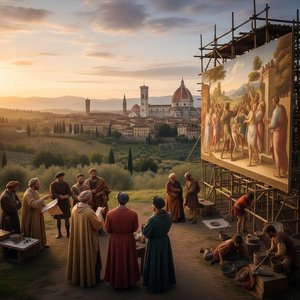
The Proto-Renaissance: The Dawn of a New Era and the Artistic Revolution of Giotto
Explore the profound transition from Medieval to Renaissance art. Discover how Giotto’s revolutionary emotional realism and innovative frescoes redefined Western art history during the Proto-Renaissance era.
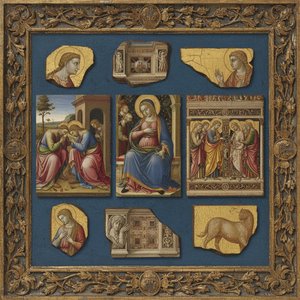
Proto-Renaissance Masters: 10 Artworks That Changed History | OriginalUniqueArt
Journey back to the dawn of Renaissance art! Explore 10 iconic Proto-Renaissance masterpieces by Giotto, Cimabue & Duccio. Discover their stories, techniques & lasting impact. Find museum-quality reproductions for your home at OriginalUniqueArt.com
The Dawn of a New Vision: Proto-Renaissance Art & the Seeds of Artistic Revolution
Explore the Proto-Renaissance – the pivotal era bridging medieval and Renaissance art. Discover Giotto's revolutionary frescoes & the artistic innovations that shaped a new vision. Expert insights from OriginalUniqueArt.
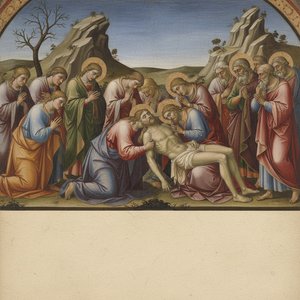
Giotto di Bondone: Revolutionizing Late Medieval Painting through Narrative Innovation
Explore the revolutionary art of Giotto di Bondone! Discover his groundbreaking techniques, iconic frescoes like those in the Arena Chapel, and lasting impact on Renaissance painting. A deep dive for art enthusiasts.

გიოტოს 25 შედევრი: რენესანსის წინასამძიმრო და ხელოვნების ახალი ეპოქა | OriginalUniqueArt
აღმოაჩინეთ გიოტოს 25 უნიკალური შედევრი! რენესანსის ეპოქის ფრესკები, მადონას გამოსახულებები და იტალიური ხელოვნების საუკეთესო ნიმუშები OriginalUniqueArt-ზე. ხარისხიანი რეპროდუქციები თქვენი სახლისთვის. Explore the full collection online!




![სკროვენი - [05] - იოაკიმეს სიზმარი](/media/artworks/images-thumb/8f/67/8f67bb5da87296bd452b3f0b237b528d.jpg)


