
 გადართვა ბეჭდვის რეჟიმზე
 სრული ტექსტის ნახვა







































 ნებისმიერი მხარისთვის 105 სმ-ზე (დაახლოებით 41 ინჩი) მეტი ზომის ხელოვნებული ნამუშევრების ან რეპროდუქციებისთვის, ჩარჩო მოგზავნდება დაშლილ კომპლექტში. ეს მეთოდი უზრუნველყოფს უსაფრთხო მიწოდებას და თავიდან აგაცილებთ ტრანსპორტირებისას შესაძლო დაზიანებას.


A Heavenly Gathering: Unveiling Giotto's "Vision of the Thrones"
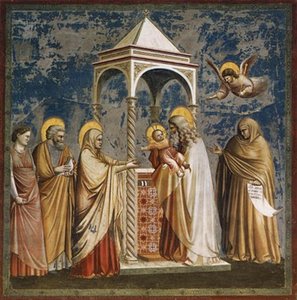
Within the Cappella Scrovegni in Padua, Italy—a chapel born from a profound act of repentance and civic patronage—lies a fresco that continues to resonate across centuries: Giotto di Bondone’s “Vision of the Thrones.” Painted between 1297 and 1299, this monumental work isn't merely a depiction of religious narrative; it’s a pivotal moment in art history, marking a decisive shift away from the rigid formality of Byzantine painting towards a more humanistic and emotionally resonant style. The scene unfolds with an arresting immediacy—a man, clad in vibrant blue robes, ascends through the air on wings, holding aloft a book radiating divine light. This figure, widely interpreted as an angel or messenger, dominates the composition, drawing the viewer into a dynamic tableau of celestial figures engaged in what appears to be a solemn council.
Giotto’s genius lies not just in his technical skill—though that is undeniably impressive—but in his ability to imbue this sacred subject with palpable human emotion. The faces of the seated individuals, rendered with remarkable detail and psychological insight, suggest contemplation, concern, and perhaps even a touch of apprehension. Notice how Giotto masterfully uses light and shadow to sculpt form, creating a sense of depth and volume that was revolutionary for its time. This isn’t a flat, stylized representation; it's an attempt to capture the essence of human experience within a divine context—a daring move that foreshadowed the Renaissance.
The Chapel of Repentance: Contextualizing the Masterpiece
To fully appreciate “Vision of the Thrones,” one must understand its setting. The Cappella Scrovegni was commissioned by Enrico Scrovegni, a wealthy merchant whose family history was marred by accusations of grave robbery and extortion. Driven by remorse and a desire for redemption, Scrovegni spared no expense in commissioning Giotto to adorn his chapel with a cycle of frescoes depicting the lives of the Virgin Mary and Christ. This wasn’t simply an act of piety; it was a public declaration of repentance—a tangible manifestation of Scrovegni's commitment to atonement. The chapel itself, built between 1303 and 1305, is a testament to this ambition, its austere exterior contrasting sharply with the vibrant, emotionally charged scenes within.
The choice of Giotto was no accident. He was already gaining recognition for his innovative approach to painting, particularly in his earlier works like “Ognissanti Madonna.” Scrovegni recognized that Giotto possessed a unique ability to capture human likeness and emotion—qualities he believed essential for conveying the spiritual significance of the narrative.
Decoding the Symbols: A Tapestry of Meaning
Beyond its immediate visual impact, “Vision of the Thrones” is rich in symbolic meaning. The blue robe worn by the ascending figure immediately evokes associations with divinity and heavenly grace. The book he carries—often identified as the Gospels—represents divine knowledge and revelation. The seated figures, engaged in conversation, are believed to be members of a council or assembly, perhaps representing the apostles or other biblical characters deliberating on matters of faith. The overall atmosphere suggests a gathering where weighty decisions are being made, underscoring the importance of the event unfolding before us.
Giotto’s use of perspective—though still rudimentary by Renaissance standards—is particularly noteworthy. He creates a sense of spatial depth and realism that was unprecedented in fresco painting at the time. The figures appear to be situated within a defined space, lending the scene an air of immediacy and authenticity. Furthermore, Giotto's attention to detail extends beyond the figures themselves; he meticulously renders the folds of clothing, the textures of fabrics, and the expressions on faces—all contributing to the overall sense of realism and emotional engagement.
A Legacy Enduring: Owning a Piece of Art History
Today, “Vision of the Thrones” stands as one of Giotto’s most celebrated masterpieces. Its influence can be seen in countless subsequent artists who followed his lead—including Masaccio, Michelangelo, and Leonardo da Vinci. OriginalUniqueArt offers a meticulously crafted, handmade oil painting reproduction of this iconic fresco, allowing you to bring this extraordinary work into your own home or office. This faithful recreation captures the essence of Giotto’s genius while providing a stunning visual centerpiece for any space. Experience the profound beauty and historical significance of “Vision of the Thrones” – a timeless testament to human creativity and spiritual aspiration.
კითხვები და პასუხები
რა ქვეყანას მიეკუთვნება Proto-Renaissance-ის ნამუშევარი „რთების გამოსახულება“?
Proto-Renaissance-ის სტილის ნამუშევარი „რთების გამოსახულება“ შექმნილია ხელოვანის მიერ, რომელიც იტალია-ში დაიბადა.
შესაძლებელია თუ არა ჯიოტოს დი ბონდონე-ის „რთების გამოსახულება“-ის ნახვა სხვადასხვა განათების პირობებში?
"რთების გამოსახულება" შესაძლებელია ფენად ფენად დავათვალიეროთ ნამუშევრის რენტგენოგრაფია გვერდზე, რომელიც წარმოადგენს ინტერაქტიულ ვიზუალურ ხელსნოს, რესტავრატორის სინათლის მაგიდის შთაგონებით შექმნილით და გამოსახულების თერთმეტ ოპტიკურ შრეზე დაფუძნებული წაკითხვადობით.
რა არის ჯიოტოს დი ბონდონე-ის „რთების გამოსახულება“-ის აღქმადი სიკაშკაშე?
აღქმული სიკაშკაშის თვალსაზრისით, ჯიოტოს დი ბონდონე-ის „რთების გამოსახულება“ არის ჩრდილი.
 ნახვა ინტერьерში
 გაგზავნა
 გაზიარება
 დეტალები
 გზამკვლევი

 ჩამოტვირთვა
 მსგავსები
 რენტგენოგრაფიული კვლევა
 სლაიდშოუ
 Q&A
Q&A სტატისტიკა




![სკროვენი - [05] - იოაკიმეს სიზმარი](/media/artworks/images-thumb/8f/67/8f67bb5da87296bd452b3f0b237b528d.jpg)


