

 ნახვა ინტერьерში
 გაგზავნა
 გაზიარება
 დეტალები
 გზამკვლევი

 ჩამოტვირთვა
 მსგავსები
 რენტგენოგრაფიული კვლევა
 სლაიდშოუ
 სტატისტიკა
The Annunciation
 Acrylic On Canvas
- WallArt
- Renaissance
 19.0 x 22.0 cm
 Куперстichкabinett
 სრული ტექსტის ნახვა
გიკლე / ხელოვნების პრინტი
მუზეუმის დონის ჟიკლე ან ტილოზე ბეჭდვა სწრაფი წარმოებისა და დასრულების მოქნილი ვარიანტებით. ( შეიძინეთ ხელით შესრულებული ნახატი გადასვლა ციფრულ გამოსახულებაზე)




P118B ₾10

P118H ₾10

P118W ₾10

P438Z ₾10

P508JH ₾12

P508YH ₾12

P805H ₾10

P805Z ₾10

P919BZ ₾10

P919G ₾10

P919XJ ₾10

P959ZH ₾10

P968JZ ₾12

W106C ₾8

W218G ₾10

W218JH ₾8

W218Y ₾10

W307PJ ₾10

W316G ₾10

W316PJ ₾8

W316Y ₾10

W398PJ ₾8

W4111J ₾10

W500HY ₾15

W500JH ₾15

W692G ₾12

W849H ₾8

W940BG ₾15

W953PJ ₾8




აირჩიეთ ჩვენს მიერ წინასწარ განსაზღვრული ზომებიდან, რომლებიც ნაწარმოების ორიგინალურ პროპორციებს შეესაბამება.

შეიყვანეთ თქვენთვის საჭირო სიგანე და სიმაღლე, რათა იგი მოერგოს თქვენს ჩარჩოს ან კედელს. ბეჭდვისას შესაძლებელია მხოლოდ მისი შემცირება და არა გაზრდა, ამიტომ სხვა ფორმის ზომის შემთხვევაში გამოსახულება ნაწილობრივ იკარგება. სანამ რაიმეს დაბეჭდავთ, ჩვენ გამოგიგზავნით ციფრულ მაკეტს დასდასტურებლად. ამ გვერდზე ნაჩვენები სურათი არ ასახავს რეალურ ჭრას — ამას მხოლოდ მაკეტი გვიჩვენებს.
მიწოდება მთელ მსოფლიოში () 2 კვირაში, სტანდარტული 4/5 კვირის ნაცვლად. (24 ოქტომბერი)

უფასო ექსპრეს მიწოდება მთელ მსოფლიოში

მაღალი ხარისხის ტილო

ტრანსპორტირების სრული დაზღვევა

საბაჟო გადასახადების დაბრუნების გარანტია

ფერების სრული შესაბამისობის გარანტია

დაბრუნების 100-დღიანი პერიოდი (მხოლოდ წარმოების დეფექტის შემთხვევაში)

100% თანხის სრული დაბრუნების გარანტია

ფასდაკლება დიდი რაოდენობით შეკვეთისას
 მინის ჩარჩოს არჩევანი ხელმისაწვდომია მხოლოდ 110 სმ-მდე ზომისთვის

The Annunciation
გიკლე / ხელოვნების პრინტი
რეპროდუქციის ზომა
-


ჯამური ღირებულება
₾ 209
A Moment of Divine Revelation: Exploring Vasari’s ‘The Annunciation’
Giorgio Vasari's “The Annunciation,” painted circa 1567, isn’t merely a depiction of a biblical scene; it’s a carefully constructed tableau brimming with symbolic weight and technical mastery. This remarkable work, often considered a pivotal study for a larger ceiling painting, offers a rare glimpse into the artist’s process – a testament to his dedication to capturing not just likeness but also the profound emotional resonance of faith. The image, rendered in the delicate hues of carta azzurra (azure paper), immediately draws the eye with its ethereal quality and remarkable sense of spatial depth.
Vasari’s choice of blue pigment is crucial to understanding the painting's impact. The specific shade, a pale, almost luminous azure, was highly prized in Renaissance Italy for its ability to create an airy, atmospheric effect. It’s not simply a color; it’s a key element in conveying the divine presence and the sense of otherworldly grace that permeates the scene. The artist skillfully employs washes of ink and delicate highlights – a technique reminiscent of tempera painting – to build up layers of texture and luminosity, avoiding the heavy impasto favored by some of his contemporaries. This restrained approach allows for an astonishing level of detail, particularly in the rendering of Mary’s face and the angel Gabriel's flowing robes.
Architectural Echoes: Composition and Spatial Dynamics
Beyond its exquisite color palette, “The Annunciation” is distinguished by its sophisticated architectural design. Vasari masterfully integrates architectural elements – a coffered ceiling, a portal in the background, and a tent-shaped baldachin – to reinforce the composition’s clarity and stability. These aren't merely decorative flourishes; they serve as visual anchors, guiding the viewer’s eye through the scene and creating a sense of depth and perspective. The low vantage point, characteristic of ceiling paintings, emphasizes the scale of the figures and the grandeur of the event. Notice how Vasari uses linear perspective to create the illusion of receding space – the distant portal subtly diminishing in size, drawing us into the narrative.
The arrangement of the figures is equally deliberate. Gabriel, positioned on the left, extends his arm towards Mary, who sits serenely in the center of the frame. The subtle gestures and expressions convey a sense of reverence and anticipation. Even the secondary figures – a man near the top-left corner and another at the bottom-right – contribute to the scene’s dynamism, suggesting a broader context and inviting contemplation. The inclusion of a simple chair and vase adds a touch of domesticity, grounding the divine event within a recognizable human setting.
A Renaissance Masterpiece: Context and Legacy
Giorgio Vasari (1511-1574) was more than just a painter; he was a polymath – an architect, sculptor, historian, and biographer. His “Lives of the Most Excellent Painters, Sculptors, and Architects,” published in 1550, established a framework for understanding Renaissance art that continues to influence scholars today. Vasari’s work profoundly shaped our perception of the period, elevating the status of artists and establishing Florence as the epicenter of artistic innovation. “The Annunciation” exemplifies his commitment to capturing both the beauty and the spiritual significance of religious subjects.
Further research reveals that this painting was originally intended for a ceiling in the Chapel of Santa Michele in the Torre Pia, Vatican Palace, alongside three other roundels depicting the Nativity, the Annunciation, Zacharias and the Angel, and the Liberation of St. Peter. The rediscovery of these related works has illuminated Vasari’s artistic process and provided valuable insights into the history of Renaissance art. The image's presence in the Louvre Museum and its detailed documentation through online resources – such as WikiArt and Google Arts & Culture – ensure that this remarkable masterpiece remains accessible to a global audience.
Reproductions and Inspiration
A high-quality reproduction of Vasari’s “The Annunciation” offers a stunning opportunity to bring the drama and beauty of this Renaissance painting into your home or office. The delicate color palette, masterful composition, and profound symbolism will undoubtedly captivate viewers and evoke a sense of serenity and contemplation. Consider commissioning a hand-painted replica – a faithful recreation that captures the essence of Vasari’s original work, allowing you to experience the artistry firsthand.
კითხვები და პასუხები
ვინ ყიდის ჯორჯო ვასარი-ის „The Annunciation“-ის ხელით ნათესლობილ ასლებს?
ჯორჯო ვასარი-ის „The Annunciation“-ის ხელით ნათესლიერი ასლები იყიდება ეს ვებსაიტი-ზე: ლენის ტილოზე შესრულებული ზეთწარმოთი, ხელით ნათესლით, მათი შეკვეთით მისი ხელით ნათესლიერი რეპროდუქცია გვერდიდან.
შესაძლებელია თუ არა დამატებული რეალობის (AR) გამოყენება იმისათვის, რომ ჯორჯო ვასარი-ის „The Annunciation“ ჩემს ოთახში ვნახო?
„The Annunciation“-ს აქვს augmented reality (AR) წინასწარი ნახვის ფუნქცია: ნამუშევრის AR წინასწარი ნახვა გვერდი მას თქვენს საკუთარ სივრცეში, თავსებად მოწყობილობაზე აჩვენებს.
რა მასალისგან არის შექმნილი "The Annunciation"?
ჯორჯო ვასარი-მა „The Annunciation“-ის შესაქმნელად Acrylic On Canvas ტექნიკა გამოიყენა. აღნიშნული ტექნიკა განსაზღვრავს ორიგინალი ნამუშევრის მასალურ ბუნებას.
მხატვრის ბიოგრაფია
სიცოცხლის ქსოვილი რენესანსის ფაბრიკაში
ჯორჯო ვასარი, რომელიც დაიბადა არეძოში, ტოსკანაში, 30 ივლისს, 1511 წელს, იყო უბრალოდ მხატვარიზე მეტი; ის იყო იტალიური რენესანსის სულისშემცვლელი განსახიერება. მისი ცხოვრება წარმოადგენდა თვალწარმეტებულ ტაპესტრიას, რომელიც ჩამოვაწყობილი იყო მხატვრული შემოქმედების ძაფებით, არქიტექტურული ინოვაციებით, ღრმა ისტორიულობით და უ unwavering ერთგულებით მასწინდელი ოსტატების აღნიშვნისკენ. ადრეული მომზადება გუგლიელმო და მარსიგლიასთან, ჭრილული მინის კეთილმომსახურე ხელოვანთან, ახალგაზრდა ჯორჯოს გზა ვიზუალურ ხელოვნებისაკენ გამართა. თუმცა, ფლორენციაში გადასვლამ, 16 წლის ასაკში, ნამდვილად აანთო მისი პოტენციალი. ჩაძირული ანდრეა დელ სარტოს დინამიკურ წრეში და როსო ფიორენტინოსა და იაკოპო პონტორმოს გავლენის შთანთქმით, ვასარი დაიწყო მოგზაურობა, რომელიც მას ამ ეპოქის ყველაზე გავლენიანი ფიგურად აქცევდა. მისმა ჩამოყალიბებულმა წლებმა ასევე ღრმად აღნიშნა ძლევან მედიჩის ოჯახის პატრონატი და მეგობრობა, ურთიერთობა, რომელმაც ჩამოაყალიბა როგორც მისი კარიერა, ასევე მისიperspektiva ხელოვნების როლის შესახებ საზოგადოებაში.მხატვრის ხელი და თვალი
ვასარის მხატვრული სტილი ხშირად მოიხსენიება როგორც მანერიზმი, რაც ასახავს XVI საუკუნის შუა პერიოდის გაბატონებულ ესთეტურ ტენდენციებს. მისი ნახატვები ხასიათდება წაგრძელებული ფიგურებით, დინამიკური კომპოზიციებით და ფერის რაფინირებული გამოყენებით - თვისებები, რომლებიც მაღალად იყო შეფასებული მის დროს. მიუხედავად იმისა, რომ შესაძლოა არ მიაღწია ხანგრძლივი დიდების დონეზე ზოგიერთი მხატვრის მსგავსად, რომელსაც ის ქრონიკულად აღწერდა, ვასარის უნარი უდავოდ იყო. გამორჩეული ნამუშევრები, როგორიცაა "მხატვრის სტუდია", ფლორენციაში კაზა ვასარში განთავსებული ფრესკა, გულუხვად წარმოადგენს იმ დროის მხატვრული პრაქტიკას. მასშტაბისა და ამბიციის სიდიდე მისი ფრესკებისთვის პალაცო ვექიოში, რომელიც გაგზავნა 1555-1572 წლებში, აჩვენებს მის დიდოსტატობას დიდი ხარისხის დეკორატიულ სქემებში. მისი საბოლოო მონუმენტური პროექტი, "უკიდურესი სამსჯავრო", რომელიც ამშვენებს ფლორენციის საკათედროს გუმბათს - დასრულებული ფედერიკო ძუჩარის მიერ მისი გარდაცვალების შემდეგ - არის მისი უ unwavering ერთგულების ტესტამენტი დიდ მხატვრული ხედვისკენ. ხელოვნების პრაქტიკის გარეთ, ვასარის არქიტექტურულმა წვლილმა ასევე მნიშვნელოვანი როლი ითამაშა. მან შექმნა ელეგანტური ლოჯია პალაცო დელ უფიცში, რომელიც გადამწყვეტი კავშირს წარმოადგენდა ფლორენციის საქალაქო ლანდშაფტში. ალბათ ყველაზე ცნობილია, მან ჩაუყარა საფუძველი და ზედამხედველობა გაუწია ვასარის დერეფანს, საიდუმლო გზას, რომელიც აკავშირებს უფიცის გალერიას პალაცო პიტისთან - ინჟინერიისა და არქიტექტურული ჭეშმარიტების შედევრი, რომელიც დღესაც აღფრთოვანებს სტუმრებს.ისტორიკოსი მემკვიდრეობის ფორმირება
თუმცა, ალბათ როგორც ისტორიკოსმა ჯორჯო ვასარი შეინარჩუნა მისი უკვდავი მემკვიდრეობა. მისმა მონუმენტურმა ნამუშევრებმა "უკიდურესად გამოჩენილი მხატვრების, скульпტორებისა და არქიტექტორების ცხოვრება", რომელიც 1550 წელს გამოიცა (გადამუშავებული გამოცემა 1568 წელს), რევოლუციურად შეცვალა ხელოვნების გაგება და appreciation. ეს მიწისძვრული ტექსტი არ იყო მხოლოდ ბიოგრაფიების კრებული; მან ჩამოაყალიბა იტალიური რენესანსის ხელოვნების განვითარების narrატიული ჩარჩო, ადრეულ ოსტატებს, როგორიცაა ჩიმაბუე და ჯოტტოდან მისი თანამედროვეები მიქელანჯელომდე და რაฟาელამდე. ვასარის ნამუშევრებმა წარმოადგინა თავად "რენესანსის" კონცეფცია - ანტიკლასიციური იდეალების აღორძინება - და ჩაუყარა საფუძველი თანამედროვე ხელოვნების ისტორიას დისციპლინად. მიუხედავად იმისა, რომ აღიარებულია, რომ ვასარის ანგარიშები არ არის თავისუფალი bias-დან და inaccuracies-დან, განსაკუთრებით მისი საკუთარი დროის წინ არსებული მხატვრების შესახებ, "ცხოვრების" გავლენა რჩება ღრმა. მან მნიშვნელოვანი ისტორიული კონტექსტი მოაწოდა მხატვრულ შემოქმედებას, ხელოვნანების სტატუსი გააუმჯობესა კეთილშემოსავალი ხელოსნებიდან ინტელექტუალურ ფიგურად, ღირსეული აკადემიური ყურადღების.გავლენები და მდგრადი მნიშვნელობა
ვასარის მხატვრული განვითარება ღრმად იყო ჩამოყალიბებული რენესანსის ოსტატების ნამუშევრების ზემოქმედებით. მისი ვიზიტი რომში, 1529 წელს, სადაც მან შეისწავლა რაฟาელისა და სხვა მაღალი რენესანსის მხატვრების ხელოვნება, გადამწყვეტი აღმოჩნდა. მან შეითვისა მათი კომპოზიციის პრინციპები, ანატომიური სიზუსტე და იდეალური სილამაზე, რომლებიც ჩართული იყო მის საკუთარ სტილში. მიქელანჯელო, რომელსაც ვასარი ძალიან თაყვანი სმოძღვრავდა, განსაკუთრებული გავლენა მოახდინა როგორც მისი живописьზე, ასევე არქიტექტურაზე. მიქელანჯელოს ნამუშევრების მასშტაბი და დინამიკა აშკარაა ვასარის ბევრ პროექტში. ხელოვნების კონკრეტული მხატვრების გარეთ, რენესანსის უფრო ფართო ინტელექტუალური მიმდინარეობებმა - ჰუმანიზმმა, კლასიკური სწავლამ და ემპირიული დაკვირვების განახლებულმა ინტერესმა - ასევე ჩამოაყალიბა ვასარის მიდგომა ხელოვნებისა და ისტორიისადმი. ჯორჯო ვასარი გარდაიცვალა 27 ივნისს, 1574 წელს ფლორენციაში, ტოვებდა მრავალმხრივ მემკვიდრეობას, რომელიც დღესაც რეზონირებს. ის არ იყო მხოლოდ ნიჭიერი
ჯორჯო ვასარი
1511 - 1574 , იტალია
მოკლე ფაქტები
- Artistic Movement Or Style: Mannerism
- Artists Or Movements Influenced By This Artist: ['Renaissance art history']
- Artists Who Influenced This Artist:
- Andrea del Sarto
- Raphael
- Michelangelo
- Date Of Birth: 30 July 1511
- Date Of Death: 27 June 1574
- Full Name: Giorgio Vasari
- Nationality: Italian
- Notable Artworks (List Of Titles):
- The Studio of the Painter
- The Last Judgement
- Place Of Birth (City And Country): Arezzo, Italy
მსგავსი სტატიები

Slate Blue Masterpieces: 10 Iconic Paintings & Timeless Home Decor Ideas
Immerse yourself in the captivating world of slate blue! Explore 10 iconic paintings by Monet, Van Gogh & Renoir. Discover their stories, techniques & find museum-quality art reproductions for your home at .

Ephemeral Expressions: Exploring the Nuances of Ink on Paper Through History & Contemporary Art
Explore the captivating world of ink wash painting – from its ancient origins to contemporary masters. Discover techniques, symbolism & conservation insights with OriginalUniqueArt.com.

The Alchemy of Ink: Mastering the Timeless Beauty and Art History of Paper and Brush
Embark on a sophisticated exploration of ink wash painting and Sumi-e. Uncover the profound historical lineages, Zen philosophies, and technical mastery behind this timeless medium in our authoritative guide for fine art enthusiasts.

Serene Blue Backgrounds: Discover Soulful Art to Transform Your Space with Timeless Elegance
Transform your home with soulful blue art. From serene Monet impressions to modern textured sculptures, discover curated masterpieces designed to inspire calm. Explore expert art consultations and bespoke hand-painted reproductions to create your personal sanctuary.
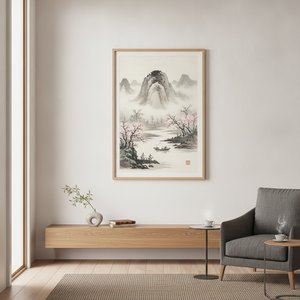
The Beauty of Ink Wash: Discover Serene & Soulful Art for Your Home
Discover the tranquil beauty of ink wash painting. Explore how Sumi-e and monochrome landscapes bring Zen-inspired serenity and soulful elegance to your home decor through expert curation and timeless East Asian aesthetics.

