წინასწარი ნახვა
 გაგზავნა
 გაზიარება
 დეტალები
 გზამკვლევი

 ჩამოტვირთვა
 მსგავსები
 რენტგენოგრაფიული კვლევა
 სლაიდშოუ
 კითხვა-პასუხი
 სტატისტიკა
untitled (5545)


 გააგრძელეთ კითხვა
ამ გვერდზე წარმოდგენილი ნამუშევარი დაცულია საავტორო უფლების შესახებ კანონმდებლობით, რაც იმას ნიშნავს, რომ ჩვენ არ გვაქვს მისი იდენტური რეპროდუქციის შექმნის ან გაყიდვის სამართლებრივი უფლება. აღნიშნული დაცვა უზრუნველყოფილია ისეთი საერთაშორისო შეთანხმებებით, როგორიცაა ბერნის კონვენცია და ეროვნული კანონმდებლობით, მათ შორის იმ კანონებით, რომლებიც დეტალურად არის გაწერილი აშშ-ის საავტორო უფლების შესახებ კანონი - თავი 17.
ეს მეთოდი სრულად შეესაბამება საავტორო უფლებების რეგულაციებს, რადგან ის არ გულისხმობს დაცული ნამუშევრის კოპირებას ან დუბლირებას. ამგვარად, ეს წარმოადგენს შემოქმედებით რეინტერპრეტაციას — ახალ ნახატს, რომელიც შთაგონებითაა განპირობებული ორიგინალით, თუმცა არ არის მის იდენტურ ასლს.
გიკლე / ხელოვნების პრინტი
მუზეუმის დონის ჟიკლე ან ტილოზე ბეჭდვა სწრაფი წარმოებისა და დასრულების მოქნილი ვარიანტებით. ( შეიძინეთ ხელით შესრულებული ნახატი გადართვა ციფრულ გამოსახულებაზე)




P118B ₾10

P118H ₾10

P118W ₾10

P438Z ₾10

P508JH ₾12

P508YH ₾12

P805H ₾10

P805Z ₾10

P919BZ ₾10

P919G ₾10

P919XJ ₾10

P959ZH ₾10

P968JZ ₾12

W106C ₾8

W218G ₾10

W218JH ₾8

W218Y ₾10

W307PJ ₾10

W316G ₾10

W316PJ ₾8

W316Y ₾10

W398PJ ₾8

W4111J ₾10

W500HY ₾15

W500JH ₾15

W692G ₾12

W849H ₾8

W940BG ₾15

W953PJ ₾8




აირჩიეთ ჩვენს მიერ წინასწარ განსაზღვრული ზომებიდან, რომლებიც ნაწარმოების ორიგინალურ პროპორციებს შეესაბამება.

შეიყვანეთ თქვენთვის საჭირო სიგანე და სიმაღლე, რათა გამოსახულებამ თქვენს ჩარჩოს ან კედელს ზუსტად მოერგოს. ბეჭდვისას შესაძლებელია მხოლოდ მისი შემცირება და არა გაზრდა, ამიტომ სხვა ფორმის ზომის შემთხვევაში სურათი ნაწილობრივ იკარგება. სანამ რაიმეს დაბეჭდავთ, ჩვენ გამოგიგზავნით ციფრულ მაკეტს დასდასტურებლად. ამ გვერდზე ნაჩვენები სურათი არ ასახავს რეალურ ჭრას — ამას მხოლოდ მაკეტი გვიჩვენებს.
მიწოდება მთელ მსოფლიოში () 2 კვირაში, სტანდარტული 4/5 კვირის ნაცვლად. (7 ნოემბერი)

უფასო ექსპრეს მიწოდება მთელ მსოფლიოში

მაღალი ხარისხის ტილოს ქსოვილი

ტრანსპორტირების სრული დაზღვევა

საბაჟო გადასახადების დაბრუნების გარანტია

ფერების სრული შესაბამისობის გარანტია

დაბრუნების 100-დღიანი პოლიტიკა (მხოლოდ დეფექტის შემთხვევაში)

100% თანხის სრული დაბრუნების გარანტია

ფასდაკლება დიდი რაოდენობით შეკვეთისას
 მინის ჩარჩოს არჩევანი შესაძლებელია მხოლოდ 110 სმ-მდე ზომისთვის

untitled (5545)
გიკლე / ხელოვნების პრინტი
რეპროდუქციის ზომა
-


საბოლოო ღირებულება
₾ 211
A Threshold Between Reality and Illusion
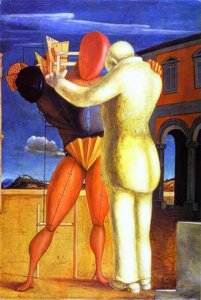
In the hauntingly beautiful untitled (5545), Giorgio de Chirico invites us into a realm where the boundaries of the conscious mind dissolve into a dreamscape of profound mystery. Painted in 1968, this surrealist masterpiece presents a scene that feels both profoundly still and vibrantly alive, capturing a moment suspended between the tangible world and the depths of the subconscious. Two figures stand poised upon a weathered wooden floor, their presence anchored by the striking brilliance of vibrant crimson trousers. To the left, a man in a blue hat clutches a white mask, a gesture that immediately evokes themes of identity, concealment, and the masks we wear in life. Beside him, a companion wearing scarlet headwear carries a black bag, adding to the enigmatic narrative of a journey interrupted or perhaps just beginning. The focal point, a bold red door, stands as a silent sentinel against a dark, receding background, pulling the viewer’s gaze into a space that feels both intimate and infinitely vast.
The Architecture of the Subconscious
De Chirico’s technique is a masterclass in meticulous draftsmanship, where precise lines and deliberate shading create a sense of profound detachment and stillness. The artist employs an unsettling juxtaposition of familiar objects—a door, a hat, a mask—rendered with such clarity that they take on a dreamlike, illogical quality characteristic of the Surrealist movement. This interplay of light and shadow is central to the work's emotional weight; the dark, void-like background amplifies the luminosity of the figures, casting them into a spotlight of existential importance. This stylistic choice reflects the deeper intellectual currents that shaped De Chirico’s vision, drawing from the philosophical shadows of Nietzsche and Schopenhauer. Just as these thinkers explored the irrational forces and existential anxieties of human experience, De Chirico uses his brush to map the unsettling landscapes of the psyche, where every shadow holds a secret and every object carries a weight of symbolic meaning.
Symbolism and the Collector's Vision
For the discerning collector or interior designer, this piece offers far more than mere decoration; it provides a profound emotional anchor for any curated space. The red door serves as a potent symbol of transition and uncertainty, acting as a gateway to an unknown inner world that remains tantalizingly out of reach. Meanwhile, the mask embodies the layers of anonymity and the hidden anxieties that reside beneath the surface of our daily consciousness.
When considering this work for a high-quality reproduction in a modern interior, one must consider its dramatic impact:
- Visual Contrast: The sharp juxtaposition of vibrant reds against muted, dark tones creates a striking focal point that can transform the energy of a room.
- Narrative Depth: The painting invites continuous re-interpretation, making it a conversational centerpiece for those who appreciate art with intellectual substance.
- Atmospheric Weight: The sense of solitude and mystery inherent in the composition lends an air of sophisticated introspection to any gallery or living space.
კითხვები და პასუხები
რა ატმოსფეროს შექმნის ოთახში Giorgio დე ჩირიკო-ის „untitled (5545)“-ის რეპროდუქცია?
Giorgio დე ჩირიკო-ის „untitled (5545)“-ის Dramatic ატმოსფერო იდეალურად ერგება მის რეკომენდებულ სივრცეს: Living Room.
რომელ მიმდინარეობასა და ეპოქას მიეკუთვნება Giorgio დე ჩირიკო-ის „untitled (5545)“?
Giorgio დე ჩირიკო-ის „untitled (5545)“ მიეკუთვნება Surrealism სტილს და მისი შემოქმედების თანამედროვე ეპოქა ეპოქას წარმოადგენს.
რომელ სტილს მიეკუთვნება "untitled (5545)"?
Giorgio დე ჩირიკო-ის „untitled (5545)“ მიეკუთვნება Surrealism მიმდევრობას. ეს მიმდევრობა ნამუშევარს სტილისტურ კონტექსტს სძენს.
მხატვრის ბიოგრაფია
A Dreamscape of the Mind: The Life and Art of Giorgio de Chirico
Giorgio de Chirico, born July 10, 1888, in Volos, Greece, to Italian parents—a Genoese mother and a Sicilian father—was an artist whose vision profoundly shaped the landscape of modern art. His formative years were spent absorbing classical influences alongside burgeoning anxieties about the human condition, setting him on a path toward creating what would become known as Metaphysical Art – a genre that continues to fascinate and unsettle audiences today. From his early studies at Athens Polytechnic through his groundbreaking collaborations with Surrealist thinkers like René Magritte and Salvador Dalí, de Chirico’s artistic journey was marked by intellectual rigor and an unwavering commitment to exploring the depths of human consciousness.Early Influences & Artistic Formation
De Chirico's initial exposure to art began in Munich during his formative years at the Polytechnic, where he encountered the works of Arnold Böcklin and Max Klinger—artists whose evocative landscapes and symbolic imagery instilled within him a fascination for mythology and the subconscious mind. These artists championed the expressive power of suggestion rather than literal representation, mirroring de Chirico’s own desire to capture intangible emotions and psychological states. Simultaneously, he immersed himself in the philosophical currents of his time – particularly the writings of Friedrich Nietzsche, Arthur Schopenhauer, and Otto Weininger – which interrogated fundamental questions about existence, morality, and the nature of reality. Nietzsche's concept of the Übermensch (Superman), Schopenhauer’s pessimism regarding human suffering, and Weininger’s exploration of sexual desire served as intellectual catalysts for de Chirico’s artistic explorations.The Birth of Metaphysical Art
Around 1909, a singular style began to coalesce from de Chirico's investigations – Metaphysical Art. Rejecting Impressionistic conventions and rejecting the pursuit of objective observation, he embarked on an ambitious endeavor to depict a reality beyond the visible world—a realm where time and space warped according to internal psychological processes. The catalyst for this stylistic revolution arrived during his visit to Florence and Piazza Santa Croce; witnessing the unsettling stillness of the square and encountering mannequins amidst classical architecture sparked his iconic ‘Metaphysical Town Square’ series. These paintings are characterized by elongated shadows, illogical perspectives, and a disconcerting juxtaposition of familiar architectural elements with incongruous figures—creating an atmosphere of profound melancholy and disorientation. De Chirico's meticulous attention to detail – capturing the textures of stone, the subtle gradations of light, and the vacant expressions of his mannequins – underscored his conviction that art could illuminate hidden truths about human experience.Collaboration & Surrealist Legacy
De Chirico’s artistic vision gained considerable momentum through collaborations with Surrealist thinkers like René Magritte and Salvador Dalí. Recognizing the potential for exploring dreamlike imagery and subconscious symbolism, he embraced Surrealism's techniques of juxtaposition and irrational association—resulting in artworks that challenged conventional perceptions of reality and provoked viewers to confront unsettling psychological dilemmas. His influence extended far beyond Surrealism, impacting later movements such as Magic Realism, which sought to depict everyday life with a heightened sense of mystery and emotional depth. Artists like Magritte and Dalí adopted de Chirico’s stylistic innovations—particularly his use of perspective and symbolic imagery—to craft their own mesmerizing visions of the inner landscape.A Lasting Influence & Artistic Significance
Giorgio de Chirico died in 1978, leaving behind a legacy as one of the most influential figures in 20th-century art. His pioneering exploration of Metaphysical Art irrevocably altered artistic conventions and ushered in a new era of psychological realism—inspiring generations of artists to grapple with existential anxieties and to reimagine the boundaries between consciousness and unconsciousness. De Chirico’s paintings continue to resonate powerfully with audiences today, prompting contemplation on themes of solitude, memory, and the elusive nature of truth. His unwavering dedication to craftsmanship and his profound understanding of human psychology cemented his place as a visionary artist whose work transcends time—reminding us that art possesses the capacity to illuminate the deepest recesses of our minds and to transform our perception of the world around us.
Giorgio დე ჩირიკო
1888 - 1978 , საბერძენი საქართველო
მოკლე ინფორმაცია
- Artistic Movement Or Style: მეტაფიზიკური ხელოვნება
- Artists Who Influenced This Artist:
- არნოლ্ড ბოಕ್ლินი
- მ্যাক კლინგი
- ფრიドリხ ნიცშე
- Date Of Birth: 10 ივლისი 1888 წელი
- Date Of Death: 1978 წელი
- Full Name: Giorgio de Chirico
- Nationality: იტალიელი
- Notable Artworks:
- ფიქცის დაღმაყოფა
- გზავნილი დღევანდელი დილა
- სიყვარულის სიმღერა
- Place Of Birth: Волос, Греция
დაკავშირებული სტატიები
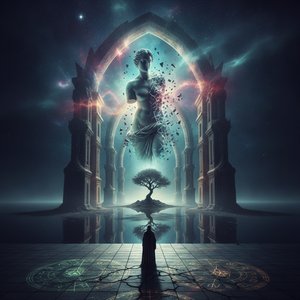
Beyond Reality: Discover the Haunting Beauty and Philosophical Depth of Metaphysical Art
Explore the haunting beauty of Metaphysical Art. Delve into Giorgio de Chirico’s dreamlike landscapes, the movement's profound connection to Surrealism, and the philosophical mysteries hidden within its eerie, silent piazzas.

როμανტიზმის ეპოქის ტენდერება: საუკეთესო 10 შედევრი, რომელმაც განსაზღვრა ლანშაფტური მხატვრობა
აღმოფრთოვანდით რომანტიზმის ეპოქის 10 საუკეთესო ლანშაფტური შედევრით! ტერნერი, კორტო და სხვა მხატვრების ნაწარმოებები. იხილეთ მათი ისტორია და აღმოგეყვინებათ ხელოვნების márgali. შეიძინეთ მაღალი ხარისბის რესტავრაციული ასლები OriginalUniqueArt.com-ზე!

ფრანცისკო გოიას 25 შედევრი: ხელოვნების ისტორიაში გამორჩეული ნაწარმოებები | OriginalUniqueArt.com
გაიცანით ფრანცისკო გოიას 25 გამორჩეული შედევრი! რომანტიზმის ბრწყინვალე წარმომადგენლის ტილოები, ისტორიული სიღრმე და განსაცვიფრებელი სილამაზე. შეიძინეთ ხელოვნების რეკონსტრუქციები OriginalUniqueArt.com-ზე და შექმენით თქვენი ოცნების ინტერიერი.
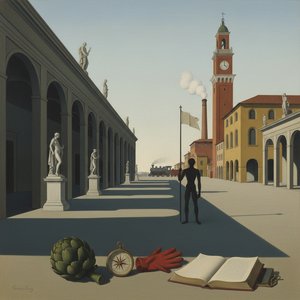
Giorgio de Chirico: Metaphysical Realities & the Poetics of Absence
Explore the captivating world of Giorgio de Chirico and his groundbreaking Metaphysical painting movement. Discover the philosophical depths & surreal imagery that influenced generations of artists. Learn more at OriginalUniqueArt.

Beyond Reality's Veil: Exploring the Enigmatic World of Metaphysical Art
Explore the captivating world of Metaphysical art with OriginalUniqueArt. Discover Giorgio de Chirico's iconic paintings, philosophical influences & lasting impact on Surrealism. Expert insights for collectors.