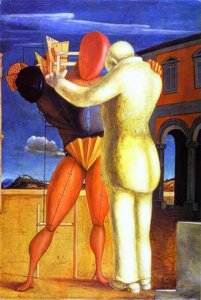
წინასწარი ნახვა
 გაგზავნა
 გაზიარება
 დეტალები

 ჩამოტვირთვა
 მსგავსები
 რენტგენოგრაფიული კვლევა
 სლაიდშოუ
 სტატისტიკა
Self Portrait with Palette
 Oil On Canvas
- WallArt
- Neo-Baroque Surrealism
 1960
1960 45.0 x 30.0 cm
 გადასართად დაწვრილებით ნახეთ
გიკლე / ხელოვნების პრინტი
მუზეუმის დონის ჟიკლე ან ტილოზე ბეჭდვა სწრაფი წარმოებისა და დასრულების მოქნილი ვარიანტებით. ( შეიძინეთ ხელით შესრულებული ნახატი გადასვლა ციფრულ გამოსახულებაზე)




P118B $10

P118H $10

P118W $10

P438Z $10

P508JH $12

P508YH $12

P805H $10

P805Z $10

P919BZ $10

P919G $10

P919XJ $10

P959ZH $10

P968JZ $12

W106C $8

W218G $10

W218JH $8

W218Y $10

W307PJ $10

W316G $10

W316PJ $8

W316Y $10

W398PJ $8

W4111J $10

W500HY $15

W500JH $15

W692G $12

W849H $8

W940BG $15

W953PJ $8




აირჩიეთ ჩვენს მიერ წინასწარ განსაზღვრული ზომებიდან, რომლებიც ნაწარმოების ორიგინალურ პროპორციებს შეესაბამება.

თქვენ შეგიძლიათ მიუთითოთ საკუთარი ზომები კონკრეტული ჩარჩოსთვის ან სივრცისთვის მოსარგებლებლად. თუ თქვენ მიერ არჩეული ზომა არ შეესაბამება ორიგინალი გამოსახულების პროპორციებს, ჩვენ ან დავჭრით ნამუშევარს, ან გავაფართოვებთ გამოსახულებას სარკული ან ერთფეროვანი კიდეებით. წარმოების დაწყებამდე თქვენს დასამტკიცებლად გამოგეგზავნებათ ციფრული მაკეტი.
გთხოვთ, გაითვალისწინოთ, რომ ეკრანზე ნაჩვენები წინასწარი ნახვა არ ასახავს რეალურ ჭრას ან გაფართოებას. მხოლოდ მაკეტზე იქნება ზუსტად წარმოდგენილი საბოლოო კომპოზიცია.
მიუხედავად იმისა, რომ ინდივიდუალური ზომები ხელმისაწვდომია, ორიგინალური პროპორციების შესანარჩუნებლად გირჩევთ, აირჩიოთ ზომა წინასწარ განსაზღვრული სიისგან.
მიწოდება მთელ მსოფლიოში () 2 კვირაში, სტანდარტული 4/5 კვირის ნაცვლად. (18 სექტემბერი)

უფასო ექსპრეს მიწოდება მთელ მსოფლიოში

საბამად მაღალი ხარისხის ტილო

სრული ტრანსპორტირების დაზღვევა

საბაჟო გადასახადების დაბრუნების გარანტია

ფერების სრული შესაბამისობის გარანტია

დაბრუნების 100-დღიანი პოლიტიკა (მხოლოდ დეფექტის შემთხვევაში)

100% თანხის დაბრუნების გარანტია

ფასდაკლება დიდი რაოდენობით შეკვეთისას
 მინის ჩარჩოს არჩევანი ხელმისაწვდომია მხოლოდ 110 სმ-ზე ნაკლები ზომისთვის

Self Portrait with Palette
გიკლე / ხელოვნების პრინტი
რეკლამაციის ზომა
-


საბოლოო ფასი
$ 80
A Portrait of Disquiet: De Chirico’s ‘Self Portrait with Palette’
Giorgio de Chirico's 1960 painting, “Self Portrait with Palette,” is not merely a depiction of an artist; it’s a distilled essence of the anxieties and intellectual currents swirling within his uniquely unsettling artistic vision. Measuring a modest 45 x 30 cm, this oil on canvas offers a concentrated dose of the painter's signature style – a haunting blend of neo-Baroque formality and surrealist disquiet. The subject, a man with short hair and spectacles, stands before an implied studio space, holding a palette as if contemplating its potential for creation or destruction. The red jacket, punctuated by crisp white buttons, immediately draws the eye, injecting a note of theatricality into the otherwise muted color scheme – a deliberate contrast to the pervasive sense of melancholy that permeates the work.
Neo-Baroque Echoes and Philosophical Roots
De Chirico’s artistic journey began in Athens, grounding him in classical techniques, yet it was his time in Munich that truly shaped his distinctive style. He found himself profoundly influenced by artists like Arnold Böcklin and Max Klinger, whose evocative landscapes and symbolic imagery established a precedent for the dreamlike quality he would later cultivate. Crucially, De Chirico’s artistic development coincided with a period of intense philosophical debate – the writings of Nietzsche, Schopenhauer, and Weininger explored themes of existentialism, irrationality, and the subjective nature of reality. These ideas aren't simply reflected in his work; they are fundamentally woven into its fabric. The painting embodies this intellectual engagement, suggesting an artist wrestling with profound questions about perception, memory, and the illusory nature of experience.
Symbolism of Space and Object
The setting within “Self Portrait with Palette” is deliberately ambiguous. It’s not a specific studio but rather a constructed space – an architectural stage upon which de Chirico presents himself. The background, rendered in cool, almost detached tones, feels vaguely reminiscent of the architecture found in his earlier works, particularly those depicting deserted cityscapes and classical ruins. This echoes the sense of isolation and temporal displacement that characterizes much of his oeuvre. The palette itself is a key symbolic element. It represents not just the tools of an artist but also the potential for both creation and destruction – a visual metaphor for the creative process itself. The man’s gaze, direct and unwavering, invites the viewer into this unsettling space, forcing us to confront our own interpretations.
Emotional Resonance and Artistic Legacy
“Self Portrait with Palette” is profoundly evocative, radiating a sense of quiet sadness and intellectual unease. It’s a work that lingers in the mind long after viewing, prompting reflection on themes of identity, alienation, and the elusive nature of truth. De Chirico's paintings often evoke a feeling of nostalgia for a lost past or a future that never arrives – a characteristic powerfully realized here. The painting’s stark simplicity, combined with its complex symbolism, makes it a compelling example of de Chirico’s unique artistic language. As an artwork, it stands as a testament to his ability to capture the anxieties and uncertainties of the modern world through a lens of dreamlike imagery and philosophical depth. OriginalUniqueArt offers meticulously crafted hand-painted reproductions that faithfully recreate the nuances of this captivating masterpiece, allowing you to experience its emotional power firsthand.
- Size:** 45 x 30 cm
- Date:** 1960
- Artist:** Giorgio de Chirico
Explore De Chirico’s ‘Nude Self-Portrait 1’ | Discover ‘Self-Portrait with the Bust of Eudipides’ | Witness ‘Self Portrait (10)’
მხატვრის ბიოგრაფია
A Dreamscape of the Mind: The Life and Art of Giorgio de Chirico
Giorgio de Chirico, born July 10, 1888, in Volos, Greece, to Italian parents—a Genoese mother and a Sicilian father—was an artist whose vision profoundly shaped the landscape of modern art. His formative years were spent absorbing classical influences alongside burgeoning anxieties about the human condition, setting him on a path toward creating what would become known as Metaphysical Art – a genre that continues to fascinate and unsettle audiences today. From his early studies at Athens Polytechnic through his groundbreaking collaborations with Surrealist thinkers like René Magritte and Salvador Dalí, de Chirico’s artistic journey was marked by intellectual rigor and an unwavering commitment to exploring the depths of human consciousness.Early Influences & Artistic Formation
De Chirico's initial exposure to art began in Munich during his formative years at the Polytechnic, where he encountered the works of Arnold Böcklin and Max Klinger—artists whose evocative landscapes and symbolic imagery instilled within him a fascination for mythology and the subconscious mind. These artists championed the expressive power of suggestion rather than literal representation, mirroring de Chirico’s own desire to capture intangible emotions and psychological states. Simultaneously, he immersed himself in the philosophical currents of his time – particularly the writings of Friedrich Nietzsche, Arthur Schopenhauer, and Otto Weininger – which interrogated fundamental questions about existence, morality, and the nature of reality. Nietzsche's concept of the Übermensch (Superman), Schopenhauer’s pessimism regarding human suffering, and Weininger’s exploration of sexual desire served as intellectual catalysts for de Chirico’s artistic explorations.The Birth of Metaphysical Art
Around 1909, a singular style began to coalesce from de Chirico's investigations – Metaphysical Art. Rejecting Impressionistic conventions and rejecting the pursuit of objective observation, he embarked on an ambitious endeavor to depict a reality beyond the visible world—a realm where time and space warped according to internal psychological processes. The catalyst for this stylistic revolution arrived during his visit to Florence and Piazza Santa Croce; witnessing the unsettling stillness of the square and encountering mannequins amidst classical architecture sparked his iconic ‘Metaphysical Town Square’ series. These paintings are characterized by elongated shadows, illogical perspectives, and a disconcerting juxtaposition of familiar architectural elements with incongruous figures—creating an atmosphere of profound melancholy and disorientation. De Chirico's meticulous attention to detail – capturing the textures of stone, the subtle gradations of light, and the vacant expressions of his mannequins – underscored his conviction that art could illuminate hidden truths about human experience.Collaboration & Surrealist Legacy
De Chirico’s artistic vision gained considerable momentum through collaborations with Surrealist thinkers like René Magritte and Salvador Dalí. Recognizing the potential for exploring dreamlike imagery and subconscious symbolism, he embraced Surrealism's techniques of juxtaposition and irrational association—resulting in artworks that challenged conventional perceptions of reality and provoked viewers to confront unsettling psychological dilemmas. His influence extended far beyond Surrealism, impacting later movements such as Magic Realism, which sought to depict everyday life with a heightened sense of mystery and emotional depth. Artists like Magritte and Dalí adopted de Chirico’s stylistic innovations—particularly his use of perspective and symbolic imagery—to craft their own mesmerizing visions of the inner landscape.A Lasting Influence & Artistic Significance
Giorgio de Chirico died in 1978, leaving behind a legacy as one of the most influential figures in 20th-century art. His pioneering exploration of Metaphysical Art irrevocably altered artistic conventions and ushered in a new era of psychological realism—inspiring generations of artists to grapple with existential anxieties and to reimagine the boundaries between consciousness and unconsciousness. De Chirico’s paintings continue to resonate powerfully with audiences today, prompting contemplation on themes of solitude, memory, and the elusive nature of truth. His unwavering dedication to craftsmanship and his profound understanding of human psychology cemented his place as a visionary artist whose work transcends time—reminding us that art possesses the capacity to illuminate the deepest recesses of our minds and to transform our perception of the world around us.
Giorgio დე ჩირიკო
1888 - 1978 , საბერძენი საქართველო
მოკლე ინფორმაცია
- Artistic Movement Or Style: მეტაფიზიკური ხელოვნება
- Artists Who Influenced This Artist:
- არნოლ্ড ბოಕ್ლินი
- მ্যাক კლინგი
- ფრიドリხ ნიცშე
- Date Of Birth: 10 ივლისი 1888 წელი
- Date Of Death: 1978 წელი
- Full Name: Giorgio de Chirico
- Nationality: იტალიელი
- Notable Artworks:
- ფიქცის დაღმაყოფა
- გზავნილი დღევანდელი დილა
- სიყვარულის სიმღერა
- Place Of Birth: Волос, Греция
დაკავშირებული სტატიები
Giorgio de Chirico: Metaphysical Realities & the Poetics of Absence
Explore the captivating world of Giorgio de Chirico and his groundbreaking Metaphysical painting movement. Discover the philosophical depths & surreal imagery that influenced generations of artists. Learn more at OriginalUniqueArt.

About Us
Discover our story! We bring world-class art into your life through expert curation, personalized creations, and free previews. Trusted by individuals and businesses since 2000.

ბարოკოს ეტალონები: 10 შედევრი, რომელმაც განსაზღვრა ეს სტილი | OriginalUniqueArt
აღმოფრთოვანდით ბაროკოს ეპოქის 10 უმშვენიერეს შედევრთან! კარავაჯო, რემბრანდტი და ვერმეერი – გი tanıtեք ამ დიდებულ ხელოვანებს. იხილეთ მათი საუკეთესო ნაშრომები და შექმენით თქვენი სახლისთვის უნიკალური დეკორი OriginalUniqueArt-თან!

ფრანცისკო გოიას 25 შედევრი: ხელოვნების ისტორიაში გამორჩეული ნაწარმოებები | OriginalUniqueArt.com
გაიცანით ფრანცისკო გოიას 25 გამორჩეული შედევრი! რომანტიზმის ბრწყინვალე წარმომადგენლის ტილოები, ისტორიული სიღრმე და განსაცვიფრებელი სილამაზე. შეიძინეთ ხელოვნების რეკონსტრუქციები OriginalUniqueArt.com-ზე და შექმენით თქვენი ოცნების ინტერიერი.

Beyond Reality's Veil: Exploring the Enigmatic World of Metaphysical Art
Explore the captivating world of Metaphysical art with OriginalUniqueArt. Discover Giorgio de Chirico's iconic paintings, philosophical influences & lasting impact on Surrealism. Expert insights for collectors.