
 გაგზავნა
 გაზიარება
 დეტალები
 გზამკვლევი

 ჩამოტვირთვა
 მსგავსები
 სლაიდშოუ
 Q&A
Q&A სტატისტიკა
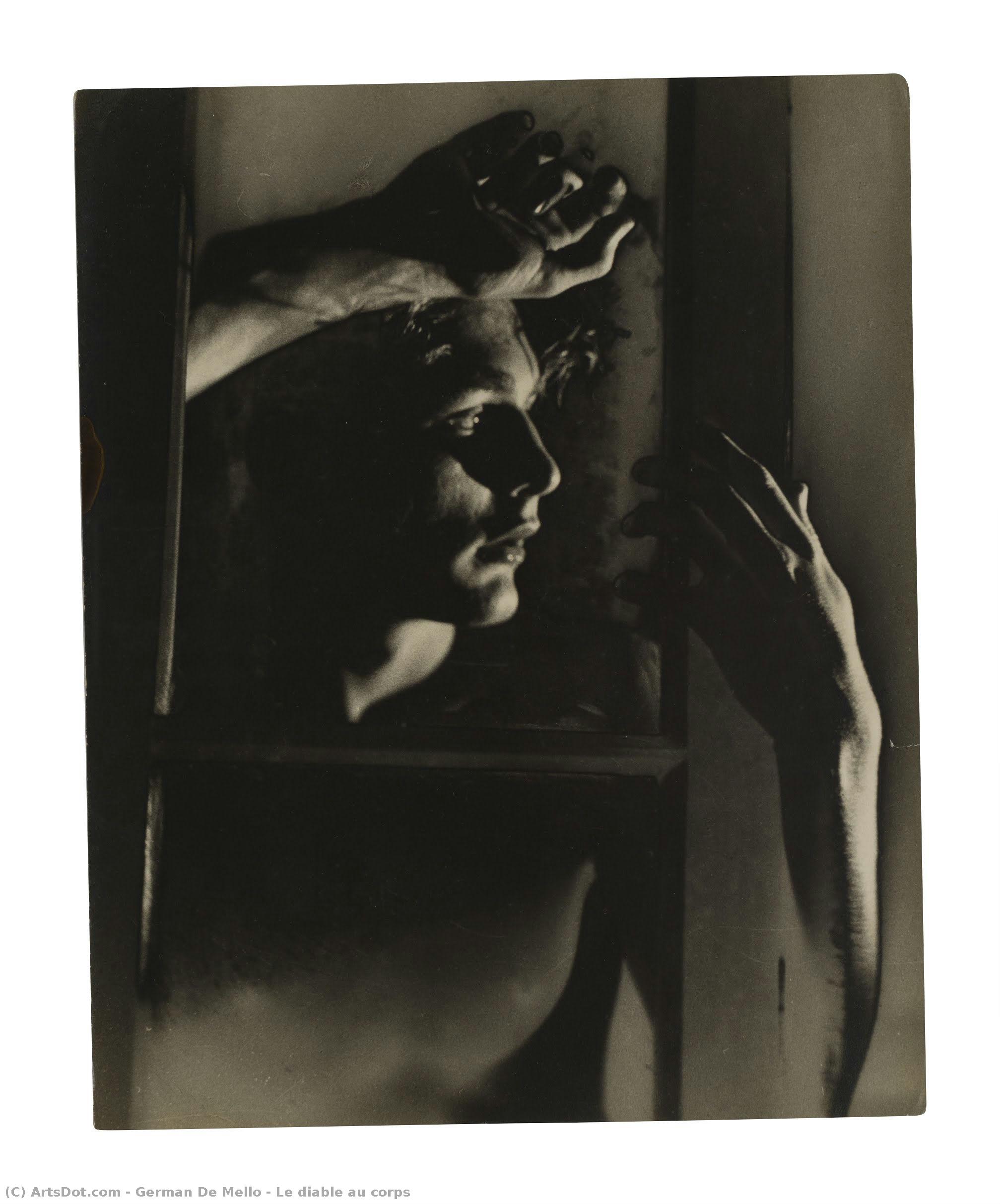
Le diable au corps
 Black and White Photography
- Photo
- German Expressionism
 1949
1949- Modern
 Μουσείο Τέχνης Σαο Παυλοῦ Άσσις Χατεάουμπριάνδ
 სრული ტექსტის ნახვა
ამ გვერდზე წარმოდგენილი ნამუშევარი დაცულია საავტორო უფლების შესახებ კანონმდებლობით, რაც იმას ნიშნავს, რომ ჩვენ არ გვაქვს მისი იდენტური რეპროდუქციის შექმნის ან გაყიდვის სამართლებრივი უფლება. აღნიშნული დაცვა უზრუნველყოფილია ისეთი საერთაშორისო შეთანხმებებით, როგორიცაა ბერნის კონვენცია და ეროვნული კანონმდებლობით, მათ შორის იმ კანონებით, რომლებიც დეტალურად არის გაწერილი აშშ-ის საავტორო უფლების შესახებ კანონი - თავი 17.
ეს მეთოდი სრულად შეესაბამება საავტორო უფლებების რეგულაციებს, რადგან ის არ გულისხმობს დაცული ნამუშევრის კოპირებას ან დუბლირებას. ამგვარად, ეს წარმოადგენს შემოქმედებით რეინტერპრეტაციას — ახალ ნახატს, რომელიც შთაგონებითაა განპირობებული ორიგინალით, თუმცა არ არის მის იდენტურ ასლს.
გიკლე / ხელოვნების პრინტი
მუზეუმის დონის ჟიკლე ან ტილოზე ბეჭდვა სწრაფი წარმოებისა და დასრულების მოქნილი ვარიანტებით. ( შეიძინეთ ხელით შესრულებული ნახატი გადასვლა ციფრულ გამოსახულებაზე)




































აირჩიეთ ჩვენს მიერ წინასწარ განსაზღვრული ზომებიდან, რომლებიც ნაწარმოების ორიგინალურ პროპორციებს შეესაბამება.

შეიყვანეთ თქვენთვის საჭირო სიგანე და სიმაღლე, რათა იგი მოერგოს თქვენს ჩარჩოს ან კედელს. ბეჭდვისას შესაძლებელია მხოლოდ მისი შემცირება და არა გაზრდა, ამიტომ სხვა ფორმის ზომის შემთხვევაში გამოსახულება ნაწილობრივ იკარგება. სანამ რაიმეს დაბეჭდავთ, ჩვენ გამოგიგზავნით ციფრულ მაკეტს დასდასტურებლად. ამ გვერდზე ნაჩვენები სურათი არ ასახავს რეალურ ჭრას — ამას მხოლოდ მაკეტი გვიჩვენებს.
მიწოდება მთელ მსოფლიოში () 2 კვირაში, სტანდარტული 4/5 კვირის ნაცვლად. (29 ოქტომბერი)

უფასო ექსპრეს მიწოდება მთელ მსოფლიოში

მაღალი ხარისხის ტილო

ტრანსპორტირების სრული დაზღვევა

საბაჟო გადასახადების დაბრუნების გარანტია

ფერების სრული შესაბამისობის გარანტია

დაბრუნების 100-დღიანი პერიოდი (მხოლოდ წარმოების დეფექტის შემთხვევაში)

100% თანხის სრული დაბრუნების გარანტია

ფასდაკლება დიდი რაოდენობით შეკვეთისას
 მინის ჩარჩოს არჩევანი ხელმისაწვდომია მხოლოდ 110 სმ-მდე ზომისთვის

Le diable au corps
გიკლე / ხელოვნების პრინტი
რეპროდუქციის ზომა
-


ჯამური ღირებულება
₾ 208
The Raw Intimacy of Shadow and Light
In the evocative monochrome world of German De Mello, certain moments transcend mere documentation to become profound psychological portraits. Le diable au corps, captured in 1949, stands as a haunting testament to this mastery. The photograph presents a man caught in a private moment of intense vulnerability, his hands raised toward his face in a gesture that oscillates between deep distress and a desperate search for solace. Through the stark, high-contrast lens of mid-century black and white photography, De Mello strips away the distractions of color, forcing the viewer to confront the raw, unadorned texture of human emotion. The way the light clings to the contours of his fingers and the tension in his closed eyes creates a sculptural quality, turning a fleeting expression into an enduring monument of existential struggle.
The technical brilliance of this piece lies in its ability to utilize the absence of light as much as the presence of it. De Mello, a pivotal figure in the Brazilian photography movement and a member of the prestigious Foto Cinema Clube Bandeirante, possessed an uncanny ability to manipulate shadows to direct the viewer's emotional journey. In this work, the deep blacks serve not just as a background, but as a heavy, atmospheric weight that presses upon the subject, mirroring the internal pressure of his visible discomfort. The grain of the film adds a tactile, organic layer to the composition, lending an air of authenticity and timelessness that makes the man's silent cry feel both immediate and ancient.
A Window into the Human Condition
Beyond its technical execution, Le diable au corps functions as a powerful symbol of the universal human experience. The title itself—suggesting a "devil in the flesh"—invites us to contemplate the internal conflicts, passions, and demons that reside within every individual. There is a profound sense of solitude in this image; though we gaze upon him, we are witnesses to a struggle that is deeply solitary. For the collector or the art enthusiast, this piece offers more than just visual beauty; it provides a meditative focal point that encourages introspection. It captures that precise, agonizing second where the weight of the world becomes too much to bear, yet remains frozen in a state of dignified, artistic grace.
For interior designers and curators of fine spaces, this photograph offers a sophisticated way to introduce depth and narrative into a room. Its monochromatic palette allows it to integrate seamlessly into modern, minimalist, or classic gallery-style decors, acting as a soulful anchor in an environment. A high-quality reproduction of this work brings with it a sense of historical gravity and intellectual prestige. It is a piece designed for those who appreciate art that does not merely decorate a wall but speaks to the soul, inviting conversation and providing a window into the complex, beautiful, and often turbulent landscape of human emotion.
კითხვები და პასუხები
რა სხვა სახელებით არის ცნობილი German De Mello?
German De Mello ასევე ცნობილია შემდეგი ალტერნატიული სახელებით: German Lorca.
თარიღის გათვალისწინებით, German De Mello-ის შემოქმედების რომელ ეტაპს მიეკუთვნება „Le diable au corps“?
მისი 1949 წლის თარიღიდან გამომდინარე, „Le diable au corps“ ეკუთვნის German De Mello-ის Mature Expressionism-ს.
როგორი განლაგება შეესაბამება German De Mello-ის „Le diable au corps“-ის ფორმატს?
Portrait ფორმისთვის, „Le diable au corps“-ის რეპროდუქცია, რეკომენდებულია Living Room-ისთვის.
მხატვრის ბიოგრაფია
Early Life and Influences
- Born: São Paulo, Brazil (1922)
- Died: 2021
- Initially studied accounting at Liceu Acadêmico de São Paulo.
- Started his own accounting business in 1952 before dedicating himself to photography.
- Joined Foto Cinema Clube Bandeirante in 1959, a pivotal group for Brazilian photographers like Thomaz Farkas and Chico Albuquerque.
- Served as the official photographer for the celebration of the 400th anniversary of São Paulo in 1954.
Artistic Development and Key Works
- Known primarily for his striking black and white photographs.
- His work showcases a unique approach to visual composition and attention to detail.
- Notable works include:
- Le Diable au Corps (1949): A significant early photograph demonstrating his artistic vision.
- Curvas Concêntricas (1955): Highlights his compositional skills.
- Apartments or: Captures the essence of urban living.
- Still Life: Demonstrates meticulous attention to detail.
- His photography often explored themes of urban life and still life subjects.
Style and Techniques
- Distinctive Style: German de Mello’s style is characterized by its stark simplicity, masterful use of light and shadow, and a keen eye for geometric forms.
- Technical Proficiency: He was highly skilled in traditional photographic techniques, particularly black-and-white printing.
- Compositional Approach: His compositions often feature carefully arranged elements that create a sense of balance and harmony.
- Influences: The Foto Cine Clube Bandeirante played a crucial role in shaping his artistic development, exposing him to modernist photographic trends.
Recognition and Legacy
- His photographs are housed in prestigious museums including the Museu de Arte de São Paulo Assis Chateaubriand (MASP).
- Recognized as a key figure of the "Escola Paulista de Fotografia" (São Paulo School of Photography).
- Continued to be celebrated for his contributions to Brazilian photography well into his later years.
- His work has been exhibited internationally, solidifying his place in art history.
- Died in 2021 leaving behind a legacy of captivating photographs that continue to inspire artists and photographers.
Historical Significance
- Pioneer of Brazilian Photography: De Mello was instrumental in the development of modern photography in Brazil, contributing significantly to its artistic recognition.
- Documenting Urban Life: His photographs offer a valuable visual record of São Paulo and its evolving urban landscape during the mid-20th century.
- Influence on Subsequent Generations: His unique style and approach have influenced countless photographers in Brazil and beyond.
- Preservation of Cultural Heritage: Through his work, he helped preserve a vital part of Brazilian cultural heritage for future generations.

German De Mello
1922 - 2021 , Brazil
მოკლე ფაქტები
- Artistic Movement Or Style: Photography
- Artists Who Influenced This Artist:
- Thomaz Farkas
- Chico Albuquerque
- Date Of Birth: 1922
- Date Of Death: 2021
- Full Name: German de Mello
- Nationality: Brazilian
- Notable Artworks:
- Le Diable Au Corps
- Curvas Concêntricas
- Apartments or
- Still Life
- Place Of Birth: São Paulo, Brazil
მსგავსი სტატიები

10 Iconic Black and White Photos That Redefined Art History
Journey through time with 10 iconic black and white photography masterpieces. From Ansel Adams to Cartier-Bresson, explore the stories behind these timeless monochrome legends. Find museum-quality art reproductions for your decor at OriginalUniqueArt.com. Discover all masterpieces online.

10 Iconic Black and White Photographs That Redefined Art History
Journey through history with 10 iconic black and white photography masterpieces. Explore the stories behind legendary monochrome works and find inspiration for museum-quality art reproductions and decor. Discover all masterpieces on OriginalUniqueArt.com.
10 Iconic Black and White Photographs That Redefined Art History
Journey through history with 10 iconic black and white photography masterpieces. Explore the stories, techniques, and legendary artists behind these timeless monochrome works. Find museum-quality art reproductions for your space at OriginalUniqueArt.com. Discover all masterpieces online.

10 Iconic Black and White Photographs That Redefined Art History
Journey through time with 10 iconic black and white photography masterpieces. Explore the stories of legendary artists and timeless monochrome techniques. Find museum-quality art reproductions and curated decor inspiration at OriginalUniqueArt.com. Discover all masterpieces online.

10 Iconic Black and White Photographs That Redefined Art History
Journey through time with 10 iconic black and white photography masterpieces. Explore the stories, techniques, and legends that redefined art history. Find museum-quality reproductions and timeless decor inspiration at OriginalUniqueArt.com. Discover all masterpieces on OriginalUniqueArt.com