

 ნახვა ინტერьерში
 გაგზავნა
 გაზიარება
 დეტალები
 გზამკვლევი

 ჩამოტვირთვა
 მსგავსები
 რენტგენოგრაფიული კვლევა
 სლაიდშოუ
 სტატისტიკა
Star Picture
 Acrylic On Canvas
- WallArt
- Contemporary Abstract Expressionism
 1969
1969 70.0 x 70.0 cm
 სრული ტექსტის ნახვა
ამ გვერდზე წარმოდგენილი ნამუშევარი დაცულია საავტორო უფლების შესახებ კანონმდებლობით, რაც იმას ნიშნავს, რომ ჩვენ არ გვაქვს მისი იდენტური რეპროდუქციის შექმნის ან გაყიდვის სამართლებრივი უფლება. აღნიშნული დაცვა უზრუნველყოფილია ისეთი საერთაშორისო შეთანხმებებით, როგორიცაა ბერნის კონვენცია და ეროვნული კანონმდებლობით, მათ შორის იმ კანონებით, რომლებიც დეტალურად არის გაწერილი აშშ-ის საავტორო უფლების შესახებ კანონი - თავი 17.
ეს მეთოდი სრულად შეესაბამება საავტორო უფლებების რეგულაციებს, რადგან ის არ გულისხმობს დაცული ნამუშევრის კოპირებას ან დუბლირებას. ამგვარად, ეს წარმოადგენს შემოქმედებით რეინტერპრეტაციას — ახალ ნახატს, რომელიც შთაგონებითაა განპირობებული ორიგინალით, თუმცა არ არის მის იდენტურ ასლს.
გიკლე / ხელოვნების პრინტი
მუზეუმის დონის ჟიკლე ან ტილოზე ბეჭდვა სწრაფი წარმოებისა და დასრულების მოქნილი ვარიანტებით. ( შეიძინეთ ხელით შესრულებული ნახატი გადასვლა ციფრულ გამოსახულებაზე)




P118B ₾10

P118H ₾10

P118W ₾10

P438Z ₾10

P508JH ₾12

P508YH ₾12

P805H ₾10

P805Z ₾10

P919BZ ₾10

P919G ₾10

P919XJ ₾10

P959ZH ₾10

P968JZ ₾12

W106C ₾8

W218G ₾10

W218JH ₾8

W218Y ₾10

W307PJ ₾10

W316G ₾10

W316PJ ₾8

W316Y ₾10

W398PJ ₾8

W4111J ₾10

W500HY ₾15

W500JH ₾15

W692G ₾12

W849H ₾8

W940BG ₾15

W953PJ ₾8




აირჩიეთ ჩვენს მიერ წინასწარ განსაზღვრული ზომებიდან, რომლებიც ნაწარმოების ორიგინალურ პროპორციებს შეესაბამება.

შეიყვანეთ თქვენთვის საჭირო სიგანე და სიმაღლე, რათა იგი მოერგოს თქვენს ჩარჩოს ან კედელს. ბეჭდვისას შესაძლებელია მხოლოდ მისი შემცირება და არა გაზრდა, ამიტომ სხვა ფორმის ზომის შემთხვევაში გამოსახულება ნაწილობრივ იკარგება. სანამ რაიმეს დაბეჭდავთ, ჩვენ გამოგიგზავნით ციფრულ მაკეტს დასდასტურებლად. ამ გვერდზე ნაჩვენები სურათი არ ასახავს რეალურ ჭრას — ამას მხოლოდ მაკეტი გვიჩვენებს.
მიწოდება მთელ მსოფლიოში () 2 კვირაში, სტანდარტული 4/5 კვირის ნაცვლად. (23 ოქტომბერი)

უფასო ექსპრეს მიწოდება მთელ მსოფლიოში

მაღალი ხარისხის ტილო

ტრანსპორტირების სრული დაზღვევა

საბაჟო გადასახადების დაბრუნების გარანტია

ფერების სრული შესაბამისობის გარანტია

დაბრუნების 100-დღიანი პერიოდი (მხოლოდ წარმოების დეფექტის შემთხვევაში)

100% თანხის სრული დაბრუნების გარანტია

ფასდაკლება დიდი რაოდენობით შეკვეთისას
 მინის ჩარჩოს არჩევანი ხელმისაწვდომია მხოლოდ 110 სმ-მდე ზომისთვის

Star Picture
გიკლე / ხელოვნების პრინტი
რეპროდუქციის ზომა
-


ჯამური ღირებულება
₾ 209
A Universe Suspended in Black: Decoding Gerhard Richter’s ‘Star Picture’
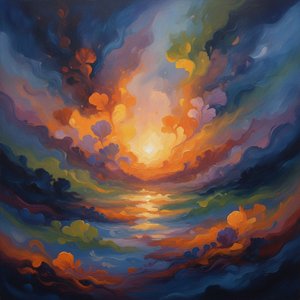
Gerhard Richter's *Star Picture*, created in 1969, is not a depiction of celestial bodies as one might initially assume, but rather an exploration of perception, abstraction, and the very nature of painting itself. Emerging from a period of intense artistic experimentation, this work embodies Richter’s characteristic blurring of boundaries – between representation and abstraction, control and chance, clarity and ambiguity. The canvas is dominated by deep blacks and grays, swirling and intersecting to create a sense of depth that feels both vast and claustrophobic simultaneously. It's not an image *of* something; it *is* something—a concentrated field of visual energy. The painting’s surface isn’t smooth or pristine; instead, Richter employs a technique reminiscent of dragging and smearing, building up layers of paint that suggest movement and a kind of chaotic order. This process is crucial to understanding the work's emotional resonance: it evokes the feeling of looking into an infinite darkness, punctuated by fleeting glimpses of light—a visual metaphor for the mysteries of the universe or perhaps the complexities of the human psyche.The Echoes of Post-War Germany and Artistic Rebellion
To fully appreciate *Star Picture*, one must consider the historical context in which it was created. Richter’s early life was profoundly shaped by the trauma of World War II and the subsequent division of Germany. Born in Dresden in 1932, he experienced displacement and hardship firsthand, growing up amidst the ruins of a shattered nation. This background instilled in him a deep skepticism towards grand narratives and ideological certainties. His artistic journey began within the constraints of Socialist Realism in East Germany before his daring escape to West Germany in 1961. It was in this new environment that he embarked on a radical re-evaluation of painting’s possibilities, rejecting established styles and embracing experimentation. *Star Picture* is part of a series of works from this period where Richter moved away from photorealism towards abstraction, influenced by artists like Pablo Picasso and Jean Arp but forging his own unique path. The abstract nature of the work can be seen as a rejection of representational art’s ability to capture truth, instead focusing on the subjective experience of seeing and feeling.Technique as Exploration: Blurring the Lines
Richter's technique in *Star Picture* is central to its impact. He famously employed unconventional tools – squeegees, cloths, and even his own hands – to manipulate the paint across the canvas. This method isn’t about precise control; it’s about allowing chance and accident to play a role in the creative process. The resulting surface is textured and dynamic, with layers of pigment overlapping and blending in unpredictable ways. This deliberate blurring challenges traditional notions of artistic skill and authorship. It suggests that the painting isn't solely the product of Richter’s intention but also a collaboration between artist, material, and chance. This approach aligns with the broader currents of post-modern thought, questioning established hierarchies and embracing ambiguity. The size of the work – 70 x 70 cm – further enhances its immersive quality, drawing the viewer into the swirling depths of the composition.A Contemplative Void: Emotional Impact and Lasting Legacy
*Star Picture* is not a painting that offers easy answers or comforting resolutions. Instead, it invites contemplation and encourages viewers to project their own emotions and interpretations onto its enigmatic surface. The darkness can be unsettling, even melancholic, but within it lies a strange beauty—a sense of awe inspired by the vastness and mystery of existence. The work’s enduring appeal stems from its ability to tap into universal human experiences: our fascination with the unknown, our struggle to find meaning in chaos, and our longing for connection to something larger than ourselves. As one of Richter's most celebrated works, *Star Picture* continues to inspire artists and captivate audiences worldwide, solidifying his position as a pivotal figure in contemporary art. A reproduction of this piece offers not just an aesthetic addition to a space but also a powerful invitation to introspection and wonder.კითხვები და პასუხები
არსებობს თუ არა მსგავსი ნამუშევრები, როგორც "Star Picture"?
იგორ ბრიხტერი-ის „Star Picture“-ის მსგავსი ნამუშევრები გვერდი წარმოგიდგენთ მსგავს ნამუშევრებს.
შემიძლება შევუკვეთო "Star Picture"-ის ზეთწარმოებული რეპროდუქცია?
"Star Picture" ხელმისაწვდომია, როგორც ლენის ტილოზე შესრულებული ზეთწარმოთი, ხელით ნათესლით. შეკვეთის განთავსება და ზომების არჩევა შესაძლებელია მისი ხელით ნათესლიერი რეპროდუქცია გვერდის მეშვეობით.
რომელ სტილს მიეკუთვნება "Star Picture"?
იგორ ბრიხტერი-ის „Star Picture“-თან დაკავშირებული ხელოვნების მიმდინარეობა არის Contemporary Abstract Expressionism. ეს კლასიფიკაცია ნამუშევარს მსგავს ხელოვანთა და ქსნეულობათა წრეში ათავსებს.
მხატვრის ბიოგრაფია
გაყოფით ფორმირებული ცხოვრება: გერჰარდრიხტერის ადრეული წლები და მხატვრული სარწმუნოება
გერჰარდრიხტერის ისტორია დაუღუძებლად არის დაკავშირებული მე-20 საუკუნის გერმანიის დამსხვრეულ ისტორიასთან. 1932 წელს დრესდენში დაბადებული მოდგლის ბავშვობა აღმავალი ნაციონალ-სოცალისტური რეჟიმის ჩრდილქვეშ განვითარდა. ეს ფორმირების პერიოდი, რომელიც აღსავსე იყო გადაადგილებებით – მისი ოჯახი ომის წლებში რამდენჯერმე იცვლიდა საცხოვრებელს – მასში დაუGLთდა ღრმა გაურკვევლობის შეგრძნება და ეჭვის სული, რაც მომდევნო ათწლეულების მანძილზე მთელ მის შემოქმედებას გაჰყვებოდა. რაიხენაუსა და ვალტერსდორფში მისი ადრეული ბავშვობის იდილიური პეიზაჟები მალე კონფლიქტებმა დაარღვია, რამაც წარუვალት კვალი დატოვა მის ფსიქიკაზე. მამამისი, მიუხედავად იმისა, რომ ნაცისტური პარტიის ენთუზიასტი არ ყოფილა, სკოლის მასწავლებლის როლში გადამែღბულ ავტორიტარულ რეჟიმში ცხოვრების სირთულეებს უმკლავდებოდა, ხოლო დედას, მარიანეს, ოჯახში ლიტერატურისა და მუსიკისადმი სიყვარული შეუმოყვანა. ეს დუალი – გარემოებების პრაგმატული მიღება და ამავდროულად კულტურული თვითგამოხატვის სწრაფვა – გახდა რიხტერის შემოქმედებითი მიდგომის განმსაზღვრელი ნიშანი. მან ფორმალური სწავლება დრესდენის ლამაზ ხელகანში 1951 წელს დაიწყო, თავდაპირველად ჩაფლული სოციალისტური რეალიზმის ტრადიციებში, რომელსაც აღმოსავლეთ გერმანიის სახელმწიფო მოითხოვდა. თუმცა, ამ შემოფარგლულ გარემოშიც კი, ზედაპირს მიღმა მხატვრული თავისუფლების სურვილი დუღდა, რასაც ამძაფრებდა იდეოლოგიური შეზღუდვების მიმართ მზარდი უკმაყოფილება და უფრო ფართო შემოქმედებითი შესაძლებლობების ძიება.შეზღუდვებისგან თავის დაღწევა: დუსელდორფი და სტილის ძიება
1961 წელი გადამწყვეტი აღმოჩნდა. რიხტერმა, თავის მეუღლესთან, მარიან ევფინგერთან ერთად, თამამი გადაწყვეტილება მიიღო აღმოსავლეთ გერმანიიდან გაქცევაზე, რათა თავი დუსელდორფის მზარდ სამხატვრო სცენას შეესწრებოდა. ამ გადასვლამ რადიკალური ცვლილება მოიტანა მის შემოქმედებით ტრაექტორიაში. დასავლეთ გერმანიის გარემომ შეთავაზა თავისუფალი სივრცე, სადაც ექსპერიმენტები და ინოვაციები არა მხოლოდ დასაშვები, არამედ აქტიურად სტიმულირებადი იყო. დუსელდორფში მან შეხვდა მხატვრების ცოცხალ თემს, რომელიც იდენტობის, რეპრეზენტაციის და ისტორიის მემკვიდრეობის საკითხებს ეჭვობდა. მან სწრაფად დაიწყო სოციალისტური რეალიზმის მკაცრი სტილისტური კონვენციების დაშლა და შეუდგა ინტენსიური ძიების პერიოდს, რომელმაც მისი ადრეული სიმწიფის შემოქმედება განსაზღვრა. ამ ეპოქაში მან აირჩია სხვადასხვა მიდგომები – ფოტორეალიზმიდან, სადაც გასაოცარი სიზუსტით აღადგენდა ფოტოგრაფიულ გამოსახულებებს, აბსტრაქტულ კომპოზიციებამდე, რომლებიც ხასიათდებოდა მკვეთრი ფერებითა და დინამიკური ფუნჯის მონელებით. მისმა თანამშრომლობამ სიგმარ პოლკესთან გამოიწვია ტერმინ „კაპიტალისტური რეტიზმის“ შემოღება – შეგნებულად ბუნდოვანი სახელწოდება, რომელიც ასახავდა მათ საერთო სკეპტიციზმს დამკვიდრებული სამხატვრო ნორმების მიმართ და რეკლამისა თუ მასმედიიდან აღებული იმაგერიის ათვისებას. ეს პერიოდი არ იყო ერთი კონკრეტული სტილის ძიება, არამედ სტილისტური მთლიანობის თავად გააზრების ეჭვქვეშ დაყენება და წინააღმდეგობის მიღება, როგორც ფუნდამენტური პრინციპის აღქმა.საზღვრების დაბინდვა: ფოტორეალიზმი, აბსტრაქცია და შემთხვევითობის ძალა
რიხტერის მხატვრული ლექსიკა 1960-იან წლებში და მის შემდგომ გაფართოვდა და მოიცვა ტექნიკისა და თემების გასაოცარი არჩევანი. მისი ფოტორეალისტური ტილოები, რომლებიც ხშირად ოჯახურ ფოტოებს ან გაზეთის სურათებს ეფუძნება, არ არის მხოლოდ რეალობის ასლი, არამედ აღქმისა და რეპრეზენტაციის ბუნების კვლევაა. ამ გამოსახულებების თითქმის კლინიკური დეტალიზაციით შესრულებით, იგი მაყურებელს აიძულებს შეეჭიდოს ფოტოგრაფიული სიმართლის თანდაყოლილ ბუნდოვანებას. ამავდროულად, რიხტერი უფრო ღრმად შევიდა აბსტრაქციაში და შექმნა ტილოები, რომლებიც ფერებითა და ჟესტური ნიშნებით არის დაფარული. ეს აბსტრაქტული ნამუშევრები ხშირად იქმნება უნიკალური ტექნიკით, რომელიც მოიცავს სკვიჯებს – ინსტრუმენტებს, რომლებიც ჩვეულებრივ ფანჯრების დასალაგებლად გამოიყენება – რომლითაც იგი ტილოს ზედაპირზე გადაჰყავს და საღებავს არაპროგნოზირებადი გზებით აკეთილებს. შემთხვევითობისა და სპონტანურობის ეს მიღება მისი მხატვრული ფილოსოფიის ცენტრალური ნაწილია, რაც მას საშუალებას აძლევს, უარი თქვას კონტროლზე და დაუშვას მოულოდნელი შედეგები. მისი „ფერების ცხრილები“, ფერადი კვადრატების სისტემატური განლაგება, კიდევ უფრო ეჭვქვეშ აყენებს მხატვრული თვითგამოხატვის ტრადიციულ წარმოდგენებს და თავად ფერწერის დეფინიციასაც კი. ეს ნამუშევრები არ ეხება ინდივიდუალურ ესთეტიკურ პრეფერენციებს, არამედ ფერის თანდაყოლილი თვისებებისა და მისი ორგანიზაციული შესაძლებლობების შესწავლას.მემკვიდრეობა და გავლენა: თანამედროვე ხელოვნების ოსტატი
გერჰარდრიხტერის გავლენა თანამედროვე ხელოვნებაზე უდავოა. მისი მზაობა, გამოწვევა ছুდათ კონვენციებს, ტექნიკებთან დაუღალავი ექსპერიმენტები და ისტორიულ თუ პოლიტიკურ თემებთან ღრმა ჩართულობა მას ჩვენი დროის ერთ-ერთ ყველაზე მნიშვნელოვან ხელოვანად აქცევს. მან მუდმივად წინააღმდეგობას გაუწია მარტივ კატეგორიზაციას და თავიდან აიცილა მცდელობები, მისი შემოქმედება ერთ სტილისტური ჩარჩოში მოექცია. ამგვარმა უარყოფამ, ტექნიკურ ვირტუოზობასთან და ინტელექტუალურ სიმკაცრესთან ერთად, მოუტანა ფართომასშტაბიანი კრიტიკული აღიარება და კომერციული წარმატება – მისი ტილოები აუქციონებზე რეკორდულ ფასს აღწევენ. თუმცა, ბაზრის ღირებულების მიღმა, უფრო ღრმა მნიშვნელობა იმალება. რიხტერის ხელოვნება საუბრობს თანამედროვე არსებობის სირთულეებზე, ეჭვს აყენებს მეხსიერების, იდენტობისა და ფრაგმენტირებულ სამყაროში აზრის ძიების საკითხებზე. იგი არ გვთავაზობს პასუხებს, არამედ სვამს კითხვებს, რაც მაყურებელს უბიძგებს შეეჭიდოს საკუთარ წინასწარგანწყობებს და ჩაერთოს კრიტიკულ დიალოგში. მისი გავლენა ჩანს უთვალავ ხელოვანის ნამუშევრებში, რომლებიც მის კვალს მიჰყვებიან, შთაგონებულნი მისი ინოვაციური ტექნიკითა და მხატვრული ძიებისადმი მისი ურყევი ერთგულებით. რიხტერის მემკვიდრეობა არ არის მხოლოდ ლამაზი ობიექტების შექმნა; ეს არის თავად ფერწერის შესაძლებლობების გაფართოება. იგი რჩება თანამედროვე ხელოვნების სასიცოცხლო ძალად, რომელიც აგრძელებს აუდიტორიის შთაგონებასა და პროვოკაციას თავისი რთული და ღრმად რეზონანსული შემოქმედებით.
იგორ ბრიხტერი
1932 - , გერმანია
მოკლე ფაქტები
- Artistic Movement Or Style:
- ფოტორეალიზმი
- ᲐᲑᲡᲢᲠᲐﮐ丅ᲠᲔᲑᲘᲣᲓᲘᲐᲜᲘᲡ მᲐᲡᲢᲔᲠᲘᲡ კᲐᲠᲓᲔᲑᲐ
- ᲙᲐᲞᲘᲠᲐᲑᲘᲡტი სᲠᲔᲐᲑᲘᲡ მᲐᲡᲢᲔᲠᲘᲡ კᲐᲠᲓᲔᲑᲐ
- Artists Who Influenced This Artist:
- პᲐᲑᲐᲓᲘᲡᲘᲙ ოᲙᲔᲠᲔᲑᲐ
- ᲡᲘᲒᲛᲐᲠ პᲓᲘᲙᲔᲑᲔ
- Date Of Birth: 9 თებერვალი 1932 წ.
- Full Name: Gerhard Richter
- Nationality: გერმანელი
- Notable Artworks:
- ᲤᲐᲠᲐᲑᲘᲡტი სქელი 610-1
- ᲒᲘᲣᲑᲔᲠᲢ”, “Ს. კᲐᲣᲓᲘᲡ ბᲐᲣᲓᲘ”, “ᲙᲐᲞᲘᲠᲐᲑᲘᲡტი სქელი 18, 1977 წ.
- Place Of Birth: დ레스დენი, გერმანია
მსგავსი სტატიები

Gerhard Richter: A Retrospective on Abstraction, Memory & the Photographic Source
Explore the profound world of Gerhard Richter's abstract paintings. Discover his techniques, influences, and lasting impact on contemporary art – a guide for discerning collectors.
The Soul of Color: A Journey into the Emotional Resonance of Lyrical Abstraction
Embark on a cultural journey through Lyrical Abstraction. Explore how masters like Kandinsky used color and motion to translate emotion into visual poetry. Discover the profound beauty of abstract expressionism and learn to curate emotional resonance in your own art collection.

Kandinsky's Masterpieces: 25 Paintings That Define Abstract Art | OriginalUniqueArt
Journey through Wassily Kandinsky's 25 most iconic abstract paintings. Explore his revolutionary use of color, form & spiritual expressionism. Find museum-quality Kandinsky reproductions and elevate your home decor with OriginalUniqueArt.com. Discover all masterpieces on OriginalUniqueArt.com!

შექსտროფული გამოხატვის აბსტრაქციზმის 10 შედევრი: ხელოვნება თქვენი სახლისთვის
აღმოფრთოვანდით აბსტრაქტული გამოხატვისმანიერიზმის 10 უმშვენიერეს შედევრთან! ვასელის, პოლ locks-ის და სხვა ცნობილი მხატვრების ისტორიები. შეიძინეთ მაღალი ხარისბის ხელოვნების რეპროდუქციები OriginalUniqueArt.com-ზე და შეცვალეთ თქვენი სახლი!

Dark Masterpieces: 10 Iconic Paintings Dominated by Black Tones |
Explore 10 iconic paintings dominated by black tones, from Rembrandt’s chiaroscuro to Goya's dark expressions. Discover the stories behind these masterpieces & find museum-quality art reproductions for your home at .


