

 წინასწარი ნახვა
 გაგზავნა
 გაზიარება
 დეტალები

 ჩამოტვირთვა
 მსგავსები
 რენტგენოგრაფიული კვლევა
 სლაიდშოუ
 სტატისტიკა
19.3.92


 გადასართად დაწვრილებით ნახეთ
გიკლე / ხელოვნების პრინტი
მუზეუმის დონის ჟიკლე ან ტილოზე ბეჭდვა სწრაფი წარმოებისა და დასრულების მოქნილი ვარიანტებით. ( შეიძინეთ ხელით შესრულებული ნახატი გადასვლა ციფრულ გამოსახულებაზე)




P118B $10

P118H $10

P118W $10

P438Z $10

P508JH $12

P508YH $12

P805H $10

P805Z $10

P919BZ $10

P919G $10

P919XJ $10

P959ZH $10

P968JZ $12

W106C $8

W218G $10

W218JH $8

W218Y $10

W307PJ $10

W316G $10

W316PJ $8

W316Y $10

W398PJ $8

W4111J $10

W500HY $15

W500JH $15

W692G $12

W849H $8

W940BG $15

W953PJ $8




აირჩიეთ ჩვენს მიერ წინასწარ განსაზღვრული ზომებიდან, რომლებიც ნაწარმოების ორიგინალურ პროპორციებს შეესაბამება.

თქვენ შეგიძლიათ მიუთითოთ საკუთარი ზომები კონკრეტული ჩარჩოსთვის ან სივრცისთვის მოსარგებლებლად. თუ თქვენ მიერ არჩეული ზომა არ შეესაბამება ორიგინალი გამოსახულების პროპორციებს, ჩვენ ან დავჭრით ნამუშევარს, ან გავაფართოვებთ გამოსახულებას სარკული ან ერთფეროვანი კიდეებით. წარმოების დაწყებამდე თქვენს დასამტკიცებლად გამოგეგზავნებათ ციფრული მაკეტი.
გთხოვთ, გაითვალისწინოთ, რომ ეკრანზე ნაჩვენები წინასწარი ნახვა არ ასახავს რეალურ ჭრას ან გაფართოებას. მხოლოდ მაკეტზე იქნება ზუსტად წარმოდგენილი საბოლოო კომპოზიცია.
მიუხედავად იმისა, რომ ინდივიდუალური ზომები ხელმისაწვდომია, ორიგინალური პროპორციების შესანარჩუნებლად გირჩევთ, აირჩიოთ ზომა წინასწარ განსაზღვრული სიისგან.
მიწოდება მთელ მსოფლიოში () 2 კვირაში, სტანდარტული 4/5 კვირის ნაცვლად. (13 სექტემბერი)

უფასო ექსპრეს მიწოდება მთელ მსოფლიოში

საბამად მაღალი ხარისხის ტილო

სრული ტრანსპორტირების დაზღვევა

საბაჟო გადასახადების დაბრუნების გარანტია

ფერების სრული შესაბამისობის გარანტია

დაბრუნების 100-დღიანი პოლიტიკა (მხოლოდ დეფექტის შემთხვევაში)

100% თანხის დაბრუნების გარანტია

ფასდაკლება დიდი რაოდენობით შეკვეთისას
 მინის ჩარჩოს არჩევანი ხელმისაწვდომია მხოლოდ 110 სმ-ზე ნაკლები ზომისთვის

19.3.92
გიკლე / ხელოვნების პრინტი
რეკლამაციის ზომა
-


საბოლოო ფასი
$ 80
A Fragmented Landscape: Unpacking Gerhard Richter's "19.3.92"
Gerhard Richter’s “19.3.92” isn’t merely a painting; it’s a carefully constructed echo of memory, a meditation on the shifting nature of perception, and a testament to the artist’s masterful manipulation of abstract expressionism. Painted in 1992, this work immediately draws the viewer into a scene both familiar and subtly unsettling – a field ablaze with yellow flowers set against the imposing silhouette of distant mountains. The composition feels deliberately incomplete, as if Richter has captured a fleeting impression rather than striving for photographic realism, mirroring perhaps the fragmented nature of recollection itself. The painting’s power lies not in its literal depiction but in the emotional resonance it evokes – a sense of quiet contemplation mingled with an underlying current of melancholy.
Technique and Process: The Squeegee's Dance
- Richter’s signature technique, employed here with remarkable fluidity, is the “squeegee painting.” This method involves applying paint to the canvas using a large squeegee – a tool that deliberately disrupts traditional brushwork. The result isn't smooth gradients or meticulously blended colors; instead, it yields a textured surface of layered pigment, creating an almost palpable sense of movement and depth.
- Notice how the yellow flowers aren’t rendered with sharp detail but rather as masses of color, their edges dissolving into the surrounding field. This blurring effect contributes to the painting's dreamlike quality, suggesting that the scene exists more in the realm of memory than direct observation.
- The bold application of paint, particularly evident in the mountains’ suggestion of form, speaks to Richter’s deliberate rejection of precise representation. He prioritizes feeling and atmosphere over photographic accuracy – a core tenet of his artistic philosophy.
Historical Context: Echoes of Dresden and the Weight of Memory
To fully appreciate “19.3.92,” it’s crucial to understand Richter's personal history. Born in Dresden in 1932, his childhood was profoundly shaped by the tumultuous events of World War II and the subsequent division of Germany. His family’s repeated moves during this period instilled a deep sense of displacement and uncertainty – emotions that undoubtedly inform his work. The painting can be seen as an attempt to grapple with these experiences, not through direct narrative but through the evocative language of color and form. The mountains in the background, often interpreted as representing the imposing presence of authority or perhaps even the weight of history, add a layer of complexity to the scene.
Symbolism and Emotional Resonance: A Field of Quiet Contemplation
The dominant yellow flowers are more than just a decorative element; they symbolize hope, joy, and the fleeting beauty of nature. However, their scattered arrangement and the muted tones of the surrounding landscape suggest a bittersweetness – an awareness that these moments of happiness are often transient. The vastness of the mountains serves as a counterpoint to this intimacy, reminding us of our own smallness in the face of the natural world. “19.3.92” is ultimately a painting about the delicate balance between memory and reality, hope and despair, beauty and loss. It invites viewers to contemplate their own personal histories and the enduring power of human experience.
მხატვრის ბიოგრაფია
გაყოფით ფორმირებული ცხოვრება: გერჰარდრიხტერის ადრეული წლები და მხატვრული სარწმუნოება
გერჰარდრიხტერის ისტორია დაუღუძებლად არის დაკავშირებული მე-20 საუკუნის გერმანიის დამსხვრეულ ისტორიასთან. 1932 წელს დრესდენში დაბადებული მოდგლის ბავშვობა აღმავალი ნაციონალ-სოცალისტური რეჟიმის ჩრდილქვეშ განვითარდა. ეს ფორმირების პერიოდი, რომელიც აღსავსე იყო გადაადგილებებით – მისი ოჯახი ომის წლებში რამდენჯერმე იცვლიდა საცხოვრებელს – მასში დაუGLთდა ღრმა გაურკვევლობის შეგრძნება და ეჭვის სული, რაც მომდევნო ათწლეულების მანძილზე მთელ მის შემოქმედებას გაჰყვებოდა. რაიხენაუსა და ვალტერსდორფში მისი ადრეული ბავშვობის იდილიური პეიზაჟები მალე კონფლიქტებმა დაარღვია, რამაც წარუვალት კვალი დატოვა მის ფსიქიკაზე. მამამისი, მიუხედავად იმისა, რომ ნაცისტური პარტიის ენთუზიასტი არ ყოფილა, სკოლის მასწავლებლის როლში გადამែღბულ ავტორიტარულ რეჟიმში ცხოვრების სირთულეებს უმკლავდებოდა, ხოლო დედას, მარიანეს, ოჯახში ლიტერატურისა და მუსიკისადმი სიყვარული შეუმოყვანა. ეს დუალი – გარემოებების პრაგმატული მიღება და ამავდროულად კულტურული თვითგამოხატვის სწრაფვა – გახდა რიხტერის შემოქმედებითი მიდგომის განმსაზღვრელი ნიშანი. მან ფორმალური სწავლება დრესდენის ლამაზ ხელகანში 1951 წელს დაიწყო, თავდაპირველად ჩაფლული სოციალისტური რეალიზმის ტრადიციებში, რომელსაც აღმოსავლეთ გერმანიის სახელმწიფო მოითხოვდა. თუმცა, ამ შემოფარგლულ გარემოშიც კი, ზედაპირს მიღმა მხატვრული თავისუფლების სურვილი დუღდა, რასაც ამძაფრებდა იდეოლოგიური შეზღუდვების მიმართ მზარდი უკმაყოფილება და უფრო ფართო შემოქმედებითი შესაძლებლობების ძიება.შეზღუდვებისგან თავის დაღწევა: დუსელდორფი და სტილის ძიება
1961 წელი გადამწყვეტი აღმოჩნდა. რიხტერმა, თავის მეუღლესთან, მარიან ევფინგერთან ერთად, თამამი გადაწყვეტილება მიიღო აღმოსავლეთ გერმანიიდან გაქცევაზე, რათა თავი დუსელდორფის მზარდ სამხატვრო სცენას შეესწრებოდა. ამ გადასვლამ რადიკალური ცვლილება მოიტანა მის შემოქმედებით ტრაექტორიაში. დასავლეთ გერმანიის გარემომ შეთავაზა თავისუფალი სივრცე, სადაც ექსპერიმენტები და ინოვაციები არა მხოლოდ დასაშვები, არამედ აქტიურად სტიმულირებადი იყო. დუსელდორფში მან შეხვდა მხატვრების ცოცხალ თემს, რომელიც იდენტობის, რეპრეზენტაციის და ისტორიის მემკვიდრეობის საკითხებს ეჭვობდა. მან სწრაფად დაიწყო სოციალისტური რეალიზმის მკაცრი სტილისტური კონვენციების დაშლა და შეუდგა ინტენსიური ძიების პერიოდს, რომელმაც მისი ადრეული სიმწიფის შემოქმედება განსაზღვრა. ამ ეპოქაში მან აირჩია სხვადასხვა მიდგომები – ფოტორეალიზმიდან, სადაც გასაოცარი სიზუსტით აღადგენდა ფოტოგრაფიულ გამოსახულებებს, აბსტრაქტულ კომპოზიციებამდე, რომლებიც ხასიათდებოდა მკვეთრი ფერებითა და დინამიკური ფუნჯის მონელებით. მისმა თანამშრომლობამ სიგმარ პოლკესთან გამოიწვია ტერმინ „კაპიტალისტური რეტიზმის“ შემოღება – შეგნებულად ბუნდოვანი სახელწოდება, რომელიც ასახავდა მათ საერთო სკეპტიციზმს დამკვიდრებული სამხატვრო ნორმების მიმართ და რეკლამისა თუ მასმედიიდან აღებული იმაგერიის ათვისებას. ეს პერიოდი არ იყო ერთი კონკრეტული სტილის ძიება, არამედ სტილისტური მთლიანობის თავად გააზრების ეჭვქვეშ დაყენება და წინააღმდეგობის მიღება, როგორც ფუნდამენტური პრინციპის აღქმა.საზღვრების დაბინდვა: ფოტორეალიზმი, აბსტრაქცია და შემთხვევითობის ძალა
რიხტერის მხატვრული ლექსიკა 1960-იან წლებში და მის შემდგომ გაფართოვდა და მოიცვა ტექნიკისა და თემების გასაოცარი არჩევანი. მისი ფოტორეალისტური ტილოები, რომლებიც ხშირად ოჯახურ ფოტოებს ან გაზეთის სურათებს ეფუძნება, არ არის მხოლოდ რეალობის ასლი, არამედ აღქმისა და რეპრეზენტაციის ბუნების კვლევაა. ამ გამოსახულებების თითქმის კლინიკური დეტალიზაციით შესრულებით, იგი მაყურებელს აიძულებს შეეჭიდოს ფოტოგრაფიული სიმართლის თანდაყოლილ ბუნდოვანებას. ამავდროულად, რიხტერი უფრო ღრმად შევიდა აბსტრაქციაში და შექმნა ტილოები, რომლებიც ფერებითა და ჟესტური ნიშნებით არის დაფარული. ეს აბსტრაქტული ნამუშევრები ხშირად იქმნება უნიკალური ტექნიკით, რომელიც მოიცავს სკვიჯებს – ინსტრუმენტებს, რომლებიც ჩვეულებრივ ფანჯრების დასალაგებლად გამოიყენება – რომლითაც იგი ტილოს ზედაპირზე გადაჰყავს და საღებავს არაპროგნოზირებადი გზებით აკეთილებს. შემთხვევითობისა და სპონტანურობის ეს მიღება მისი მხატვრული ფილოსოფიის ცენტრალური ნაწილია, რაც მას საშუალებას აძლევს, უარი თქვას კონტროლზე და დაუშვას მოულოდნელი შედეგები. მისი „ფერების ცხრილები“, ფერადი კვადრატების სისტემატური განლაგება, კიდევ უფრო ეჭვქვეშ აყენებს მხატვრული თვითგამოხატვის ტრადიციულ წარმოდგენებს და თავად ფერწერის დეფინიციასაც კი. ეს ნამუშევრები არ ეხება ინდივიდუალურ ესთეტიკურ პრეფერენციებს, არამედ ფერის თანდაყოლილი თვისებებისა და მისი ორგანიზაციული შესაძლებლობების შესწავლას.მემკვიდრეობა და გავლენა: თანამედროვე ხელოვნების ოსტატი
გერჰარდრიხტერის გავლენა თანამედროვე ხელოვნებაზე უდავოა. მისი მზაობა, გამოწვევა ছুდათ კონვენციებს, ტექნიკებთან დაუღალავი ექსპერიმენტები და ისტორიულ თუ პოლიტიკურ თემებთან ღრმა ჩართულობა მას ჩვენი დროის ერთ-ერთ ყველაზე მნიშვნელოვან ხელოვანად აქცევს. მან მუდმივად წინააღმდეგობას გაუწია მარტივ კატეგორიზაციას და თავიდან აიცილა მცდელობები, მისი შემოქმედება ერთ სტილისტური ჩარჩოში მოექცია. ამგვარმა უარყოფამ, ტექნიკურ ვირტუოზობასთან და ინტელექტუალურ სიმკაცრესთან ერთად, მოუტანა ფართომასშტაბიანი კრიტიკული აღიარება და კომერციული წარმატება – მისი ტილოები აუქციონებზე რეკორდულ ფასს აღწევენ. თუმცა, ბაზრის ღირებულების მიღმა, უფრო ღრმა მნიშვნელობა იმალება. რიხტერის ხელოვნება საუბრობს თანამედროვე არსებობის სირთულეებზე, ეჭვს აყენებს მეხსიერების, იდენტობისა და ფრაგმენტირებულ სამყაროში აზრის ძიების საკითხებზე. იგი არ გვთავაზობს პასუხებს, არამედ სვამს კითხვებს, რაც მაყურებელს უბიძგებს შეეჭიდოს საკუთარ წინასწარგანწყობებს და ჩაერთოს კრიტიკულ დიალოგში. მისი გავლენა ჩანს უთვალავ ხელოვანის ნამუშევრებში, რომლებიც მის კვალს მიჰყვებიან, შთაგონებულნი მისი ინოვაციური ტექნიკითა და მხატვრული ძიებისადმი მისი ურყევი ერთგულებით. რიხტერის მემკვიდრეობა არ არის მხოლოდ ლამაზი ობიექტების შექმნა; ეს არის თავად ფერწერის შესაძლებლობების გაფართოება. იგი რჩება თანამედროვე ხელოვნების სასიცოცხლო ძალად, რომელიც აგრძელებს აუდიტორიის შთაგონებასა და პროვოკაციას თავისი რთული და ღრმად რეზონანსული შემოქმედებით.
იგორ ბრიხტერი
1932 - , გერმანია
მოკლე ინფორმაცია
- Artistic Movement Or Style:
- ფოტორეალიზმი
- ᲐᲑᲡᲢᲠᲐﮐ丅ᲠᲔᲑᲘᲣᲓᲘᲐᲜᲘᲡ მᲐᲡᲢᲔᲠᲘᲡ კᲐᲠᲓᲔᲑᲐ
- ᲙᲐᲞᲘᲠᲐᲑᲘᲡტი სᲠᲔᲐᲑᲘᲡ მᲐᲡᲢᲔᲠᲘᲡ კᲐᲠᲓᲔᲑᲐ
- Artists Who Influenced This Artist:
- პᲐᲑᲐᲓᲘᲡᲘᲙ ოᲙᲔᲠᲔᲑᲐ
- ᲡᲘᲒᲛᲐᲠ პᲓᲘᲙᲔᲑᲔ
- Date Of Birth: 9 თებერვალი 1932 წ.
- Full Name: Gerhard Richter
- Nationality: გერმანელი
- Notable Artworks:
- ᲤᲐᲠᲐᲑᲘᲡტი სქელი 610-1
- ᲒᲘᲣᲑᲔᲠᲢ”, “Ს. კᲐᲣᲓᲘᲡ ბᲐᲣᲓᲘ”, “ᲙᲐᲞᲘᲠᲐᲑᲘᲡტი სქელი 18, 1977 წ.
- Place Of Birth: დ레스დენი, გერმანია
დაკავშირებული სტატიები

Kandinsky's Masterpieces: 25 Paintings That Define Abstract Art | OriginalUniqueArt
Journey through Wassily Kandinsky's 25 most iconic abstract paintings. Explore his revolutionary use of color, form & spiritual expressionism. Find museum-quality Kandinsky reproductions and elevate your home decor with OriginalUniqueArt.com. Discover all masterpieces on OriginalUniqueArt.com!

შექსտროფული გამოხატვის აბსტრაქციზმის 10 შედევრი: ხელოვნება თქვენი სახლისთვის
აღმოფრთოვანდით აბსტრაქტული გამოხატვისმანიერიზმის 10 უმშვენიერეს შედევრთან! ვასელის, პოლ locks-ის და სხვა ცნობილი მხატვრების ისტორიები. შეიძინეთ მაღალი ხარისბის ხელოვნების რეპროდუქციები OriginalUniqueArt.com-ზე და შეცვალეთ თქვენი სახლი!
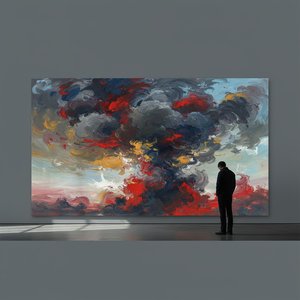
Beyond Representation: Exploring the Emotional Landscape of Abstract Expressionism
Explore the profound emotional world of Abstract Expressionism with OriginalUniqueArt. Discover key artists like Pollock & Rothko, learn about collecting, and find museum-quality reproductions to inspire your space.

Gerhard Richter: A Retrospective on Abstraction, Memory & the Photographic Source
Explore the profound world of Gerhard Richter's abstract paintings. Discover his techniques, influences, and lasting impact on contemporary art – a guide for discerning collectors.
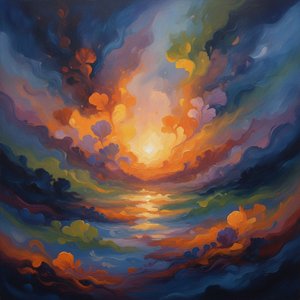
The Soul of Color: A Journey into the Emotional Resonance of Lyrical Abstraction
Embark on a cultural journey through Lyrical Abstraction. Explore how masters like Kandinsky used color and motion to translate emotion into visual poetry. Discover the profound beauty of abstract expressionism and learn to curate emotional resonance in your own art collection.


