

 ნახვა ინტერьерში
 გაგზავნა
 გაზიარება
 დეტალები
 გზამკვლევი

 ჩამოტვირთვა
 მსგავსები
 რენტგენოგრაფიული კვლევა
 სლაიდშოუ
 სტატისტიკა
Meleager und Atalante
 Oil On Canvas
- WallArt
- Baroque Painting
 1632
1632 220.0 x 165.0 cm
 სანსსუის სურათების გალერეა
 სრული ტექსტის ნახვა
გიკლე / ხელოვნების პრინტი
მუზეუმის დონის ჟიკლე ან ტილოზე ბეჭდვა სწრაფი წარმოებისა და დასრულების მოქნილი ვარიანტებით. ( შეიძინეთ ხელით შესრულებული ნახატი გადასვლა ციფრულ გამოსახულებაზე)




P118B ₾10

P118H ₾10

P118W ₾10

P438Z ₾10

P508JH ₾12

P508YH ₾12

P805H ₾10

P805Z ₾10

P919BZ ₾10

P919G ₾10

P919XJ ₾10

P959ZH ₾10

P968JZ ₾12

W106C ₾8

W218G ₾10

W218JH ₾8

W218Y ₾10

W307PJ ₾10

W316G ₾10

W316PJ ₾8

W316Y ₾10

W398PJ ₾8

W4111J ₾10

W500HY ₾15

W500JH ₾15

W692G ₾12

W849H ₾8

W940BG ₾15

W953PJ ₾8




აირჩიეთ ჩვენს მიერ წინასწარ განსაზღვრული ზომებიდან, რომლებიც ნაწარმოების ორიგინალურ პროპორციებს შეესაბამება.

შეიყვანეთ თქვენთვის საჭირო სიგანე და სიმაღლე, რათა იგი მოერგოს თქვენს ჩარჩოს ან კედელს. ბეჭდვისას შესაძლებელია მხოლოდ მისი შემცირება და არა გაზრდა, ამიტომ სხვა ფორმის ზომის შემთხვევაში გამოსახულება ნაწილობრივ იკარგება. სანამ რაიმეს დაბეჭდავთ, ჩვენ გამოგიგზავნით ციფრულ მაკეტს დასდასტურებლად. ამ გვერდზე ნაჩვენები სურათი არ ასახავს რეალურ ჭრას — ამას მხოლოდ მაკეტი გვიჩვენებს.
მიწოდება მთელ მსოფლიოში () 2 კვირაში, სტანდარტული 4/5 კვირის ნაცვლად. (24 ოქტომბერი)

უფასო ექსპრეს მიწოდება მთელ მსოფლიოში

მაღალი ხარისხის ტილო

ტრანსპორტირების სრული დაზღვევა

საბაჟო გადასახადების დაბრუნების გარანტია

ფერების სრული შესაბამისობის გარანტია

დაბრუნების 100-დღიანი პერიოდი (მხოლოდ წარმოების დეფექტის შემთხვევაში)

100% თანხის სრული დაბრუნების გარანტია

ფასდაკლება დიდი რაოდენობით შეკვეთისას
 მინის ჩარჩოს არჩევანი ხელმისაწვდომია მხოლოდ 110 სმ-მდე ზომისთვის

Meleager und Atalante
გიკლე / ხელოვნების პრინტი
რეპროდუქციის ზომა
-


ჯამური ღირებულება
₾ 209
Meleager and Atalante: A Baroque Dance of Myth and Light
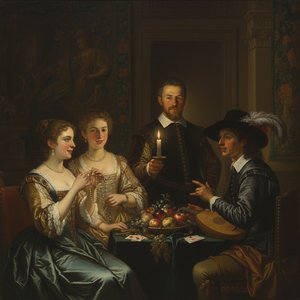
Gerard van Honthorst’s “Meleager und Atalante,” painted in 1632, isn't merely a depiction of a classical myth; it’s a carefully orchestrated tableau vivant—a stage set for a dramatic narrative rendered with the masterful precision characteristic of the Dutch Golden Age. The painting captures a pivotal moment from Greek mythology: the hunt for the Calydonian boar, specifically the scene where Meleager, son of King Oeneus, and Atalante, renowned for her archery skills, engage in a spirited chase, their fates intertwined with the formidable beast. Yet, Honthorst elevates this ancient tale beyond simple illustration, transforming it into a vibrant exploration of youthful passion, heroic endeavor, and the interplay of light and shadow—elements that define his signature style.
The composition is remarkably dynamic, drawing the viewer directly into the heart of the action. A group of figures – hunters, attendants, and onlookers – are clustered within a richly detailed courtyard setting. The central focus rests on Meleager and Atalante, their movements frozen in a moment of intense pursuit. Notice how Honthorst doesn’t depict a single, decisive blow against the boar; instead, he captures the *process* of the hunt—the anticipation, the exertion, and the shared determination etched on their faces. The figures are not static portraits but active participants within a larger drama, contributing to the painting's overall sense of movement and immediacy.
The Language of Light: Honthorst’s Caravaggist Technique
Honthorst’s genius lies in his command of *tenebrism*, a technique borrowed directly from the Italian painter Caravaggio. This dramatic use of light and dark isn't simply an aesthetic choice; it serves to heighten the emotional intensity of the scene and guide the viewer’s eye. A single, brilliant lantern illuminates Meleager and Atalante, casting deep shadows that envelop the surrounding figures and create a sense of mystery and suspense. The stark contrast between light and shadow emphasizes their heroic stature, highlighting their youthful energy and determination against the backdrop of the shadowy courtyard.
Observe how Honthorst meticulously renders the textures – the rough fabric of the hunters’ tunics, the polished surfaces of the weapons, the glistening skin of Meleager's arm. This attention to detail is further enhanced by his skillful use of color—rich reds and browns dominate the palette, creating a warm, earthy atmosphere that contrasts sharply with the cool blues and greens used for the shadows. The light itself seems almost tangible, radiating from the lantern and bathing the scene in an ethereal glow.
Symbolism and Courtly Grace
Beyond the immediate narrative of the hunt, “Meleager und Atalante” is laden with symbolic meaning. The boar itself represents chaos and danger—a force that must be subdued to restore order and harmony. Meleager and Atalante, as the hunters, embody courage, skill, and youthful vitality. Their intertwined pursuit suggests a shared destiny, a bond forged in the crucible of heroic endeavor.
The setting – a courtyard with a dining table and chairs – hints at the aristocratic context of the scene. The painting was originally part of the collection of Frederik Hendrik van Oranje-Nassau, a prominent Dutch statesman and art collector. This royal provenance adds another layer of significance to the work, suggesting that it was intended as a decorative element for a grand interior—a testament to the wealth and power of the Dutch Republic during its Golden Age. The inclusion of the lute, a symbol of female sexuality and pleasure, subtly underscores the romantic tension between Meleager and Atalante.
A Timeless Masterpiece: Reproduction and Legacy
“Meleager und Atalante” remains a captivating work of art, admired for its dramatic composition, masterful technique, and evocative symbolism. Reproductions offer an accessible way to experience the beauty and power of this iconic painting, bringing its vibrant colors and dynamic energy into any space. Whether displayed in a formal gallery or a cozy living room, this Baroque masterpiece continues to inspire awe and wonder—a timeless reminder of the enduring appeal of classical mythology and the artistry of Gerard van Honthorst.
კითხვები და პასუხები
ზოგადად, რამდენად ნათელია "Meleager und Atalante"?
ზოგადად, „Meleager und Atalante“-ის სინათლის დონე შეფასებულია როგორც shadow. აღქმადი სიკაშკაშე აღწერს, თუ რამდენად ღია ან ბნელი ჩანს ნამუშევარი.
შემიძლება თუ არა გერარდ ვან ჰონთორსტი-ის „Meleager und Atalante“-ის წინასწარ ნახვა შეკვეთამდე?
გვერდი წინასწარი ნახვა ნამუშევრის "Meleager und Atalante" საშუალებას გაძლევთ წინასწარ ნახოთ ხელოვნების ნიმუში შეკვეთამდე.
როგორ არის აღწერილი გერარდ ვან ჰონთორსტი-ის „Meleager und Atalante“ პალიტრა?
წარმოიდგინეთ, რომ „Meleager und Atalante“-ის ფერები ქმნიან Dark პალიტრას. ეს კლასიფიკაცია აღწერს დომინანტურ ფერთა ჯგუფებს.
მხატვრის ბიოგრაფია
გერარდ ვან ჰონთორსტის სიცოცხლე და ხელოვნება
გერარდ ვან ჰონთორსტი, რომელიც 1592 წელს დაიბადა უტრეხტში, ოქროს ხანის მნიშვნელოვანი ფიგურა იყო. თავდაპირველად მამის, დეკორატიული მხატვრის ხელმძღვანელობით, ახალგაზრდა გერარდის ნიჭი აბრაჰამ ბლუმაერტის ხელქვეით გაიზარდა, რაც მისთვის ნახატისა და კომპოზიციის მყარი საფუძველი გახდა. თუმცა, რომში გამგზავრებამ რადიკალურად შეცვალა მისი მხატვრული განვითარების მიმართულება. იქ, იტალიური ბაროკოს ცხოველმომვლელ ენერგიაში, მან კარავաջოს новаторული ნამუშევრები აღმოაჩინა – შეხვედრა, რომელმაც განსაზღვრა მისი ხელმოწერა და მიანიჭა მას გამეტყველებელი მეტსახელი “ჯერარდო დელე ნოტი”, ანუ ღამის გერარდი. ტენებრიზმის დრამატული გამოყენება, ტექნიკა, რომელიც მკვეთრი კონტრასტის საშუალებით სინათლესა და ბნელს ამატებს, ვან ჰონთორსტის გამორჩეული ნიშანი გახდა, რაც მის ტილოებს განსაკუთრებული დრამატიზმითა და ემოციური ინტენსივობით აავსებდა. მან კარავաջოს არ იმიტირება; ის იტალიელი მასტერის ინოვაციების გარდაქმნას უნიკალურ ჰოლანდიურ სენსიბილურობად ახორციელებდა, ყურადღებას კონცენტრირებდა ხელოვნური სინათლის წყაროებით განათებულ ინტიმურ სცენებზე – სანთლები, ლამპრები და ცეცხლი – რეალისტული და ღრმად თეატრალური ატმოსფეროს შექმნით. ეს სინათლის მფლობელობა მხოლოდ ტექნიკური უნარი არ იყო; ეს იყო ხასიათის გამჟღავრების საშუალება, მაყურებლის ჩართვის გზა ყოველი სცენის ემოციურ ბირთვში.რომის აღიარებიდან ჰოლანდიური უმაღლესობისკენ
ვან ჰონთორსტის რომში გატარებულ დროს წარმატებამ და პატრონაჟმა შემოაღწურა. მან ქალაქის ელიტის შორის მომხიბლობა მოიპო, მათ შორის ვინჩენცო ჯუსტინიანიმ, რომლისთვისაც მან შექმნა ძლიერი “ქრისტე მთავრობასთან”, ნამუშევარი, რომელიც მისი სინათლისა და ჩრდილის მფლობელობის მაგალითია. ეს ნახატი, რომელიც დღეს ლონდონის ეროვნულ გალერეაში ინახება, არა მხოლოდ მის ტექნიკურ უნარს, არამედ ფიგურებში ღრმა ფსიქოლოგიური სიღრმის გამოსახვის უნარსაც აჩვენებს. მან თავისი რეპუტაცია კიდევ უფრო გააძლიერა კოზიმო II დე’ მედიჩის, ტოსკანას დიდ ჰერცოგთან თანამშრომლობით, ადაპტირების და მრავალფეროვნების უნარს აჩვენებდა, რაც მთელი მისი კარიერის განმავლობაში დაეხმარებოდა. დაახლოებით 1620 წელს უტრეხტში დაბრუნებულმა ვან ჰონთორსტმა სწრაფად დაიმკვიდრა ლიდერული პოზიცია ჰოლანდიურ რესპუბლიკაში, როგორც პორტრეტისტი. მისმა უნარმა არა მხოლოდ ფიზიკური მსგავსების აღბეჭდვა, არამედ მისი მჯდომარე პირების ხასიათისა და სოციალური სტატუსის გამოსახვის უნარმა მას მდიდრი ვაჭრების, არისტოკრატებისა და მეფეების შორის დიდი მოთხოვნად აქცია. 1623 წელს იგი გახდა უტრეხტის წმინდა ლუკას გილდიის პრეზიდენტი, რაც მისი მხატვრულ საზოგადოებაში მზარდი გავლენის დამადასტურებელი ფაქტორი იყო. ამ პერიოდში შეკვეთებმა გაიზარდა, რამაც ვან ჰონთორსტს საშუალება მისცა გააუმჯობესოს თავისი სტილი და ჩამოაყალიბოს გამორჩეული ხმა ჰოლანდიურ живописи-ში.სასახლის მხატვარი: შეკვეთები და თანამშრომლობა
ვან ჰონთორსტის ნიჭის სფერო ჰოლანდიის ფარგლებს გასცდა. მისმა სამუშაომ გამოიწვია სერ დუდლი კარლეტონის ყურადღება, რომელმაც იგი გამოჩენილი ინგლისელი არისტოკრატებისთვის, როგორიცაა არუნდელის გრაფი და ლორდი დორჩესტერი, დაასახელა. ეს მიიყვანა შეკვეთებამდე მეფე ელისაბედ ბოჰემიასგან, რომელმაც იგი თავისი შვილებისთვის როგორც მხატვრად, ასევე ხატვის მასწავლებლად აიყვანა. ამ სამეფო კავშირებმა მნიშვნელოვანი ნამუშევრები გამოიღო, როგორიცაა ჩარლზისა და ჰენრიეტას გამოსახულება დიანასა და აპოლონის სახით, რომელიც დღეს ჰემპტონ-კორტის სასახლეში ინახება. ვან ჰონთორსტის სხვა მხატვრებთან თანამშრომლობის სურვილიც მისი ღია მიდგომისა და მხატვრული великодушие-ის შესახებ მოწმობს. მან ცნობილია, რომ უტრეხტში პიტერ პოლ რუბენსი მას სტუმრობდა, თუნდაც სათამაშო სცენაზე ხატვა, დიოგენე honest man-ს ეძებს – ეს ორი ბაროკოს გიგანტის ურთიერთპატივისმოცემას მოწმობს. მიუხედავად იმისა, რომ ზოგიერთი თანამშრომლობითი ნამუშევარი, როგორიცაა “ქრისტეს დაკავება”, თავდაპირველად მხოლოდ ვან ჰონთორსტს მიეწერებოდა, თანამედროვე მეცნიერებმა სხვა მხატვრების წვლილი გამოავლინეს, რაც ამ პერიოდის მხატვრული წარმოების კომპლექსურ დინამიკას ხაზს უსვამს. ეს თანამშრომლობა მხოლოდ სამუშაო დატვირთვაზე არ იყო ორიენტირებული; ეს ინტელექტუალური გაცვლა იყო, რომელმაც მხატვრული ლანდშაფტი გამდიდრა.მემკვიდრეობა და უტრეხტის კარავაჯისტები
გერარდ ვან ჰონთორსტის გავლენა მის სიცოცხლეს გადაცილებულა. იგი იყო *უტრეხტის კარავაჯისტების* მოძრაობის მთავარი ფიგურა – ჰოლანდიელი მხატვრების ჯგუფი, რომელმაც კარავაჯოს დრამატული რეალიზმი და ტენებრიზმი მიიღო. სხვა მხატვრებთან ერთად, როგორიცაა ჰენდრიკ ტერ ბრუგენი და დირკ ვან ბაბურენი, მან იტალიური ბაროკოს სტილის უნიკალური ჰოლანდიური ინტერპრეტირება ჩამოაყალიბა. ხელოვნური სინათლით განათებული ჟანრის სცენებზე მისი აქცენტი, მისი ოსტატურად შესრულებული პორტრეტები და ნიჭის გამოყენება ქარასკუროს საშუალებით ემოციური სიღრმის გამოსახვის უნარი – ეს ყველაფერი
გერარდ ვან ჰონთორსტი
1590 - 1656 , საქართველო
მოკლე ფაქტები
- Artistic Movement Or Style: Baroque, Caravaggism
- Artists Or Movements Influenced By This Artist: ['Utrecht Caravaggisti']
- Artists Who Influenced This Artist: ['Caravaggio']
- Date Of Birth: 1590
- Date Of Death: 1656
- Full Name: Gerard van Honthorst
- Nationality: ჰოლანდიელი
- Notable Artworks:
- Christ in the Garden
- Supper Party
- Diana and Apollo
- Place Of Birth (City And Country): Utrecht, Netherlands
მსგავსი სტატიები

რემბრანდტის 25 შედევრი: ხელოვნების ისტორია თქვენს სახლში | OriginalUniqueArt
აღმოაჩინეთ რემბრანდტის 25 უნიკალური შედევრი! ოქროს ხანის ბაროკო ხელოვნება, ავტოპორტრეტები და ღამის თვალთუმაჩვილი – OriginalUniqueArt.com-ზე. შეიძინეთ მუზეუმის ხარისხის რეპროდუქციები სახლის დეკორისთვის. Explore the full collection online!

Golden Light & Dutch Skies: The Timeless Magic of Dutch Golden Age Landscapes
Discover the breathtaking beauty of Dutch Golden Age landscapes. Explore the mastery of light, chiaroscuro, and 17th-century realism through an expert art history lens, celebrating the enduring legacy of the Dutch Masters for discerning collectors and art lovers.

Golden Age Reflections: Dutch Baroque Painting & Cultural Innovation
Explore the Dutch Golden Age of painting! Discover key artists like Vermeer & ter Borch, their innovative techniques, and the rich cultural context behind these Baroque masterpieces. Learn about collecting & appreciating this iconic art period.
Gerard van Honthorst: Illuminating the Dutch Golden Age with Caravaggism & Courtly Grace
Explore the captivating world of Gerard van Honthorst, a Dutch Golden Age master renowned for his dramatic chiaroscuro & courtly portraits. Discover his life, art, and lasting influence on Baroque painting.

Dutch Baroque Masters: 10 Paintings That Shaped an Era | OriginalUniqueArt
Journey through the Golden Age with our guide to the Top 10 Dutch Baroque masterpieces! Explore iconic paintings by Rembrandt, Vermeer & Frans Hals. Find museum-quality art reproductions and elevate your home decor at OriginalUniqueArt.com.
