Fauvism · 1911
Spring (ჟორჟ რულო, 1911)
ჟორჟ რულო (1871–1958)-მა შექმნა Spring. ის შექმნილ არის 1911 წელს. ის Fauvism მიძღვნილ სტილს მიეკუთვნება.
- 1911

 წინასწარი ნახვა

 ხელით შესრულებული ზეთប្រეწერი
 გაგზავნა
 გაზიარება
 სპეცფიკაცია


 ჩამოტვირთვა
 მსგავსები
 რენტგენოგრაფიული კვლევა
 სლაიდშოუ
 კითხვა-პასუხი

 სტატისტიკა
Spring, მოკლედ
რა არის გამოსახული Spring-ში?
Georges Rouault’s “Spring”: A Chronicle of Human Empathy
Georges Rouault's "Spring," painted in 1911, is far more than a simple depiction of a forest scene; it’s a profound meditation on humanity – its joys, sorrows, and the quiet dignity found within everyday life. Executed with Rouault’s signature style, immediately recognizable for its stark contrasts and emotionally charged palette, this work offers a window into the artist's deeply felt empathy for the marginalized and suffering, a core tenet of his artistic vision. The painting captures a fleeting moment of rural tranquility, yet it resonates with an underlying sense of melancholy and contemplation – qualities that would become hallmarks of Rouault’s oeuvre.
The composition itself is deliberately un-idealized. There are no heroic figures or grand vistas; instead, we encounter three individuals engaged in seemingly simple activities: one seated, another standing attentively, and a third observing from a distance. A dog lies nearby, adding to the sense of domesticity and companionship. Rouault’s masterful use of dark contours – a technique inherited directly from his apprenticeship with stained glass artisans – frames luminous color fields, creating an almost theatrical effect. This layering of light and shadow isn't merely aesthetic; it serves to heighten the emotional impact of each figure, drawing our attention to their individual expressions and postures.
The Roots of Rouault’s Vision: Glass and Spiritual Seeking
Understanding Georges Rouault requires acknowledging his unique artistic journey. Born in the immediate aftermath of the Paris Commune, a period of immense upheaval and violence, Rouault's early life was shaped by hardship and a profound sense of loss. This experience profoundly influenced his worldview, fostering a deep compassion for those less fortunate. His apprenticeship as a glass painter from the age of fourteen proved formative, instilling in him an appreciation for vibrant color and precise execution – skills he would later translate to canvas with remarkable power.
Rouault’s fascination with stained glass extended beyond mere technical skill; it was deeply intertwined with his spiritual seeking. The luminous quality of the glass, its ability to transform light into something ethereal, mirrored his own desire for transcendence. This influence is readily apparent in “Spring,” where the use of dark outlines and intense color fields evokes a sense of sacredness, reminiscent of medieval religious art. His mother’s devout Catholic upbringing further solidified this spiritual connection, shaping his artistic themes and fueling his commitment to portraying the dignity of ordinary people.
Symbolism and Emotional Resonance
While seemingly straightforward, “Spring” is rich in symbolic potential. The figures themselves – a seated individual, perhaps representing contemplation or rest; two standing ones, possibly engaged in conversation or observation – invite interpretation. The dog, a traditional symbol of loyalty and companionship, adds to the painting’s sense of warmth and connection. Rouault wasn't interested in simply recording a scene; he was striving to capture an *emotion*, a feeling of quiet beauty amidst the complexities of human existence.
The muted color palette – dominated by browns, greens, and ochres – contributes significantly to the painting’s melancholic mood. However, strategically placed bursts of brighter hues – particularly in the figures' clothing – draw our eye and emphasize their presence. This careful manipulation of color creates a dynamic tension between darkness and light, reflecting the inherent duality of human experience. “Spring” is not a celebration of springtime itself; it’s an exploration of the human condition—a poignant reminder of life’s fleeting beauty and enduring sorrows.
Spring-ის მაღალი გარ Auflხ resolución-ის გამოსახულებები

Protected by copyright: these files are for personal reference, not a licence to republish.
ჟორჟ რულო, Spring (1911).
კითხვები Spring-ზე, პასუხები
რა წელს შეიქმნა ჟორჟ რულო-ის „Spring“?
რას ეხება "Spring"?
სურათის "Spring" თემებს წარმოადგენს forest scene, figures outdoors, dog companion, rouault style, human interaction, 1911 painting, religious themes.
არის თუ არა ჟორჟ რულო-ის „Spring“ საჯარო დომენში?
რომელ სტილს მიეკუთვნება "Spring"?
"Spring" არის Fauvism სტილის ნამუშევარი. აღნიშნული მიმდინარეობა ასახავს იმ მხატვრულ ტრადიციას, რომლის ნაწილიცაა ეს ნამუშევარი.
ჟორჟ რულო-ის შემოქმედების რომელი პერიოდის ნაწილია "Spring"?
რამდენი წლის იყო ჟორჟ რულო, როდესაც „Spring“ შეიქმნა?
რას განმარტავს ჟორჟ რულო-ის „Spring“-ის საავტორო უფლებებთან დაკავშირებული მდგომარეობა?
რა ადგილი უჭირავს „Spring“-ს ჟორჟ რულო-ის შემოქმედებისათვის დამახასიათებელ თემებსა და სტილში?
ხელပاتარში: ჟორჟ რულო

1871–1958, საფრანგეთი
ჟორჟ რულო
პარიზული ჩრდილებისგან გაფორმებული სიცოცხლე ჟორჟ რულო, რომელიც 1871 წელს პარიზში დაიბადა კომუნის არეულობის პერიოდში, ცხოვრობდა ძლიერ სირთულის და ఆధ్యాత్మిక ძიების ნიშნებით. მისი ადრეული წლები გატარებული იყო ლიტერალურად ჩრდილებში – მისმა ოჯახმა ქალაქის დაბომბვის დროს თავშესაფარი მიიღო საკუჭნაოში, მოვლენა, რომელიც მთელი მისი მხატვრული ხედვის განმავლობაში რეზონანსს შეიძენდა. ეს მცირე დასაწყისი, დედამისის ღრმა კათოლიკური აღზრდის წყალობით, მასში ჩამოყალიბდა სიღარიბესთან და ტანჯვასთან ღრმა თანაგრძნობა, თემები, რომლებიც მის შემოქმედების ცენტრალური ნაწილი გახდა. ის არ იყო განწირული ფორმალურ აკადემიურ პრივილეგიებზე; ამის代わりに, 14 წლის ასაკში მან შეგირდობა დაიწყო მინის მხატვრად, ხელობა, რომელმაც მნიშვნელოვნად ჩამოაყალიბა მისი ესთეტიკური sensibility.
ასევე ჟორჟ რულო-ის მიერ
 Head of Christ
 Head of Christ 1
 The Breton Wedding1937
 The old king1937
ესეები Spring-ის შესახებ
 French rococo paintersMasterpieces by Fragonard and Watteau define French Rococo elegance. Explore the full collection online at OriginalUniqueArt.com.
 19th century French paintersMasterpieces by Monet, Renoir, and Cézanne define 19th century French art. Explore the full collection online at OriginalUniqueArt.com.
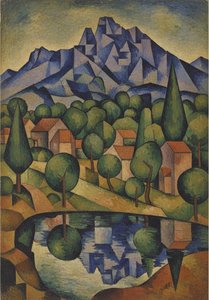 Mastering the Post-Impressionist Vision: A Definitive Guide to the Geometric Soul of Cézanne’s ArtistryExplore the profound legacy of Paul Cézanne. Discover how his mastery of geometric forms and vibrant color bridged Impressionism and Cubism…