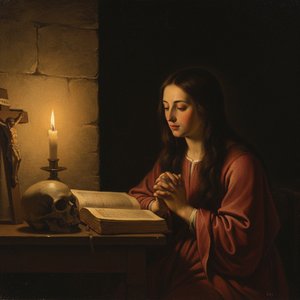
() ·

თქვენთვის შექმნილი ტილო, ხელით ნამუშევარი

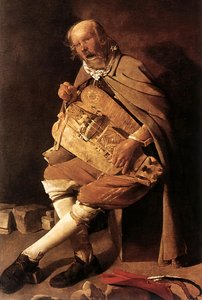
The Beggars' Brawl

ხელით შესრულებული ზეთის საღებავით რეპროდუქცია

ტილოზე შესრულებული ფერწერიანი ზეთប្រდათი, თქვენთვის სასურველი ზომისა და ჩარჩოსთვის, ჩვენი ხელოვანების მიერ შეკვეთის საფუძველზე დამზადებული. ( გადართვა ბეჭდვის რეჟიმზე გადასვლა ციფრულ გამოსახულებაზე)

კოლექციონირებადი ნივთის აღწერა

Georges de La Tour's 'The Beggars’ Brawl' (1620) captures a tense scene of urban conflict with dramatic chiaroscuro lighting. Explore this Baroque masterpiece depicting poverty, dispute, and human drama – a captivating work of art.

მხატვრის ბიოგრაფია

Georges de La Tour (1593-1652): ფრანგი ბაროკოს მხატვარი და ინტელიზენტური სტილის მფლობელი და ტენებრიზმის გამორჩეული გამოყენება მქონდა და მის მნიშვნელოვან ნაწილებს შორის არის ფსევდოპროფესორი და სთ. იოზეფ კარიგერის პოპულარობა და მისი მემკვილეობის მიღება და შეფასება ბევრი მუსეუმში და სხედა და სხედა და სხედა და სხედა და სხედა და სხედა და სხედა და სხედა და სხედა და სხედა და სხედა და სხედა და სხედა და სხ

დან ·

თავი 1

რა ზომის უნდა იყოს?

გადაწიეთ სლაიდერი ზომის შესაცვლელად; მარცხენა მხარეს მოცემული გამოსახულება ასახავს ჩარჩოს რეალურ სიგანეს. ორიგინალის პროპორციები შენარჩუნებულია.

სტანდარტული ზომა
ინდივიდუალური ზომა
CM
INCH

აირჩიეთ ჩვენს მიერ წინასწარ განსაზღვრული ზომებიდან, რომლებიც ნაწარმოების ორიგინალურ პროპორციებს შეესაბამება.

სიგანე
სიმაღლე

შეიყვანეთ თქვენთვის საჭირო სიგანე და სიმაღლე, რათა ნახატი მოერგოს თქვენს ჩარჩოს ან კედელს. ვინაიდან ეს ნამუშევარი ხელით არის შესრულებული, სხვა ფორმის ზომის შემთხვევაში, მხატვარმა შესაძლოა სურათის გარშემო ოდნავ მეტი დატოვოს ან შეამციროს — არჩევანი თქვენზეა. დაწყებამდე, დასამტკიცებლად, ჩვენ გამოგიგზავნით ციფრულ მაკეტს. ამ გვერდზე ნაჩვენები სურათი არ ასახავს რეალურ შედეგს — რეალური სახე მხოლოდ მაკეტზე ჩანს.

თავი 2

როგორ უნდა მოვიდეს?

შეარჩიეთ დაჭიმული ტილოს კიდეები

შეარჩიეთ ჩარჩო

Corner sample of the WhiteWrap canvas edge finish, stretched on მასიური ხე bars
თეთრი კიდეები ₾1
Corner sample of the BlurSideWrap canvas edge finish, stretched on მასიური ხე bars
ბუნდოვანი კიდეები ₾1
Corner sample of the ExtendedWrap canvas edge finish, stretched on მასიური ხე bars
გაფართოებული ₾1
Corner sample of the P118B picture frame: ღუმლში ჩამჭედი პოლისტიროლი, 5 cm wide and 3 cm thick
P118B ₾10
Corner sample of the P118H picture frame: ღუმლში ჩამჭედი პოლისტიროლი, 5 cm wide and 3 cm thick
P118H ₾10
Corner sample of the P118W picture frame: ღუმლში ჩამჭედი პოლისტიროლი, 5 cm wide and 3 cm thick
P118W ₾10
Corner sample of the P438Z picture frame: ღუმლში ჩამჭედი პოლისტიროლი, 5.5 cm wide and 3.5 cm thick
P438Z ₾10
Corner sample of the P508JH picture frame: ღუმლში ჩამჭედი პოლისტიროლი, 7 cm wide and 3.5 cm thick
P508JH ₾12
Corner sample of the P508YH picture frame: ღუმლში ჩამჭედი პოლისტიროლი, 7 cm wide and 3.5 cm thick
P508YH ₾12
Corner sample of the P805H picture frame: ღუმლში ჩამჭედი პოლისტიროლი, 5 cm wide and 3.5 cm thick
P805H ₾10
Corner sample of the P805Z picture frame: ღუმლში ჩამჭედი პოლისტიროლი, 5 cm wide and 3.5 cm thick
P805Z ₾10
Corner sample of the P919BZ picture frame: ღუმლში ჩამჭედი პოლისტიროლი, 7 cm wide and 3.5 cm thick
P919BZ ₾10
Corner sample of the P919G picture frame: ღუმლში ჩამჭედი პოლისტიროლი, 7 cm wide and 3.5 cm thick
P919G ₾10
Corner sample of the P919XJ picture frame: ღუმლში ჩამჭედი პოლისტიროლი, 7 cm wide and 3.5 cm thick
P919XJ ₾10
Corner sample of the P959ZH picture frame: ღუმლში ჩამჭედი პოლისტიროლი, 5 cm wide and 3 cm thick
P959ZH ₾10
Corner sample of the P968JZ picture frame: ღუმლში ჩამჭედი პოლისტიროლი, 6 cm wide and 4 cm thick
P968JZ ₾12
Corner sample of the W106C picture frame: მასიური ხე, 5 cm wide and 3 cm thick
W106C ₾8
Corner sample of the W218G picture frame: მასიური ხე, 5 cm wide and 3 cm thick
W218G ₾10
Corner sample of the W218JH picture frame: მასიური ხე, 5 cm wide and 3 cm thick
W218JH ₾8
Corner sample of the W218Y picture frame: მასიური ხე, 5 cm wide and 3 cm thick
W218Y ₾10
Corner sample of the W307PJ picture frame: მასიური ხე, 6 cm wide and 3 cm thick
W307PJ ₾10
Corner sample of the W316G picture frame: მასიური ხე, 6 cm wide and 3 cm thick
W316G ₾10
Corner sample of the W316PJ picture frame: მასიური ხე, 6 cm wide and 3 cm thick
W316PJ ₾8
Corner sample of the W316Y picture frame: მასიური ხე, 6 cm wide and 3 cm thick
W316Y ₾10
Corner sample of the W398PJ picture frame: მასიური ხე, 5 cm wide and 3 cm thick
W398PJ ₾8
Corner sample of the W4111J picture frame: მასიური ხე, 6.5 cm wide and 3.5 cm thick
W4111J ₾10
Corner sample of the W500HY picture frame: მასიური ხე, 7 cm wide and 5 cm thick
W500HY ₾15
Corner sample of the W500JH picture frame: მასიური ხე, 7 cm wide and 5 cm thick
W500JH ₾15
Corner sample of the W692G picture frame: მასიური ხე, 8 cm wide and 4 cm thick
W692G ₾12
Corner sample of the W849H picture frame: მასიური ხე, 5 cm wide and 3 cm thick
W849H ₾8
Corner sample of the W940BG picture frame: მასიური ხე, 7.5 cm wide and 4.5 cm thick
W940BG ₾15
Corner sample of the W953PJ picture frame: მასიური ხე, 6 cm wide and 3.5 cm thick
W953PJ ₾8
Corner sample of the H24-GOLD picture frame: გასკერული ხე გესოსთან ერთად, 10 cm wide and 6 cm thick
H24-GOLD ₾30
Corner sample of the H24-SILVER picture frame: გასკერული ხე გესოსთან ერთად, 10 cm wide and 6 cm thick
H24-SILVER ₾30
Corner sample of the H36-GOLD picture frame: გასკერული ხე გესოსთან ერთად, 15 cm wide and 6.5 cm thick
H36-GOLD ₾45
Corner sample of the H36-SILVER picture frame: გასკერული ხე გესოსთან ერთად, 15 cm wide and 6.5 cm thick
H36-SILVER ₾45
ჩარჩოს წინასწარი ნახვა

ჩარჩოჩენილი

კარმამ . ზომა ჩარჩოზე, მთლიანი: .

თავი 3

ვინ ხატავს მას და ხომ არაფერი უნდა შეიცვალოს?

რა შეიძლება შეიცვალოს: სახის ჩანაცვლება მომხმარებლის ფოტოთი; შინაური ცხოველის დამატება (მაგალითად, კატის შეცვლა ძაღლით); ფონზე ფარული შეტყობინების დამატება; ფონის ლანდშაფტის ან ელემენტების შეცვლა.
შეკვეთის შემდეგ, OriginalUniqueArt.com გუნდი გამოგსტავთ ელექტრონულ წერილს ინსტრუქციებისთვის და მოგაწვდით წინასწარ ნახატის (mockup) პრევიუსს

მიწოდება მსოფლიო მასშტაბით -ში 3/4 კვირაში, სტანდარტული 5 კვირის ნაცვლად. (6 ნოემბერი). ხარისხზე კომპრომისის გაკეთება არ მოხდება.

თავი 4

დასკვნითი შтриხები

სარდაფი, როგორც მუზეუმში?

დაკვეთილი ბრინჯაოს ფირფიტის დეტალები

This elegant plaque features the artist's name and the title of the artwork, finely engraved for a timeless presentation.

It is made from bronze with a refined, elegant finish. The text is precisely laser-engraved for a sharp and permanent result. Measuring 9x2 cm, the plaque is compact yet easy to read. It's built to be durable and scratch-resistant, offering a professional, museum-quality look. Mounting is simple thanks to the included adhesive backing.

აკრილის გამჭვირვალე ფირფიტის დეტალები

The plaque includes essential engraved details such as the artist's name, the title of the artwork, the date it was created, the type of media used-like oil on canvas or watercolor-a brief description of the piece, and a QR code that links to the complete artwork information.

It is crafted from clear acrylic, offering a sleek, modern appearance. The text is UV-engraved in black to ensure strong visual contrast. With a size of 10x15 cm, it ensures optimal readability. It comes equipped with two metal hooks for secure wall mounting. The plaque is designed to be weather-resistant, making it suitable for various environments, and it includes interactive features that work seamlessly with smartphone scanning.

შავი აკრილის ფირფიტის დეტალები

This elegant plaque includes engraved information such as the artist's name, the title of the artwork, the date it was created, the type of media used (like oil on canvas or watercolor), a short description of the artwork, and a QR code for quick access to more information.

The plaque itself is made from refined black acrylic with a premium finish. The text is laser-engraved in white for high contrast and readability. Its size is 10x15 cm, designed to be easy to read. It comes with two metal hooks for professional mounting. The design is sleek and fits any interior style. It is also weather-resistant and durable, with built-in digital integration for mobile compatibility.

დამცავი ლაქი?

როდის გჭირდებათ?

თავი 5

თქვენი ნახატი, ზუსტად ისეთი, როგორ შეუკვეთეთ

The Beggars' Brawl

რეპროდუქციის ტექნიკა

რეპროდუქციის ზომა

-

დასახელებული ხელოვანთა შერჩეული კოლექცია

უფრო მეტი დეტალიზაცია, დახვეწილობა და დამატებითი დამუშავების დრო

-

რეკლამაციის ჩარჩო

-

-

ნებისმიერი მხარისთვის 105 სმ-ზე (დაახლოებით 41 ინჩი) მეტი ზომის ხელოვნებული ნამუშევრების ან რეპროდუქციებისთვის, ჩარჩო მოგზავნდება დაშლილ კომპლექტში. ეს მეთოდი უზრუნველყოფს უსაფრთხო მიწოდებას და თავიდან აგაცილებთ ტრანსპორტირებისას შესაძლო დაზიანებას.

საჭიროა პროფესიონალური აწყობა - ეს არ არის თვითმომსახურების (DIY) პროდუქტი.
კომპლექტის აწყობა და ტილოს დაჭიმვა უნდა განახორციელოს გამოცდილმა პროფესიონალმა ჩარჩოს დამამზადებელმა, ხის წებოს (არ შედის კომპლექტში), ტილოს დაჭიმვის ბერჭებისა და საკრამების გამოყენებით, რათა წებოს გასაშრობად ღერძები სწორად და სტაბილურად დაფიქსირდეს. არასწორი აწყობა ან ტილოს არათანაბარი დაჭიმვა შეიძლება გამოიწვიოს ნამუშევრის სამუდამო დაზიანება, რაც არ იფარება ჩვენი გარანტიით.

  • კომპლექტში შედის მყარი ხის ყველა ღერძი, ზუსტად გაზომილი და საჭირო ზომაზე დაჭრილი.

  • აწყობისთვის გამოიყენება მოთავსებული ხრახნები; ასევე დაგჭირდებათ ხის წებო კუთხეების დასაკავშირებლად, რომელიც კომპლექტში არ შედის და თქვენმა ჩარჩოს დამამზადებელმა უნდა შეიძინოს დამოუკიდებლად.

  • საჭიროა პროფესიონალური ხელსაწყოები, რომლებიც არ შედის კომპლექტში: ტილოს დაჭიმვის ბრჭყალები (დამჭერი) და სამჭედლები, რათა წებოს გასაშრობ პროცესში რამკოს კუთხეები სწორად ფიქსირდეს.

მნიშვნელოვანია:
კუთხეების დასაკავშირებლად საჭიროა ხის წებო; სანამ წებო სრულად გაშრება, ღერძები დაფიქსირებული უნდა იყოს საკავშირეებით, ხოლო აწყობილ ჩარჩოზე ტილოს დასჭიმად საჭიროა ტილოს დასჭიმელი ბრჭჭვალი. არცერთი ეს ნივთი არ შედის კომპლექტში. გთხოვთ, ამ ზომის შეკვეთამდე წინასწარ დაგეგმოთ გამოცდილი პროფესიონალი ჩარჩოს დამზადებელი.

სახელოვანი ფირფიტა

-

-

დამცავი ლაქი

ბზინვარე ლაქი (აფერსკვიატებს ფერებს და იცავს სინათლისა და ტენისგან)

-

ჩემი ნამუშევრის პერსონალიზაცია

რა შეიძლება შეიცვალოს (მაგალითები): სახის შეცვლა მომხმარებლის ფოტოთი; შინაური ცხოველის დამატება (მაგალითად, კატის დგებით შეცვლა); ფონზე ფარული შეტყობინების დამატება; ფონის ლანდშაფტის ან ელემენტების შეცვლა.

-

სასწრაფო მიწოდება

მიწოდება მსოფლიო მასშტაბით () 3-4 კვირაში, სტანდარტული 5 კვირის ნაცვლად. (6 ნოემბერი). ხარისხზე კომპრომისის გაკეთება არ მოხდება.

-

ექსპრეს-მიწოდება

მიწოდება მსოფლიოს მასშტაბით (), 5 კვირაში. (13 ნოემბერი).

მოყვება

ჯამური ღირებულება

₾ 779

ჯამური ღირებულება ₾ 779

მინის ჩარჩოს არჩევანი ხელმისაწვდომია მხოლოდ 110 სმ-მდე ზომისთვის

მოყვება თითოეულ შეკვეთასთან ერთად

  • უფასო ექსპრეს მიწოდება მთელ მსოფლიოში
  • მაღალი ხარისხის ტილო
  • ტრანსპორტირების სრული დაზღვევა
  • საბაჟო გადასახადების დაბრუნების გარანტია
  • ფერების სრული შესაბამისობის გარანტია
  • დაბრუნების 100-დღიანი პერიოდი (მხოლოდ წარმოების დეფექტის შემთხვევაში)
  • 100% თანხის სრული დაბრუნების გარანტია
  • ფასდაკლება დიდი რაოდენობით შეკვეთისას

A Shadowed Tableau: Unveiling Georges de la Tour’s ‘The Beggars’ Brawl’

Georges de la Tour’s “The Beggars’ Brawl,” painted in 1620, isn't merely a depiction of a street scene; it’s a meticulously crafted exploration of human nature bathed in the dramatic chiaroscuro that defined his signature style. This intimate canvas, measuring just 33 x 55 cm, transports us to a dimly lit corner of 17th-century Lorraine, a world where poverty and desperation simmer beneath a veneer of uneasy truce. The painting immediately arrests the eye with its masterful use of light – a single, almost theatrical lantern illuminating the central figures while plunging the surrounding space into deep shadow. This technique, characteristic of Tenebrism, isn’t simply an aesthetic choice; it serves to heighten the drama and focus our attention on the intense interaction unfolding before us.

The Beggars' Brawl by Georges de la Tour

A Study in Human Condition: Symbolism and Narrative

At the heart of the scene stands a man, identifiable by his prominent beard and animated gestures, holding what appears to be an object – perhaps a coin or a piece of food – that fuels the dispute. His face is etched with a mixture of anger and desperation, mirroring the expressions of those around him. The other figures—a collection of beggars, their clothing ragged and worn—are caught in a moment of intense confrontation. The bowl on the right side of the painting isn’t just a prop; it suggests a shared hardship, a communal reliance on meager resources. It speaks to a society where survival was often precarious, and even the simplest interactions could escalate into conflict. The inclusion of a drum-beater further emphasizes the chaotic nature of the gathering – a signal for attention, perhaps a call to action or simply a desperate attempt to draw sympathy.

The Master’s Technique: Chiaroscuro and Baroque Realism

Georges de la Tour was a master of light and shadow, meticulously rendering textures and forms with an almost photographic realism. He achieved this through painstaking layering of thin glazes of oil paint, building up the image gradually to create a sense of depth and volume. Notice how he captures the sheen of wet clothing, the roughness of weathered skin, and the subtle folds in the fabric. His use of color is restrained – predominantly browns, ochres, and blacks—further enhancing the dramatic effect. De la Tour’s work represents a departure from the idealized representations common in earlier Renaissance art; instead, he presents a raw and unflinching portrayal of everyday life, capturing not just appearances but also the underlying emotions and tensions of his subjects.

Historical Context: Lorraine in Transition

“The Beggars’ Brawl” was painted during a period of significant social and political upheaval in France. The Duchy of Lorraine, then under French control, experienced a complex interplay of religious fervor, economic hardship, and political instability. De la Tour's work reflects this atmosphere, offering a glimpse into the lives of those marginalized by society – the poor, the dispossessed, and the forgotten. The painting’s setting in Lunévi, a small town within Lorraine, adds to its authenticity, grounding the scene in a specific time and place. It’s important to note that de la Tour's artistic career unfolded largely outside of Paris, allowing him to develop a distinct style influenced by both Northern European traditions (particularly the Dutch Caravaggisti) and the spiritual intensity of his own region.

Bringing ‘The Beggars’ Brawl’ Home: A Reproduction for Your Space

OriginalUniqueArt offers meticulously crafted hand-painted reproductions of “The Beggars’ Brawl,” allowing you to experience the power and beauty of de la Tour's masterpiece in your own home. Our skilled artists replicate every detail, from the subtle nuances of light and shadow to the expressive faces of the figures, ensuring an authentic representation of this iconic work. Available in a range of sizes and mediums – including fine art prints on premium canvas or archival paper – our reproductions provide a stunning addition to any collection. Explore our selection today and bring the drama and emotional depth of “The Beggars’ Brawl” into your space.

კითხვები და პასუხები

რა პროპორციები აქვს ჟორჟ დე ლატურ-ის „The Beggars' Brawl“-ს და რა ზომის არის იგი?

სურათის "The Beggars' Brawl" ფორმატი არის Panoramic, ხოლო ორიგინალის ზომა შეადგენს 33 x 55 cm-ს. ორივე მათგანი სასარგებლოა რეპროდუქციის დაგეგმვისას.

არის თუ არა "The Beggars' Brawl" იმის ტიპური ნიმუში, რასაც ჟორჟ დე ლატურ ჩვეულებრივ ქმნიდა?

ჟორჟ დე ლატურ-ის განმეორებადი თემები მოიცავს caravaggio’s dramatic light, religious dispute, social strife, lorraine’s turbulent history”, “darkness, piety, realism”, la tour's signature style”-ს; „The Beggars' Brawl“ ფოკუსირებულია beggars, brawl, conflict, shadow, light, disagreement, poverty, gathering-ზე.

რა ეროვნული წარმომავლობა დგას „The Beggars' Brawl“-ის Tenebrism-ის მიღმა?

"The Beggars' Brawl" თავის შემქმნელის სამშობლოს მეშვეობით აკავშირებს Tenebrism სტილს Францыя-სთან.

მეტი ამ ნახატის შესახებ

ნახვა ინტერьерში ნახვა AR რეჟიმში გადართვა ბეჭდვის რეჟიმზე გადასვლა ციფრულ გამოსახულებაზე გაგზავნა

დეტალები გზამკვლევი დამატება ფავორიტებში ჩამოტვირთვა მსგავსები რენტგენოგრაფიული კვლევა სლაიდშოუ კითხვა-პასუხი სტატისტიკა

ციფრებში

  • 1620დაბეჭდვის წელი
  • 29შერჩევისათვის ხელმისაწვდომი ჩარჩოები
  • სტანდარტული ზომები, საკუთარი პროპორციებით
  • 5დამხატვრობასა და მიწოდებას რამდენიმე კვირა დასჭირდება
ჟორჟ დე ლატურ

ჟორჟ დე ლატურ

1593 - 1652, Францыя

მოკლე ფაქტები ჟორჟ დე ლატურ შესახებ

  • Artistic Movement Or Style: ბაროკო და ტენებრიზმი
  • Artists Who Influenced This Artist:
    • კარავაგიოჲ
    • ჰენრიკ ტერბრუგენ
  • Date Of Birth: მარტი 13, 1593
  • Date Of Death: 1652 წელი
  • Full Name: Georges de La Tour
  • Nationality: საფრანგეთი
  • Notable Artworks:
    • მფლობელი მეგობრებისადმი სთქუვაჲ
    • სტ იოზეფ ხ工ლისაჲ მებაღეჲ
    • სტ პეტროჲ ტილოჲ სმებაღეჲ და ცრებიჲ
    • სტ იოზეფ ხ工ლისაჲ მებაღეჲ და დიამე ლნერფ
  • Place Of Birth: ვიკ-სურ-სეიჲლე, საფრანგეთი

მხატვრის ბიოგრაფია

Georges de La Tour (1593-1652): French Baroque Master of Dramatic Chiaroscuro & Tenebrism

Georges de La Tour, a name that resonates with the hushed reverence reserved for masters of light and shadow, remains one of the most compelling figures of the French Baroque. Born in 1593 in Vic-sur-Seille, a small town nestled within the Duchy of Lorraine, his life unfolded against a backdrop of religious fervor and political upheaval. While details surrounding his early training remain somewhat elusive—scholars speculate about potential journeys to Italy or apprenticeships with local artists like Jacques Bellange—the seeds of his artistic vision were undoubtedly sown in this environment. He wasn’t born into an artistically established family; his father was a baker, yet the circumstances of his mother's lineage hint at a possible connection to nobility, a subtle influence perhaps reflected in the dignity and quiet grace that permeate his work.

Early Life & Artistic Influences

Georges de La Tour’s formative years were marked by the turbulent political landscape of Lorraine under Habsburg rule. Despite limited formal education—records indicate he attended Vic Cathedral School—his innate talent for drawing was evident from a young age, nurtured perhaps by familial encouragement. The prevailing artistic currents of his time included Caravaggism and Dutch Baroque, which profoundly shaped his aesthetic sensibilities. Notably, De La Tour’s formative years coincided with the flourishing of Utrecht School painters like Hendrick Terbrugghen, whose dramatic use of chiaroscuro served as a crucial catalyst for his stylistic development.

The Utrecht School & Stylistic Evolution

De La Tour's artistic journey wasn’t one of radical innovation but rather a masterful synthesis of existing influences. The dramatic chiaroscuro—the stark contrast between light and dark—that defines his paintings owes an undeniable debt to Caravaggio, the Italian master who revolutionized painting with his intensely realistic and emotionally charged scenes. However, De La Tour didn’t simply imitate; he filtered Caravaggism through the prism of Dutch Caravaggisti, particularly those from the Utrecht School like Hendrick Terbrugghen. This fusion resulted in a style that was both powerful and restrained, characterized by a muted palette dominated by earth tones and subtle gradations of light. His early works, predating 1630, exhibit a greater vibrancy and dynamism, reflecting the influence of the Utrecht school. But as his career progressed, he moved towards an increasingly introspective and minimalist aesthetic.

Major Works & Recurring Themes

The hallmark of De La Tour's oeuvre is undoubtedly his masterful use of candlelight, which he employed not merely as a source of illumination but as a metaphor for divine grace and spiritual awakening. His paintings are often set at night, with figures bathed in the warm, flickering glow of a single candle or lamp. This creates an atmosphere of intimacy and quiet contemplation, drawing the viewer into the scene and inviting them to share in the emotional experience of the subjects. The Fortune-Teller, painted around 1630, exemplifies this early style—a lively genre scene rendered with sharp observation and dramatic lighting. But it is his later religious works that truly showcase his genius. Adoration of the Shepherds, created around 1640, demonstrates his ability to imbue a traditional subject with profound emotional resonance. The figures are not idealized or heroic; they are ordinary people, humbled by the presence of the divine. The Tears of Saint Peter, painted in the 1650s, is a particularly poignant example of his psychological insight—the apostle’s grief rendered with heartbreaking subtlety and realism. Saint Joseph the Carpenter, another iconic work, depicts a serene domestic scene, highlighting De La Tour's mastery of capturing the quiet dignity of everyday life.

Legacy & Enduring Appeal

Despite achieving recognition during his lifetime—he was appointed “Painter to the King” by Louis XIII in 1638—De La Tour’s work fell into relative obscurity after his death in 1652. For centuries, many of his paintings were misattributed to other artists, and his name faded from art historical memory. It wasn't until the early 20th century that a concerted effort was made to rediscover and re-evaluate his oeuvre, led by scholars like Hermann Voss. This rediscovery revealed an artist of extraordinary originality and depth, whose work bridged the gap between Caravaggism and French Classicism. De La Tour’s innovative use of light and shadow, combined with his psychological insight into his subjects, continues to captivate audiences today. His paintings offer a glimpse into 17th-century life and spirituality, reflecting both the religious fervor and the social realities of his time. He remains celebrated for his ability to imbue everyday scenes with profound meaning and emotional depth

მოკლე ფაქტები

  • Notable elements: Chiaroscuro, drama
  • Artist: Georges de La Tour
  • Movement: Tenebrism
  • Artistic style: Baroque realism
  • Dimensions: 33 x 55 cm
  • Title: The Beggars' Brawl

ტესტი ხელოვნების შესახებ

თითოეულ კითხვაზე მხოლოდ ერთი სწორი პასუხია.

კითხვა 1:

What is the primary subject depicted in ‘The Beggars’ Brawl’?
კითხვა 2:
Which artistic movement is most closely associated with Georges de la Tour’s style, as evidenced by ‘The Beggars’ Brawl’?
კითხვა 3:
Approximately when was ‘The Beggars’ Brawl’ painted?
კითხვა 4:
What is the likely purpose of the bowl present in the painting’s scene?
კითხვა 5:
The painting’s use of chiaroscuro (strong contrasts between light and dark) is most likely intended to:
აღმოაჩინეთ ხელოვნების ნაწარმოებები თემების, სტილისა და მახასიათებლების მიხედვით დაჯგუფებული.