ნახვა ინტერьерში
 გაგზავნა
 გაზიარება
 დეტალები
 გზამკვლევი

 ჩამოტვირთვა
 მსგავსები
 რენტგენოგრაფიული კვლევა
 სლაიდშოუ
 სტატისტიკა
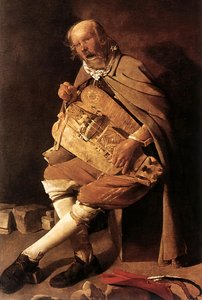
St. Thomas, also called Saint with a Pike
 Oil
Oil- WallArt
- Baroque Dramatic Light
 1630
1630- Early Modern
 61.0 x 69.0 cm
 სრული ტექსტის ნახვა
გიკლე / ხელოვნების პრინტი
მუზეუმის დონის ჟიკლე ან ტილოზე ბეჭდვა სწრაფი წარმოებისა და დასრულების მოქნილი ვარიანტებით. ( შეიძინეთ ხელით შესრულებული ნახატი გადასვლა ციფრულ გამოსახულებაზე)




P118B $10

P118H $10

P118W $10

P438Z $10

P508JH $12

P508YH $12

P805H $10

P805Z $10

P919BZ $10

P919G $10

P919XJ $10

P959ZH $10

P968JZ $12

W106C $8

W218G $10

W218JH $8

W218Y $10

W307PJ $10

W316G $10

W316PJ $8

W316Y $10

W398PJ $8

W4111J $10

W500HY $15

W500JH $15

W692G $12

W849H $8

W940BG $15

W953PJ $8




აირჩიეთ ჩვენს მიერ წინასწარ განსაზღვრული ზომებიდან, რომლებიც ნაწარმოების ორიგინალურ პროპორციებს შეესაბამება.

თქვენ შეგიძლიათ მიუთითოთ საკუთარი ზომები კონკრეტული ჩარჩოსთვის ან სივრცისთვის მოსარგებლებლად. თუ თქვენ მიერ არჩეული ზომა არ შეესაბამება ორიგინალი გამოსახულების პროპორციებს, ჩვენ ან დავჭრით ნამუშევარს, ან გავაფართოვებთ გამოსახულებას სარკული ან ერთფეროვანი კიდეებით. წარმოების დაწყებამდე თქვენს დასამტკიცებლად გამოგეგზავნებათ ციფრული მაკეტი.
გთხოვთ, გაითვალისწინოთ, რომ ეკრანზე ნაჩვენები წინასწარი ნახვა არ ასახავს რეალურ ჭრას ან გაფართოებას. მხოლოდ მაკეტზე იქნება ზუსტად წარმოდგენილი საბოლოო კომპოზიცია.
მიუხედავად იმისა, რომ ინდივიდუალური ზომები ხელმისაწვდომია, ორიგინალური პროპორციების შესანარჩუნებლად გირჩევთ, აირჩიოთ ზომა წინასწარ განსაზღვრული სიისგან.
მიწოდება მთელ მსოფლიოში () 2 კვირაში, სტანდარტული 4/5 კვირის ნაცვლად. (26 სექტემბერი)

უფასო ექსპრეს მიწოდება მთელ მსოფლიოში

მაღალი ხარისხის ტილო

ტრანსპორტირების სრული დაზღვევა

საბაჟო გადასახადების დაბრუნების გარანტია

ფერების სრული შესაბამისობის გარანტია

დაბრუნების 100-დღიანი პერიოდი (მხოლოდ წარმოების დეფექტის შემთხვევაში)

100% თანხის სრული დაბრუნების გარანტია

ფასდაკლება დიდი რაოდენობით შეკვეთისას
 მინის ჩარჩოს არჩევანი ხელმისაწვდომია მხოლოდ 110 სმ-მდე ზომისთვის

St. Thomas, also called Saint with a Pike
გიკლე / ხელოვნების პრინტი
რეპროდუქციის ზომა
-


ჯამური ღირებულება
$ 80
A Symphony of Shadow and Spirit
In the quietude of Georges de la Tour’s 1630 masterpiece, St. Thomas, we encounter more than a mere biblical illustration; we enter a sanctuary of profound introspection. This evocative work, measuring 61 x 69 cm, serves as a breathtaking testament to the power of the Baroque era's spiritual intensity. The painting captures the apostle in a moment of suspended animation, his gaze anchored to a single sheet of paper. This seemingly mundane object becomes a sacred conduit, a vessel for divine truth that demands the viewer’s absolute presence. As one contemplates this canvas, the boundaries between the seventeenth century and the modern soul begin to blur, inviting a meditative state where the weight of human doubt meets the light of revelation.
The technical brilliance of De la Tour lies in his masterful command of chiaroscuro, the dramatic interplay of light and shadow that defines the French Baroque style. Rather than utilizing light to illuminate a grand spectacle, De la Tour employs it to carve meaning out of the darkness. The shadows are not merely empty spaces but are heavy, velvety textures that press against the subject, heightening the emotional gravity of the scene. Every detail is rendered with a meticulous realism—from the sharp, purposeful edge of the knife held in St. Thomas’s hand to the delicate, weathered folds of his blue robe. This precision does not serve mere decoration; it grounds the spiritual narrative in a tangible, visceral reality that makes the saint's internal struggle feel intimately human.
The Weight of Faith and History
To understand St. Thomas, one must look through the lens of the turbulent era in which it was birthed. Painted during the height of the Protestant Reformation, the work resonates with the religious anxieties of a Europe searching for certainty amidst theological upheaval. The Catholic Church, facing unprecedented challenges to its dogma, sought a visual language of reaffirmation and quiet strength. In St. Thomas, De la Tour presents a figure of profound humility. The saint’s focus on the paper symbolizes the acceptance of evidence and the resolution of doubt—a powerful metaphor for the era's yearning for spiritual stability. It is a portrait of resolve, where the flickering light represents the persistent flame of faith even when surrounded by the vast unknown.
For the discerning collector or interior designer, this painting offers an unparalleled opportunity to introduce a sense of gravitas and timeless elegance into a space. The composition’s balanced tension and somber palette make it a sophisticated centerpiece for a study, a library, or a formal gallery setting. A high-quality reproduction of this work does more than decorate a wall; it curates an atmosphere of intellectual depth and contemplative peace. It invites guests to pause, to look closer at the interplay of light, and to find, much like St. Thomas, a moment of quiet clarity amidst the complexities of the modern world.
მხატვრის ბიოგრაფია
Georges de La Tour (1593-1652): French Baroque Master of Dramatic Chiaroscuro & Tenebrism
Georges de La Tour, a name that resonates with the hushed reverence reserved for masters of light and shadow, remains one of the most compelling figures of the French Baroque. Born in 1593 in Vic-sur-Seille, a small town nestled within the Duchy of Lorraine, his life unfolded against a backdrop of religious fervor and political upheaval. While details surrounding his early training remain somewhat elusive—scholars speculate about potential journeys to Italy or apprenticeships with local artists like Jacques Bellange—the seeds of his artistic vision were undoubtedly sown in this environment. He wasn’t born into an artistically established family; his father was a baker, yet the circumstances of his mother's lineage hint at a possible connection to nobility, a subtle influence perhaps reflected in the dignity and quiet grace that permeate his work.
Early Life & Artistic Influences
Georges de La Tour’s formative years were marked by the turbulent political landscape of Lorraine under Habsburg rule. Despite limited formal education—records indicate he attended Vic Cathedral School—his innate talent for drawing was evident from a young age, nurtured perhaps by familial encouragement. The prevailing artistic currents of his time included Caravaggism and Dutch Baroque, which profoundly shaped his aesthetic sensibilities. Notably, De La Tour’s formative years coincided with the flourishing of Utrecht School painters like Hendrick Terbrugghen, whose dramatic use of chiaroscuro served as a crucial catalyst for his stylistic development.
The Utrecht School & Stylistic Evolution
De La Tour's artistic journey wasn’t one of radical innovation but rather a masterful synthesis of existing influences. The dramatic chiaroscuro—the stark contrast between light and dark—that defines his paintings owes an undeniable debt to Caravaggio, the Italian master who revolutionized painting with his intensely realistic and emotionally charged scenes. However, De La Tour didn’t simply imitate; he filtered Caravaggism through the prism of Dutch Caravaggisti, particularly those from the Utrecht School like Hendrick Terbrugghen. This fusion resulted in a style that was both powerful and restrained, characterized by a muted palette dominated by earth tones and subtle gradations of light. His early works, predating 1630, exhibit a greater vibrancy and dynamism, reflecting the influence of the Utrecht school. But as his career progressed, he moved towards an increasingly introspective and minimalist aesthetic.
Major Works & Recurring Themes
The hallmark of De La Tour's oeuvre is undoubtedly his masterful use of candlelight, which he employed not merely as a source of illumination but as a metaphor for divine grace and spiritual awakening. His paintings are often set at night, with figures bathed in the warm, flickering glow of a single candle or lamp. This creates an atmosphere of intimacy and quiet contemplation, drawing the viewer into the scene and inviting them to share in the emotional experience of the subjects. The Fortune-Teller, painted around 1630, exemplifies this early style—a lively genre scene rendered with sharp observation and dramatic lighting. But it is his later religious works that truly showcase his genius. Adoration of the Shepherds, created around 1640, demonstrates his ability to imbue a traditional subject with profound emotional resonance. The figures are not idealized or heroic; they are ordinary people, humbled by the presence of the divine. The Tears of Saint Peter, painted in the 1650s, is a particularly poignant example of his psychological insight—the apostle’s grief rendered with heartbreaking subtlety and realism. Saint Joseph the Carpenter, another iconic work, depicts a serene domestic scene, highlighting De La Tour's mastery of capturing the quiet dignity of everyday life.
Legacy & Enduring Appeal
Despite achieving recognition during his lifetime—he was appointed “Painter to the King” by Louis XIII in 1638—De La Tour’s work fell into relative obscurity after his death in 1652. For centuries, many of his paintings were misattributed to other artists, and his name faded from art historical memory. It wasn't until the early 20th century that a concerted effort was made to rediscover and re-evaluate his oeuvre, led by scholars like Hermann Voss. This rediscovery revealed an artist of extraordinary originality and depth, whose work bridged the gap between Caravaggism and French Classicism. De La Tour’s innovative use of light and shadow, combined with his psychological insight into his subjects, continues to captivate audiences today. His paintings offer a glimpse into 17th-century life and spirituality, reflecting both the religious fervor and the social realities of his time. He remains celebrated for his ability to imbue everyday scenes with profound meaning and emotional depth

ჟორჟ დე ლატურ
1593 - 1652 , Францыя
მოკლე ფაქტები
- Artistic Movement Or Style: ბაროკო და ტენებრიზმი
- Artists Who Influenced This Artist:
- კარავაგიოჲ
- ჰენრიკ ტერბრუგენ
- Date Of Birth: მარტი 13, 1593
- Date Of Death: 1652 წელი
- Full Name: Georges de La Tour
- Nationality: საფრანგეთი
- Notable Artworks:
- მფლობელი მეგობრებისადმი სთქუვაჲ
- სტ იოზეფ ხ工ლისაჲ მებაღეჲ
- სტ პეტროჲ ტილოჲ სმებაღეჲ და ცრებიჲ
- სტ იოზეფ ხ工ლისაჲ მებაღეჲ და დიამე ლნერფ
- Place Of Birth: ვიკ-სურ-სეიჲლე, საფრანგეთი
მსგავსი სტატიები

ბարოკოს ეტალონები: 10 შედევრი, რომელმაც განსაზღვრა ეს სტილი | OriginalUniqueArt
აღმოფრთოვანდით ბაროკოს ეპოქის 10 უმშვენიერეს შედევრთან! კარავაჯო, რემბრანდტი და ვერმეერი – გი tanıtեք ამ დიდებულ ხელოვანებს. იხილეთ მათი საუკეთესო ნაშრომები და შექმენით თქვენი სახლისთვის უნიკალური დეკორი OriginalUniqueArt-თან!

The Golden Age Reforged: Dramatic Realism & Religious Zeal in Spanish Baroque Art
Explore the dramatic world of Spanish Baroque art! Discover masters like Zurbarán & the powerful influence of religious zeal on painting techniques – a guide for collectors and enthusiasts.

The Dramatic Flourish: Exploring the Baroque Movement's Enduring Legacy in Art History
Explore the dramatic world of Baroque art! Discover iconic artists like Caravaggio & Rubens, defining techniques, and its lasting impact on art history. Expert insights for collectors & enthusiasts at OriginalUniqueArt.

ბაროკოს დრამა: ოპულენტურობის და ემოციების შემოტანა თანამედროვე ინტერიერებში
აღმოაჩინეთ ბაროკოს ხელოვნების ოპულენტურობა OriginalUniqueArt-ში! რეკონსტრუქციები, პორტრეტები და ინდივიდუალური შეკვეთები. პროფესიონალური კონსულტაცია თქვენი სახლისთვის.

Simon Vouet: A Baroque Master's Journey from Italian Influence to French Classicism
Explore the life & art of Simon Vouet, a pivotal French Baroque painter who introduced Italian styles to France. Discover his masterpieces and lasting influence on 17th-century art.