

 ნახვა ინტერьерში
 გაგზავნა
 გაზიარება
 დეტალები
 გზამკვლევი

 ჩამოტვირთვა
 მსგავსები
 რენტგენოგრაფიული კვლევა
 სლაიდშოუ
 Q&A
Q&A სტატისტიკა
ვიოლინო და პალიტრა


 სრული ტექსტის ნახვა
ამ გვერდზე წარმოდგენილი ნამუშევარი დაცულია საავტორო უფლების შესახებ კანონმდებლობით, რაც იმას ნიშნავს, რომ ჩვენ არ გვაქვს მისი იდენტური რეპროდუქციის შექმნის ან გაყიდვის სამართლებრივი უფლება. აღნიშნული დაცვა უზრუნველყოფილია ისეთი საერთაშორისო შეთანხმებებით, როგორიცაა ბერნის კონვენცია და ეროვნული კანონმდებლობით, მათ შორის იმ კანონებით, რომლებიც დეტალურად არის გაწერილი აშშ-ის საავტორო უფლების შესახებ კანონი - თავი 17.
ეს მეთოდი სრულად შეესაბამება საავტორო უფლებების რეგულაციებს, რადგან ის არ გულისხმობს დაცული ნამუშევრის კოპირებას ან დუბლირებას. ამგვარად, ეს წარმოადგენს შემოქმედებით რეინტერპრეტაციას — ახალ ნახატს, რომელიც შთაგონებითაა განპირობებული ორიგინალით, თუმცა არ არის მის იდენტურ ასლს.
გიკლე / ხელოვნების პრინტი
მუზეუმის დონის ჟიკლე ან ტილოზე ბეჭდვა სწრაფი წარმოებისა და დასრულების მოქნილი ვარიანტებით. ( შეიძინეთ ხელით შესრულებული ნახატი გადასვლა ციფრულ გამოსახულებაზე)




P118B ₾10

P118H ₾10

P118W ₾10

P438Z ₾10

P508JH ₾12

P508YH ₾12

P805H ₾10

P805Z ₾10

P919BZ ₾10

P919G ₾10

P919XJ ₾10

P959ZH ₾10

P968JZ ₾12

W106C ₾8

W218G ₾10

W218JH ₾8

W218Y ₾10

W307PJ ₾10

W316G ₾10

W316PJ ₾8

W316Y ₾10

W398PJ ₾8

W4111J ₾10

W500HY ₾15

W500JH ₾15

W692G ₾12

W849H ₾8

W940BG ₾15

W953PJ ₾8




აირჩიეთ ჩვენს მიერ წინასწარ განსაზღვრული ზომებიდან, რომლებიც ნაწარმოების ორიგინალურ პროპორციებს შეესაბამება.

შეიყვანეთ თქვენთვის საჭირო სიგანე და სიმაღლე, რათა იგი მოერგოს თქვენს ჩარჩოს ან კედელს. ბეჭდვისას შესაძლებელია მხოლოდ მისი შემცირება და არა გაზრდა, ამიტომ სხვა ფორმის ზომის შემთხვევაში გამოსახულება ნაწილობრივ იკარგება. სანამ რაიმეს დაბეჭდავთ, ჩვენ გამოგიგზავნით ციფრულ მაკეტს დასდასტურებლად. ამ გვერდზე ნაჩვენები სურათი არ ასახავს რეალურ ჭრას — ამას მხოლოდ მაკეტი გვიჩვენებს.
მიწოდება მთელ მსოფლიოში () 2 კვირაში, სტანდარტული 4/5 კვირის ნაცვლად. (29 ოქტომბერი)

უფასო ექსპრეს მიწოდება მთელ მსოფლიოში

მაღალი ხარისხის ტილო

ტრანსპორტირების სრული დაზღვევა

საბაჟო გადასახადების დაბრუნების გარანტია

ფერების სრული შესაბამისობის გარანტია

დაბრუნების 100-დღიანი პერიოდი (მხოლოდ წარმოების დეფექტის შემთხვევაში)

100% თანხის სრული დაბრუნების გარანტია

ფასდაკლება დიდი რაოდენობით შეკვეთისას
 მინის ჩარჩოს არჩევანი ხელმისაწვდომია მხოლოდ 110 სმ-მდე ზომისთვის

ვიოლინო და პალიტრა
გიკლე / ხელოვნების პრინტი
რეპროდუქციის ზომა
-


ჯამური ღირებულება
₾ 208
სუბიექტისა და კომპოზიციის კვლევა
ეს მომხიბვლელი ნამუშევარი დინამიკურ ნატილობის სცენას წარმოგვიდგენს, სადაც, სავარაუდოდ, მუსიკალური ინსტრუმენტები, როგორიცაა ვიოლინო და პალიტრა, ფრაგმენტულ და აბსტრაქტულ ფორმაშია მოწყობილი. კომპოზიცია მაყურებელს მოუწოდებს, გამოიკვლიოს ფორმების მრავალშრიანი ურთიერთქმედება, სადაც ნაცნობი საგნები გეომეტრიულ ფასეტებად არის დაშლილი. ამ სუბიექტის შინაარსი აღნიშნავს მხატვრულ და მუსიკალურ შემოქმედებას, რაც სიმბოლურად გამოხატავს ჰარმონიას, კრეატიულობას და ხელოვნური ელემენტების ურთიერთდაკავშირებულობას. მისი საინტერესო განლაგება ხელს უწყობს კონტლემპლატიურ ჩართულობას და მოდერნისტული პერსპექტივით ააშკარავებს სილამაზეს ყოველდღიურ საგნებში.სტილი და ტექნიკა: კუბიზმის შედევრი
1910 წელს შექმნილი ეს ნამუშევარი კუბიზმის პიონერულ პრინციპებს განასახიერებს, რაც ხასიათდება დანგრეული გეომეტრიული ფორმებითა და მრავალმხრივი პერსპექტივებით. მხატვარი იყენებს ფერების დამშვიდებულ, მიწისფერ პალიტრას — ყავისფერს, ბეჟს, მწვანესა და 회グレーს (ნაცრისფერს) — რაც აძლიერებს კომპოზიციის ორგანულ და ბუნებრივ შეგრძნებას. ხილული ფუნჯის მარცვლები და მრავალფეროვანი ტექსტურები სიცოცხლისა და სპონტანურობის ელფერს სძენს ნამუშევარს, რაც ხაზს უსვამს ზედაპირის ტაქტილურ თვისებებს. კუთხოვანი ხაზები და გადაფარული ფორმები ქმნიან სიღრმისა და მოძრაობის განცდას, რაც ეჭვგავსდებს სივრცითი მთლიანობის ტრადიციულ წარმოდგენებს და მაყურებელს ეპატიჟება, ერთდროულად დაინახოს ნაცნობი საგნები სხვადასხვა კუთხით.ისტორიული კონტექსტი და მხატვრული მნიშვნელობა
თანამედროვე ხელოვნების ისტორიის გადამწყვეტ პერიოდში შექმნილი ეს ნამუშევარი ასახავს მე-20 საუკუნის დასაწყისის ექსპერიმენტული ეპოქის რევოლუციურ სულს. ჟორჟ ბრაკე, პაბლო პიკასოსთან ერთად, იმ დროის უმთავრესი ფიგურა იყო კუბიზმის განვითარებაში — ინოვაციური მოძრაობისა, რომელმაც ხელოვნური რეპრეზენტაციის ახალი სტანდარტები დააწესა. ეს ნახატი ასახავს კუბიზმის ანალიტიკური ფაზის არსს, სადაც ობიექტები გეომეტრიულ ფასეტებად იშლება და ხელახლა იკრება ერთი სიბრტეში მრავალი პერსპექტივის გამოსასახად. როგორც მოდერნისტული ხელოვნების ქვაკიდრონი, იგი განასახიერებს აბსტრაქციისკენ გადასვლას და ახალი ვიზუალური ენის ძიებას, რაც დღემდე ახდენს გავლენას თანამედროვე ხელოვნებაზე.სიმბოლიზმი და ემოციური ზეგავლენა
ტექნიკური ოსტატობის მიღმა, ეს ნამლwerkი აღძვრავს ჰარმონიის, ჭვრეტისა და მხატვრული გამოხატულების თემებს. დანგრეული ფორმები სიმბოლურად გამოხატავს აღქმის სირთულესა და რეალობის მრავალმხრივ ბუნებას. მიწისფერი ტონები ქმნის მდგრადობისა და ორგანული სიცოცხლის განცდას, ხოლო ენერგიული კომპოზიცია აღძრავს ცნობისმოყვარეობასა და ინტროსპექციას. შემსაკრებლებისა და ინტერიერის დიზაინერებისთვის ეს ნამუშევარი წარმოადგენს დახვეწილ ფოკუსურ წერტილს, რომელიც ნებისმიერ სივრცეს თანამედროვე ელეგანტურობითა და ინტელექტუალური სიღრმით ასავსებს, რაც მაყურებელს შთაგონებას აძლევს, სამყაროს ახალი, მრავალმხრივი პერსპექტივიდან შეხედოს.უნიკალური დანამატი ხელოვნების მოყვარულ world და კოლექციონერებისთვის
იდეალურია მათთვის, ვინც აფასებს გარდამტეხ თანამედროვე ხელოვნებას; ეს მაღალი ხარისხის რეპროდუქცია საშუალებას გაძლევთ, ხელოვნების ისტორიის ნაწილი შემოიტანოთ თქვენს კოლექციაში ან ინტერიერში. მისი მარადიული სტილი და ღრმა სიმბოლიზმი მას იდეალურ ცენტრალურ ელემენტად აქცევს გალერეებისთვის, მისაღებ ოთახებისთვის თუ ოფისებისთვის, რომელთაც შემოქმედებისა და ინოვაციის გამოწვევა სურთ. იქნება ეს წარმოდგენილი როგორც დამოუკიდებელი დეკორატიული ნივთი თუ როგორც კურირებულ კოლექციის ნაწილი, ეს ნამუშევარი გვპირდება შთაგონებასა და მოხიბვვას, რაც ადრეული კუბიზმის რევოლუციური სულისკადეს მუდმივ დასტურს წარმოადგენს.კითხვები და პასუხები
ჟორჟ ბრაკე-ის „ვიოლინო და პალიტრა“-ისთვის რომელ ბეჭდვის პარამეტრებს გვირჩევთ?
„ვიოლინო და პალიტრა“-ისთვის რეკომენდებული ბეჭდვის პარამეტრებია დიდი ზომის ზომა და გამართლებული სიმაღლის ორიენტაცია.
ჟორჟ ბრაკე-ის „ვიოლინო და პალიტრა“-ის რომელ ზომის ბეჭედი შეესაბამება რეკომენდებულ ოთახს?
მისაღები ოთახი-ისთვის, ჟორჟ ბრაკე-ის „ვიოლინო და პალიტრა“-ის ბეჭდვის რეკომენდებული ზომა არის დიდი ზომის.
დარჩა თუ არა "ვიოლინო და პალიტრა" ხელოვანის სამშობლოში?
არა - ნამუშევარი საზღვარგარეთ ინახება. ჟორჟ ბრაკე-ის სამშობლო საფრანგეთი არის, ხოლო ნამუშევრის „ვიოლინო და პალიტრა“ ორიგინალის მფლობელი მუზეუმი ამერიკის შეერთებული შტატები-ში მდებარეობს.
მხატვრის ბიოგრაფია
Early Life and Artistic Foundations
Georges Braque, born in Argenteuil, France, in 1882, embarked on a path deeply intertwined with the evolving landscape of modern art. His upbringing within a family of house painters and decorators instilled in him not only a technical mastery of materials but also an early appreciation for form and structure. Though initially following in his father’s trade, Braque's inherent artistic inclinations soon led him to formal training at the École des Beaux-Arts in Le Havre, marking the beginning of his journey toward becoming one of the most influential painters of the 20th century. This foundation—a blend of practical craftsmanship and academic study—would prove crucial as he later deconstructed and reimagined traditional artistic conventions.
Moving to Paris in 1902, Braque continued his studies at the Académie Humbert, immersing himself in the vibrant artistic milieu of the city. It was here that he encountered artists like Marie Laurencin and Francis Picabia, forging connections that would shape his early development. His initial works reflected the prevailing influences of Impressionism and Post-Impressionism, but a pivotal encounter with the bold colors and expressive freedom of Fauvism in 1905 ignited a new direction in his artistic exploration.
The Embrace of Fauvism and the Dawn of Cubism
Braque’s adoption of Fauvist principles—characterized by intense, non-naturalistic color and emotional expression—is vividly exemplified in paintings like The Patience. This period saw him working alongside artists such as Henri Matisse and André Derain, experimenting with vibrant palettes and simplified forms. However, Braque's engagement with Fauvism was not merely imitative; he infused it with a unique sensibility, tempering the movement’s unrestrained exuberance with a more restrained and analytical approach.
A turning point arrived in 1907 with his exposure to the retrospective exhibition of Paul Cézanne's work. Cézanne’s emphasis on geometric forms and multiple perspectives profoundly impacted Braque, setting the stage for his groundbreaking collaboration with Pablo Picasso. Beginning in 1908, these two artistic titans embarked on a period of intense intellectual exchange that would give birth to Cubism—a revolutionary movement that shattered traditional notions of representation.
Together, Braque and Picasso developed Analytical Cubism, dissecting objects into fragmented geometric shapes and presenting multiple viewpoints simultaneously. Works like Houses at L'Estaque demonstrate this early phase, showcasing a radical departure from conventional perspective and a focus on the underlying structure of forms. Their palette became deliberately muted, emphasizing form over color, as they sought to represent the totality of an object’s presence rather than merely its appearance.
Innovation Through Fragmentation and Collage
The partnership between Braque and Picasso continued to push the boundaries of artistic expression, leading to the development of Synthetic Cubism around 1912. This phase saw the introduction of collage—the incorporation of real-world materials such as newspaper clippings, wallpaper, and fabric into paintings. This innovation challenged the traditional hierarchy between painting and sculpture, blurring the lines between art and life.
Braque’s pioneering use of *papier collé* (pasted paper) marked a significant turning point in his artistic evolution. By integrating fragments of everyday objects into his compositions, he disrupted the illusionistic space of traditional painting and introduced a new level of materiality and texture. This technique not only expanded the formal possibilities of art but also reflected a growing interest in the relationship between representation and reality.
The outbreak of World War I in 1914 brought an interruption to this intense collaboration, as Braque was called upon for military service. His wartime experiences profoundly affected his artistic vision, leading him to explore more personal and lyrical themes in his post-war work.
Later Years and Enduring Legacy
Following the war, Braque’s style evolved beyond the strict confines of Cubism, incorporating elements of classical composition and a renewed interest in still life. While retaining the geometric influences that had defined his earlier work, he developed a more nuanced and contemplative approach to painting. His later landscapes and interiors are characterized by their serene atmosphere and subtle harmonies of color.
Throughout his career, Braque remained committed to exploring the fundamental principles of form, space, and representation. He continued to experiment with different materials and techniques, pushing the boundaries of artistic expression until his death in 1963. His influence on subsequent generations of artists is immeasurable, shaping the course of modern art and inspiring countless painters, sculptors, and collagists.
Georges Braque’s legacy extends beyond his individual artworks; he fundamentally altered our understanding of how we perceive and represent the world around us. His collaborative spirit with Picasso, coupled with his own unique artistic vision, cemented his place as a true pioneer of modern art—a master who dared to challenge conventions and redefine the possibilities of painting.
Influences and Notable Works
- Influenced By: Henri Matisse, André Derain, Paul Cézanne
- Key Works: Houses at L'Estaque, The Patience, Violin and Palette, Mandola
- Impact on Art History: Revolutionized 20th-century art through Cubism; challenged traditional notions of perspective and representation.
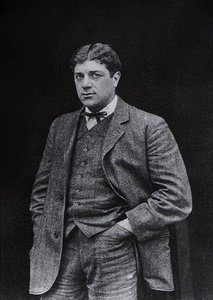
ჟორჟ ბრაკე
1882 - 1963 , საფრანგეთი
მოკლე ფაქტები
- Artistic Movement Or Style: კუბიზმი და ფავიზმი
- Artists Or Movements Influenced By This Artist: ['პროცედების დ სიცნობისთვის და კუბიზმი']
- Artists Who Influenced This Artist:
- ჰენრი მატის და სსრფ.
- პაბლო პიკასო და სსრფ.
- Date Of Birth: 13 მაისი 1882 წ.
- Date Of Death: 1963 წ.
- Full Name: Georges Braque
- Nationality: ფრანგილია
- Notable Artworks:
- სახლები ლესტაკზე
- procédés დ სიცნობისთვის
- ვიოლინა და პალეტი
- მანდოლა
- Place Of Birth: არგენტეუილი სსრფ.
მსგავსი სტატიები

Cubist Still Life: Redefining Reality Through Fragmented Forms and Geometric Abstraction
Explore the profound evolution of Cubist still life, from Cézanne's structural foundations to the fragmented brilliance of Braque and Léger. Discover how geometric abstraction redefined reality through a sophisticated lens of form, color, and modern artistic mastery.

ჟორჟ პიერ სეურას 25 საუკეთესო შედევრი: ფერების სიმფონია თქვენს სახლში | OriginalUniqueArt.com
გაიცანით ჟორჟ სეურას 25 საუკეთესო შედევრი! პუანტილიზმის გენიოსი, იმპრესიონიზმის ფერები და XIX საუკუნის ხელოვნების სიმდიდრე. შეიძინეთ უმაღლესი ხარისხის რეკრეაციები OriginalUniqueArt.com-ზე და შექმნით თქვენი სახლისთვის განსაკუთრებული ინტერიერი. აღმოაჩინეთ სეურას მთელი კოლექცია ონლაინ!
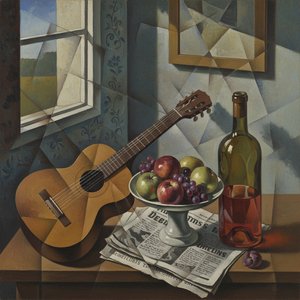
Deconstructing Reality: A Comprehensive Exploration of Cubist Still Life
Explore the revolutionary world of Cubist Still Life with OriginalUniqueArt. Discover Picasso & Braque's groundbreaking techniques, its philosophical roots, and lasting impact on modern art. Expert insights for collectors.

ჟორჟ ბრაკის 25 შედევრი: ხელოვნების ისტორიაში გამორჩეული ნაწარმოებები | OriginalUniqueArt.com
გაიცანით ჟორჟ ბრაკის 25 გამორჩეული შედევრი! კუბიზმის ისტორია, ფერწერის სტილი და ხელოვნების უნიკალური სამყარო OriginalUniqueArt.com-ზე. ნახატების რეპროდუქციები თქვენი სახლისთვის - ექსკლუზიური დეკორი და ინტერიერის იდეები. აღმოაჩინეთ მთელი კოლექცია ონლაინ!

Fragmented Reality: A Guide to the Power and Perspective of Cubist Still Life Art
Explore the profound depth of Cubist still life art. Our expert guide delves into the revolutionary techniques of Picasso and Braque, offering art enthusiasts a deep understanding of fragmented reality, geometric form, and the enduring power of Cubism in fine art.


