- მთავარი გვერდი

- ციფრული გამოსახულება
- ჟორჟ ბრაკე
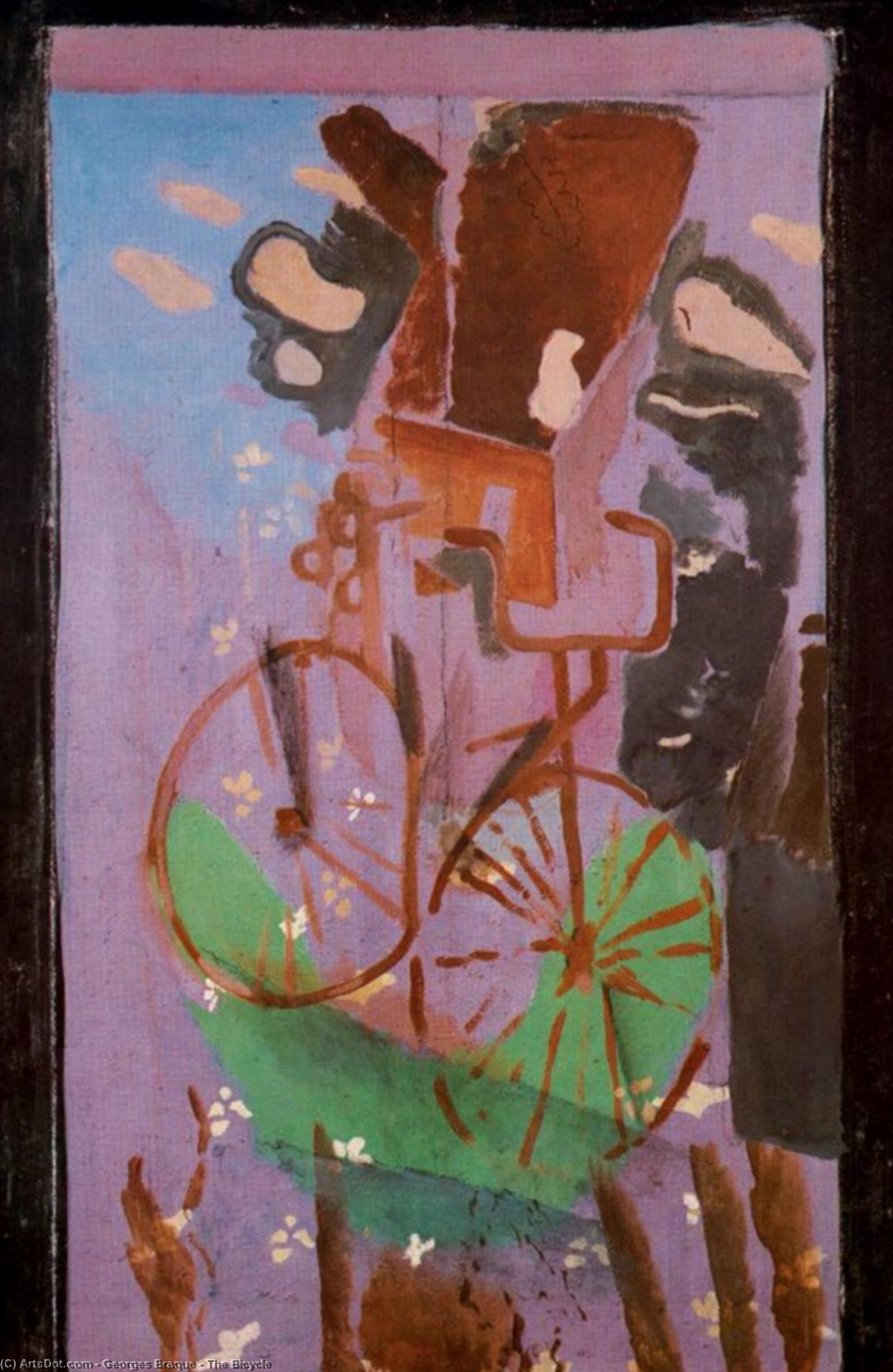
- The Bicycle
 ნაბეჭდის შეძენა სურათის შეძენა
 გაგზავნა
 გაზიარება
 დეტალები
 დამატება ფავორიტებში

 ჩამოტვირთვა
 მსგავსები
 რენტგენოგრაფიული კვლევა
 სლაიდშოუ
The Bicycle


 გადასართად დაწვრილებით ნახეთ
შეიძინეთ მაღალი რეზოლუციის, გაუმჯობესებული ციფრული გამოსახულება, რომელიც ხარისხით ბევრად აღემატება ონლაინ წინასწარ ნახვას.
თითოეულ ფაილს ჩვენი შიდა სპეციალისტები საგულდაგულოდ ამზადებენ თანამედროვე ინსტრუმენტებისა და პროფესიონალური რეტუშირების გამოყენებით. ჩვენ უზრუნველყოფთ, რომ თითოეულ გამოსახულებას ჰქონდეს გამორჩეული სიცხადე, ფერების ზუსტი გადაცემა და დეტალიზაცია.
დასრულებული ფაილი ელექტრონული ფოსტით 72 საათში გიგზავნით; იგი ოპტიმიზებულია პროფესიონალური, რედაქციული და პოლიგრაფიული გამოყენებისთვის. ეს არის ისეთივე ხარისხი, რომელსაც წამყვანი დიზაინ-სტუდიები, გამომცემლობები და გალერეები ენდობიან.
ციფრული გამოსახულება
ჩამოტვირთეთ მაღალი გარჩევადობის ფაილი პირადი გამოყენებისთვის, დასაბეჭდად და შემოქმედებითი პროექტებისთვის.
ყოველ ციფრულ გამოსახულების შეკვეთაში შედის
ექსპერტული ციფრული მიწოდება, გარანტირებული
როდესაც ირჩევთ OriginalUniqueArt.com-ს, თქვენ მხოლოდ სურათს კი არ იღებთ, არამედ იღებთ პროფესიონალურად დამუშავებულ ციფრულ ნამუშევარს, რომელიც შექმნილია უზადო სიზუსტით და დაცულია კმაყოფილების გარანტიით. თქვენს შეკვეთას ავტომატურად მოჰყვება შემდეგი:

სწრაფი მიწოდება ელექტრონული ფოსტით
თქვენს მაღალი რეზოლუციის ციფრულ გამოსახულებას ელექტრონული ფოსტით შეკვეთის დაწყებიდან 72 საათში მიიღებთ — ის მზად იქნება დაუყოვნებლივი გამოყენებისთვის.

AI-ით გაუმჯობესებული ციფრული ფაილი
თქვენი ხელოვნების ნიმუშები პროფესიონალურად არის ოპტიმიზებული მოწინავე AI ინსტრუმენტებისა და მექანიკური რედაქტირების მეშვეობით, რაც უზრუნველყოფს მაქსიმალურ დეტალიზაციას, სიცხადესა და ფერების სიზუსტეს.

ციფრული გამოსახულებების უფასო სამუდამო ხელახალი მიღება
ფაილი შემთხვევით წაიშალა ან დაკარგეთ? ნუបედავთ — ჩვენ მას ნებისმიერ დროს, უფასოდ ხელახლა გამოგეგზავნით.

იმპორტის გადასახადების გარეშე — ყოველთვის
ჭიდად ისიამოვნეთ თქვენი ნამუშევრით მყისიერად, საბაჟო გადასახადის, მოსაკრებლის ან მიწოდების ხარჯის გარეშე - ციფრული ჩამტვირთვისას ყოველთვის საგადასახადო თავისუფლებაა.

ფერების სიზუსტის გარანტია
პროფესიონალური ინსტრუმენტებისა და ფერების მართვის სისტემის გამოყენებით, ჩვენ უზრუნველყოფთ, რომ თქვენი ციფრული გამოსახულება მაქსიმალურად ზუსტად ასახავდეს ორიგინალურ ფერებს.

60-დღიანი კმაყოფილების გარანტია
თუ თქვენს ციფრულ გამოსახულებას ვერ დაკმაყოფილებთ, ჩვენ შევირჩევთ მას ან დავაბრუნებთ 100% თანხას 60 დღის განმავლობაში — ყოველგვარი დამატებითი კითხვის გარეშე.

100% თანხის დაბრუნების გარანტია
არ არის თქვენი კმაყოფილების საფუძველი? მიიღეთ თანხის სრული დაბრუნება ციფრული ფაილის მიღებიდან 60 დღის განმავლობაში — ყოველგვარი დამატებითი კითხვის გარეშე.

ფასდაკლება დიდი რაოდენობით შეკვეთაზე
შეიძინეთ 3 გამოსახულება და მიიღეთ 10% ფასდაკლება - შეიძინეთ 5 და მიიღეთ 15% ფასდაკლება - შეიძინეთ 10+-ზე და მიიღეთ 20% ფასდაკლება. იდეალურია კრეატიული პროექტებისთვის, გალერეებისა და სააგენტოებისთვის.
კოლექციონირებადი ნივთის აღწერა
A Vision of Modernity: Decoding Braque’s ‘The Bicycle’
Georges Braque's 1961 painting, *The Bicycle*, is far more than a depiction of a common object; it’s a compelling exploration of modernity, movement, and the evolving relationship between humanity and technology. While Braque is celebrated as a pioneer of Cubism, this work reveals his continued engagement with Fauvist principles – a vibrant palette and expressive brushwork – applied to a subject matter that speaks to the burgeoning 20th century.Subject & Composition: Stillness Within Motion
The painting centers around a bicycle, an emblem of freedom and progress at the time. However, Braque doesn’t present it in dynamic action. Instead, the bicycle appears almost suspended, static within a swirling composition of abstracted forms and bold colors. This deliberate stillness invites contemplation – what does this symbol of movement *mean* when divorced from motion? The surrounding shapes aren't merely background; they seem to interact with the bicycle, perhaps representing the environment it traverses or even the rider’s experience.Style & Technique: Fauvism Reimagined
Braque masterfully employs a Fauvist sensibility in *The Bicycle*. The canvas explodes with intense hues – purples, pinks, and blues dominate, creating a dreamlike atmosphere. His brushstrokes are visible and energetic, contributing to the painting’s overall dynamism despite the bicycle's stillness. This isn’t a precise rendering; it’s an emotional response *to* the object, conveyed through color and texture. The impasto technique – applying paint thickly – adds depth and physicality to the work, drawing the viewer in.Historical Context: Post-War Reflections
Painted in 1961, after the devastation of World War II, *The Bicycle* can be interpreted as a reflection on rebuilding and reimagining life. The bicycle, though simple, represents personal transportation and independence – qualities that would have resonated deeply during a period of recovery and societal shift. Braque’s continued exploration of non-Cubist styles in his later years demonstrates an artistic restlessness and a desire to continually redefine his approach.Symbolism & Emotional Impact: A Fragmented Dreamscape
The ambiguity inherent in the painting is key to its power. The distorted forms and surreal atmosphere evoke a sense of unease, perhaps mirroring the anxieties of the modern world. Is this bicycle a symbol of hope or a relic of a bygone era? The lack of clear narrative allows for multiple interpretations, making it a deeply personal experience for each viewer. It’s a fragmented dreamscape where recognizable elements are juxtaposed with fantastical shapes, prompting questions about identity, progress, and the human condition.Braque's Legacy: Beyond Cubism
While Braque is rightfully remembered as a founding father of Cubism alongside Pablo Picasso, works like *The Bicycle* demonstrate his versatility and enduring artistic vision. He wasn’t confined by labels; he continually experimented with different styles and techniques throughout his career. This painting serves as a reminder that even the most groundbreaking artists are capable of surprising us with new facets of their creativity.Collecting & Interior Design
A reproduction of *The Bicycle* would be a striking addition to any art collection or interior space. Its bold colors and dynamic composition make it a focal point, while its underlying themes invite conversation and contemplation. It complements modern and contemporary interiors particularly well, adding a touch of intellectual sophistication and artistic flair. The painting’s energy can enliven a living room, study, or office, sparking creativity and inspiring thought.- Style: Fauvism, Modern Art
- Technique: Oil on Canvas, Impasto
- Colors: Purple, Pink, Blue, with vibrant accents
- Emotional Impact: Thought-provoking, Surreal, Dynamic yet Still
მხატვრის ბიოგრაფია
Early Life and Artistic Foundations
Georges Braque, born in Argenteuil, France, in 1882, embarked on a path deeply intertwined with the evolving landscape of modern art. His upbringing within a family of house painters and decorators instilled in him not only a technical mastery of materials but also an early appreciation for form and structure. Though initially following in his father’s trade, Braque's inherent artistic inclinations soon led him to formal training at the École des Beaux-Arts in Le Havre, marking the beginning of his journey toward becoming one of the most influential painters of the 20th century. This foundation—a blend of practical craftsmanship and academic study—would prove crucial as he later deconstructed and reimagined traditional artistic conventions.
Moving to Paris in 1902, Braque continued his studies at the Académie Humbert, immersing himself in the vibrant artistic milieu of the city. It was here that he encountered artists like Marie Laurencin and Francis Picabia, forging connections that would shape his early development. His initial works reflected the prevailing influences of Impressionism and Post-Impressionism, but a pivotal encounter with the bold colors and expressive freedom of Fauvism in 1905 ignited a new direction in his artistic exploration.
The Embrace of Fauvism and the Dawn of Cubism
Braque’s adoption of Fauvist principles—characterized by intense, non-naturalistic color and emotional expression—is vividly exemplified in paintings like The Patience. This period saw him working alongside artists such as Henri Matisse and André Derain, experimenting with vibrant palettes and simplified forms. However, Braque's engagement with Fauvism was not merely imitative; he infused it with a unique sensibility, tempering the movement’s unrestrained exuberance with a more restrained and analytical approach.
A turning point arrived in 1907 with his exposure to the retrospective exhibition of Paul Cézanne's work. Cézanne’s emphasis on geometric forms and multiple perspectives profoundly impacted Braque, setting the stage for his groundbreaking collaboration with Pablo Picasso. Beginning in 1908, these two artistic titans embarked on a period of intense intellectual exchange that would give birth to Cubism—a revolutionary movement that shattered traditional notions of representation.
Together, Braque and Picasso developed Analytical Cubism, dissecting objects into fragmented geometric shapes and presenting multiple viewpoints simultaneously. Works like Houses at L'Estaque demonstrate this early phase, showcasing a radical departure from conventional perspective and a focus on the underlying structure of forms. Their palette became deliberately muted, emphasizing form over color, as they sought to represent the totality of an object’s presence rather than merely its appearance.
Innovation Through Fragmentation and Collage
The partnership between Braque and Picasso continued to push the boundaries of artistic expression, leading to the development of Synthetic Cubism around 1912. This phase saw the introduction of collage—the incorporation of real-world materials such as newspaper clippings, wallpaper, and fabric into paintings. This innovation challenged the traditional hierarchy between painting and sculpture, blurring the lines between art and life.
Braque’s pioneering use of *papier collé* (pasted paper) marked a significant turning point in his artistic evolution. By integrating fragments of everyday objects into his compositions, he disrupted the illusionistic space of traditional painting and introduced a new level of materiality and texture. This technique not only expanded the formal possibilities of art but also reflected a growing interest in the relationship between representation and reality.
The outbreak of World War I in 1914 brought an interruption to this intense collaboration, as Braque was called upon for military service. His wartime experiences profoundly affected his artistic vision, leading him to explore more personal and lyrical themes in his post-war work.
Later Years and Enduring Legacy
Following the war, Braque’s style evolved beyond the strict confines of Cubism, incorporating elements of classical composition and a renewed interest in still life. While retaining the geometric influences that had defined his earlier work, he developed a more nuanced and contemplative approach to painting. His later landscapes and interiors are characterized by their serene atmosphere and subtle harmonies of color.
Throughout his career, Braque remained committed to exploring the fundamental principles of form, space, and representation. He continued to experiment with different materials and techniques, pushing the boundaries of artistic expression until his death in 1963. His influence on subsequent generations of artists is immeasurable, shaping the course of modern art and inspiring countless painters, sculptors, and collagists.
Georges Braque’s legacy extends beyond his individual artworks; he fundamentally altered our understanding of how we perceive and represent the world around us. His collaborative spirit with Picasso, coupled with his own unique artistic vision, cemented his place as a true pioneer of modern art—a master who dared to challenge conventions and redefine the possibilities of painting.
Influences and Notable Works
- Influenced By: Henri Matisse, André Derain, Paul Cézanne
- Key Works: Houses at L'Estaque, The Patience, Violin and Palette, Mandola
- Impact on Art History: Revolutionized 20th-century art through Cubism; challenged traditional notions of perspective and representation.
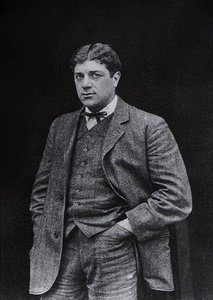
ჟორჟ ბრაკე
1882 - 1963 , საფრანგეთი
მოკლე ინფორმაცია
- Artistic Movement Or Style: კუბიზმი და ფავიზმი
- Artists Or Movements Influenced By This Artist: ['პროცედების დ სიცნობისთვის და კუბიზმი']
- Artists Who Influenced This Artist:
- ჰენრი მატის და სსრფ.
- პაბლო პიკასო და სსრფ.
- Date Of Birth: 13 მაისი 1882 წ.
- Date Of Death: 1963 წ.
- Full Name: Georges Braque
- Nationality: ფრანგილია
- Notable Artworks:
- სახლები ლესტაკზე
- procédés დ სიცნობისთვის
- ვიოლინა და პალეტი
- მანდოლა
- Place Of Birth: არგენტეუილი სსრფ.

