Cubist Fauvism
tenora (ჟორჟ ბრაკი)
ჟორჟ ბრაკი (1882–1963)-მა შექმნა tenora. ის Cubist Fauvism მიძღვნილ სტილს მიეკუთვნება. შესრულებულია Mixed Media-ით.
- Mixed Media

 წინასწარი ნახვა

 ხელით შესრულებული ზეთប្រეწერი
 გაგზავნა
 გაზიარება
 სპეცფიკაცია


 ჩამოტვირთვა
 მსგავსები
 რენტგენოგრაფიული კვლევა
 სლაიდშოუ
 კითხვა-პასუხი

 სტატისტიკა
tenora, მოკლედ
- სათაური
- tenora
- ავტორი
- ჟორჟ ბრაკი (1882–1963)
- ხატვის წელი და ადგილი
- არჟანტეი, საფრანგეთი
- ტექნიკა
- Mixed Media
- მოძრაობა
- Cubist Fauvism
- ეპოქა
- Modern
- სუბიექტი
- painting, paper, frame, texture, composition, abstraction
რა არის გამოსახული tenora-ში?
A Symphony of Texture and Silence
In the quiet realm of Georges Braque’s "Tenora," we encounter a masterpiece that defies the immediate expectations of the eye. At first glance, the composition presents a deceptive simplicity, a monochrome meditation that seems to strip away the distractions of the physical world. Yet, beneath this austere surface lies a profound exploration of texture and presence. The work functions as a tactile landscape, where the absence of vibrant color allows the viewer to focus entirely on the rhythmic dance of light across heavy, sculptural brushstrokes. It is an invitation to slow down, to move past the superficial, and to engage with the very materiality of paint itself. For the discerning collector or interior designer, this piece offers a sophisticated anchor—a work of quiet intensity that commands attention through its subtle complexity rather than through loud, competing hues.
The technique employed in "Tenora" is nothing short of visceral. Braque utilizes a thick impasto, applying layers of pigment so substantial that they create palpable ridges and valleys upon the canvas. This method transforms the painting from a mere two-dimensional image into a three-dimensional object, where shadows are cast by the paint itself. This interplay of light and shadow is further heightened by the artist's mastery of grayscale, creating a range of tones that feel both weighty and ethereal. The surface becomes a topographical map of the artist's creative struggle, capturing the energy of every stroke and the deliberate placement of every layer. Such textural depth makes a high-quality reproduction particularly rewarding, as it allows the play of ambient light in a room to interact with the simulated relief of the brushwork.
The Echoes of Fauvism and the Birth of Modernity
To understand "Tenora," one must look back to the radical shifts occurring in the French avant-garde at the turn of the 20th century. While Braque would later become a titan of Cubism, this work resonates with the lingering spirit of Fauvism. During this era, artists sought to liberate color from its descriptive duties, using it instead as a direct conduit for emotion. In "Tenora," even within a restricted palette, we feel that same expressive rebellion. The painting does not seek to mirror a recognizable object with photographic accuracy; rather, it seeks to capture the essence of a moment. There is a historical weight to this piece, as it sits at the crossroads of tradition and revolution, embodying the transition from the atmospheric preoccupations of Impressionism to the structural, intellectual rigor of the modern age.
The title itself, referencing the tenora—a traditional Catalan woodwind instrument—adds a layer of haunting symbolism. Though the instrument may not be explicitly rendered in a naturalistic fashion, its presence is felt through the rhythmic, melodic quality of the composition. The painting becomes a visual music, where the thick strokes act as notes and the tonal shifts serve as crescendos and decrescendos. This connection to folk tradition and auditory sensation imbues the work with a soulful, human element that balances its intellectual complexity. For those looking to infuse a space with culture and depth, "Tenora" provides more than just decoration; it offers a window into a pivotal moment of human expression, making it an enduring choice for any curated collection.
tenora-ის მაღალი გარ Auflხ resolución-ის გამოსახულებები

Protected by copyright: these files are for personal reference, not a licence to republish.
ჟორჟ ბრაკი, tenora.
კითხვები tenora-ზე, პასუხები
რა მასალისგან არის შესრულებული ჟორჟ ბრაკი-ის „tenora“?
ჟორჟ ბრაკი-ის „tenora“-ის მასალა არის Mixed Media. რეპროდუქციების მიზანია ამ ტექნიკის ვიზუალური მხარის ზუსტი გადმოცემა.
რა თემებია გამოსახული ნამუშევარში ჟორჟ ბრაკი-ის „tenora“?
ჟორჟ ბრაკი-ის „tenora“-ში წარმოდგენილი თემები მოიცავს painting, paper, frame, texture, composition, abstraction, geometric-ს, რაც ერთობლიობაში ასახავს ნამუშევრის შინაარსს.
არის თუ არა ჟორჟ ბრაკი-ის „tenora“ საჯარო დომენში?
ჟორჟ ბრაკი-ის „tenora“ არის კვლავ დაცულია საავტორო უფლებით. ეს სტატუსი განსაზღვრავს, თუ როგორ შეიძლება ნამუშევრის გამოსახულების რეპროდუცირება.
რომელ ხელოვანს მიეწერება "tenora"?
ნამუშევრის „tenora“ ავტორი არის ჟორჟ ბრაკი. ნამუშევარი დატრიალებულია ჟორჟ ბრაკი-ის სახელით.
რომელ მხატვრულ მიმდევრობას წარმოადგენს ჟორჟ ბრაკი-ის „tenora“?
ჟორჟ ბრაკი-ის „tenora“ მიეკუთვნება Cubist Fauvism მიმდევრობას. ეს მიმდევრობა ნამუშევარს სტილისტურ კონტექსტს სძენს.
ჟორჟ ბრაკი-ის შემოქმედებითი განვითარების რომელ ეტაპს წარმოადგენს „tenora“?
"tenora" წარმოადგენს ჟორჟ ბრაკი-ის შემოქმედებით პერიოდს: Mature Period.
რატომ არის "tenora"-ის საავტორო უფლებების სტატუსი სწორედ ასეთი?
„tenora“-ის საავტორო უფლებების სტატუსი — კვლავ დაცულია საავტორო უფლებით — განპირობებულია მხატვრის იმ გარდაცვალებით, რომელიც 1963-ში მოხდა.
რა საერთო აქვს „tenora“-ს ჟორჟ ბრაკი-ის შემოქმედების სხვა ნაწილით?
ჟორჟ ბრაკი-ის შემოქმედებაში „tenora“ Cubist Fauvism სტილშია შესრულებული და fauvist expressionism, formal experimentation, analytical cubism, avant-garde tradition, iconic representation თემებს ეფუძნება.
როგორ უკავშირდება „tenora“ ჟორჟ ბრაკი-ისთვის დამახასიათებელ განმეორებად თემებს?
"tenora" ასახავს painting, paper, frame, texture, composition, abstraction, geometric-ს, მაშინ როდესაც ჟორჟ ბრაკი-ის შემოქმედებაში დაფიქსირებული თემებია fauvist expressionism, formal experimentation, analytical cubism, avant-garde tradition, iconic representation. ამ ორი კომპონენტის შედარება გვიჩვენებს, თუ როგორ უკავშირდება ეს ნამუშევარი ხელოვანისთვის დამახასიათებელ საკצועებს.
ხელပاتარში: ჟორჟ ბრაკი
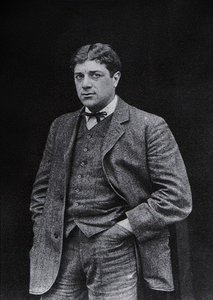
1882–1963, საფრანგეთი
ჟორჟ ბრაკი
Early Life, Family and Training Georges Braque was born in Argenteuil, France, in 1882. His early years were spent in Le Havre, France, within a household defined by the practicalities of decoration and color. Growing up in a family of house painters and decorators, he was immersed in the tactile realities of his trade from a young age. This upbringing provided a foundation of technical craftsmanship that would later inform his approach to the canvas.
ასევე ჟორჟ ბრაკი-ის მიერ
 მანდოლა1910
 გიტარista1914
 ლ'ესტაკის სახლები
 ხორვატის ნორმანდიელი1909
ესეები tenora-ის შესახებ
 Quietude on Canvas: Examining Serenity in Classical LandscapesExplore how masters like Dürer and Corot capture profound stillness through landscape. Discover the art of visual tranquility today.
 ჟორჟ ბრაკის 25 შედევრი: ხელოვნების ისტორიაში გამორჩეული ნაწარმოებები | OriginalUniqueArt.comგაიცანით ჟორჟ ბრაკის 25 გამორჩეული შედევრი! კუბიზმის ისტორია, ფერწერის სტილი და ხელოვნების უნიკალური სამყარო OriginalUniqueArt.com-ზე. ნახა…
 Georges Braque: The Architect of Form and the Soul of Cubist RevolutionExplore the profound legacy of Georges Braque, a master of Cubism. Discover how his technical craftsmanship and collaboration with Picasso …