() ·

A painting made for you, by hand

ლალის ჭიგლი

ხელით შესრულებული ზეთის საღებავით რეპროდუქცია

ტილოზე შესრულებული ფერწერიანი ზეთប្រდათი, თქვენთვის სასურველი ზომისა და ჩარჩოსთვის, ჩვენი ხელოვანების მიერ შეკვეთის საფუძველზე დამზადებული. ( გადართვა ბეჭდვის რეჟიმზე გადასვლა ციფრულ გამოსახულებაზე)

კოლექციონირებადი ნივთის აღწერა

გა explore Georges Braque-ის "ლალის ჭიგლი", კუბისტული шедевр, სადაც წარმოდგენილია ნிறვთ ყვავი და გეომეტრიული ფორმები. აღმოჩენით მისი გავლენა, მემკვიდრეობა და ხელოვნება OriginalUniqueArt.com-ზე.

მხატვრის ბიოგრაფია

გაითვალისწინებათ მეგობრებო! გიორგი ბრაკე ფრანგი მხატვარი და კუბიზმის პლენერა იყო და მისი ნაწარმოებები სხეპს და სიცნებას ახალი დონემდე გააჩნდათ. აღნიშნული მეგობრებო და შეფასებათა დამახასიათებელი ბრაკის ძირითადი კოლაჟები და სახლები ლესტაკზე და სხვებიდან არის და მისი მნიშვნელოვანი როლი კუბიზმის ისტორიაშია და მის მიერ შექმნილი ნაწარმოებები მოდელი და ინსპირაცია არიან სხვა მხატვრებისთვის და ბრაკის გავლე

from ·

Chapter 1

How large should it be?

Slide to change the size; the picture on the left shows the frame at its real width. The proportions of the original are kept.

სტანდარტული ზომა
ინდივიდუალური ზომა
CM
INCH

აირჩიეთ ჩვენს მიერ წინასწარ განსაზღვრული ზომებიდან, რომლებიც ნაწარმოების ორიგინალურ პროპორციებს შეესაბამება.

სიგანე
სიმაღლე

შეიყვანეთ თქვენთვის საჭირო სიგანე და სიმაღლე, რათა ნახატი მოერგოს თქვენს ჩარჩოს ან კედელს. ვინაიდან ეს ნამუშევარი ხელით არის შესრულებული, სხვა ფორმის ზომის შემთხვევაში, მხატვარმა შესაძლოა სურათის გარშემო ოდნავ მეტი დატოვოს ან შეამციროს — არჩევანი თქვენზეა. დაწყებამდე, დასამტკიცებლად, ჩვენ გამოგიგზავნით ციფრულ მაკეტს. ამ გვერდზე ნაჩვენები სურათი არ ასახავს რეალურ შედეგს — რეალური სახე მხოლოდ მაკეტზე ჩანს.

Chapter 2

How should it arrive?

Choose the edges of the stretched canvas

Choose your frame

Corner sample of the WhiteWrap canvas edge finish, stretched on მასიური ხე bars
White ₾1
Corner sample of the BlurSideWrap canvas edge finish, stretched on მასიური ხე bars
Blurside ₾1
Corner sample of the ExtendedWrap canvas edge finish, stretched on მასიური ხე bars
Extended ₾1
Corner sample of the P118B picture frame: ღუმლში ჩამჭედი პოლისტიროლი, 5 cm wide and 3 cm thick
P118B ₾10
Corner sample of the P118H picture frame: ღუმლში ჩამჭედი პოლისტიროლი, 5 cm wide and 3 cm thick
P118H ₾10
Corner sample of the P118W picture frame: ღუმლში ჩამჭედი პოლისტიროლი, 5 cm wide and 3 cm thick
P118W ₾10
Corner sample of the P438Z picture frame: ღუმლში ჩამჭედი პოლისტიროლი, 5.5 cm wide and 3.5 cm thick
P438Z ₾10
Corner sample of the P508JH picture frame: ღუმლში ჩამჭედი პოლისტიროლი, 7 cm wide and 3.5 cm thick
P508JH ₾12
Corner sample of the P508YH picture frame: ღუმლში ჩამჭედი პოლისტიროლი, 7 cm wide and 3.5 cm thick
P508YH ₾12
Corner sample of the P805H picture frame: ღუმლში ჩამჭედი პოლისტიროლი, 5 cm wide and 3.5 cm thick
P805H ₾10
Corner sample of the P805Z picture frame: ღუმლში ჩამჭედი პოლისტიროლი, 5 cm wide and 3.5 cm thick
P805Z ₾10
Corner sample of the P919BZ picture frame: ღუმლში ჩამჭედი პოლისტიროლი, 7 cm wide and 3.5 cm thick
P919BZ ₾10
Corner sample of the P919G picture frame: ღუმლში ჩამჭედი პოლისტიროლი, 7 cm wide and 3.5 cm thick
P919G ₾10
Corner sample of the P919XJ picture frame: ღუმლში ჩამჭედი პოლისტიროლი, 7 cm wide and 3.5 cm thick
P919XJ ₾10
Corner sample of the P959ZH picture frame: ღუმლში ჩამჭედი პოლისტიროლი, 5 cm wide and 3 cm thick
P959ZH ₾10
Corner sample of the P968JZ picture frame: ღუმლში ჩამჭედი პოლისტიროლი, 6 cm wide and 4 cm thick
P968JZ ₾12
Corner sample of the W106C picture frame: მასიური ხე, 5 cm wide and 3 cm thick
W106C ₾8
Corner sample of the W218G picture frame: მასიური ხე, 5 cm wide and 3 cm thick
W218G ₾10
Corner sample of the W218JH picture frame: მასიური ხე, 5 cm wide and 3 cm thick
W218JH ₾8
Corner sample of the W218Y picture frame: მასიური ხე, 5 cm wide and 3 cm thick
W218Y ₾10
Corner sample of the W307PJ picture frame: მასიური ხე, 6 cm wide and 3 cm thick
W307PJ ₾10
Corner sample of the W316G picture frame: მასიური ხე, 6 cm wide and 3 cm thick
W316G ₾10
Corner sample of the W316PJ picture frame: მასიური ხე, 6 cm wide and 3 cm thick
W316PJ ₾8
Corner sample of the W316Y picture frame: მასიური ხე, 6 cm wide and 3 cm thick
W316Y ₾10
Corner sample of the W398PJ picture frame: მასიური ხე, 5 cm wide and 3 cm thick
W398PJ ₾8
Corner sample of the W4111J picture frame: მასიური ხე, 6.5 cm wide and 3.5 cm thick
W4111J ₾10
Corner sample of the W500HY picture frame: მასიური ხე, 7 cm wide and 5 cm thick
W500HY ₾15
Corner sample of the W500JH picture frame: მასიური ხე, 7 cm wide and 5 cm thick
W500JH ₾15
Corner sample of the W692G picture frame: მასიური ხე, 8 cm wide and 4 cm thick
W692G ₾12
Corner sample of the W849H picture frame: მასიური ხე, 5 cm wide and 3 cm thick
W849H ₾8
Corner sample of the W940BG picture frame: მასიური ხე, 7.5 cm wide and 4.5 cm thick
W940BG ₾15
Corner sample of the W953PJ picture frame: მასიური ხე, 6 cm wide and 3.5 cm thick
W953PJ ₾8
Corner sample of the H24-GOLD picture frame: გასკერული ხე გესოსთან ერთად, 10 cm wide and 6 cm thick
H24-GOLD ₾30
Corner sample of the H24-SILVER picture frame: გასკერული ხე გესოსთან ერთად, 10 cm wide and 6 cm thick
H24-SILVER ₾30
Corner sample of the H36-GOLD picture frame: გასკერული ხე გესოსთან ერთად, 15 cm wide and 6.5 cm thick
H36-GOLD ₾45
Corner sample of the H36-SILVER picture frame: გასკერული ხე გესოსთან ერთად, 15 cm wide and 6.5 cm thick
H36-SILVER ₾45
ჩარჩოს წინასწარი ნახვა

ჩარჩოჩენილი

Moulding: . Overall size with the frame: .

Chapter 3

Who paints it, and should anything change?

Examples of what can be changed: Replace face with customer photo; Add pet (e.g., replace cat with dog); Include hidden message in background; Change background landscape or elements.
After order, OriginalUniqueArt.com team will email client for instructions and provide a mockup preview

მიწოდება მსოფლიო მასშტაბით -ში 3/4 კვირაში, სტანდარტული 5 კვირის ნაცვლად. (3 ნოემბერი). ხარისხზე კომპრომისის გაკეთება არ მოხდება.

Chapter 4

The finishing touches

A nameplate, as in a museum?

დაკვეთილი ბრინჯაოს ფირფიტის დეტალები

This elegant plaque features the artist's name and the title of the artwork, finely engraved for a timeless presentation.

It is made from bronze with a refined, elegant finish. The text is precisely laser-engraved for a sharp and permanent result. Measuring 9x2 cm, the plaque is compact yet easy to read. It's built to be durable and scratch-resistant, offering a professional, museum-quality look. Mounting is simple thanks to the included adhesive backing.

აკრილის გამჭვირვალე ფირფიტის დეტალები

The plaque includes essential engraved details such as the artist's name, the title of the artwork, the date it was created, the type of media used-like oil on canvas or watercolor-a brief description of the piece, and a QR code that links to the complete artwork information.

It is crafted from clear acrylic, offering a sleek, modern appearance. The text is UV-engraved in black to ensure strong visual contrast. With a size of 10x15 cm, it ensures optimal readability. It comes equipped with two metal hooks for secure wall mounting. The plaque is designed to be weather-resistant, making it suitable for various environments, and it includes interactive features that work seamlessly with smartphone scanning.

შავი აკრილის ფირფიტის დეტალები

This elegant plaque includes engraved information such as the artist's name, the title of the artwork, the date it was created, the type of media used (like oil on canvas or watercolor), a short description of the artwork, and a QR code for quick access to more information.

The plaque itself is made from refined black acrylic with a premium finish. The text is laser-engraved in white for high contrast and readability. Its size is 10x15 cm, designed to be easy to read. It comes with two metal hooks for professional mounting. The design is sleek and fits any interior style. It is also weather-resistant and durable, with built-in digital integration for mobile compatibility.

A protective varnish?

When do you need it?

Chapter 5

Your painting, as you ordered it

ლალის ჭიგლი

რეპროდუქციის ტექნიკა

რეპროდუქციის ზომა

-

დასახელებული ხელოვანთა შერჩეული კოლექცია

უფრო მეტი დეტალიზაცია, დახვეწილობა და დამატებითი დამუშავების დრო

-

რეკლამაციის ჩარჩო

-

-

ნებისმიერი მხარისთვის 105 სმ-ზე (დაახლოებით 41 ინჩი) მეტი ზომის ხელოვნებული ნამუშევრების ან რეპროდუქციებისთვის, ჩარჩო მოგზავნდება დაშლილ კომპლექტში. ეს მეთოდი უზრუნველყოფს უსაფრთხო მიწოდებას და თავიდან აგაცილებთ ტრანსპორტირებისას შესაძლო დაზიანებას.

საჭიროა პროფესიონალური აწყობა - ეს არ არის თვითმომსახურების (DIY) პროდუქტი.
კომპლექტის აწყობა და ტილოს დაჭიმვა უნდა განახორციელოს გამოცდილმა პროფესიონალმა ჩარჩოს დამამზადებელმა, ხის წებოს (არ შედის კომპლექტში), ტილოს დაჭიმვის ბერჭებისა და საკრამების გამოყენებით, რათა წებოს გასაშრობად ღერძები სწორად და სტაბილურად დაფიქსირდეს. არასწორი აწყობა ან ტილოს არათანაბარი დაჭიმვა შეიძლება გამოიწვიოს ნამუშევრის სამუდამო დაზიანება, რაც არ იფარება ჩვენი გარანტიით.

  • კომპლექტში შედის მყარი ხის ყველა ღერძი, ზუსტად გაზომილი და საჭირო ზომაზე დაჭრილი.

  • აწყობისთვის გამოიყენება მოთავსებული ხრახნები; ასევე დაგჭირდებათ ხის წებო კუთხეების დასაკავშირებლად, რომელიც კომპლექტში არ შედის და თქვენმა ჩარჩოს დამამზადებელმა უნდა შეიძინოს დამოუკიდებლად.

  • საჭიროა პროფესიონალური ხელსაწყოები, რომლებიც არ შედის კომპლექტში: ტილოს დაჭიმვის ბრჭყალები (დამჭერი) და სამჭედლები, რათა წებოს გასაშრობ პროცესში რამკოს კუთხეები სწორად ფიქსირდეს.

მნიშვნელოვანია:
კუთხეების დასაკავშირებლად საჭიროა ხის წებო; სანამ წებო სრულად გაშრება, ღერძები დაფიქსირებული უნდა იყოს საკავშირეებით, ხოლო აწყობილ ჩარჩოზე ტილოს დასჭიმად საჭიროა ტილოს დასჭიმელი ბრჭჭვალი. არცერთი ეს ნივთი არ შედის კომპლექტში. გთხოვთ, ამ ზომის შეკვეთამდე წინასწარ დაგეგმოთ გამოცდილი პროფესიონალი ჩარჩოს დამზადებელი.

სახელოვანი ფირფიტა

-

-

დამცავი ლაქი

ბზინვარე ლაქი (აფერსკვიატებს ფერებს და იცავს სინათლისა და ტენისგან)

-

ჩემი ნამუშევრის პერსონალიზაცია

რა შეიძლება შეიცვალოს (მაგალითები): სახის შეცვლა მომხმარებლის ფოტოთი; შინაური ცხოველის დამატება (მაგალითად, კატის დგებით შეცვლა); ფონზე ფარული შეტყობინების დამატება; ფონის ლანდშაფტის ან ელემენტების შეცვლა.

-

სასწრაფო მიწოდება

მიწოდება მსოფლიო მასშტაბით () 3-4 კვირაში, სტანდარტული 5 კვირის ნაცვლად. (3 ნოემბერი). ხარისხზე კომპრომისის გაკეთება არ მოხდება.

-

ექსპრეს-მიწოდება

მიწოდება მსოფლიოს მასშტაბით (), 5 კვირაში. (10 ნოემბერი).

მოყვება

ჯამური ღირებულება

₾ 779

ჯამური ღირებულება ₾ 779

მინის ჩარჩოს არჩევანი ხელმისაწვდომია მხოლოდ 110 სმ-მდე ზომისთვის

Included with every order

  • უფასო ექსპრეს მიწოდება მთელ მსოფლიოში
  • მაღალი ხარისხის ტილო
  • ტრანსპორტირების სრული დაზღვევა
  • საბაჟო გადასახადების დაბრუნების გარანტია
  • ფერების სრული შესაბამისობის გარანტია
  • დაბრუნების 100-დღიანი პერიოდი (მხოლოდ წარმოების დეფექტის შემთხვევაში)
  • 100% თანხის სრული დაბრუნების გარანტია
  • ფასდაკლება დიდი რაოდენობით შეკვეთისას

The Glass of Lilies: A Cubist Meditation on Still Life

Georges Braque’s “The Glass of Lilies,” painted in 1912, isn't merely a depiction of a vase and flowers; it’s a profound exploration of perception itself. This pivotal work, residing within the heart of the Cubist movement, invites us to reconsider how we see – and understand – the world around us. Braque, working closely with Pablo Picasso during this intensely creative period, dismantled traditional notions of representation, opting instead for a fragmented, multi-faceted approach that captures not just the *appearance* of an object but its very essence. The painting’s muted palette—dominated by browns, ochres, and subtle greens—creates a sense of quiet contemplation, drawing the viewer into a space where form and color intertwine in a dance of abstraction. Notice how the vase itself isn't rendered as a solid volume; it’s broken down into geometric planes, suggesting multiple viewpoints simultaneously. This technique, central to Cubism, challenges our ingrained assumptions about depth and spatial relationships, forcing us to actively engage with the image and reconstruct its form within our own minds. The inclusion of other vases and potted plants in the background further reinforces this sense of multiplicity, creating a layered composition that mirrors the complexities of modern experience.
  • Analytical Cubism: Braque’s early work in this style is characterized by a deliberate flattening of space and an emphasis on geometric forms.
  • Color Palette: The subdued tones contribute to the painting's contemplative mood, allowing the structural elements to take center stage.
  • Multiple Perspectives: The fragmented composition reflects the Cubist principle of presenting multiple viewpoints within a single image.

Influences and Artistic Roots

To truly appreciate “The Glass of Lilies,” it’s essential to understand its lineage. Braque's artistic journey was deeply rooted in the work of Paul Cézanne, whose emphasis on geometric forms and spatial relationships profoundly influenced his approach to painting. Cézanne’s exploration of multiple perspectives—seeing an object from various angles simultaneously—provided a crucial foundation for Braque’s Cubist innovations. Simultaneously, Braque absorbed the vibrant color palettes and expressive brushwork of Fauvism, particularly through his collaborations with artists like Raoul Dufy. This fusion of influences – Cézanne's structural rigor combined with Fauvist boldness – resulted in a uniquely powerful style that would reshape the course of modern art. The painting’s composition also subtly echoes the decorative arts traditions Braque had learned as a house painter, grounding the abstract forms within a familiar visual vocabulary. Cézanne’s Influence:** Braque sought to capture the essence of an object by analyzing its underlying geometric structure, much like Cézanne did with his landscapes. Fauvist Echoes:* The painting's muted tones and emphasis on color reflect the influence of Fauvism, a movement that prioritized emotional expression over realistic representation.

Symbolic Resonance: Flowers as Fragments

Beyond its formal innovations, “The Glass of Lilies” is rich in symbolic meaning. The flowers themselves—likely lilies, though their precise identification remains open to interpretation—represent beauty, purity, and remembrance. Their fragmented depiction within the painting suggests a disruption of traditional notions of floral representation, mirroring the broader Cubist challenge to established artistic conventions. The glass, acting as a vessel for these delicate blooms, symbolizes containment and transformation – holding the essence of the flowers while simultaneously reflecting them in distorted fragments. The arrangement of objects—the vase, the other vases, the plants—creates a miniature world within the frame, inviting contemplation on themes of harmony, balance, and the interconnectedness of all things.
  • Lilies: Symbolize beauty, purity, and remembrance.
  • The Vase: Represents containment and transformation.

A Legacy in Reproduction – Bringing Braque to Your Space

Georges Braque’s “The Glass of Lilies” stands as a testament to the transformative power of Cubism. Today, high-quality oil painting reproductions offer an accessible way to experience this groundbreaking artwork firsthand. OriginalUniqueArt.com specializes in meticulously crafted replicas that capture not only the visual details but also the emotional depth and intellectual complexity of Braque’s original masterpiece. Whether adorning a contemporary living room or enriching a scholarly study, a reproduction of “The Glass of Lilies” serves as a constant reminder of the enduring legacy of this revolutionary artist. For further exploration, we encourage you to visit the Dixon Gallery and Gardens in Memphis, United States, where an impressive collection of Braque’s works—including “Pot of Anemones”—provides invaluable context for understanding his artistic development. And if you're seeking a deeper dive into the world of Cubism, consider exploring resources like Georges Braque on OriginalUniqueArt.com or delving into the extensive archives available at The Glass of Lilies.

კითხვები და პასუხები

რა ფერთა ჰარმონიას ასطრეკებს ჟორჟ ბრაკე-ის „ლალის ჭიგლი“?

ჟორჟ ბრაკე-ის „ლალის ჭიგლი“-ის ფერები წარმოადგენს ბალანსირებული ჰარმონია ჰარმონიას. ჰარმონია აღწერს, თუ როგორ უკავშირდება ერთმანეთს ფერები.

რამდენად მკვეთრია „ლალის ჭიგლი“-ის ფერები?

ჟორჟ ბრაკე-ის „ლალის ჭიგლი“ ფერები გამოირჩევა ფერების მკაფიო გამოკვეთილება გაჯერებულობით და ფერადი და მკვეთრი ინტენსივობით.

რომელი მხატვარი და რომელი სტილი დგას „ლალის ჭიგლი“-ის უკან?

"ლალის ჭიგლი" შექმნილია ჟორჟ ბრაკე-ის მიერ კუბიზმი სტილში. ავტორი და სტილი ნამუშევრის ტრადიციას განსაზღვრავს.

More about this painting

ნახვა ინტერьерში ნახვა AR რეჟიმში გადართვა ბეჭდვის რეჟიმზე გადასვლა ციფრულ გამოსახულებაზე გაგზავნა


დეტალები გზამკვლევი დამატება ფავორიტებში ჩამოტვირთვა მსგავსები რენტგენოგრაფიული კვლევა სლაიდშოუ Q&A სტატისტიკა

In numbers

  • 29frames to choose from
  • standard sizes, in its own proportions
  • 5weeks to paint and deliver it

About the original

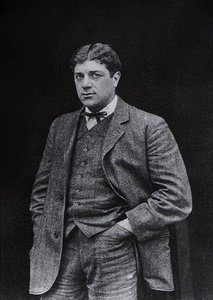
ჟორჟ ბრაკე

ჟორჟ ბრაკე

1882 - 1963, საფრანგეთი

Quick facts about ჟორჟ ბრაკე

  • Artistic Movement Or Style: კუბიზმი და ფავიზმი
  • Artists Or Movements Influenced By This Artist: ['პროცედების დ სიცნობისთვის და კუბიზმი']
  • Artists Who Influenced This Artist:
    • ჰენრი მატის და სსრფ.
    • პაბლო პიკასო და სსრფ.
  • Date Of Birth: 13 მაისი 1882 წ.
  • Date Of Death: 1963 წ.
  • Full Name: Georges Braque
  • Nationality: ფრანგილია
  • Notable Artworks:
    • სახლები ლესტაკზე
    • procédés დ სიცნობისთვის
    • ვიოლინა და პალეტი
    • მანდოლა
  • Place Of Birth: არგენტეუილი სსრფ.

მხატვრის ბიოგრაფია

Early Life and Artistic Foundations

Georges Braque, born in Argenteuil, France, in 1882, embarked on a path deeply intertwined with the evolving landscape of modern art. His upbringing within a family of house painters and decorators instilled in him not only a technical mastery of materials but also an early appreciation for form and structure. Though initially following in his father’s trade, Braque's inherent artistic inclinations soon led him to formal training at the École des Beaux-Arts in Le Havre, marking the beginning of his journey toward becoming one of the most influential painters of the 20th century. This foundation—a blend of practical craftsmanship and academic study—would prove crucial as he later deconstructed and reimagined traditional artistic conventions.

Moving to Paris in 1902, Braque continued his studies at the Académie Humbert, immersing himself in the vibrant artistic milieu of the city. It was here that he encountered artists like Marie Laurencin and Francis Picabia, forging connections that would shape his early development. His initial works reflected the prevailing influences of Impressionism and Post-Impressionism, but a pivotal encounter with the bold colors and expressive freedom of Fauvism in 1905 ignited a new direction in his artistic exploration.

The Embrace of Fauvism and the Dawn of Cubism

Braque’s adoption of Fauvist principles—characterized by intense, non-naturalistic color and emotional expression—is vividly exemplified in paintings like The Patience. This period saw him working alongside artists such as Henri Matisse and André Derain, experimenting with vibrant palettes and simplified forms. However, Braque's engagement with Fauvism was not merely imitative; he infused it with a unique sensibility, tempering the movement’s unrestrained exuberance with a more restrained and analytical approach.

A turning point arrived in 1907 with his exposure to the retrospective exhibition of Paul Cézanne's work. Cézanne’s emphasis on geometric forms and multiple perspectives profoundly impacted Braque, setting the stage for his groundbreaking collaboration with Pablo Picasso. Beginning in 1908, these two artistic titans embarked on a period of intense intellectual exchange that would give birth to Cubism—a revolutionary movement that shattered traditional notions of representation.

Together, Braque and Picasso developed Analytical Cubism, dissecting objects into fragmented geometric shapes and presenting multiple viewpoints simultaneously. Works like Houses at L'Estaque demonstrate this early phase, showcasing a radical departure from conventional perspective and a focus on the underlying structure of forms. Their palette became deliberately muted, emphasizing form over color, as they sought to represent the totality of an object’s presence rather than merely its appearance.

Innovation Through Fragmentation and Collage

The partnership between Braque and Picasso continued to push the boundaries of artistic expression, leading to the development of Synthetic Cubism around 1912. This phase saw the introduction of collage—the incorporation of real-world materials such as newspaper clippings, wallpaper, and fabric into paintings. This innovation challenged the traditional hierarchy between painting and sculpture, blurring the lines between art and life.

Braque’s pioneering use of *papier collé* (pasted paper) marked a significant turning point in his artistic evolution. By integrating fragments of everyday objects into his compositions, he disrupted the illusionistic space of traditional painting and introduced a new level of materiality and texture. This technique not only expanded the formal possibilities of art but also reflected a growing interest in the relationship between representation and reality.

The outbreak of World War I in 1914 brought an interruption to this intense collaboration, as Braque was called upon for military service. His wartime experiences profoundly affected his artistic vision, leading him to explore more personal and lyrical themes in his post-war work.

Later Years and Enduring Legacy

Following the war, Braque’s style evolved beyond the strict confines of Cubism, incorporating elements of classical composition and a renewed interest in still life. While retaining the geometric influences that had defined his earlier work, he developed a more nuanced and contemplative approach to painting. His later landscapes and interiors are characterized by their serene atmosphere and subtle harmonies of color.

Throughout his career, Braque remained committed to exploring the fundamental principles of form, space, and representation. He continued to experiment with different materials and techniques, pushing the boundaries of artistic expression until his death in 1963. His influence on subsequent generations of artists is immeasurable, shaping the course of modern art and inspiring countless painters, sculptors, and collagists.

Georges Braque’s legacy extends beyond his individual artworks; he fundamentally altered our understanding of how we perceive and represent the world around us. His collaborative spirit with Picasso, coupled with his own unique artistic vision, cemented his place as a true pioneer of modern art—a master who dared to challenge conventions and redefine the possibilities of painting.

Influences and Notable Works

  • Influenced By: Henri Matisse, André Derain, Paul Cézanne
  • Key Works: Houses at L'Estaque, The Patience, Violin and Palette, Mandola
  • Impact on Art History: Revolutionized 20th-century art through Cubism; challenged traditional notions of perspective and representation.

მოკლე ფაქტები

  • Influences:
    • პიკასო
    • სეზანი
  • Artist: ჟორჟ ბრაკე
  • Location: პირადი კოლექცია
  • Artistic style: abstracted, still life
  • Medium: ზეთით მზარდი ტილო

ტესტი ხელოვნების შესახებ

თითოეულ კითხვაზე მხოლოდ ერთი სწორი პასუხია.

კითხვა 1:

რა მხატვრულმა მოძრაობამ "The Glass of Lilies" ძირიმოდეს შთაინებული?
კითხვა 2:
რომელი მხატვარია ყველაზე ახლოს დაკავშირებული ჟორჟ ბრაკის კუბიზმის განვითარებასთან?
კითხვა 3:
რა არის კომპოზიციის ძირითადი მ characterizingი "The Glass of Lilies"-ში?
კითხვა 4:
რომელი სახის ყვავილები აქვს შექმნილი ფერი "The Glass of Lilies"-ში?
კითხვა 5:
რა მოგზავებს მრავალხერხიან ვაზებს ფონის "The Glass of Lilies"-ში?