Cubism
Fox (ჟორჟ ბრაკი)
ჟორჟ ბრაკი (1882–1963)-მა შექმნა Fox. ის Cubism მიძღვნილ სტილს მიეკუთვნება. შესრულებულია Etching-ით.
- Etching

 წინასწარი ნახვა

 ხელით შესრულებული ზეთប្រეწერი
 გაგზავნა
 გაზიარება
 სპეცფიკაცია


 ჩამოტვირთვა
 მსგავსები
 რენტგენოგრაფიული კვლევა
 სლაიდშოუ
 კითხვა-პასუხი

 სტატისტიკა
Fox, მოკლედ
- სათაური
- Fox
- ავტორი
- ჟორჟ ბრაკი (1882–1963)
- ხატვის წელი და ადგილი
- არჟანტეი, საფრანგეთი
- ტექნიკა
- Etching
- მოძრაობა
- Cubism
- ეპოქა
- Modern
- სუბიექტი
- abstract, geometric, monochrome, line art, composition, braque
რა არის გამოსახული Fox-ში?
The Essence of Geometric Fragmentation
In the quiet, monochromatic depths of Georges Braque’s Fox, we encounter a profound moment in the evolution of modern vision. Created in 1911 and published the following year, this exquisite etching serves as a masterclass in the radical language of Cubism. At first glance, the eye may search for the titular subject, yet Braque deliberately withholds the literal. Instead, he offers us a fragment of pure geometry—a meticulously structured dance of rectangles, triangles, and sweeping curves that seem to float within a shallow, textured space. This is not a depiction of an animal, but rather an exploration of how light, line, and form can exist independently of the physical world. For the discerning collector or interior designer, this piece offers a sophisticated focal point, bringing an intellectual depth and a sense of avant-garde history to any curated space.
The technique employed in Fox is as vital to its impact as the composition itself. As a monochrome etching, the work relies on the subtle interplay of ink and paper to create a palpable sense of materiality. The grainy, tactile texture inherent in the printing process lends the piece an organic soul, preventing the geometric shapes from feeling cold or clinical. Braque’s mastery of linework is evident in the varying weights of each stroke, which guide the viewer's gaze in an upward trajectory toward the upper right corner. This deliberate movement creates a dynamic tension, a rhythmic pulse that breathes life into the abstract arrangement. The layering of multiple plates allows for tonal variations that suggest depth without ever relying on traditional, illusionistic shading, making it a quintessential example of the transition from representational art to pure abstraction.
A Legacy of Innovation and Aesthetic Grace
To understand Fox is to understand the seismic shift in the artistic landscape of the early 20th century. Emerging from the vibrant, experimental atmosphere of Paris, Braque worked alongside Pablo Picasso to dismantle the traditional perspective that had dominated Western art since the Renaissance. This piece embodies the intellectual fervor of an era obsessed with new ways of perceiving reality through the lenses of optics and mathematics. By deconstructing objects into fragmented planes, Braque invites us to view the world not as a static image, but as a complex, multi-dimensional experience. There is a profound emotional resonance in this struggle—a sense of searching for truth within the chaos of modern life.
For those looking to integrate fine art into a contemporary interior, Fox provides an unparalleled sense of timelessness. Its neutral palette and structural elegance allow it to harmonize with both minimalist modernism and more eclectic, classical settings. It does not demand attention through loud color, but rather commands respect through its sophisticated composition and historical weight. Owning a high-quality reproduction of this masterpiece is more than an aesthetic choice; it is an invitation to contemplate the very foundations of modern thought and to surround oneself with the enduring beauty of geometric truth.
Fox-ის მაღალი გარ Auflხ resolución-ის გამოსახულებები

Protected by copyright: these files are for personal reference, not a licence to republish.
ჟორჟ ბრაკი, Fox.
კითხვები Fox-ზე, პასუხები
რა მასალისგან არის შესრულებული ჟორჟ ბრაკი-ის „Fox“?
ჟორჟ ბრაკი-ის „Fox“-ის მასალა არის Etching. რეპროდუქციების მიზანია ამ ტექნიკის ვიზუალური მხარის ზუსტი გადმოცემა.
რას ეხება "Fox"?
ჟორჟ ბრაკი-ის „Fox“-ზე გამოსახულია: abstract, geometric, monochrome, line art, composition, braque, printmaking, modernart.
არის თუ არა "Fox" საავტორო უფლებებისგან თავისუფალი?
ავტორული უფლებების სტატუსი ნამუშევრისთვის ჟორჟ ბრაკი-ის „Fox“: ნამუშევარი არის კვლავ დაცულია საავტორო უფლებით. ეს განსაზღვრავს, შესაძლებელია თუ არა გამოსახულების რეპროდუქციის თავისუფლად წარმოება.
ვინ შექმნა "Fox"?
"Fox" შექმნილია ჟორჟ ბრაკი-ის მიერ. ამ გვერდზე მოცემული ინფორმაცია აღწერს ჟორჟ ბრაკი-ის ორიგინალურ ნამუშევარს.
რომელ ხელოვნების მიმდევრობას მიეკუთვნება ჟორჟ ბრაკი-ის „Fox“?
ჟორჟ ბრაკი-ის „Fox“ მიეკუთვნება Cubism მიმდევრობას. ეს მიმდევრობა ნამუშევარს სტილისტურ კონტექსტს სძენს.
ჟორჟ ბრაკი-ის შემოქმედების რომელი პერიოდის ნაწილია "Fox"?
ჟორჟ ბრაკი-ის შემოქმედების პერიოდში „Fox“ Mature Period-ს მიეკუთვნება. ეს ფაზა საშუალებას გვაძლევს, იგი ხელოვანის სხვა ნამუშევრებს შევადაროთ.
არის თუ არა ჟორჟ ბრაკი-ის ნამუშევარი „Fox“ საჯარო საკუთრებაში და რატომ?
ჟორჟ ბრაკი-ის „Fox“ არის კვლავ დაცულია საავტორო უფლებით. საავტორო უფლებების ვადა ითვლება ხელოვანის გარდაცვალებიდან, რომელიც მოხდა 1963 წელს.
რა ადგილი უჭირავს „Fox“-ს ჟორჟ ბრაკი-ის შემოქმედებისათვის დამახასიათებელ თემებსა და სტილში?
"Fox" ჟორჟ ბრაკი-ის Cubism სტილის ნამუშევარია, რომლის ძირითად თემებს შორის არის geometric abstraction, constructivism, early printmaking, modernism, geometric forms, formal exploration, key cubist etching, exploring line & shape."
არის თუ არა "Fox" იმის ტიპური ნიმუში, რასაც ჟორჟ ბრაკი ჩვეულებრივ ქმნიდა?
ჟორჟ ბრაკი-ის განმეორებადი თემები მოიცავს geometric abstraction, constructivism, early printmaking, modernism, geometric forms, formal exploration, key cubist etching, exploring line & shape-ს; „Fox“ ფოკუსირებულია abstract, geometric, monochrome, line art, composition, braque, printmaking, modernart-ზე.
ხელပاتარში: ჟორჟ ბრაკი
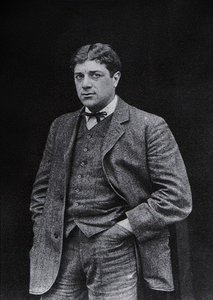
1882–1963, საფრანგეთი
ჟორჟ ბრაკი
Early Life, Family and Training Georges Braque was born in Argenteuil, France, in 1882. His early years were spent in Le Havre, France, within a household defined by the practicalities of decoration and color. Growing up in a family of house painters and decorators, he was immersed in the tactile realities of his trade from a young age. This upbringing provided a foundation of technical craftsmanship that would later inform his approach to the canvas.
ასევე ჟორჟ ბრაკი-ის მიერ
 მანდოლა1910
 გიტარista1914
 ლ'ესტაკის სახლები
 ხორვატის ნორმანდიელი1909
ესეები Fox-ის შესახებ
 Georges Braque: The Architect of Form and the Soul of Cubist RevolutionExplore the profound legacy of Georges Braque, a master of Cubism. Discover how his technical craftsmanship and collaboration with Picasso …
 Mastering Cubism: The Top 25 Essential Georges Braque ArtworksJourney through the revolutionary world of Georges Braque. Explore 25 iconic Cubist masterpieces, from geometric abstractions to Fauvist co…
 From Cézanne to Cubism: The Revolutionary Evolution of Modern Art's Structural VisionExplore the profound transition from Cézanne’s structural Post-Impressionism to the revolutionary fractured forms of Cubism. A sophisticate…