

 ნახვა ინტერьерში
 გაგზავნა
 გაზიარება
 დეტალები
 გზამკვლევი

 ჩამოტვირთვა
 მსგავსები
 რენტგენოგრაფიული კვლევა
 სლაიდშოუ
 სტატისტიკა
Bottle And Glass

 სრული ტექსტის ნახვა
ამ გვერდზე წარმოდგენილი ნამუშევარი დაცულია საავტორო უფლების შესახებ კანონმდებლობით, რაც იმას ნიშნავს, რომ ჩვენ არ გვაქვს მისი იდენტური რეპროდუქციის შექმნის ან გაყიდვის სამართლებრივი უფლება. აღნიშნული დაცვა უზრუნველყოფილია ისეთი საერთაშორისო შეთანხმებებით, როგორიცაა ბერნის კონვენცია და ეროვნული კანონმდებლობით, მათ შორის იმ კანონებით, რომლებიც დეტალურად არის გაწერილი აშშ-ის საავტორო უფლების შესახებ კანონი - თავი 17.
ეს მეთოდი სრულად შეესაბამება საავტორო უფლებების რეგულაციებს, რადგან ის არ გულისხმობს დაცული ნამუშევრის კოპირებას ან დუბლირებას. ამგვარად, ეს წარმოადგენს შემოქმედებით რეინტერპრეტაციას — ახალ ნახატს, რომელიც შთაგონებითაა განპირობებული ორიგინალით, თუმცა არ არის მის იდენტურ ასლს.
გიკლე / ხელოვნების პრინტი
მუზეუმის დონის ჟიკლე ან ტილოზე ბეჭდვა სწრაფი წარმოებისა და დასრულების მოქნილი ვარიანტებით. ( შეიძინეთ ხელით შესრულებული ნახატი გადასვლა ციფრულ გამოსახულებაზე)




P118B ₾10

P118H ₾10

P118W ₾10

P438Z ₾10

P508JH ₾12

P508YH ₾12

P805H ₾10

P805Z ₾10

P919BZ ₾10

P919G ₾10

P919XJ ₾10

P959ZH ₾10

P968JZ ₾12

W106C ₾8

W218G ₾10

W218JH ₾8

W218Y ₾10

W307PJ ₾10

W316G ₾10

W316PJ ₾8

W316Y ₾10

W398PJ ₾8

W4111J ₾10

W500HY ₾15

W500JH ₾15

W692G ₾12

W849H ₾8

W940BG ₾15

W953PJ ₾8




აირჩიეთ ჩვენს მიერ წინასწარ განსაზღვრული ზომებიდან, რომლებიც ნაწარმოების ორიგინალურ პროპორციებს შეესაბამება.

შეიყვანეთ თქვენთვის საჭირო სიგანე და სიმაღლე, რათა იგი მოერგოს თქვენს ჩარჩოს ან კედელს. ბეჭდვისას შესაძლებელია მხოლოდ მისი შემცირება და არა გაზრდა, ამიტომ სხვა ფორმის ზომის შემთხვევაში გამოსახულება ნაწილობრივ იკარგება. სანამ რაიმეს დაბეჭდავთ, ჩვენ გამოგიგზავნით ციფრულ მაკეტს დასდასტურებლად. ამ გვერდზე ნაჩვენები სურათი არ ასახავს რეალურ ჭრას — ამას მხოლოდ მაკეტი გვიჩვენებს.
მიწოდება მთელ მსოფლიოში () 2 კვირაში, სტანდარტული 4/5 კვირის ნაცვლად. (28 ოქტომბერი)

უფასო ექსპრეს მიწოდება მთელ მსოფლიოში

მაღალი ხარისხის ტილო

ტრანსპორტირების სრული დაზღვევა

საბაჟო გადასახადების დაბრუნების გარანტია

ფერების სრული შესაბამისობის გარანტია

დაბრუნების 100-დღიანი პერიოდი (მხოლოდ წარმოების დეფექტის შემთხვევაში)

100% თანხის სრული დაბრუნების გარანტია

ფასდაკლება დიდი რაოდენობით შეკვეთისას
 მინის ჩარჩოს არჩევანი ხელმისაწვდომია მხოლოდ 110 სმ-მდე ზომისთვის

Bottle And Glass
გიკლე / ხელოვნების პრინტი
რეპროდუქციის ზომა
-


ჯამური ღირებულება
₾ 208
A Still Life Deconstructed: Exploring Braque’s ‘Bottle And Glass’
Georges Braque's *Bottle And Glass* is a captivating example of his pivotal role in the development of Cubism. While seemingly a simple depiction of everyday objects – a bottle, a glass, and surrounding furniture – this painting represents a radical departure from traditional artistic representation. It invites viewers to reconsider how we perceive space, form, and reality itself.Subject & Composition
The composition centers around a bottle and a glass positioned on a table. A chair is subtly placed to the left and another to the right, grounding the scene in an interior setting. Above them hangs a clock, a recurring motif in Braque’s work during this period. However, these elements aren't presented as they would be seen in naturalistic perspective. Instead, Braque fractures and reassembles them, presenting multiple viewpoints simultaneously. The objects are not merely *represented*; they are intellectually *analyzed* and then reconstructed on the canvas.Style & Technique: A Cubist Exploration
This work exemplifies Analytical Cubism, a style Braque pioneered alongside Pablo Picasso. Key characteristics include:- Fragmentation: Objects are broken down into geometric shapes and facets.
- Multiple Perspectives: The painting presents several viewpoints of the same object at once, challenging traditional single-point perspective.
- Monochromatic Palette: Braque typically employed a restrained palette of browns, grays, ochres, and blacks during his Analytical Cubist phase. This focus on tone rather than color emphasizes form and structure.
- Shallow Space: The illusion of depth is minimized, flattening the picture plane and creating an ambiguous spatial relationship between objects.
Historical Context & Artistic Evolution
Braque’s artistic journey began with Fauvism, but he quickly moved beyond its expressive use of color towards a more intellectual approach. Between 1908 and 1914, his collaboration with Picasso was instrumental in developing Cubism. *Bottle And Glass* dates from this crucial period, showcasing the style’s defining features before it evolved into Synthetic Cubism (characterized by collage elements). This painting reflects a broader artistic climate of experimentation and rejection of academic conventions that defined the early 20th century.Symbolism & Interpretation
While Braque resisted overtly symbolic interpretations, certain recurring motifs suggest deeper meanings. The bottle and glass themselves can be seen as symbols of conviviality and social life, yet their fractured representation hints at a sense of alienation or fragmentation in modern experience. The clock may represent the passage of time and the fleeting nature of perception. Ultimately, *Bottle And Glass* is less about depicting specific objects and more about exploring the very act of seeing and representing.Emotional Impact & Aesthetic Appeal
Despite its intellectual rigor, *Bottle And Glass* possesses a quiet beauty. The subtle harmonies of tone and the delicate interplay of forms create a visually engaging experience. The painting evokes a sense of contemplation and invites viewers to actively participate in deciphering its complex structure. For interior designers, a reproduction of this work can add a touch of sophisticated modernism to any space, offering a timeless aesthetic that is both intellectually stimulating and visually pleasing. It’s a piece that rewards close looking and continues to resonate with audiences today.კითხვები და პასუხები
რამდენად მკვეთრი კონტრასტი აქვს ჟორჟ ბრაკე-ის „Bottle And Glass“-ს?
ნათელი და ბნელი ფერების კონტრასტი ნამუშევრისთვის „Bottle And Glass“ შეფასებულია როგორც Statement. კონტრასტი აღწერს, თუ რამდენად მკვეთრად განსხვავდება ნათელი და ბნელი არეები ერთმანეთისგან.
სად შემიძლება "Bottle And Glass"-ის შესახებ სახელმძღვანელოს პოვნა?
ჟორჟ ბრაკე-ის „Bottle And Glass“-ისთვის ხელმისაწვდომია გზამკვლევი გვერდი: ამ ხელოვნების ნიმუშის შესახებ დასაბეჭდი ფაქტების ფურცელი, რომელიც შექმნილია სტუდენტებისა და სასწავლო პროცესისთვის.
არის თუ არა ჟორჟ ბრაკე-ის „Bottle And Glass“ Cubism მიმდევრობის ერთ-ერთი ყველაზე მოთხოვნადი ნამუშევარი?
ჟორჟ ბრაკე-ის „Bottle And Glass“ შეფასებულია როგორც Iconic და მიეკუთვნება Cubism სტილის მიმდევრობას.
მხატვრის ბიოგრაფია
Early Life and Artistic Foundations
Georges Braque, born in Argenteuil, France, in 1882, embarked on a path deeply intertwined with the evolving landscape of modern art. His upbringing within a family of house painters and decorators instilled in him not only a technical mastery of materials but also an early appreciation for form and structure. Though initially following in his father’s trade, Braque's inherent artistic inclinations soon led him to formal training at the École des Beaux-Arts in Le Havre, marking the beginning of his journey toward becoming one of the most influential painters of the 20th century. This foundation—a blend of practical craftsmanship and academic study—would prove crucial as he later deconstructed and reimagined traditional artistic conventions.
Moving to Paris in 1902, Braque continued his studies at the Académie Humbert, immersing himself in the vibrant artistic milieu of the city. It was here that he encountered artists like Marie Laurencin and Francis Picabia, forging connections that would shape his early development. His initial works reflected the prevailing influences of Impressionism and Post-Impressionism, but a pivotal encounter with the bold colors and expressive freedom of Fauvism in 1905 ignited a new direction in his artistic exploration.
The Embrace of Fauvism and the Dawn of Cubism
Braque’s adoption of Fauvist principles—characterized by intense, non-naturalistic color and emotional expression—is vividly exemplified in paintings like The Patience. This period saw him working alongside artists such as Henri Matisse and André Derain, experimenting with vibrant palettes and simplified forms. However, Braque's engagement with Fauvism was not merely imitative; he infused it with a unique sensibility, tempering the movement’s unrestrained exuberance with a more restrained and analytical approach.
A turning point arrived in 1907 with his exposure to the retrospective exhibition of Paul Cézanne's work. Cézanne’s emphasis on geometric forms and multiple perspectives profoundly impacted Braque, setting the stage for his groundbreaking collaboration with Pablo Picasso. Beginning in 1908, these two artistic titans embarked on a period of intense intellectual exchange that would give birth to Cubism—a revolutionary movement that shattered traditional notions of representation.
Together, Braque and Picasso developed Analytical Cubism, dissecting objects into fragmented geometric shapes and presenting multiple viewpoints simultaneously. Works like Houses at L'Estaque demonstrate this early phase, showcasing a radical departure from conventional perspective and a focus on the underlying structure of forms. Their palette became deliberately muted, emphasizing form over color, as they sought to represent the totality of an object’s presence rather than merely its appearance.
Innovation Through Fragmentation and Collage
The partnership between Braque and Picasso continued to push the boundaries of artistic expression, leading to the development of Synthetic Cubism around 1912. This phase saw the introduction of collage—the incorporation of real-world materials such as newspaper clippings, wallpaper, and fabric into paintings. This innovation challenged the traditional hierarchy between painting and sculpture, blurring the lines between art and life.
Braque’s pioneering use of *papier collé* (pasted paper) marked a significant turning point in his artistic evolution. By integrating fragments of everyday objects into his compositions, he disrupted the illusionistic space of traditional painting and introduced a new level of materiality and texture. This technique not only expanded the formal possibilities of art but also reflected a growing interest in the relationship between representation and reality.
The outbreak of World War I in 1914 brought an interruption to this intense collaboration, as Braque was called upon for military service. His wartime experiences profoundly affected his artistic vision, leading him to explore more personal and lyrical themes in his post-war work.
Later Years and Enduring Legacy
Following the war, Braque’s style evolved beyond the strict confines of Cubism, incorporating elements of classical composition and a renewed interest in still life. While retaining the geometric influences that had defined his earlier work, he developed a more nuanced and contemplative approach to painting. His later landscapes and interiors are characterized by their serene atmosphere and subtle harmonies of color.
Throughout his career, Braque remained committed to exploring the fundamental principles of form, space, and representation. He continued to experiment with different materials and techniques, pushing the boundaries of artistic expression until his death in 1963. His influence on subsequent generations of artists is immeasurable, shaping the course of modern art and inspiring countless painters, sculptors, and collagists.
Georges Braque’s legacy extends beyond his individual artworks; he fundamentally altered our understanding of how we perceive and represent the world around us. His collaborative spirit with Picasso, coupled with his own unique artistic vision, cemented his place as a true pioneer of modern art—a master who dared to challenge conventions and redefine the possibilities of painting.
Influences and Notable Works
- Influenced By: Henri Matisse, André Derain, Paul Cézanne
- Key Works: Houses at L'Estaque, The Patience, Violin and Palette, Mandola
- Impact on Art History: Revolutionized 20th-century art through Cubism; challenged traditional notions of perspective and representation.
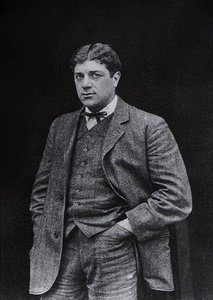
ჟორჟ ბრაკე
1882 - 1963 , საფრანგეთი
მოკლე ფაქტები
- Artistic Movement Or Style: კუბიზმი და ფავიზმი
- Artists Or Movements Influenced By This Artist: ['პროცედების დ სიცნობისთვის და კუბიზმი']
- Artists Who Influenced This Artist:
- ჰენრი მატის და სსრფ.
- პაბლო პიკასო და სსრფ.
- Date Of Birth: 13 მაისი 1882 წ.
- Date Of Death: 1963 წ.
- Full Name: Georges Braque
- Nationality: ფრანგილია
- Notable Artworks:
- სახლები ლესტაკზე
- procédés დ სიცნობისთვის
- ვიოლინა და პალეტი
- მანდოლა
- Place Of Birth: არგენტეუილი სსრფ.
მსგავსი სტატიები

ჟორჟ ბრაკის 25 შედევრი: ხელოვნების ისტორიაში გამორჩეული ნაწარმოებები | OriginalUniqueArt.com
გაიცანით ჟორჟ ბრაკის 25 გამორჩეული შედევრი! კუბიზმის ისტორია, ფერწერის სტილი და ხელოვნების უნიკალური სამყარო OriginalUniqueArt.com-ზე. ნახატების რეპროდუქციები თქვენი სახლისთვის - ექსკლუზიური დეკორი და ინტერიერის იდეები. აღმოაჩინეთ მთელი კოლექცია ონლაინ!

Kandinsky's Masterpieces: 25 Paintings That Define Abstract Art | OriginalUniqueArt
Journey through Wassily Kandinsky's 25 most iconic abstract paintings. Explore his revolutionary use of color, form & spiritual expressionism. Find museum-quality Kandinsky reproductions and elevate your home decor with OriginalUniqueArt.com. Discover all masterpieces on OriginalUniqueArt.com!

გეომეტრიული აბსტრაქცია: 10 შედევრი, რომელმაც ხელოვნება განსაზღვრა | OriginalUniqueArt.com
გეომეტრიული აბსტრაქციის 10 შედევრი მონდრიანის, მალევიჩისა და კანდინსკის ჩართულობით. გაიგეთ მათი ისტორია, ტექნიკა და გავლენა ხელოვნებაზე. შეიძინეთ უმაღლესი ხარისხის რეკონსტრუქციები OriginalUniqueArt.com-ზე!

შექსտროფული გამოხატვის აბსტრაქციზმის 10 შედევრი: ხელოვნება თქვენი სახლისთვის
აღმოფრთოვანდით აბსტრაქტული გამოხატვისმანიერიზმის 10 უმშვენიერეს შედევრთან! ვასელის, პოლ locks-ის და სხვა ცნობილი მხატვრების ისტორიები. შეიძინეთ მაღალი ხარისბის ხელოვნების რეპროდუქციები OriginalUniqueArt.com-ზე და შეცვალეთ თქვენი სახლი!

ჟორჟ პიერ სეურას 25 საუკეთესო შედევრი: ფერების სიმფონია თქვენს სახლში | OriginalUniqueArt.com
გაიცანით ჟორჟ სეურას 25 საუკეთესო შედევრი! პუანტილიზმის გენიოსი, იმპრესიონიზმის ფერები და XIX საუკუნის ხელოვნების სიმდიდრე. შეიძინეთ უმაღლესი ხარისხის რეკრეაციები OriginalUniqueArt.com-ზე და შექმნით თქვენი სახლისთვის განსაკუთრებული ინტერიერი. აღმოაჩინეთ სეურას მთელი კოლექცია ონლაინ!


