

 ნახვა ინტერьерში
 გაგზავნა
 გაზიარება
 დეტალები
 გზამკვლევი

 ჩამოტვირთვა
 მსგავსები
 რენტგენოგრაფიული კვლევა
 სლაიდშოუ
 სტატისტიკა
My Mother


 სრული ტექსტის ნახვა
გიკლე / ხელოვნების პრინტი
მუზეუმის დონის ჟიკლე ან ტილოზე ბეჭდვა სწრაფი წარმოებისა და დასრულების მოქნილი ვარიანტებით. ( შეიძინეთ ხელით შესრულებული ნახატი გადასვლა ციფრულ გამოსახულებაზე)




P118B ₾10

P118H ₾10

P118W ₾10

P438Z ₾10

P508JH ₾12

P508YH ₾12

P805H ₾10

P805Z ₾10

P919BZ ₾10

P919G ₾10

P919XJ ₾10

P959ZH ₾10

P968JZ ₾12

W106C ₾8

W218G ₾10

W218JH ₾8

W218Y ₾10

W307PJ ₾10

W316G ₾10

W316PJ ₾8

W316Y ₾10

W398PJ ₾8

W4111J ₾10

W500HY ₾15

W500JH ₾15

W692G ₾12

W849H ₾8

W940BG ₾15

W953PJ ₾8




აირჩიეთ ჩვენს მიერ წინასწარ განსაზღვრული ზომებიდან, რომლებიც ნაწარმოების ორიგინალურ პროპორციებს შეესაბამება.

შეიყვანეთ თქვენთვის საჭირო სიგანე და სიმაღლე, რათა იგი მოერგოს თქვენს ჩარჩოს ან კედელს. ბეჭდვისას შესაძლებელია მხოლოდ მისი შემცირება და არა გაზრდა, ამიტომ სხვა ფორმის ზომის შემთხვევაში გამოსახულება ნაწილობრივ იკარგება. სანამ რაიმეს დაბეჭდავთ, ჩვენ გამოგიგზავნით ციფრულ მაკეტს დასდასტურებლად. ამ გვერდზე ნაჩვენები სურათი არ ასახავს რეალურ ჭრას — ამას მხოლოდ მაკეტი გვიჩვენებს.
მიწოდება მთელ მსოფლიოში () 2 კვირაში, სტანდარტული 4/5 კვირის ნაცვლად. (22 ოქტომბერი)

უფასო ექსპრეს მიწოდება მთელ მსოფლიოში

მაღალი ხარისხის ტილო

ტრანსპორტირების სრული დაზღვევა

საბაჟო გადასახადების დაბრუნების გარანტია

ფერების სრული შესაბამისობის გარანტია

დაბრუნების 100-დღიანი პერიოდი (მხოლოდ წარმოების დეფექტის შემთხვევაში)

100% თანხის სრული დაბრუნების გარანტია

ფასდაკლება დიდი რაოდენობით შეკვეთისას
 მინის ჩარჩოს არჩევანი ხელმისაწვდომია მხოლოდ 110 სმ-მდე ზომისთვის

My Mother
გიკლე / ხელოვნების პრინტი
რეპროდუქციის ზომა
-


ჯამური ღირებულება
₾ 209
George Wesley Bellows’ “My Mother”: A Portrait of Resilience Amidst Urban Decay
The painting "My Mother," completed in 1921 by George Wesley Bellows, stands as a poignant testament to the artist's masterful observation of human emotion and his distinctive Ashcan School style. More than just a depiction of an elderly woman seated in a chair—a motif frequently revisited by Bellows—the artwork embodies a profound exploration of familial bonds against the backdrop of America’s rapidly changing cityscape during the early 20th century.Style and Technique: The Ashcan Aesthetic
Bellows, deeply rooted in the Ashcan School movement, rejected academic conventions favoring gritty realism over idealized beauty. His approach to “My Mother” exemplifies this ethos through a deliberate simplification of form—a technique honed by influences from Jay Hambidge’s theory of dynamic symmetry. The artist meticulously constructed the portrait's composition using proportionate rectangles and triangles, creating an impression of stability amidst apparent disorder. Bold brushstrokes dominate the canvas, conveying texture and capturing the subtle nuances of light and shadow – characteristics typical of Ashcan painters who sought to depict everyday life with unflinching honesty.Subject Matter: Domestic Tranquility Amidst Urban Flux
The painting portrays Anna Bellows, George Wesley Bellows’ mother, seated in a Victorian parlor chair. This seemingly simple depiction holds profound significance. The artist deliberately chose a setting that reflects the prevailing aesthetic of Parisian artists like Édouard Manet—a deliberate reference to artistic trends of the time. The composition emphasizes stillness and dignity against the backdrop of a bustling city, symbolizing familial warmth and resilience within the context of rapid societal change. Bellows’ masterful use of muted colors and subtle brushstrokes contributes to the painting's contemplative mood, inviting viewers to contemplate themes of motherhood, memory, and quiet strength. The artwork itself is an oil on canvas measuring approximately 49 inches by 76.2 centimeters (124.4 cm). It exemplifies Bellows’ signature Ashcan School style—a movement characterized by gritty realism and unflinching portrayals of urban life. Unlike the idealized landscapes favored by many Impressionists, Bellows focused intently on capturing the textures and nuances of everyday scenes, particularly those inhabited by ordinary people. His technique involved applying paint in thick impasto strokes, creating a palpable sense of physicality and immediacy that distinguishes his work from smoother, more polished styles. Careful observation and meticulous detail were paramount to his artistic process—he spent considerable time studying his subjects before embarking on the painting itself.George Wesley Bellows: “My Mother” – A Portrait of Resilience
“My Mother,” painted in 1921 by George Wesley Bellows, stands as a cornerstone of American realist art and exemplifies Bellows’s masterful command of technique and his profound understanding of human emotion. Executed on canvas with oil paints, the artwork captures Anna Bellows—Bellows's wife—seated in a Victorian parlor bathed in soft light. This seemingly simple composition belies a complex exploration of motherhood, dignity, and quiet strength – themes that resonate powerfully even today.- Style: The painting adheres to the Ashcan School style, characterized by its unflinching depiction of urban life and its rejection of idealized beauty. Unlike Impressionists who sought to capture fleeting moments of light and color, Bellows prioritized capturing the essence of human experience with a focus on realism and psychological depth.
- Technique: Executed in oil paint on canvas, Bellows employed meticulous brushwork—particularly visible in the rendering of drapery and textures—to convey a palpable sense of materiality. His technique is notable for its deliberate use of geometric forms (rectangles and triangles) informed by Jay Hambidge’s theory of dynamic symmetry, contributing to the painting's visual stability while simultaneously conveying movement.
- Historical Context: “My Mother,” completed in 1921, stands as a quintessential example of American Modernism during the interwar period. It emerged from the Ashcan School movement, which championed gritty depictions of urban life and challenged prevailing artistic conventions. Influenced by Thomas Eakins’s portraiture style—particularly his masterful use of light and shadow—Bellows sought to capture not merely a likeness but also an essence of human experience.
- Style & Technique: Bellows employed oil paint on canvas, utilizing a technique characterized by bold brushstrokes and expressive layering. The muted palette – dominated by browns, grays, and ochres – reflects the somber mood conveyed by the composition. Careful attention was paid to anatomical accuracy, mirroring the influence of Thomas Eakins’s meticulous observation of the human form.
- Symbolism & Emotional Impact: “My Mother,” painted in 1921, transcends a simple portrait; it embodies themes of maternal love, resilience, and quiet dignity. The seated posture of Anna Bellows—her hands folded calmly on her lap—suggests inner strength despite the passage of time. The diffused light illuminating her face evokes tenderness and contemplation, inviting viewers to reflect on familial bonds and enduring beauty.
- Historical Context: George Wesley Bellows’s oeuvre is firmly rooted in the Ashcan School movement, a group of American artists who championed realism and unflinching depictions of urban life during the early 20th century. Influenced by Impressionism and Symbolism, Bellows sought to capture the gritty realities of New York City—the tenements, the factories, the working-class struggles—without romanticizing them. “My Mother,” painted in 1921, exemplifies this stylistic approach, mirroring the aesthetic sensibilities prevalent at the time.
- Style and Technique: Bellows’s distinctive style is characterized by bold brushwork, expressive color palettes, and a masterful command of composition—particularly his use of dynamic symmetry. He meticulously studied Jay Hambidge's theories on geometric harmony, applying them to create balanced yet energetic images that capture the essence of human experience. “My Mother” showcases this technique brilliantly; the artist employs thick impasto strokes to convey texture and depth, emphasizing the solidity of the chair and the dignified posture of his mother.
- Historical Context: The painting emerged during a period of significant artistic experimentation in America—the Ashcan School. Artists like George Wesley Bellows sought to depict urban life with unflinching realism, rejecting idealized representations in favor of portraying gritty realities and social struggles. This movement challenged prevailing aesthetic conventions and championed an honest portrayal of the human condition. “My Mother” reflects this spirit of rebellion against artistic dogma, presenting a portrait that prioritizes psychological insight over decorative embellishment.
- Symbolism: Beyond its formal composition, "My Mother" carries profound symbolic weight. The seated figure embodies strength, resilience, and maternal devotion—themes central to Victorian values. The muted palette contributes to the painting's contemplative mood, emphasizing introspection and quiet dignity. The careful arrangement of objects—the vase and mirror—suggests a reflection on domestic life and familial bonds.
- Technique: Bellows employed oil paint on canvas with meticulous attention to detail and tonal gradation. His brushwork is loose yet controlled, conveying both texture and dynamism. He skillfully captured the subtle nuances of light and shadow, creating an illusionistic depth that draws the viewer into the scene. The artist’s masterful use of color—primarily browns, creams, and ochres—reflects the prevailing aesthetic sensibilities of his time.
George Wesley Bellows: A Portrait of Quiet Strength
The painting “My Mother” by George Wesley Bellows stands as a poignant testament to familial devotion and understated beauty within the broader context of American Modernism. Executed in 1921, this piece exemplifies Bellows’s signature Ashcan School style—a movement characterized by gritty realism and an unflinching portrayal of urban life—yet transcends its genre conventions through profound psychological insight. It's a deceptively simple composition: a seated woman dominates the canvas, bathed in soft light emanating from a window behind her. The careful arrangement of geometric shapes—primarily rectangles and triangles—reflects Bellows’s influence by Jay Hambidge, who championed dynamic symmetry as a compositional principle.Subject Matter and Composition
Bellows chose to depict his mother, Anna Bellows, in a moment of quiet contemplation within their Victorian parlor. This intimate portrayal speaks volumes about familial bonds and the dignity of aging. The woman’s posture exudes calmness and resilience—a deliberate contrast to the turbulent era in which she lived. Notice how the chair itself is positioned centrally, anchoring the composition and drawing the viewer's eye directly to her figure. The placement of the window and mirror subtly enhances the sense of depth and reinforces the idea of reflection – both literal and metaphorical. ## Emma and Her Children: A Study in Domestic Tranquility George Wesley Bellows’ “Emma and Her Children” (1921) stands as a cornerstone of Ashcan School realism, capturing a scene of profound simplicity amidst the bustling cityscape of New York City. Executed on canvas with meticulous attention to detail—a hallmark of Bellows' artistic approach—the painting exemplifies his commitment to portraying everyday life with unflinching honesty and emotional resonance. Unlike Impressionist explorations of fleeting moments, Bellows delves into the quiet dignity of domesticity, presenting a portrait of Emma Goldman’s children in a sparsely furnished parlor bathed in soft light. This deliberate choice underscores Bellows'კითხვები და პასუხები
ჯორჯ უესლი ბელოუსი-ის „My Mother“-ისთვის რეკომენდებული რეპროდუქციის ზომა რომელია?
ჯორჯ უესლი ბელოუსი-ის „My Mother“-ისთვის რეკომენდებულია Large ზომის რეპროდუქცია. პროპორციების შენარჩუნებით, ზომის შეცვლა შესაძლებელია.
რა მასალისგან არის შექმნილი "My Mother"?
ჯორჯ უესლი ბელოუსი-ის „My Mother“-ის ტექნიკა არის Acrylic. რეპროდუქციების მიზანია ამ ტექნიკის ვიზუალური მხარის ზუსტი გადმოცემა.
1921 წელს შექმნილი „My Mother“ ჯორჯ უესლი ბელოუსი-ის შემოქმედების რომელი პერიოდის შესაბამისობაა?
მისი 1921 წლის თარიღიდან გამომდინარე, „My Mother“ ეკუთვნის ჯორჯ უესლი ბელოუსი-ის Mature Period-ს.
მხატვრის ბიოგრაფია
სიცოცხლის გზა და მხატვრული ჩამოყალიბება
ჯორჯ უესლი ბელოუსი, რომელიც XX საუკუნის დასაწყისში ამერიკული რეალიზმის სიმძლავრისა და განვითარების სიმბოლოდ იქცა, მნიშვნელოვანი ფიგურად წარმოჩნდა. 1882 წლის 12 ან 19 აგვისტოს ოჰაიოს შტატის ქალაქ კოლუმბუსში დაბადებულმა ბელოუსმა სპორტიდან მხატვრულ აღმავლობამდე მისული გზა თავისი პასიისა და შეუდარებელი ერთგულების შედეგია. ჯორჯმა ფორმალური განათლების მიღებამდე ხატვის განსაკუთრებული ნიჭი გამოავლინა, რ notebooks-ებში ჩანახატებით აავსო, რაც მომავალში მის გამჭვირვალე თვალსა და მზარდ უნარს მოწმობდა. მისი აღზრდა მხოლოდ ხელოვნებას არ შემოიფარგლებოდა; ის სპორტშიაც გამოირჩეოდა, ოჰაიოს სახელმწიფო უნივერსიტეტში ბეისბოლისა და კალათბურთის თამაშობდა – ეს ორმაგი ცხოვრება მნიშვნელოვნად паўძაბა მის მხატვრულ მსოფლმხედველობაზე, ნამუშევრებს კი დინამიკური მოძრაობისა და ფიზიკურობის განცდას მატებდა. სპორტულმა წარსულმა მას თვითდისციპლინა შესწავალა, ასევე ადამიანური ფორმის მოქმედებაში appreciation-ის გრძნობაც ჩამოაყალიბა, რაც მის ცნობილ ნახატებში მთავარი თემა გახდა. უნივერსიტეტი დატოვა დამთავრების წინ, ნიუ-იორკის ქალაქისკენ irresistible მიზიდულობით და მხატვრული განათლების იმედით.გზის ფორმირება: Ashcan School და მის ფარგლებს გარეთ
1904 წელს ნიუ-იორკში ჩასული ბელოუსი სწრაფად Robert Henri-ს მენტორი გახდა, რომელიც Ashcan School-ის ლიდერი იყო. ამ ჯგუფის მხატვრებმა – John Sloan, William Glackens და George Luks - შეგნებულად დაიხვევია აკადემიური კონვენციებისგან და გადაწყვიტეს ურბანული ცხოვრების მძიმე რეალობის ასახვა: ხალხმრავალი საცხოვრებელი სახლები, მო bustling ქუჩები და უმუშევარი ამერიკელების ყოველდღიური ბრძოლა. ბელოუსმა მთელი გულშფოთებით მიიღო ეს ეთოსი, თავდაპირველად Henri-ს loose brushwork-ს და სოციალური რეალიზმისადმი ერთგულებას ირქმევდა. თუმცა, მას არ ეყოფოდა მხოლოდ მასწავლებლის სტილის გამეორება; მას ჰქონდა ამბიცია საკუთარი განსხვავებული მხატვრული ხმა ჩამოაყალიბოს. 1906 წელს Edward Keefe-სთან ერთად დააფუძნა სტუდია, რაც ექსპერიმენტების მდიდარი პერიოდის დასაწყისი იყო. მის ადრეულ ნამუშევრებს, რომლებიც 1908 წელს გამოფენილი იყო, განსხვავებული რეაქციები მოჰყვა – ზოგიერთმა კრიტიკოსმა ისინი crude-ად მიიჩნია, სხვებმა კი audacious boldness და ინოვაციური სული აღნიშნეს. ბელოუსის თემატიკა ხშირად საკამათო იყო იმ დროს, რადგან ის “მიუღებელი” ხელოვნების prevailing notions-ს გამოწვევას ახდენდა. მან არ გაიქცა ქალაქის ცხოვრების ნაკლებად სასიამოვნო მხარეების ასახვიდან, ღარიბობის, შრომისა და დასვენების სცენებს unflinching honesty-ით გადმოგვცემდა.ცხოვრების არენა: ბრძოლა და ურბანული სანახავი
თუმცა ბელოუსის oeuvre-ში მრავალი თემა იყო – პორტრეტები, ლანდშაფტები, seascape-ები – ის ყველაზე მეტად ცნობილია boxing match-ების ძლიერი გამოსახულებებით. ეს მისთვის მხოლოდ სპორტული ღონისძიებები არ იყო; ისინი ადამიანური დრამის მიკროკოსმებს წარმოადგენდნენ, რომლებიც ბრძოლის, მდგრადობის და კონკურენციის მამოძრავებელი პირველყოფილი ინსტიქტების თემებს მოიცავდნენ. ის ხშირად smoky boxing club-ებში სტუმრობდა, ფაიტერების მოძრაობებს, მათი მზერის სიძლიერესა და მასას შესწავლიდა – ეს ნახატები, როგორიცაა *Both Members of This Club* (1909) და *Stag at Sharkey’s* (1909), მისი უნარის მაგალითია ამ ატმოსფეროს ასახვისა, dramatic lighting-ის გამოყენებით, დინამიკური კომპოზიციების შექმნით და palpable tension-ის გრძნობით. boxing scenes მხოლოდ სპორტის შესახებ არ იყო; ისინი ცხოვრების ბრძოლების მეტაფორები იყვნენ, რომლებიც იმ დროს ამერიკულ საზოგადოებაში გავრცელებულ სოციალურ Darwinism-ს ასახავდნენ. Boxing-ის გარდა, ბელოუსი სხვა ურბანული სანახავიდანაც იღებდა შთაგონებას – პარადები, ცირკი და ხალხმრავალი ქუჩები – რაც მას მოძრაობის, ენერგიისა და კოლექტიური გამოცდილების თემების შესასწავლის საშუალებას აძლევდა.განვითარებული სტილი და მუდმივი მემკვიდრეობა
როდესაც ბელოუსი როგორც მხატვარი გაიზარდა, მისმა სტილმა subtle მაგრამ მნიშვნელოვანი ევოლუცია განიცადა. რეალიზმისადმი ერთგულების შენარჩუნების მიუხედავად, მან დაიწყო ადრეული წლების loose brushwork-დან გადახვევა, უფრო stylized aesthetic-ის მიღება, რაც smooth curves-ით, monumental forms-ებით და გაძლიერებული დრამის გრძნობით ხასიათდებოდა. ეს ცვლილება უფრო მოგვიანე ნამუშევრებში ჩანს, როგორიცაა *Dempsey and Firpo* (1924), მონუმენტური ტილო, რომელიც legend-ის boxing match-ის კლიმაქსურ მომენტს breathtaking intensity-ით გადმოგვცემდა. მან ლითოგრაფიაც გამოიყენა, striking prints-ების სერია შექმნა, რაც მისი ხაზისა და ტონის mastery-ს მოწმობდა. მიუხედავად იმისა, რომ სიცოცხლის განმავლობაში მნიშვნელოვანი წარმატება მიაღწია – 1913 წელს National Academy of Design-ში არჩევა – ბელოუსი მხატვრული საზღვრების გაშლისკენ იყო მიძღვნილი და conventional norms-ს გამოწვევას ახდენდა. მისი ნაადრევი გარდაცვალება 1925 წელს, 42 წლის ასაკში, перспекტიული კარიერა შეწყვიტა, მაგრამ მისი მემკვიდრეობა როგორც ამერიკის ერთ-ერთი უმნიშვნელოვანესი რეალისტის მხატვრის რჩება. მან დატოვა ნამუშევრების body of work, რომელიც დღესაც resonance-ს ინარჩუნებს, გადმოგვცემს XX საუკუნის დასაწყისში ამერიკული ცხოვრების ძლიერ და unflinching portrait-ს – სამყაროს ენერგიით, კონფლიქტით და ადამიანობის მდგრადი სულით. მისი გავლენა ჩანს შემდგომ თაობებში მხატვრებს შორის, რომლებმაც modern urban experience-ის დინამიკისა და complexity-ს ასახვა ისურვეს. ჯორჯ ბელოუსი მხოლოდ ნახატებს არ ქმნიდა; ის ეპოქას აფიქსირებდა.ძირითადი ნამუშევრები & აღიარ
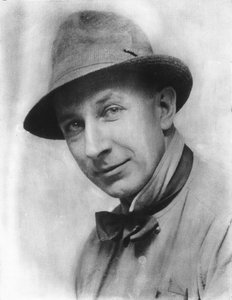
ჯორჯ უესლი ბელოუსი
1882 - 1925 , აშშ
მოკლე ფაქტები
- Artistic Movement Or Style: რეალიზმი, ეშკანი
- Artists Who Influenced This Artist: ['რობერტ ჰენრი']
- Date Of Birth: 1882
- Date Of Death: 1925
- Full Name: ჯორჯ უესლი ბელოუსი
- Nationality: ამერიკელი
- Notable Artworks (List Of Titles):
- Central Park
- The Germans Arrive
- Place Of Birth (City And Country): კოლუმბუსი, აშშ
მსგავსი სტატიები
American Realism: Social Commentary & Artistic Representation in Early 20th-Century Painting
Explore the powerful social commentary & artistic representation of American Realism. Discover key artists like Bellows & Sloan, and understand the movement's lasting impact on 20th-century art history.

ჟორჟ პიერ სეურას 25 საუკეთესო შედევრი: ფერების სიმფონია თქვენს სახლში | OriginalUniqueArt.com
გაიცანით ჟორჟ სეურას 25 საუკეთესო შედევრი! პუანტილიზმის გენიოსი, იმპრესიონიზმის ფერები და XIX საუკუნის ხელოვნების სიმდიდრე. შეიძინეთ უმაღლესი ხარისხის რეკრეაციები OriginalUniqueArt.com-ზე და შექმნით თქვენი სახლისთვის განსაკუთრებული ინტერიერი. აღმოაჩინეთ სეურას მთელი კოლექცია ონლაინ!

The Ashcan School: A Guide to Urban Realism for Professional Interior Design and Hospitality Procurement
Discover the raw energy of the Ashcan School. Our guide for hotel designers explores urban realism, offering professional insights into sourcing hand-painted oil reproductions and custom large-scale murals for high-end hospitality and corporate interiors.
The Ashcan School: Realism, Urban Life & the Democratization of American Art
Explore the revolutionary Ashcan School! Discover how artists like Henri & Sloan challenged tradition with gritty realism, capturing urban life in early 20th-century America. Learn about their impact on American art history.

ჟორჟ ბრაკის 25 შედევრი: ხელოვნების ისტორიაში გამორჩეული ნაწარმოებები | OriginalUniqueArt.com
გაიცანით ჟორჟ ბრაკის 25 გამორჩეული შედევრი! კუბიზმის ისტორია, ფერწერის სტილი და ხელოვნების უნიკალური სამყარო OriginalUniqueArt.com-ზე. ნახატების რეპროდუქციები თქვენი სახლისთვის - ექსკლუზიური დეკორი და ინტერიერის იდეები. აღმოაჩინეთ მთელი კოლექცია ონლაინ!
