
 წინასწარი ნახვა
 გაგზავნა
 გაზიარება
 დეტალები
 გზამკვლევი

 ჩამოტვირთვა
 მსგავსები
 რენტგენოგრაფიული კვლევა
 სლაიდშოუ
 კითხვა-პასუხი
 სტატისტიკა
Lord Grosvenor

- 99.0 x 83.0 cm


 გააგრძელეთ კითხვა
გიკლე / ხელოვნების პრინტი
მუზეუმის დონის ჟიკლე ან ტილოზე ბეჭდვა სწრაფი წარმოებისა და დასრულების მოქნილი ვარიანტებით. ( შეიძინეთ ხელით შესრულებული ნახატი გადართვა ციფრულ გამოსახულებაზე)




P118B ₾10

P118H ₾10

P118W ₾10

P438Z ₾10

P508JH ₾12

P508YH ₾12

P805H ₾10

P805Z ₾10

P919BZ ₾10

P919G ₾10

P919XJ ₾10

P959ZH ₾10

P968JZ ₾12

W106C ₾8

W218G ₾10

W218JH ₾8

W218Y ₾10

W307PJ ₾10

W316G ₾10

W316PJ ₾8

W316Y ₾10

W398PJ ₾8

W4111J ₾10

W500HY ₾15

W500JH ₾15

W692G ₾12

W849H ₾8

W940BG ₾15

W953PJ ₾8




აირჩიეთ ჩვენს მიერ წინასწარ განსაზღვრული ზომებიდან, რომლებიც ნაწარმოების ორიგინალურ პროპორციებს შეესაბამება.

შეიყვანეთ თქვენთვის საჭირო სიგანე და სიმაღლე, რათა გამოსახულებამ თქვენს ჩარჩოს ან კედელს ზუსტად მოერგოს. ბეჭდვისას შესაძლებელია მხოლოდ მისი შემცირება და არა გაზრდა, ამიტომ სხვა ფორმის ზომის შემთხვევაში სურათი ნაწილობრივ იკარგება. სანამ რაიმეს დაბეჭდავთ, ჩვენ გამოგიგზავნით ციფრულ მაკეტს დასდასტურებლად. ამ გვერდზე ნაჩვენები სურათი არ ასახავს რეალურ ჭრას — ამას მხოლოდ მაკეტი გვიჩვენებს.
მიწოდება მთელ მსოფლიოში () 2 კვირაში, სტანდარტული 4/5 კვირის ნაცვლად. (7 ნოემბერი)

უფასო ექსპრეს მიწოდება მთელ მსოფლიოში

მაღალი ხარისხის ტილოს ქსოვილი

ტრანსპორტირების სრული დაზღვევა

საბაჟო გადასახადების დაბრუნების გარანტია

ფერების სრული შესაბამისობის გარანტია

დაბრუნების 100-დღიანი პოლიტიკა (მხოლოდ დეფექტის შემთხვევაში)

100% თანხის სრული დაბრუნების გარანტია

ფასდაკლება დიდი რაოდენობით შეკვეთისას
 მინის ჩარჩოს არჩევანი შესაძლებელია მხოლოდ 110 სმ-მდე ზომისთვის

Lord Grosvenor
გიკლე / ხელოვნების პრინტი
რეპროდუქციის ზომა
-


საბოლოო ღირებულება
₾ 211
The Equestrian Vision of George Stubbs
George Stubbs' "Lord Grosvenor’s Arabian Stallion with a Groom," painted in 1765, isn’t merely a portrait; it’s a meticulously crafted tableau vivant—a snapshot of aristocratic leisure and the profound connection between man and beast. Stubbs, already recognized as the foremost painter of horses of his era, transcends simple representation, instead offering a deeply considered study of anatomy, movement, and psychological nuance. This work exemplifies his pioneering approach to animal painting, firmly rooted in scientific observation yet imbued with a distinctly Romantic sensibility.
The scene unfolds within a softly rendered English landscape—rolling hills bathed in the golden light of late afternoon. The composition is dominated by the magnificent Arabian stallion, poised and alert, its muscular form captured with astonishing accuracy. Stubbs’s anatomical knowledge, honed through years of dissecting horses (a practice considered radical at the time), is immediately apparent in the precise rendering of every muscle, tendon, and bone. Yet, this isn't a cold, clinical study; the horse radiates vitality, its ears pricked forward, nostrils flared, conveying an intense awareness of its surroundings.
A Masterclass in Technique – Light, Shadow, and Sabino Markings
Stubbs’s mastery lies not just in his anatomical precision but also in his masterful manipulation of light and shadow. He employs a low horizon line, drawing the viewer's eye upwards to the horse, emphasizing its imposing presence against the backdrop of the landscape. The warm tones of the chestnut stallion—rich browns, golds, and russets—are contrasted with the cooler greens and blues of the foliage, creating a dynamic interplay of color that adds depth and realism to the scene. Notably, Stubbs meticulously portrays the horse’s unique genetic Sabino markings – the broad blaze running down its forehead, the striking white stockings, and the delicate white spots adorning its belly and sides—demonstrating an almost obsessive attention to detail.
The groom, a figure of quiet dignity, stands in stark contrast to the stallion’s spirited energy. Dressed in a dark suit, he exudes a reassuring presence, his posture suggesting years of experience and a deep understanding of horses. This juxtaposition—the youthful exuberance of the horse and the seasoned calm of its handler—adds another layer of complexity to the composition, hinting at the symbiotic relationship between man and animal.
Historical Context & Romantic Ideals
Painted during the mid-18th century, “Lord Grosvenor’s Arabian Stallion with a Groom” reflects the prevailing artistic trends of the time. Stubbs' work aligns with the burgeoning Romantic movement, which emphasized emotion, individualism, and the sublime beauty of nature. Unlike the rigid formality of Neoclassical art, Stubbs’s painting embraces a more naturalistic approach, capturing the essence of the subject rather than adhering to idealized forms. The inclusion of the landscape—a carefully constructed vista that evokes a sense of tranquility and grandeur—further reinforces this Romantic sensibility.
The portrait itself was commissioned for Richard Grosvenor, 7th Baronet, and 1st Earl Grosvenor, a prominent figure in English society. Such commissions were not merely about depicting a horse; they represented a celebration of aristocratic status, wealth, and the connection to the land. The painting served as a visual testament to the family’s equestrian pursuits and their appreciation for fine horses.
A Timeless Appeal – Reproduction & Beyond
“Lord Grosvenor’s Arabian Stallion with a Groom” remains a captivating work of art, admired for its technical brilliance, emotional depth, and historical significance. Reproductions offer an accessible way to experience the beauty and artistry of this iconic painting, bringing its timeless appeal into any home or office space. When selecting a reproduction, consider the quality of materials and the artist’s interpretation – ensuring that it faithfully captures Stubbs' original vision while maintaining a high level of detail and vibrancy.
კითხვები და პასუხები
არის თუ არა "Lord Grosvenor" იმის ტიპური ნიმუში, რასაც ჯორჯ სტაბსი ჩვეულებრივ ქმნიდა?
ჯორჯ სტაბსი-ის განმეორებადი თემები მოიცავს classical anatomy, romantic style, aristocratic patronage, equestrian art, animal studies, scientific accuracy, british landscape, rural life-ს; „Lord Grosvenor“ ფოკუსირებულია horse, equestrian, portraiture, groom, landscape, sabino, anatomy, 18th century-ზე.
საიდან მოდიან ჯორჯ სტაბსი-ის „Lord Grosvenor“-ის სტუმრები?
ნამუშევრის „Lord Grosvenor“თვის ხელმისაწვდომია სტატისტიკა გვერდი, სადაც წარმოდგენილია ამ ნამუშევრისა და ხელოვანის სხვა ნამუშევრების ყოველთვიური ნახვების სტატისტიკა, ქვეყნებისა და ენების მიხედვით.
რა წელს და რომელ სტილს მიეკუთვნება "Lord Grosvenor"?
"Lord Grosvenor" შეიქმნა 1765 წელს, როგორც Romanticism მიმდევრობის ნამუშევარი. თარიღი და სტილისტიკური მიმდევრობა ამ ხელოვნების ნიმუშს ხელოვნების ისტორიაში განსაზღვრულ ადგილს ანიჭებს.
მხატვრის ბიოგრაფია
ადრეული ცხოვრება და განათლება
ჯორჯ სტაბსი, სახელგანთქმული ინგლისელი მხატვარი, დაიბადა 1724 წლის 25 აგვისტოს ლივერპულში, გაერთიანებულ სამეფოში. მისი ადრეული ცხოვრება ნაკლებად არის დოკუმენტირებული 35 წლამდე ასაკამდე, ინფორმაციის უმეტესობა მომდინარეობს ოზია ჰამფრის მემუარებიდან, რომელიც დაფუძნებულია სტაბსთან 1794 წელს გამართულ საუბრებზე. სტაბსი თავისი მხატვრული მოგზაურობა 15 წლის ასაკში დაიწყო, თავდაპირველად მუშაობდა მამის ხელქვეშ, რომელიც ტყავის დამამუშავებელი იყო. მოგვიანებით მან დაუკავშირდა ჰემლეტ უინსტანლის, ლანკაშირის მხატვარსა და გრავირებას, რომელმაც მას მოკლე სტაჟი გაუწია. ამ მოკლე პერიოდმა საშუალება მისცა მას შეესწავლა ნოსლის დარბაზის კოლექცია.მხატვრული განვითარება და მნიშვნელოვანი ნამუშევრები
სტაბსის ანატომიისადმი სიყვარულმა მას 1744 წელს იორკში მიიყვანა, სადაც სწავლობდა ქირურგ ჩარლზ ატკინსონის ხელქვეშ იორკის საგრაფოს საავადმყოფოში. მისი ერთ-ერთი უძველესი surviving ნამუშევარია ჯონ ბერტონის სამედიცინო სახელმძღვანელოს ილუსტრაციების ნაკრები, რომელიც 1751 წელს გამოქვეყნდა. 1756 წელს სტაბსმა ლინკოლნშირში ფერმა დაიქირავა და 18 თვე მიუძღვა ცხენების დისექციას თავისი პარტნიორის, მერი სპენსერის თანხლებობით. ამან გამოიწვია ცხენის ანატომიის გამოცემა 1766 წელს, ორიგინალური ნახატები ამჟამად სამეფო აკადემიაში ინახება. სტაბსის ნამუშევრებმა მალევე მიიქცია წამყვანი არისტოკრატული პატრონების ყურადღება, მათ შორის რიჩმონდის ჰერცოგმა, რომელმაც 1759 წელს სამი დიდი სურათი დაუკვეთა. ეს იყო მისი წარმატებული კარიერის დასაწყისი, ნამუშევრები შეიქმნა რამდენიმე ჰერცოგისა და ლორდისთვის, რაცculminatedmarylebone-ში სახლის შეძენით ლონდონში.მემკვიდრეობა და მნიშვნელოვანი ტილოები
სტაბსის ყველაზე ცნობილი ნამუშევარი, "ვისლჯეკეტი", მეორე მარკიზ როკინგემის დაკვეთით შესრულებული ცხენის გამოსახულებაა, რომელიც ამჟამად ლონდონის ეროვნულ გალერეაში ინახება. ეს და როკინგემის კიდევ ორი ტილო ტრადიციას არღვევს, უბრალო ფონით. "ვისლჯეკეტი", სისხლიანი ჯიშის ცხენი, რომელიც უკანა ფეხებზე დგას, აჩვენებს სტაბსის შეუდარებელ უნარს, დააcapture ცხენების არსი. სტაბსის ტილოების სერია ლომის ცხენზე თავდასხმით არის რომანტიზმის ადრეული მაგალითები, რაცdemonstrates მისი გავლენა 18-ე საუკუნის ხელოვნებაზე.გავლენები და ტექნიკური განვითარება
სტაბსის ანატომიისადმი სიყვარულმა მას უნიკალური პოზიცია მისცა ინგლისურ მხატვრობაში. მან შეძლო ცხოველების სხეულის ფორმების ზუსტი დადგენა, რაც მისი ნამუშევრებს განსაკუთრებული რეალისტული ხასიათი მართავს. მასზე გავლენა მოახდინა ჰემლეტ უინსტანლისმა, რომელმაც მას ხელოვნებისადმი ინტერესი გაუღვივა და ანატომიის შესწავლის მნიშვნელობა აუხსნა. მისი ნამუშევრები ასევე გამოირჩევა ფერთა გამოყენებით, რაც ცხოველების სილუეტებს უფრო მკვეთად წარმოადგენდა.ისტორიული მნიშვნელობა და მემკვიდრეობა
ჯორჯ სტაბსის მემკვიდრეობა როგორც ცხენის მხატვრის შეუქერჩეებელია, მისი ნამუშევრები აგრძელებს ხელოვნების მოყვარულებს მთელ მსოფლოში აღფრთოვანებენ. მან მნიშვნელოვანი წვლილი შეიტანა რომანტიზმის განვითარებაში და ცხოველთა პორტრეტის ჟანრის პოპულარიზაციაში. მისი ტილოები არა მხოლოდ მხატვრული ღირებულებით გამოირჩევა, არამედ ისტორიული მნიშვნელობითაც, რადგან ისინი ასახავდნენ ინგლისური არისტოკრატიის ცხოვრებას და ცხენებისადმი სიყვარულს.- შეიხედეთ სტაბსის ნამუშევრებს https://OriginalUniqueArt.com/@/george_stubbs
- გამოიკვლიეთ ლონდონის ეროვნული გალერეის კოლექცია სტაბსის მნიშვნელოვანი ნამუშევრებით /ka/art/show/art-8xyffg-ka/
- მეტი შეიტყვეთ სტაბსის ცხოვრებისა და ნამუშევრებზე ვიკიპედიაზე https://en.wikipedia.org/wiki/george_stubbs
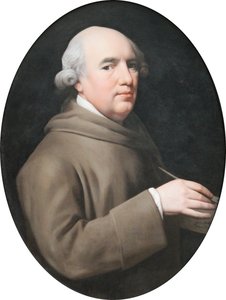
ჯორჯ სტაბსი
1724 - 1806 , გაერთიანებული სამეფო
მოკლე ინფორმაცია
- Artistic Movement Or Style: რომანტიზმი, ცხენის ხატვა
- Artists Or Movements Influenced By This Artist: ['ჯოშუა რეინოლდსი']
- Artists Who Influenced This Artist: ['ჰამლეტ უინსტანლი']
- Date Of Birth: 25 აგვისტო 1724
- Date Of Death: 10 ივლისი 1806
- Full Name: ჯორჯ სტაბსი
- Nationality: ბრიტანელი
- Notable Artworks (List Of Titles):
- Whistlejacket
- Lion & Horse
- A Lion and Tiger
- Place Of Birth (City And Country): ლივერპული, გაერთიანებული სამეფო
დაკავშირებული სტატიები

ჟორჟ პიერ სეურას 25 საუკეთესო შედევრი: ფერების სიმფონია თქვენს სახლში | OriginalUniqueArt.com
გაიცანით ჟორჟ სეურას 25 საუკეთესო შედევრი! პუანტილიზმის გენიოსი, იმპრესიონიზმის ფერები და XIX საუკუნის ხელოვნების სიმდიდრე. შეიძინეთ უმაღლესი ხარისხის რეკრეაციები OriginalUniqueArt.com-ზე და შექმნით თქვენი სახლისთვის განსაკუთრებული ინტერიერი. აღმოაჩინეთ სეურას მთელი კოლექცია ონლაინ!

ჟორჟ ბრაკის 25 შედევრი: ხელოვნების ისტორიაში გამორჩეული ნაწარმოებები | OriginalUniqueArt.com
გაიცანით ჟორჟ ბრაკის 25 გამორჩეული შედევრი! კუბიზმის ისტორია, ფერწერის სტილი და ხელოვნების უნიკალური სამყარო OriginalUniqueArt.com-ზე. ნახატების რეპროდუქციები თქვენი სახლისთვის - ექსკლუზიური დეკორი და ინტერიერის იდეები. აღმოაჩინეთ მთელი კოლექცია ონლაინ!
George Stubbs: Anatomical Precision & Romantic Vision in 18th-Century British Art
Explore the captivating world of George Stubbs, the 18th-century master renowned for his anatomical precision & Romantic animal paintings. Discover his legacy and investment potential.

The Equine Muse: A Historical & Artistic Exploration of Horses in Painting
Explore the captivating history of horses in painting! Discover Renaissance masterpieces, Baroque grandeur & expert insights for collecting equestrian art. Learn about symbolism, techniques & lasting value with OriginalUniqueArt.
The Noble Steed: A Historical and Artistic Exploration of Horses in Fine Art
Explore the rich history of horses in fine art! From ancient depictions to Renaissance masterpieces & beyond, discover iconic artworks and artists. Learn about symbolism, techniques, and find museum-quality reproductions at OriginalUniqueArt.


