

 ნახვა ინტერьерში
 გაგზავნა
 გაზიარება
 დეტალები
 გზამკვლევი

 ჩამოტვირთვა
 მსგავსები
 რენტგენოგრაფიული კვლევა
 სლაიდშოუ
 სტატისტიკა
Lion Devouring a Horse
 Oil On Canvas
- WallArt
- Romantic Realism
 1763
1763 69.0 x 104.0 cm
 Tate Gallery
 სრული ტექსტის ნახვა
ხელით შესრულებული ზეთის საღებავით რეპროდუქცია
ტილოზე შესრულებული ფერწერიანი ზეთប្រდათი, თქვენთვის სასურველი ზომისა და ჩარჩოსთვის, ჩვენი ხელოვანების მიერ შეკვეთის საფუძველზე დამზადებული. ( გადართვა ბეჭდვის რეჟიმზე გადასვლა ციფრულ გამოსახულებაზე)




P118B ₾10

P118H ₾10

P118W ₾10

P438Z ₾10

P508JH ₾12

P508YH ₾12

P805H ₾10

P805Z ₾10

P919BZ ₾10

P919G ₾10

P919XJ ₾10

P959ZH ₾10

P968JZ ₾12

W106C ₾8

W218G ₾10

W218JH ₾8

W218Y ₾10

W307PJ ₾10

W316G ₾10

W316PJ ₾8

W316Y ₾10

W398PJ ₾8

W4111J ₾10

W500HY ₾15

W500JH ₾15

W692G ₾12

W849H ₾8

W940BG ₾15

W953PJ ₾8




აირჩიეთ ჩვენს მიერ წინასწარ განსაზღვრული ზომებიდან, რომლებიც ნაწარმოების ორიგინალურ პროპორციებს შეესაბამება.

თქვენ შეგიძლიათ მიუთითოთ თქვენთვის სასურველი ზომები კონკრეტული ჩარჩოს ან სივრცის შესაბამისად. თუ თქვენ მიერ არჩეული ზომა არ შეესაბამება ორიგინალი გამოსახულების პროპორციებს, ჩვენ ან შევაჭრებთ ნაწარმოებს, ან ტილოზე დავამატებთ ხელით მოხატულ ელემენტებს. წარმოების დაწყებამდე, დასამტკიცებლად გამოგეგზავნებათ ციფრული მაკეტი.
გთხოვთ, გაითვალისწინოთ, რომ ეკრანზე ნაჩვენები წინასწარი შეხედულება არ ასახავს რეალურ შეჭრას ან გაფართოებას. საბოლოო კომპოზიციას ზუსტად მხოლოდ მაკეტი წარმოაჩენს.
მიუხედავად იმისა, რომ შესაძლებელია ინდივიდუალური ზომების შერჩევა, ორიგინალური პროპორციების შენარჩუნებისათვის გირჩევთ, გამოიყენოთ წინასწარ განსაზღვრული სიის ზომები.
შეკვეთის შემდეგ, OriginalUniqueArt.com გუნდი დაგიკავშირდებათ ელექტრონული ფოსტით ინსტრუქციებისთვის და გამოგიგზავნით წინასწარ ნახაზს (mockup).
მიწოდება მსოფლიო მასშტაბით -ში 3/4 კვირაში, სტანდარტული 5 კვირის ნაცვლად. (10 ოქტომბერი). ხარისხზე კომპრომისის გაკეთება არ მოხდება.

უფასო ექსპრეს მიწოდება მთელ მსოფლიოში

მაღალი ხარისხის ტილო

ტრანსპორტირების სრული დაზღვევა

საბაჟო გადასახადების დაბრუნების გარანტია

ფერების სრული შესაბამისობის გარანტია

დაბრუნების 100-დღიანი პერიოდი (მხოლოდ წარმოების დეფექტის შემთხვევაში)

100% თანხის სრული დაბრუნების გარანტია

ფასდაკლება დიდი რაოდენობით შეკვეთისას
 მინის ჩარჩოს არჩევანი ხელმისაწვდომია მხოლოდ 110 სმ-მდე ზომისთვის

Lion Devouring a Horse
რეპროდუქციის ტექნიკა
რეპროდუქციის ზომა
-


ჯამური ღირებულება
₾ 782
The Drama of Nature Captured: George Stubbs' Lion Devouring a Horse
To stand before George Stubbs’ magnificent "Lion Devouring a Horse" is to be plunged into a moment of raw, untamed drama. This 1763 oil on canvas does more than merely depict an animal encounter; it arrests time itself, freezing the apex of conflict in vivid, masterful strokes. Stubbs, celebrated for his unparalleled anatomical studies of equine life, elevates this scene beyond mere natural history painting into a profound meditation on power dynamics and survival. The sheer energy radiating from the central action—the lion’s powerful jaws closing upon the struggling form of the horse—is breathtaking, inviting the viewer to lean in, breathless, as if they too are witnessing the struggle firsthand.
Mastery of Form and Color
Stubbs' technical brilliance is immediately apparent. The artist possessed an almost scientific understanding of musculature, rendering both creatures with startling verisimilitude. Observe the texture: the lion’s coat, rendered in deep, brooding shades of brown and black, contrasts dramatically against the lighter, more yielding tones used for the horse and the surrounding landscape. This masterful use of color heightens the tension; the rich saturation of the foreground elements pops against the serene, yet dramatic, backdrop of the rocky terrain beneath a clear blue sky. The composition is inherently balanced, guiding the eye inexorably toward the violent nexus at the center, while the scattered trees and open sky provide just enough context to ground this intense spectacle in a believable, if theatrical, outdoor setting.
Historical Echoes and Artistic Lineage
The genesis of this powerful piece is rooted in classical antiquity. Stubbs himself noted that his inspiration stemmed from an antique marble sculpture encountered during his travels to Rome. This connection suggests that the painting is not just a record of wildlife, but a dialogue across centuries—a conversation between Renaissance artistic ideals and the vibrant realism of the Georgian era. By referencing such classical models while executing it in the rich, tactile medium of oil on canvas, Stubbs bridges epochs. It speaks to an enduring human fascination with mythic struggle, making the work timeless regardless of its 18th-century origins.
Symbolism and Emotional Resonance
Beyond the technical prowess lies a deeper symbolic resonance. The confrontation between the lion—often a symbol of raw, untamed masculine power—and the horse, frequently representing nobility, grace, or even humanity itself, creates an immediate tension. The act depicted suggests a brutal assertion of dominance. For the modern collector or decorator, this painting offers more than just decorative flair; it injects a palpable sense of narrative drama into any space. It is a conversation piece that demands attention, suggesting themes of struggle, inevitable change, and the raw beauty found at the precipice of conflict.
Bringing the Drama Home
For those who wish to capture this electrifying moment in their own interiors, acquiring a high-quality reproduction allows one to possess this masterpiece's energy without leaving the comfort of home. The ability of an oil painting medium to retain such depth and vibrancy ensures that the drama—the tension between the predator and the prey—remains immediate and visceral. It is an investment not only in art history but in a continuous source of dramatic, sophisticated inspiration for any discerning eye.
კითხვები და პასუხები
რამდენი წლის იყო ჯორჯ სტაბსი, როდესაც „Lion Devouring a Horse“ შეიქმნა?
ჯორჯ სტაბსი 39 წლის იყო, როდესაც 1763 წელს შექმნა „Lion Devouring a Horse“. ასაკი გამოთვლილია ხელოვანის დაბადების წლის, 1724, საფუძველზე.
რა არის ჯორჯ სტაბსი-ის „Lion Devouring a Horse“-ის შექმნის თარიღი?
"Lion Devouring a Horse" შექმნილია 1763 წელს. ეს თარიღი ნამუშევარს ჯორჯ სტაბსი-ის შემოქმედებითი კარიერისა და იმ ეპოქის კონტექსტში ათავსებს.
სად უნდა ჩამოკიდოს ჯორჯ სტაბსი-ის „Lion Devouring a Horse“-ის რეპროდუქცია?
ფორმატი (Landscape) და რეკომენდებული სივრცე (Living Room) არის ორი განლაგების ფაქტი, რომელიც მითითებულია ნამუშევრისთვის ჯორჯ სტაბსი-ის „Lion Devouring a Horse“.
როგორ უკავშირდება „Lion Devouring a Horse“-ის სტილი მისი ავტორის ეპოქას?
ჯორჯ სტაბსი-ის „Lion Devouring a Horse“ მიეკუთვნება Romantic Realism სტილისკენ და მისი ავტორის შემოქმედების ადრეული თანამედროვეობა ეპოქას განეკუთვნება.
ვინ შექმნა "Lion Devouring a Horse"?
„Lion Devouring a Horse“ მიკუთვნებულია ჯორჯ სტაბსი-ს.
ხელმისაწვდომია თუ არა "Lion Devouring a Horse" მაღალი რეზოლუციის ვერსიის გადმოწერა?
"Lion Devouring a Horse" ხელმისაწვდომია როგორც მაღალი გარჩევადობის ციფრული გამოსახულების ჩამოტვირთვა, რომლის შეძენაც პირდაპირ ეს გვერდი-ზე შეგიძლიათ.
რა არის ჯორჯ სტაბსი-ის „Lion Devouring a Horse“-ის საერთო განწყობა?
ჯორჯ სტაბსი-ის „Lion Devouring a Horse“-ის საერთო განწყობა არის Dramatic. ეს განწყობა ნამუშევრის ზოგად ატმოსფეროს აღწერს.
მხატვრის ბიოგრაფია
ადრეული ცხოვრება და განათლება
ჯორჯ სტაბსი, სახელგანთქმული ინგლისელი მხატვარი, დაიბადა 1724 წლის 25 აგვისტოს ლივერპულში, გაერთიანებულ სამეფოში. მისი ადრეული ცხოვრება ნაკლებად არის დოკუმენტირებული 35 წლამდე ასაკამდე, ინფორმაციის უმეტესობა მომდინარეობს ოზია ჰამფრის მემუარებიდან, რომელიც დაფუძნებულია სტაბსთან 1794 წელს გამართულ საუბრებზე. სტაბსი თავისი მხატვრული მოგზაურობა 15 წლის ასაკში დაიწყო, თავდაპირველად მუშაობდა მამის ხელქვეშ, რომელიც ტყავის დამამუშავებელი იყო. მოგვიანებით მან დაუკავშირდა ჰემლეტ უინსტანლის, ლანკაშირის მხატვარსა და გრავირებას, რომელმაც მას მოკლე სტაჟი გაუწია. ამ მოკლე პერიოდმა საშუალება მისცა მას შეესწავლა ნოსლის დარბაზის კოლექცია.მხატვრული განვითარება და მნიშვნელოვანი ნამუშევრები
სტაბსის ანატომიისადმი სიყვარულმა მას 1744 წელს იორკში მიიყვანა, სადაც სწავლობდა ქირურგ ჩარლზ ატკინსონის ხელქვეშ იორკის საგრაფოს საავადმყოფოში. მისი ერთ-ერთი უძველესი surviving ნამუშევარია ჯონ ბერტონის სამედიცინო სახელმძღვანელოს ილუსტრაციების ნაკრები, რომელიც 1751 წელს გამოქვეყნდა. 1756 წელს სტაბსმა ლინკოლნშირში ფერმა დაიქირავა და 18 თვე მიუძღვა ცხენების დისექციას თავისი პარტნიორის, მერი სპენსერის თანხლებობით. ამან გამოიწვია ცხენის ანატომიის გამოცემა 1766 წელს, ორიგინალური ნახატები ამჟამად სამეფო აკადემიაში ინახება. სტაბსის ნამუშევრებმა მალევე მიიქცია წამყვანი არისტოკრატული პატრონების ყურადღება, მათ შორის რიჩმონდის ჰერცოგმა, რომელმაც 1759 წელს სამი დიდი სურათი დაუკვეთა. ეს იყო მისი წარმატებული კარიერის დასაწყისი, ნამუშევრები შეიქმნა რამდენიმე ჰერცოგისა და ლორდისთვის, რაცculminatedmarylebone-ში სახლის შეძენით ლონდონში.მემკვიდრეობა და მნიშვნელოვანი ტილოები
სტაბსის ყველაზე ცნობილი ნამუშევარი, "ვისლჯეკეტი", მეორე მარკიზ როკინგემის დაკვეთით შესრულებული ცხენის გამოსახულებაა, რომელიც ამჟამად ლონდონის ეროვნულ გალერეაში ინახება. ეს და როკინგემის კიდევ ორი ტილო ტრადიციას არღვევს, უბრალო ფონით. "ვისლჯეკეტი", სისხლიანი ჯიშის ცხენი, რომელიც უკანა ფეხებზე დგას, აჩვენებს სტაბსის შეუდარებელ უნარს, დააcapture ცხენების არსი. სტაბსის ტილოების სერია ლომის ცხენზე თავდასხმით არის რომანტიზმის ადრეული მაგალითები, რაცdemonstrates მისი გავლენა 18-ე საუკუნის ხელოვნებაზე.გავლენები და ტექნიკური განვითარება
სტაბსის ანატომიისადმი სიყვარულმა მას უნიკალური პოზიცია მისცა ინგლისურ მხატვრობაში. მან შეძლო ცხოველების სხეულის ფორმების ზუსტი დადგენა, რაც მისი ნამუშევრებს განსაკუთრებული რეალისტული ხასიათი მართავს. მასზე გავლენა მოახდინა ჰემლეტ უინსტანლისმა, რომელმაც მას ხელოვნებისადმი ინტერესი გაუღვივა და ანატომიის შესწავლის მნიშვნელობა აუხსნა. მისი ნამუშევრები ასევე გამოირჩევა ფერთა გამოყენებით, რაც ცხოველების სილუეტებს უფრო მკვეთად წარმოადგენდა.ისტორიული მნიშვნელობა და მემკვიდრეობა
ჯორჯ სტაბსის მემკვიდრეობა როგორც ცხენის მხატვრის შეუქერჩეებელია, მისი ნამუშევრები აგრძელებს ხელოვნების მოყვარულებს მთელ მსოფლოში აღფრთოვანებენ. მან მნიშვნელოვანი წვლილი შეიტანა რომანტიზმის განვითარებაში და ცხოველთა პორტრეტის ჟანრის პოპულარიზაციაში. მისი ტილოები არა მხოლოდ მხატვრული ღირებულებით გამოირჩევა, არამედ ისტორიული მნიშვნელობითაც, რადგან ისინი ასახავდნენ ინგლისური არისტოკრატიის ცხოვრებას და ცხენებისადმი სიყვარულს.- შეიხედეთ სტაბსის ნამუშევრებს https://OriginalUniqueArt.com/@/george_stubbs
- გამოიკვლიეთ ლონდონის ეროვნული გალერეის კოლექცია სტაბსის მნიშვნელოვანი ნამუშევრებით /ka/art/show/art-8xyffg-ka/
- მეტი შეიტყვეთ სტაბსის ცხოვრებისა და ნამუშევრებზე ვიკიპედიაზე https://en.wikipedia.org/wiki/george_stubbs
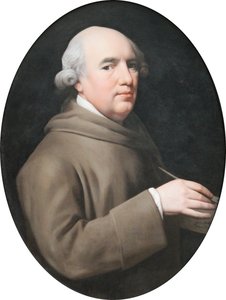
ჯორჯ სტაბსი
1724 - 1806 , გაერთიანებული სამეფო
მოკლე ფაქტები
- Artistic Movement Or Style: რომანტიზმი, ცხენის ხატვა
- Artists Or Movements Influenced By This Artist: ['ჯოშუა რეინოლდსი']
- Artists Who Influenced This Artist: ['ჰამლეტ უინსტანლი']
- Date Of Birth: 25 აგვისტო 1724
- Date Of Death: 10 ივლისი 1806
- Full Name: ჯორჯ სტაბსი
- Nationality: ბრიტანელი
- Notable Artworks (List Of Titles):
- Whistlejacket
- Lion & Horse
- A Lion and Tiger
- Place Of Birth (City And Country): ლივერპული, გაერთიანებული სამეფო
მსგავსი სტატიები
George Stubbs: Anatomical Precision & Romantic Vision in 18th-Century British Art
Explore the captivating world of George Stubbs, the 18th-century master renowned for his anatomical precision & Romantic animal paintings. Discover his legacy and investment potential.
The Noble Steed on Canvas: A Historical & Artistic Exploration of Horse Painting Across Cultures
Explore the rich history of horse painting! Discover masterpieces from Stubbs to Munnings & learn about symbolism, techniques & artists. Find museum-quality reproductions at OriginalUniqueArt.

ჟორჟ პიერ სეურას 25 საუკეთესო შედევრი: ფერების სიმფონია თქვენს სახლში | OriginalUniqueArt.com
გაიცანით ჟორჟ სეურას 25 საუკეთესო შედევრი! პუანტილიზმის გენიოსი, იმპრესიონიზმის ფერები და XIX საუკუნის ხელოვნების სიმდიდრე. შეიძინეთ უმაღლესი ხარისხის რეკრეაციები OriginalUniqueArt.com-ზე და შექმნით თქვენი სახლისთვის განსაკუთრებული ინტერიერი. აღმოაჩინეთ სეურას მთელი კოლექცია ონლაინ!

ჟორჟ ბრაკის 25 შედევრი: ხელოვნების ისტორიაში გამორჩეული ნაწარმოებები | OriginalUniqueArt.com
გაიცანით ჟორჟ ბრაკის 25 გამორჩეული შედევრი! კუბიზმის ისტორია, ფერწერის სტილი და ხელოვნების უნიკალური სამყარო OriginalUniqueArt.com-ზე. ნახატების რეპროდუქციები თქვენი სახლისთვის - ექსკლუზიური დეკორი და ინტერიერის იდეები. აღმოაჩინეთ მთელი კოლექცია ონლაინ!
The Noble Steed: A Historical and Artistic Exploration of Horses in Fine Art
Explore the rich history of horses in fine art! From ancient depictions to Renaissance masterpieces & beyond, discover iconic artworks and artists. Learn about symbolism, techniques, and find museum-quality reproductions at OriginalUniqueArt.


