
 ნახვა ინტერьерში
 გაგზავნა
 გაზიარება
 დეტალები
 გზამკვლევი

 ჩამოტვირთვა
 მსგავსები
 რენტგენოგრაფიული კვლევა
 სლაიდშოუ
 Q&A
Q&A სტატისტიკა
Lady in a Brown Robe

- 65.0 x 65.0 cm


 სრული ტექსტის ნახვა
გიკლე / ხელოვნების პრინტი
მუზეუმის დონის ჟიკლე ან ტილოზე ბეჭდვა სწრაფი წარმოებისა და დასრულების მოქნილი ვარიანტებით. ( შეიძინეთ ხელით შესრულებული ნახატი გადასვლა ციფრულ გამოსახულებაზე)




P118B ₾10

P118H ₾10

P118W ₾10

P438Z ₾10

P508JH ₾12

P508YH ₾12

P805H ₾10

P805Z ₾10

P919BZ ₾10

P919G ₾10

P919XJ ₾10

P959ZH ₾10

P968JZ ₾12

W106C ₾8

W218G ₾10

W218JH ₾8

W218Y ₾10

W307PJ ₾10

W316G ₾10

W316PJ ₾8

W316Y ₾10

W398PJ ₾8

W4111J ₾10

W500HY ₾15

W500JH ₾15

W692G ₾12

W849H ₾8

W940BG ₾15

W953PJ ₾8




აირჩიეთ ჩვენს მიერ წინასწარ განსაზღვრული ზომებიდან, რომლებიც ნაწარმოების ორიგინალურ პროპორციებს შეესაბამება.

შეიყვანეთ თქვენთვის საჭირო სიგანე და სიმაღლე, რათა იგი მოერგოს თქვენს ჩარჩოს ან კედელს. ბეჭდვისას შესაძლებელია მხოლოდ მისი შემცირება და არა გაზრდა, ამიტომ სხვა ფორმის ზომის შემთხვევაში გამოსახულება ნაწილობრივ იკარგება. სანამ რაიმეს დაბეჭდავთ, ჩვენ გამოგიგზავნით ციფრულ მაკეტს დასდასტურებლად. ამ გვერდზე ნაჩვენები სურათი არ ასახავს რეალურ ჭრას — ამას მხოლოდ მაკეტი გვიჩვენებს.
მიწოდება მთელ მსოფლიოში () 2 კვირაში, სტანდარტული 4/5 კვირის ნაცვლად. (2 ნოემბერი)

უფასო ექსპრეს მიწოდება მთელ მსოფლიოში

მაღალი ხარისხის ტილო

ტრანსპორტირების სრული დაზღვევა

საბაჟო გადასახადების დაბრუნების გარანტია

ფერების სრული შესაბამისობის გარანტია

დაბრუნების 100-დღიანი პერიოდი (მხოლოდ წარმოების დეფექტის შემთხვევაში)

100% თანხის სრული დაბრუნების გარანტია

ფასდაკლება დიდი რაოდენობით შეკვეთისას
 მინის ჩარჩოს არჩევანი ხელმისაწვდომია მხოლოდ 110 სმ-მდე ზომისთვის

Lady in a Brown Robe
გიკლე / ხელოვნების პრინტი
რეპროდუქციის ზომა
-


ჯამური ღირებულება
₾ 208
A Vision of Neoclassical Grace
In the quiet splendor of George Romney’s 1785 masterpiece, Lady in a Brown Robe, we encounter more than a mere portrait; we step into the refined atmosphere of the Georgian era. This exquisite work captures Miss Eliza Siddall, a woman celebrated for her beauty, not through flamboyant display, but through a profound sense of serenity and poise. As she gazates toward the viewer, there is an intimate connection established—a silent dialogue between the subject and the observer that has captivated audiences for centuries. The painting serves as a quintessential window into Neoclassical portraiture, a movement that sought to revive the dignified ideals of ancient Greece and Rome, stripping away excessive ornamentation to reveal the pure, sculptural essence of the human form.
The technical mastery displayed by Romney is nothing short of breathtaking. Utilizing the rich, luminous possibilities of oil on canvas, the artist achieves a depth of texture that invites the eye to linger upon every fold of the sitter's attire. His approach is characterized by a meticulous attention to tonal gradation, where light and shadow dance across the surface to create a lifelike three-dimensionality. The soft, warm glow emanating from the skin tones contrasts beautifully with the earthy, understated palette of the brown robe, creating a visual harmony that feels both grounded and ethereal. For the discerning collector or interior designer, this balance of subtle color and masterful light makes the piece an incredibly versatile anchor for any sophisticated space.
Symbolism and Social Elegance
Beyond its aesthetic brilliance, the artwork is steeped in the social aspirations of late 18th-century London. During this period of Enlightenment, the aristocracy sought to project values of virtue, stability, and classical wisdom. The choice of a simple brown robe is deeply symbolic; rather than relying on the ostentatious silks or jewels common in royal portraiture, Romney uses the understated elegance of the garment to emphasize the sitter's inner character and natural grace. This restraint reflects the Neoclassical preference for clarity and truth over superficiality. The delicate pearl necklace, catching a glint of light, provides just enough ornamentation to signify her high social standing without disrupting the painting's overall sense of tranquil dignity.
To possess or display a reproduction of this work is to invite a sense of historical continuity and timelessness into a modern environment. The painting does not merely decorate a wall; it commands a room with its quiet authority and emotional depth. Whether placed in a sunlit library or a formal dining area, Lady in a Brown Robe offers an enduring inspiration, reminding us of an era where art was used to capture the very soul of elegance. It remains a cornerstone of British art history, a testament to George Romney's ability to transform a single moment of stillness into an eternal emblem of beauty.
კითხვები და პასუხები
ვინ შექმნა "Lady in a Brown Robe" და როდის?
„Lady in a Brown Robe“-ის ავტორია ჯორჯ როمینგი, ნამუშევარი კი 1785 წელს არის შექმნილი.
საიდან მოდიან ჯორჯ როمینგი-ის „Lady in a Brown Robe“-ის სტუმრები?
ჯორჯ როمینგი-ის „Lady in a Brown Robe“-ის სტატისტიკა გვერდი წარმოადგენს საჯარო ვიზიტების სტატისტიკას: ამ ნამუშევრის ყოველთვიურ ნახვებს, შედარებას ხელოვანის ყველაზე პოპულარულ ნამუშევრებთან და იმას, თუ საიდან მოდიან მისი დამთვალიერებლები.
არის თუ არა ჯორჯ როمینგი-ის შემოქმედებისგან „Lady in a Brown Robe“ საჯარო საკუთრებაში და რატომ?
ჯორჯ როمینგი-ის „Lady in a Brown Robe“ არის საჯარო საკუთრებაშია - მისი საავტორო უფლებები ამოწდა. საავტორო უფლებების ვადა ითვლება ხელოვანის გარდაცვალებიდან, რომელიც მოხდა 1802 წელს.
მხატვრის ბიოგრაფია
A Life in Portraiture: The World of George Romney
Born in the picturesque landscape of Dalton-in-Furness, Lancashire, on December 15th, 1734, George Romney ascended to become one of the most sought-after portrait painters of his era. His journey from a cabinet maker’s son to the favored artist of British high society is a compelling narrative of innate talent and unwavering ambition. Early life offered little indication of the artistic path he would forge; initially apprenticed to his father, it was an inherent inclination towards drawing and craftsmanship that led him to Christopher Steele, a local portraitist who had studied in Paris. This apprenticeship proved pivotal, providing Romney with foundational skills and an introduction to European artistic traditions. He quickly surpassed his master, however, demonstrating a precocious talent demanding further cultivation. A brief, unhappy marriage and subsequent separation propelled him towards London in 1762, a city brimming with opportunity but also fierce competition.Establishing a Reputation: Style and Technique
London proved to be a crucible for Romney’s artistic development. He swiftly established himself as a formidable portraitist, challenging the dominance of artists like Thomas Gainsborough and Sir Joshua Reynolds. While he never sought membership in the Royal Academy – a decision that perhaps limited his access to certain patronage – his success was undeniable. Romney's style evolved over time, initially reflecting the influence of Steele and his Parisian training, but soon blossomed into something distinctly his own. He possessed an exceptional ability to capture not merely the likeness, but also the personality and social standing of his sitters. His portraits are characterized by elegant poses, a refined use of light and shadow, and a subtle psychological insight that set him apart. Romney’s technique was marked by a delicate touch and a preference for flowing lines, often drawing inspiration from classical sculpture. He skillfully employed color to convey texture and depth, creating portraits that were both visually striking and emotionally resonant. His ability to flatter his subjects while maintaining artistic integrity earned him the loyalty of an elite clientele. He understood the power of suggestion, hinting at character rather than explicitly defining it, a quality that appealed to those who valued discretion and refinement. Romney’s meticulous attention to detail—the subtle folds of fabric, the delicate rendering of skin tones—demonstrated his mastery of observation and artistic execution.The Muse and Her Influence: Emma Hamilton
Romney’s life took a dramatic turn with his encounter with Emma Hart, later known as Lady Hamilton, in 1782. She became not only his most celebrated model but also his muse, profoundly influencing his artistic output. Emma's beauty, intelligence, and theatrical flair captivated Romney, inspiring a series of portraits that explored themes of classical mythology, dramatic narrative, and feminine grace. He depicted her in various roles – as a spinner, as the tragic Miranda from Shakespeare’s *The Tempest*, and in numerous allegorical scenes that showcased her expressive range. These works demonstrate Romney's willingness to experiment with composition and symbolism, moving beyond conventional portraiture into more imaginative territory. The Tempest series, in particular, reveals a Romantic sensibility at play, anticipating the emotional intensity of later artists. The relationship was intense and all-consuming for Romney, though ultimately unfulfilled romantically; Emma eventually became the mistress of Lord Nelson, a union that cemented her place in history. Nevertheless, their artistic collaboration left an indelible mark on both their lives and produced some of Romney’s most enduring masterpieces. He painted over 80 portraits of her, each revealing a different facet of her captivating personality. The influence of Emma Hamilton extended beyond mere modeling; she encouraged Romney to embrace bolder colors and expressive gestures, pushing him to explore new artistic horizons.Notable Works and Artistic Legacy
Romney’s oeuvre encompasses a remarkable range of subjects—portraits of aristocrats, members of the clergy, and prominent figures in British society—each imbued with an unparalleled sense of realism and psychological nuance. Among his most celebrated paintings are *Peter and James Romney*, depicting his brothers, showcasing his ability to capture familial bonds with tenderness and sensitivity; *Portrait of G. Cowper*, a dignified depiction of the poet William Cowper, reflecting Romney’s understanding of intellectual pursuits; *The Death of General Wolfe*, commemorating the heroic victory at Quebec—a monumental canvas demonstrating his mastery of scale and dramatic composition; and *Mrs. Carwardine & Son*, capturing the warmth and affection between mother and child with remarkable precision. His work stands apart from its contemporaries due to its understated elegance and profound emotional depth. Romney’s artistic legacy continues to inspire admiration for its technical brilliance and humanist spirit. He helped establish a new standard for portraiture, prioritizing psychological insight alongside accurate representation—a distinction that cemented his place as one of the foremost artists of the Georgian era. His influence can be seen in subsequent generations of painters who sought to emulate his style and explore similar themes.Historical Significance
George Romney’s contribution to British art history is substantial. He embodies the spirit of Romanticism, prioritizing emotion and imagination alongside observation and craftsmanship. His portraits serve as invaluable documents of social life during a period of significant transformation—reflecting the values, aspirations, and anxieties of the elite circles he frequented. Romney's unwavering dedication to his craft—coupled with his astute understanding of human psychology—established him as an artist whose work transcends mere likeness; it captures the essence of his subjects’ character and conveys their inner lives with remarkable eloquence. He remains a testament to the enduring power of artistic vision and serves as an inspiration for artists striving to achieve excellence in their own endeavors. Romney's story is one of perseverance, ambition, and ultimately, artistic triumph—a narrative that resonates across centuries and underscores the transformative potential of talent and determination.
ჯორჯ როمینგი
1734 - 1802 , ՄեծԲրիտանիա
მოკლე ფაქტები
- Artistic Movement Or Style: Портретная живопись, Романтизм
- Artists Or Movements Influenced By This Artist: ['ბრიტ პორტრეტიсты']
- Artists Who Influenced This Artist:
- ქრონისტოფ შეილ დება
- კარლე ვანლუ
- რაფაელ
- Date Of Birth: 1734 წლის დეკემბერი 15
- Date Of Death: 1802 წლის ნოябрь 15
- Full Name: George Romney
- Nationality: ინგლისელი
- Notable Artworks:
- პიტერ და ჯეიმ્સ რომნი
- მშვენიერი გ. კოუპერის პორტრეტი
- ჯენ ჰოვლის სიკვდილი
- Place Of Birth: დალტონი ინგლისში
მსგავსი სტატიები
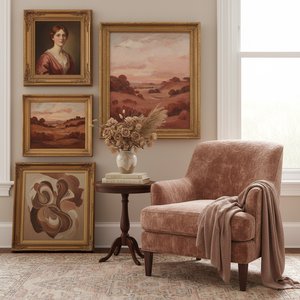
Rosy Brown Hues: 10 Master Paintings & Timeless Decor Ideas |
Explore 10 iconic paintings bathed in captivating rosy brown tones! From Rembrandt to Titian, discover the stories behind these masterpieces & their warm color palettes. Find museum-quality art reproductions and decor inspiration at .

10 Iconic Neoclassical Masterpieces That Changed Art History Forever
Journey through history with 10 Neoclassical masterpieces. From Jacques-Louis David to Ingres, explore the stories behind these timeless icons. Find museum-quality art reproductions and elegant decor inspiration at OriginalUniqueArt.com. Discover all masterpieces on OriginalUniqueArt.com
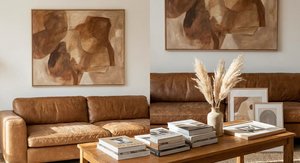
Sandy Brown Masterpieces: 10 Iconic Paintings & Timeless Decor Ideas
Explore 10 iconic paintings bathed in captivating sandy brown tones! From Rembrandt to Monet, discover the stories behind these timeless masterpieces & find museum-quality art reproductions for your home. Explore the full collection on OriginalUniqueArt.com.

10 Iconic Masterpieces Defined by Rich Rosy Brown Tones
Immerse yourself in the warmth of history with 10 iconic paintings defined by rosy brown tones. Explore the stories behind these timeless masterpieces and find inspiration for your decor. Discover museum-quality art reproductions on OriginalUniqueArt.com.
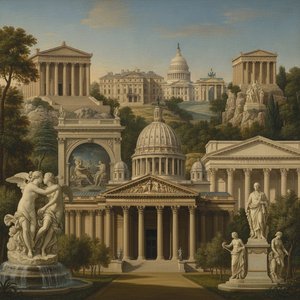
10 Iconic Neoclassical Masterpieces That Changed Art History Forever
Journey through history with 10 iconic Neoclassical masterpieces. From Jacques-Louis David to Ingres, explore the stories behind these timeless works of art. Find museum-quality reproductions and elegant decor inspiration at OriginalUniqueArt.com. Discover all masterpieces on OriginalUniqueArt.com


