
 წინასწარი ნახვა
 გაგზავნა
 გაზიარება
 დეტალები

 ჩამოტვირთვა
 მსგავსები
 რენტგენოგრაფიული კვლევა
 სლაიდშოუ
 სტატისტიკა
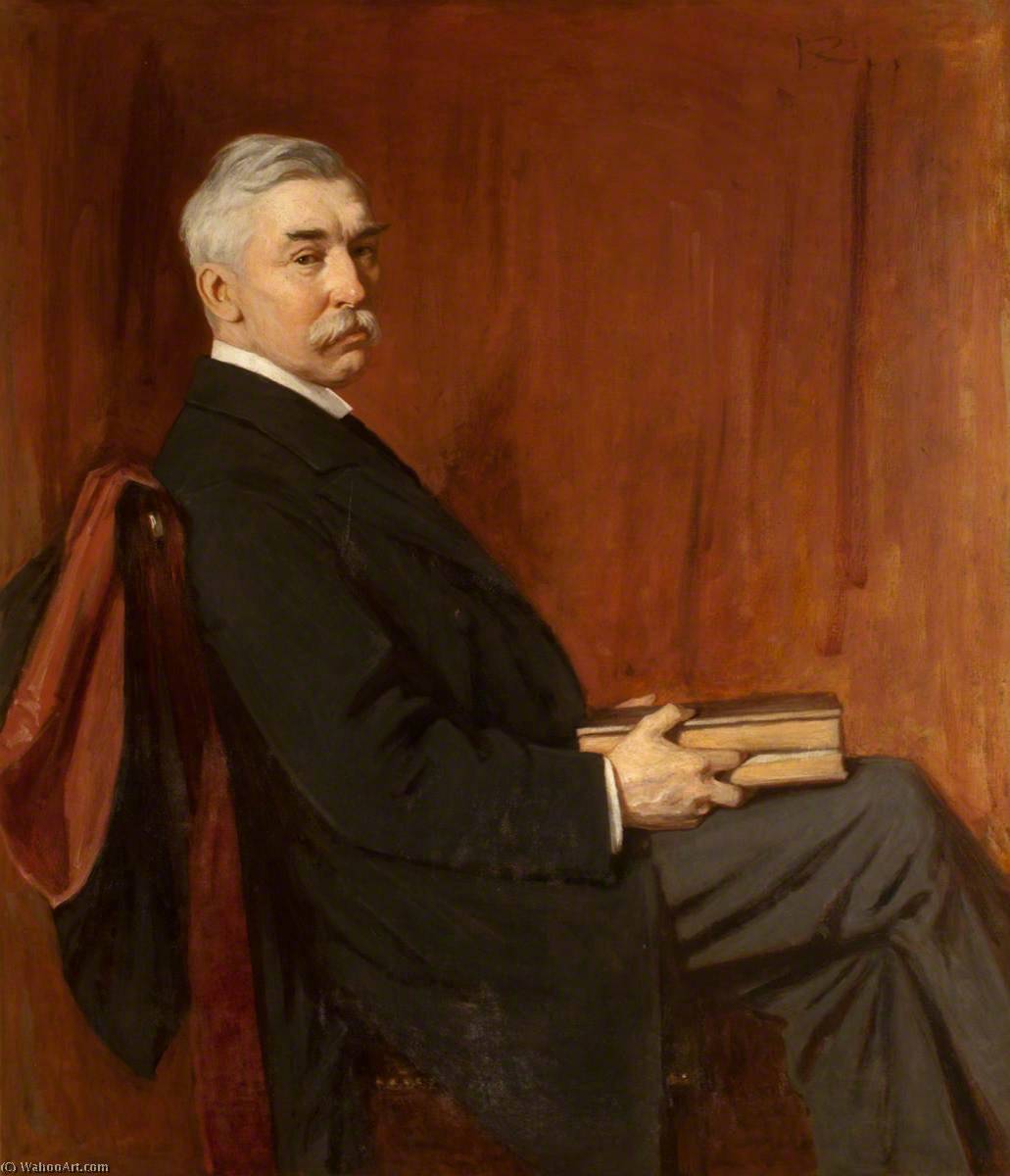
Sir John Sibbald
 Acrylic On Canvas
- WallArt
- Contemporary Realism
 122.0 x 107.0 cm
 Royal College of Physicians of Edinburgh
 გადასართად დაწვრილებით ნახეთ
შეიძინეთ მაღალი რეზოლუციის, გაუმჯობესებული ციფრული გამოსახულება, რომელიც ხარისხით ბევრად აღემატება ონლაინ წინასწარ ნახვას.
თითოეულ ფაილს ჩვენი შიდა სპეციალისტები საგულდაგულოდ ამზადებენ თანამედროვე ინსტრუმენტებისა და პროფესიონალური რეტუშირების გამოყენებით. ჩვენ უზრუნველყოფთ, რომ თითოეულ გამოსახულებას ჰქონდეს გამორჩეული სიცხადე, ფერების ზუსტი გადაცემა და დეტალიზაცია.
დასრულებული ფაილი ელექტრონული ფოსტით 72 საათში გიგზავნით; იგი ოპტიმიზებულია პროფესიონალური, რედაქციული და პოლიგრაფიული გამოყენებისთვის. ეს არის ისეთივე ხარისხი, რომელსაც წამყვანი დიზაინ-სტუდიები, გამომცემლობები და გალერეები ენდობიან.
ციფრული გამოსახულება
ჩამოტვირთეთ მაღალი გარჩევადობის ფაილი პირადი გამოყენებისთვის, დასაბეჭდად და შემოქმედებითი პროექტებისთვის. ( გადართვა ბეჭდზე შეიძინეთ ხელით შესრულებული ნახატი)
ყოველ ციფრულ გამოსახულების შეკვეთაში შედის
ექსპერტული ციფრული მიწოდება, გარანტირებული
როდესაც ირჩევთ OriginalUniqueArt.com-ს, თქვენ მხოლოდ სურათს კი არ იღებთ, არამედ იღებთ პროფესიონალურად დამუშავებულ ციფრულ ნამუშევარს, რომელიც შექმნილია უზადო სიზუსტით და დაცულია კმაყოფილების გარანტიით. თქვენს შეკვეთას ავტომატურად მოჰყვება შემდეგი:

სწრაფი მიწოდება ელექტრონული ფოსტით
თქვენს მაღალი რეზოლუციის ციფრულ გამოსახულებას ელექტრონული ფოსტით შეკვეთის დაწყებიდან 72 საათში მიიღებთ — ის მზად იქნება დაუყოვნებლივი გამოყენებისთვის.

AI-ით გაუმჯობესებული ციფრული ფაილი
თქვენი ხელოვნების ნიმუშები პროფესიონალურად არის ოპტიმიზებული მოწინავე AI ინსტრუმენტებისა და მექანიკური რედაქტირების მეშვეობით, რაც უზრუნველყოფს მაქსიმალურ დეტალიზაციას, სიცხადესა და ფერების სიზუსტეს.

ციფრული გამოსახულებების უფასო სამუდამო ხელახალი მიღება
ფაილი შემთხვევით წაიშალა ან დაკარგეთ? ნუបედავთ — ჩვენ მას ნებისმიერ დროს, უფასოდ ხელახლა გამოგეგზავნით.

იმპორტის გადასახადების გარეშე — ყოველთვის
ჭიდად ისიამოვნეთ თქვენი ნამუშევრით მყისიერად, საბაჟო გადასახადის, მოსაკრებლის ან მიწოდების ხარჯის გარეშე - ციფრული ჩამტვირთვისას ყოველთვის საგადასახადო თავისუფლებაა.

ფერების სიზუსტის გარანტია
პროფესიონალური ინსტრუმენტებისა და ფერების მართვის სისტემის გამოყენებით, ჩვენ უზრუნველყოფთ, რომ თქვენი ციფრული გამოსახულება მაქსიმალურად ზუსტად ასახავდეს ორიგინალურ ფერებს.

კმაყოფილების 100-დღიანი გარანტია
თუ თქვენ არ დაკმაყოფილებული ხართ თქვენი ციფრული გამოსახულებით, ჩვენ შევიტანთ მასში ცვლილებებს ან დაგიბრუნებთ 100% თანხას 100 დღის განმავლობაში - ყოველგვარი კითხვის დასმევის გარეშე.

100% თანხის დაბრუნების გარანტია
არ არის კმაყოფილი? მიიღეთ სრული თანხის დაბრუნება ციფრული ფაილის მიღებიდან 100 დღის განმავლობაში — ყოველგვარი დამატებითი კითხვების გარეშე.

ფასდაკლება დიდი რაოდენობით შეკვეთაზე
შეიძინეთ 3 გამოსახულება და მიიღეთ 10% ფასდაკლება - შეიძინეთ 5 და მიიღეთ 15% ფასდაკლება - შეიძინეთ 10+-ზე და მიიღეთ 20% ფასდაკლება. იდეალურია კრეატიული პროექტებისთვის, გალერეებისა და სააგენტოებისთვის.
A Portrait Steeped in Dignity: Exploring George Agnew Reid’s Sir John Sibbald
The painting “Sir John Sibbald” by George Agnew Reid, completed circa 1893, stands as a testament to the artist's mastery of realism and his ability to imbue portraiture with profound emotional resonance. Executed in oil on canvas, this artwork resides within the Royal College of Physicians of Edinburgh’s collection—a fact that speaks volumes about its significance within Canadian artistic heritage. Reid, born in 1860 in Wingham, Ontario, possessed an uncommon upbringing for an artist of his stature; he honed his craft amidst the pastoral beauty of rural Canada West before embarking on formal studies at Toronto's Central Ontario School of Art and subsequently pursuing advanced training at Philadelphia’s Pennsylvania Academy of the Fine Arts. This dual influence—the grounding of practical observation combined with academic rigor—shaped Reid’s artistic sensibilities, resulting in a distinctive style characterized by meticulous detail and an unwavering commitment to capturing the essence of his subjects.- Subject Matter: The portrait depicts Sir John Sibbald, a prominent physician and Fellow of the Royal College of Physicians of Edinburgh. Sibbald's professional accomplishments underscore Reid’s intention to portray not merely physical appearance but also intellectual stature and moral character—a hallmark of Victorian artistic ideals.
- Style & Technique: Reid’s approach aligns squarely with the tenets of realism, championed by luminaries like Thomas Eakins. He meticulously rendered Sibbald's anatomy with painstaking accuracy, utilizing subtle shading and tonal variations to convey depth and texture. The artist skillfully employed glazing techniques—applying thin layers of translucent paint over underlying colors—to achieve luminosity and atmospheric perspective, creating a captivating illusion of three-dimensionality.
- Historical Context: Created during the Victorian era (1837-1901), “Sir John Sibbald” reflects the prevailing artistic preoccupation with portraying individuals of distinction—scholars, statesmen, and physicians—as emblems of virtue and intellect. The portrait exemplifies the Victorian ideal of gentlemanly scholarship, aligning with broader cultural trends emphasizing moral responsibility and intellectual enlightenment.
- Symbolism: Reid’s inclusion of Sibbald holding a book is laden with symbolic significance. Books represent knowledge, wisdom, and erudition—values highly esteemed during the Victorian period and consistently upheld by Reid's artistic vision. It underscores Sibbald’s role as a healer and intellectual leader.
მხატვრის ბიოგრაფია
Early Life and Artistic Foundations
George Agnew Reid (1860–1947) nació en Wingham, Ontario, Canadá Occidental, un lugar que marcaría profundamente su visión artística. Sus inicios estaban impregnados no en formación formal sino en los ritmos de la vida agrícola—un entorno que más tarde retomaría con profunda sensibilidad y profundidad emocional en sus pinturas. Aunque inicialmente reacio a las aspiraciones de su hijo, Reid Sr. finalmente reconoció y apoyó su talento creciente, permitiéndole estudiar en la Escuela Central Ontario de Arte en Toronto en 1879 bajo la tutela de Robert Harris. Este período fundador inculcó respeto por técnicas establecidas y arte representacional, pero también encendió en Reid un deseo de explorar más allá de la imitación. Buscó una mayor perfección en la Academia Pennsylvania de las Artes en Filadelfia desde 1882 hasta 1885, donde encontró bajo el poderoso influjo de Thomas Eakins—un maestro del realismo y precisión anatómica cuyo compromiso con representación fiel permanecería como principio guía a lo largo de toda la carrera de Reid. Igualmente significativo durante este tiempo fue su encuentro y posterior matrimonio con Mary Hiester Reid, quien también era artista talentosa; su unión forjó una asociación artística permanente basada en el respeto mutuo y el intercambio creativo. Reid viajó luego por el Atlántico, sumergiéndose en los vibrantes escenarios artísticos de París en las Académies Julian y Colarossi, y realizó estudios enfocados en el Museo Prado en Madrid entre 1888-1889, ampliando su comprensión de maestros europeos y enriqueciendo su vocabulario estilístico.Una Estilo Floreciente: Pintura Genre y Profundidad Narrativa
Al regresar a Canadá, el enfoque artístico de Reid cambió desde el retrato hacia la pintura género—un estilo que le permitió explorar los narrativas incorporados en la vida cotidiana. Esto no fue simplemente un cambio en sujeto; representó una profundización de su intención artística. La Ejecución Hipotecaria (1893) fue un logro significativo, ganando reconocimiento importante y estableciendo a Reid como contador historias mediante el cuadro. El cuadro es una representación conmovedora del sufrimiento rural, capturando un momento de peso emocional profundo con notable sensibilidad. Reid mezcló magistralmente la precisión que había absorbido durante su formación académica parisina con sutiles toques impresionistas—una delicada interacción de luz y atmósfera que impregnaba sus lienzos de realismo y resonancia emocional. No simplemente registró escenas; las interpretó, infundiéndoles profundidad psicológica que resonó profundamente con los espectadores. Sus pinturas se convirtieron en ventanas a la vida cotidiana canadiense, ofreciendo vislumbres de sus alegrías, luchas y espíritu duradero. Poseía una habilidad excepcional para observar y capturar los matices emocionales humanos, traduciendo estas observaciones sobre lienzo con notable maestría. Este período vio obras que no solo eran estéticamente agradables sino también socialmente conscientes, reflejando una creciente conciencia de los desafíos enfrentados por las comunidades rurales.Carrera Destacada y Liderazgo Educativo
El logro artístico de Reid fue paralelo a una destacada carrera en educación artística y administración. Su elección para la Academia Real canadiense de Artes en 1889 aseguró su posición dentro de la creciente comunidad artística canadiense, reconociendo sus contribuciones e influencia. Sin embargo, quizás su papel más significativo fue como Director de la Escuela Central Ontario de Arte y Diseño (posteriormente OCAD Universidad) desde 1912 hasta 1918. Durante este período, impulsó reformas cruciales, dando forma a la institución como centro líder para la formación artística en Canadá. Creía apasionadamente en el poder de la educación artística para nutrir la creatividad y fomentar un paisaje cultural vibrante. Además de sus deberes administrativos, Reid continuó produciendo obras significativas, incluyendo murales y piezas encargadas para edificios públicos—como testimonio de su enfoque holístico del arte y diseño. En 1922, tras el fallecimiento de Mary Hiester Reid, entró en otra asociación artística importante con Mary E. Wrinch, enriqueciendo aún más su vida creativa y ampliando sus horizontes artísticos. Sus intereses se extendieron más allá de la pintura, incluyendo proyectos arquitectónicos influenciados por el movimiento Arts and Crafts—un testimonio de su visión holística del arte y diseño. Él veía un mundo donde belleza y funcionalidad estuvieran integrados sin problemas, influyendo no solo en su obra sino también en su filosofía educativa.Legado e Influencia Duradera
El legado de George Agnew Reid trascendió sus obras individuales; fue un catalizador para el cambio dentro del mundo artístico canadiense, fomentando una identidad artística distintivamente nacional mientras abrazaba influencias internacionales. Su mentor, Thomas Eakins, inculcó en él un compromiso con el realismo y precisión anatómica, mientras que su tiempo en París expuso su comprensión de las técnicas innovadoras impresionistas—elementos que mezcló magistralmente con estilo único. Jugó un papel fundamental en establecer lenguaje visual que reflejara la experiencia canadiense, representando paisajes rurales y vida cotidiana con sensibilidad y autenticidad. Como educador y administrador, Reid nutrió generaciones de artistas canadienses, dando forma al futuro de la educación artística en el país. Sus obras siguen siendo objeto de admiración y inspiración, consolidando su lugar como uno de los artistas más importantes y influyentes de Canadá. Su capacidad para combinar rigor académico con profundidad emocional creó obras que resonaban profundamente con los espectadores, reflejando las realidades sociales de su tiempo y ofreciendo conocimientos duraderos sobre la condición humana.
ჯორჯ ჰარიソン
1860 - 1947 , Канада
მოკლე ინფორმაცია
- Artistic Movement Or Style: ჟანრის მხატვრობა და რეალიზმი
- Artists Or Movements Influenced By This Artist: ['კანადელი მხატვრები']
- Artists Who Influenced This Artist: ['ტომას ეაკინსი']
- Date Of Birth: ივლისი 25, 1860
- Date Of Death: აგვისტო 23, 1947
- Full Name: George Agnew Reid
- Nationality: კანადელი
- Notable Artworks:
- სფინი კასლი და ლოხი მორაი
- ბიზნესმენის პორტრეტი დ. ჰაი მონიკர்
- იან რիჩი ფინდაილი აბერლური
- Place Of Birth: უინგჰემი, კැනდა