

 ნახვა ინტერьерში
 გაგზავნა
 გაზიარება
 დეტალები
 გზამკვლევი

 ჩამოტვირთვა
 მსგავსები
 რენტგენოგრაფიული კვლევა
 სლაიდშოუ
 სტატისტიკა
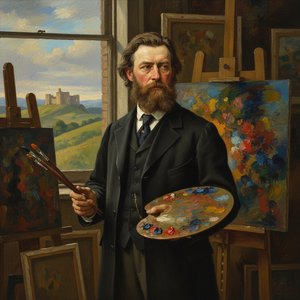
John Trayner, Lord Trayner
 Acrylic On Canvas
- WallArt
- Realism
 135.0 x 100.0 cm
 University of Dundee
 სრული ტექსტის ნახვა
გიკლე / ხელოვნების პრინტი
მუზეუმის დონის ჟიკლე ან ტილოზე ბეჭდვა სწრაფი წარმოებისა და დასრულების მოქნილი ვარიანტებით. ( შეიძინეთ ხელით შესრულებული ნახატი გადასვლა ციფრულ გამოსახულებაზე)




P118B ₾10

P118H ₾10

P118W ₾10

P438Z ₾10

P508JH ₾12

P508YH ₾12

P805H ₾10

P805Z ₾10

P919BZ ₾10

P919G ₾10

P919XJ ₾10

P959ZH ₾10

P968JZ ₾12

W106C ₾8

W218G ₾10

W218JH ₾8

W218Y ₾10

W307PJ ₾10

W316G ₾10

W316PJ ₾8

W316Y ₾10

W398PJ ₾8

W4111J ₾10

W500HY ₾15

W500JH ₾15

W692G ₾12

W849H ₾8

W940BG ₾15

W953PJ ₾8




აირჩიეთ ჩვენს მიერ წინასწარ განსაზღვრული ზომებიდან, რომლებიც ნაწარმოების ორიგინალურ პროპორციებს შეესაბამება.

შეიყვანეთ თქვენთვის საჭირო სიგანე და სიმაღლე, რათა იგი მოერგოს თქვენს ჩარჩოს ან კედელს. ბეჭდვისას შესაძლებელია მხოლოდ მისი შემცირება და არა გაზრდა, ამიტომ სხვა ფორმის ზომის შემთხვევაში გამოსახულება ნაწილობრივ იკარგება. სანამ რაიმეს დაბეჭდავთ, ჩვენ გამოგიგზავნით ციფრულ მაკეტს დასდასტურებლად. ამ გვერდზე ნაჩვენები სურათი არ ასახავს რეალურ ჭრას — ამას მხოლოდ მაკეტი გვიჩვენებს.
მიწოდება მთელ მსოფლიოში () 2 კვირაში, სტანდარტული 4/5 კვირის ნაცვლად. (24 ოქტომბერი)

უფასო ექსპრეს მიწოდება მთელ მსოფლიოში

მაღალი ხარისხის ტილო

ტრანსპორტირების სრული დაზღვევა

საბაჟო გადასახადების დაბრუნების გარანტია

ფერების სრული შესაბამისობის გარანტია

დაბრუნების 100-დღიანი პერიოდი (მხოლოდ წარმოების დეფექტის შემთხვევაში)

100% თანხის სრული დაბრუნების გარანტია

ფასდაკლება დიდი რაოდენობით შეკვეთისას
 მინის ჩარჩოს არჩევანი ხელმისაწვდომია მხოლოდ 110 სმ-მდე ზომისთვის

John Trayner, Lord Trayner
გიკლე / ხელოვნების პრინტი
რეპროდუქციის ზომა
-


ჯამური ღირებულება
₾ 209
John Trayner, Lord Trayner: A Portrait of Dignified Authority
George Reid’s “John Trayner, Lord Trayner,” completed circa 1893, stands as a testament to the Scottish artist's mastery of realism and his ability to capture the essence of Victorian portraiture. Held by the University of Dundee Fine Art Collections, this impressive canvas—measuring 135 x 100 cm—offers viewers an intimate glimpse into the life and character of John Trayner (1834–1929), a prominent jurist and figurehead of Scottish legal scholarship.
- Subject Matter: The painting depicts Trayner in formal attire – a scarlet robe adorned with a white collar—a visual shorthand for his position as Lord Justice of Scotland. This deliberate choice underscores the importance of legal status within Victorian society, reflecting a preoccupation with social hierarchy and moral responsibility.
- Style & Technique: Reid’s approach is distinctly Impressionistic, albeit tempered by meticulous observation. He employs soft brushstrokes to render Trayner's features with remarkable accuracy, capturing subtle nuances of expression—a gaze directed outwards that conveys thoughtfulness and seriousness. The artist skillfully utilizes light and shadow to sculpt the figure, creating a palpable sense of three-dimensionality.
- Historical Context: Created during the reign of Queen Victoria (1837–1901), “John Trayner” embodies the Victorian ethos—characterized by moral earnestness, respect for tradition, and an unwavering belief in social order. Reid’s work reflects a broader artistic trend toward portraying individuals within their social milieu, striving to convey not merely appearance but also inner character.
- Symbolism: The robe itself symbolizes authority and dignity – emblems of Trayner's role as judge and intellectual leader. Furthermore, the document held in Trayner’s hand—though obscured by shadow—represents the weighty responsibilities inherent in legal decision-making, hinting at contemplation and deliberation.
- Emotional Impact: Despite its subdued palette dominated by earthy tones – reds, browns, and creams – “John Trayner” exudes a profound sense of composure and intellectual gravitas. Reid’s masterful rendering invites viewers to contemplate the subject's inner life and to appreciate the enduring power of portraiture as a medium for conveying psychological depth.
The painting is signed “George Reid” in the lower right corner, confirming its provenance and highlighting Reid’s reputation as a respected artist during his time. Its meticulous detail and evocative portrayal solidify its place within the canon of Victorian portraiture—a timeless masterpiece that continues to inspire admiration for its artistic excellence.
A high-quality reproduction of “John Trayner” by George Reid offers collectors and interior designers alike an opportunity to experience the beauty and intellectual richness of this iconic artwork. Explore similar pieces at PaintingZ.
კითხვები და პასუხები
რამდენად ბევრ სინათლეს ასახავს, თითქოს, "John Trayner, Lord Trayner" ფერები?
ჯორჯ ჰარიソン-ის „John Trayner, Lord Trayner“-ის სინათლის სიმკვეთრე Dark-ია. სიმკვეთრე აღწერს, თუ რამდენ სინათლეს ასახავს ფერები.
სად შემიძლება მსგავსი ნამუშევრების პოვნა, როგორიცაა ჯორჯ ჰარიソン-ის „John Trayner, Lord Trayner“?
ჯორჯ ჰარიソン-ის „John Trayner, Lord Trayner“-ის მსგავსი ნამუშევრები გვერდი წარმოგიდგენთ მსგავს ნამუშევრებს.
ზუსტად რომელ ოთახშია რეკომენდებული ჯორჯ ჰარიソン-ის „John Trayner, Lord Trayner“?
ჯორჯ ჰარიソン-ის „John Trayner, Lord Trayner“-ისთვის რეკომენდებული სივრცე არის Living Room. ეს შემოთავაზება, რა თქმა უნდა, შეგიძლიათ თქვენს ინტერიერს მოარგოთ.
მხატვრის ბიოგრაფია
Early Life and Artistic Foundations
George Agnew Reid (1860–1947) nació en Wingham, Ontario, Canadá Occidental, un lugar que marcaría profundamente su visión artística. Sus inicios estaban impregnados no en formación formal sino en los ritmos de la vida agrícola—un entorno que más tarde retomaría con profunda sensibilidad y profundidad emocional en sus pinturas. Aunque inicialmente reacio a las aspiraciones de su hijo, Reid Sr. finalmente reconoció y apoyó su talento creciente, permitiéndole estudiar en la Escuela Central Ontario de Arte en Toronto en 1879 bajo la tutela de Robert Harris. Este período fundador inculcó respeto por técnicas establecidas y arte representacional, pero también encendió en Reid un deseo de explorar más allá de la imitación. Buscó una mayor perfección en la Academia Pennsylvania de las Artes en Filadelfia desde 1882 hasta 1885, donde encontró bajo el poderoso influjo de Thomas Eakins—un maestro del realismo y precisión anatómica cuyo compromiso con representación fiel permanecería como principio guía a lo largo de toda la carrera de Reid. Igualmente significativo durante este tiempo fue su encuentro y posterior matrimonio con Mary Hiester Reid, quien también era artista talentosa; su unión forjó una asociación artística permanente basada en el respeto mutuo y el intercambio creativo. Reid viajó luego por el Atlántico, sumergiéndose en los vibrantes escenarios artísticos de París en las Académies Julian y Colarossi, y realizó estudios enfocados en el Museo Prado en Madrid entre 1888-1889, ampliando su comprensión de maestros europeos y enriqueciendo su vocabulario estilístico.Una Estilo Floreciente: Pintura Genre y Profundidad Narrativa
Al regresar a Canadá, el enfoque artístico de Reid cambió desde el retrato hacia la pintura género—un estilo que le permitió explorar los narrativas incorporados en la vida cotidiana. Esto no fue simplemente un cambio en sujeto; representó una profundización de su intención artística. La Ejecución Hipotecaria (1893) fue un logro significativo, ganando reconocimiento importante y estableciendo a Reid como contador historias mediante el cuadro. El cuadro es una representación conmovedora del sufrimiento rural, capturando un momento de peso emocional profundo con notable sensibilidad. Reid mezcló magistralmente la precisión que había absorbido durante su formación académica parisina con sutiles toques impresionistas—una delicada interacción de luz y atmósfera que impregnaba sus lienzos de realismo y resonancia emocional. No simplemente registró escenas; las interpretó, infundiéndoles profundidad psicológica que resonó profundamente con los espectadores. Sus pinturas se convirtieron en ventanas a la vida cotidiana canadiense, ofreciendo vislumbres de sus alegrías, luchas y espíritu duradero. Poseía una habilidad excepcional para observar y capturar los matices emocionales humanos, traduciendo estas observaciones sobre lienzo con notable maestría. Este período vio obras que no solo eran estéticamente agradables sino también socialmente conscientes, reflejando una creciente conciencia de los desafíos enfrentados por las comunidades rurales.Carrera Destacada y Liderazgo Educativo
El logro artístico de Reid fue paralelo a una destacada carrera en educación artística y administración. Su elección para la Academia Real canadiense de Artes en 1889 aseguró su posición dentro de la creciente comunidad artística canadiense, reconociendo sus contribuciones e influencia. Sin embargo, quizás su papel más significativo fue como Director de la Escuela Central Ontario de Arte y Diseño (posteriormente OCAD Universidad) desde 1912 hasta 1918. Durante este período, impulsó reformas cruciales, dando forma a la institución como centro líder para la formación artística en Canadá. Creía apasionadamente en el poder de la educación artística para nutrir la creatividad y fomentar un paisaje cultural vibrante. Además de sus deberes administrativos, Reid continuó produciendo obras significativas, incluyendo murales y piezas encargadas para edificios públicos—como testimonio de su enfoque holístico del arte y diseño. En 1922, tras el fallecimiento de Mary Hiester Reid, entró en otra asociación artística importante con Mary E. Wrinch, enriqueciendo aún más su vida creativa y ampliando sus horizontes artísticos. Sus intereses se extendieron más allá de la pintura, incluyendo proyectos arquitectónicos influenciados por el movimiento Arts and Crafts—un testimonio de su visión holística del arte y diseño. Él veía un mundo donde belleza y funcionalidad estuvieran integrados sin problemas, influyendo no solo en su obra sino también en su filosofía educativa.Legado e Influencia Duradera
El legado de George Agnew Reid trascendió sus obras individuales; fue un catalizador para el cambio dentro del mundo artístico canadiense, fomentando una identidad artística distintivamente nacional mientras abrazaba influencias internacionales. Su mentor, Thomas Eakins, inculcó en él un compromiso con el realismo y precisión anatómica, mientras que su tiempo en París expuso su comprensión de las técnicas innovadoras impresionistas—elementos que mezcló magistralmente con estilo único. Jugó un papel fundamental en establecer lenguaje visual que reflejara la experiencia canadiense, representando paisajes rurales y vida cotidiana con sensibilidad y autenticidad. Como educador y administrador, Reid nutrió generaciones de artistas canadienses, dando forma al futuro de la educación artística en el país. Sus obras siguen siendo objeto de admiración y inspiración, consolidando su lugar como uno de los artistas más importantes y influyentes de Canadá. Su capacidad para combinar rigor académico con profundidad emocional creó obras que resonaban profundamente con los espectadores, reflejando las realidades sociales de su tiempo y ofreciendo conocimientos duraderos sobre la condición humana.
ჯორჯ ჰარიソン
1860 - 1947 , Канада
მოკლე ფაქტები
- Artistic Movement Or Style: ჟანრის მხატვრობა და რეალიზმი
- Artists Or Movements Influenced By This Artist: ['კანადელი მხატვრები']
- Artists Who Influenced This Artist: ['ტომას ეაკინსი']
- Date Of Birth: ივლისი 25, 1860
- Date Of Death: აგვისტო 23, 1947
- Full Name: George Agnew Reid
- Nationality: კანადელი
- Notable Artworks:
- სფინი კასლი და ლოხი მორაი
- ბიზნესმენის პორტრეტი დ. ჰაი მონიკர்
- იან რիჩი ფინდაილი აბერლური
- Place Of Birth: უინგჰემი, კැනდა
მსგავსი სტატიები
George Paul Chalmers: Rediscovering the Angus Rembrandt & Scottish Colourist Roots
Explore the captivating world of George Paul Chalmers (1833-1878), a pivotal Scottish painter. Discover his landscapes, portraits & connection to the Aesthetic Movement and Colourists. Learn about this 'Angus Rembrandt's' legacy with OriginalUniqueArt.

ჟორჟ ბრაკის 25 შედევრი: ხელოვნების ისტორიაში გამორჩეული ნაწარმოებები | OriginalUniqueArt.com
გაიცანით ჟორჟ ბრაკის 25 გამორჩეული შედევრი! კუბიზმის ისტორია, ფერწერის სტილი და ხელოვნების უნიკალური სამყარო OriginalUniqueArt.com-ზე. ნახატების რეპროდუქციები თქვენი სახლისთვის - ექსკლუზიური დეკორი და ინტერიერის იდეები. აღმოაჩინეთ მთელი კოლექცია ონლაინ!

ჯონ კონსტებლის 25 საუკეთესო შედევრი | ხელოვნების რეკრეაციები OriginalUniqueArt-ზე
გაიცანით ჯონ კონსტებლის 25 საუკეთესო შედევრი! ინგლისური პეიზაჟების ისტორია, XIX საუკუნის ხელოვნება და OriginalUniqueArt-ზე ხელოვნების უნიკალური კოლექცია. შეიძინეთ ხარისხიანი რეკრეაციები სახლის დეკორაციისთვის. აღმოაჩინეთ სრულყოფილი შეფერილი ტილოები OriginalUniqueArt.com-ზე!

ჟორჟ პიერ სეურას 25 საუკეთესო შედევრი: ფერების სიმფონია თქვენს სახლში | OriginalUniqueArt.com
გაიცანით ჟორჟ სეურას 25 საუკეთესო შედევრი! პუანტილიზმის გენიოსი, იმპრესიონიზმის ფერები და XIX საუკუნის ხელოვნების სიმდიდრე. შეიძინეთ უმაღლესი ხარისხის რეკრეაციები OriginalUniqueArt.com-ზე და შექმნით თქვენი სახლისთვის განსაკუთრებული ინტერიერი. აღმოაჩინეთ სეურას მთელი კოლექცია ონლაინ!

John Singer Sargent's 25 Masterpieces: Portraits & Beyond | OriginalUniqueArt
Explore 25 iconic John Singer Sargent paintings – from dazzling portraits to Impressionist landscapes. Discover the stories behind Madame X, El Jaleo & more! Find museum-quality art reproductions and elevate your home decor with OriginalUniqueArt.com.