

 წინასწარი ნახვა
 გაგზავნა
 გაზიარება
 დეტალები

 ჩამოტვირთვა
 მსგავსები
 რენტგენოგრაფიული კვლევა
 სლაიდშოუ
George MacDonald
 Oil On Canvas
- WallArt
- Romanticism
 1868
1868- 19th Century
 56.0 x 46.0 cm
 გადასართად დაწვრილებით ნახეთ
ხელით ნაკვეთი ზეთის ტილოს რეპროდუქცია
ტილოზე შესრულებული ფერწერიანი ზეთប្រდათი, თქვენთვის სასურველი ზომისა და ჩარჩოსთვის, ჩვენი ხელოვანების მიერ შეკვეთის საფუძველზე დამზადებული. ( შეიძინეთ პრინტი შეიძინეთ გამოსახულება)




P118B $10

P118H $10

P118W $10

P438Z $10

P508JH $12

P508YH $12

P805H $10

P805Z $10

P919BZ $10

P919G $10

P919XJ $10

P959ZH $10

P968JZ $12

W106C $8

W218G $10

W218JH $8

W218Y $10

W307PJ $10

W316G $10

W316PJ $8

W316Y $10

W398PJ $8

W4111J $10

W500HY $15

W500JH $15

W692G $12

W849H $8

W940BG $15

W953PJ $8




აირჩიეთ ჩვენს მიერ წინასწარ განსაზღვრული ზომებიდან, რომლებიც ნაწარმოების ორიგინალურ პროპორციებს შეესაბამება.

თქვენ შეგიძლიათ მიუთითოთ თქვენთვის სასურველი ზომები კონკრეტული ჩარჩოს ან სივრცის შესაბამისად. თუ თქვენ მიერ არჩეული ზომა არ შეესაბამება ორიგინალი გამოსახულების პროპორციებს, ჩვენ ან შევაჭრებთ ნაწარმოებს, ან ტილოზე დავამატებთ ხელით მოხატულ ელემენტებს. წარმოების დაწყებამდე, დამტკიცებისთვის გამოგეგზავნებათ ციფრული მაკეტი.
გთხოვთ, გაითვალისწინოთ, რომ ეკრანზე ნაჩვენები წინასწარი შეხედულება არ ასახავს რეალურ შეჭრას ან გაფართოებას. საბოლოო კომპოზიციას ზუსტად მხოლოდ მაკეტი წარმოაჩენს.
მიუხედავად იმისა, რომ შესაძლებელია ინდივიდუალური ზომების შერჩევა, ორიგინალური პროპორციების შენარჩუნებისათვის გირჩევთ, გამოიყენოთ წინასწარ განსაზღვრული სიის ზომები.
შეკვეთის შემდეგ, OriginalUniqueArt.com გუნდი დაგიკავშირდებათ ელექტრონული ფოსტით ინსტრუქციებისთვის და გამოგიგზავნით წინასწარ ნახაზს (mockup).
მიწოდება მსოფლიო მასშტაბით -ში 3/4 კვირაში, სტანდარტული 5 კვირის ნაცვლად. (14 აგვისტო). ხარისხზე კომპრომისის გაკეთება არ მოხდება.

უფასო ექსპრეს მიწოდება მთელ მსოფლიოში

საბამად მაღალი ხარისხის ტილო

სრული ტრანსპორტირების დაზღვევა

საბაჟო გადასახადების დაბრუნების გარანტია

ფერების სრული შესაბამისობის გარანტია

60-დღიანი დაბრუნების პოლიტიკა (მხოლოდ დეფექტის შემთხვევაში)

100% თანხის დაბრუნების გარანტია

ფასდაკლება დიდი რაოდენობით შეკვეთისას
 მინის ჩარჩოს არჩევანი ხელმისაწვდომია მხოლოდ 110 სმ-ზე ნაკლები ზომისთვის

George MacDonald
რეკლამაციის ტექნიკა
რეკლამაციის ზომა
-


საბოლოო ფასი
$ 300
ნაწარმოების აღწერა
A Soul Captured in Shadow: The Intimacy of George MacDonald
In the quiet, somber depths of George Reid’s 1868 portrait, George MacDonald, we encounter more than just a likeness; we meet a profound moment of human introspection. This evocative oil on canvas serves as a masterclass in the emotive power of the Romantic tradition, capturing the subject with a gravity that transcends the mere recording of features. The composition is strikingly intimate, pulling the viewer into a tight, almost claustrophobic focus on the man’s face and upper torso. Through a masterful use of light and shadow, Reid creates a psychological landscape where the boundaries between the physical person and their inner emotional state begin to blur. There is an undeniable melancholy present in the subject's gaze, a hint of a story untold, which invites the observer to linger and contemplate the weight of the man's silent thoughts.
The technical execution of this piece is nothing short of breathtaking, characterized by a tactile richness that demands physical presence. Reid employs an impasto technique, applying paint with such vigor and thickness that the canvas itself becomes a sculptural medium. These heavy, expressive brushstrokes do not merely define the contours of the beard or the rugged texture of the hair; they imbue the portrait with a sense of life and movement. The color palette is intentionally restrained, dominated by deep, earthy browns, midnight blacks, and subtle, muted reds that emerge like embers in the dark. This limited chromatic range focuses the eye on the dramatic interplay of light—a directional, theatrical illumination that carves the subject out of the surrounding gloom, emphasizing the weathered textures of the skin and the soulful depth of the eyes.
For the discerning collector or the interior designer seeking a centerpiece of profound character, George MacDonald offers an unparalleled sense of historical weight and artistic prestige. The painting sits at a fascinating crossroads between the anatomical precision of early Realism and the emotional turbulence of Romanticism. It is a piece that does not merely decorate a room but anchors it, providing a focal point of quiet strength and intellectual depth. Whether placed in a study lined with leather-bound books or as a dramatic statement in a contemporary gallery space, this reproduction brings with it the legacy of George Reid’s mastery. To own such a work is to possess a fragment of 19th-century soul, a timeless testament to the enduring beauty found in the shadows of the human experience.
მხატვრის ბიოგრაფია
Early Life and Artistic Foundations
George Agnew Reid (1860–1947) nació en Wingham, Ontario, Canadá Occidental, un lugar que marcaría profundamente su visión artística. Sus inicios estaban impregnados no en formación formal sino en los ritmos de la vida agrícola—un entorno que más tarde retomaría con profunda sensibilidad y profundidad emocional en sus pinturas. Aunque inicialmente reacio a las aspiraciones de su hijo, Reid Sr. finalmente reconoció y apoyó su talento creciente, permitiéndole estudiar en la Escuela Central Ontario de Arte en Toronto en 1879 bajo la tutela de Robert Harris. Este período fundador inculcó respeto por técnicas establecidas y arte representacional, pero también encendió en Reid un deseo de explorar más allá de la imitación. Buscó una mayor perfección en la Academia Pennsylvania de las Artes en Filadelfia desde 1882 hasta 1885, donde encontró bajo el poderoso influjo de Thomas Eakins—un maestro del realismo y precisión anatómica cuyo compromiso con representación fiel permanecería como principio guía a lo largo de toda la carrera de Reid. Igualmente significativo durante este tiempo fue su encuentro y posterior matrimonio con Mary Hiester Reid, quien también era artista talentosa; su unión forjó una asociación artística permanente basada en el respeto mutuo y el intercambio creativo. Reid viajó luego por el Atlántico, sumergiéndose en los vibrantes escenarios artísticos de París en las Académies Julian y Colarossi, y realizó estudios enfocados en el Museo Prado en Madrid entre 1888-1889, ampliando su comprensión de maestros europeos y enriqueciendo su vocabulario estilístico.Una Estilo Floreciente: Pintura Genre y Profundidad Narrativa
Al regresar a Canadá, el enfoque artístico de Reid cambió desde el retrato hacia la pintura género—un estilo que le permitió explorar los narrativas incorporados en la vida cotidiana. Esto no fue simplemente un cambio en sujeto; representó una profundización de su intención artística. La Ejecución Hipotecaria (1893) fue un logro significativo, ganando reconocimiento importante y estableciendo a Reid como contador historias mediante el cuadro. El cuadro es una representación conmovedora del sufrimiento rural, capturando un momento de peso emocional profundo con notable sensibilidad. Reid mezcló magistralmente la precisión que había absorbido durante su formación académica parisina con sutiles toques impresionistas—una delicada interacción de luz y atmósfera que impregnaba sus lienzos de realismo y resonancia emocional. No simplemente registró escenas; las interpretó, infundiéndoles profundidad psicológica que resonó profundamente con los espectadores. Sus pinturas se convirtieron en ventanas a la vida cotidiana canadiense, ofreciendo vislumbres de sus alegrías, luchas y espíritu duradero. Poseía una habilidad excepcional para observar y capturar los matices emocionales humanos, traduciendo estas observaciones sobre lienzo con notable maestría. Este período vio obras que no solo eran estéticamente agradables sino también socialmente conscientes, reflejando una creciente conciencia de los desafíos enfrentados por las comunidades rurales.Carrera Destacada y Liderazgo Educativo
El logro artístico de Reid fue paralelo a una destacada carrera en educación artística y administración. Su elección para la Academia Real canadiense de Artes en 1889 aseguró su posición dentro de la creciente comunidad artística canadiense, reconociendo sus contribuciones e influencia. Sin embargo, quizás su papel más significativo fue como Director de la Escuela Central Ontario de Arte y Diseño (posteriormente OCAD Universidad) desde 1912 hasta 1918. Durante este período, impulsó reformas cruciales, dando forma a la institución como centro líder para la formación artística en Canadá. Creía apasionadamente en el poder de la educación artística para nutrir la creatividad y fomentar un paisaje cultural vibrante. Además de sus deberes administrativos, Reid continuó produciendo obras significativas, incluyendo murales y piezas encargadas para edificios públicos—como testimonio de su enfoque holístico del arte y diseño. En 1922, tras el fallecimiento de Mary Hiester Reid, entró en otra asociación artística importante con Mary E. Wrinch, enriqueciendo aún más su vida creativa y ampliando sus horizontes artísticos. Sus intereses se extendieron más allá de la pintura, incluyendo proyectos arquitectónicos influenciados por el movimiento Arts and Crafts—un testimonio de su visión holística del arte y diseño. Él veía un mundo donde belleza y funcionalidad estuvieran integrados sin problemas, influyendo no solo en su obra sino también en su filosofía educativa.Legado e Influencia Duradera
El legado de George Agnew Reid trascendió sus obras individuales; fue un catalizador para el cambio dentro del mundo artístico canadiense, fomentando una identidad artística distintivamente nacional mientras abrazaba influencias internacionales. Su mentor, Thomas Eakins, inculcó en él un compromiso con el realismo y precisión anatómica, mientras que su tiempo en París expuso su comprensión de las técnicas innovadoras impresionistas—elementos que mezcló magistralmente con estilo único. Jugó un papel fundamental en establecer lenguaje visual que reflejara la experiencia canadiense, representando paisajes rurales y vida cotidiana con sensibilidad y autenticidad. Como educador y administrador, Reid nutrió generaciones de artistas canadienses, dando forma al futuro de la educación artística en el país. Sus obras siguen siendo objeto de admiración y inspiración, consolidando su lugar como uno de los artistas más importantes y influyentes de Canadá. Su capacidad para combinar rigor académico con profundidad emocional creó obras que resonaban profundamente con los espectadores, reflejando las realidades sociales de su tiempo y ofreciendo conocimientos duraderos sobre la condición humana.
ჯორჯ ჰარიソン
1860 - 1947 , Канада
მოკლე ინფორმაცია
- Artistic Movement Or Style: ჟანრის მხატვრობა და რეალიზმი
- Artists Or Movements Influenced By This Artist: ['კანადელი მხატვრები']
- Artists Who Influenced This Artist: ['ტომას ეაკინსი']
- Date Of Birth: ივლისი 25, 1860
- Date Of Death: აგვისტო 23, 1947
- Full Name: George Agnew Reid
- Nationality: კანადელი
- Notable Artworks:
- სფინი კასლი და ლოხი მორაი
- ბიზნესმენის პორტრეტი დ. ჰაი მონიკர்
- იან რիჩი ფინდაილი აბერლური
- Place Of Birth: უინგჰემი, კැනდა
დაკავშირებული სტატიები

ჟორჟ ბრაკის 25 შედევრი: ხელოვნების ისტორიაში გამორჩეული ნაწარმოებები | OriginalUniqueArt.com
გაიცანით ჟორჟ ბრაკის 25 გამორჩეული შედევრი! კუბიზმის ისტორია, ფერწერის სტილი და ხელოვნების უნიკალური სამყარო OriginalUniqueArt.com-ზე. ნახატების რეპროდუქციები თქვენი სახლისთვის - ექსკლუზიური დეკორი და ინტერიერის იდეები. აღმოაჩინეთ მთელი კოლექცია ონლაინ!

ჟორჟ პიერ სეურას 25 საუკეთესო შედევრი: ფერების სიმფონია თქვენს სახლში | OriginalUniqueArt.com
გაიცანით ჟორჟ სეურას 25 საუკეთესო შედევრი! პუანტილიზმის გენიოსი, იმპრესიონიზმის ფერები და XIX საუკუნის ხელოვნების სიმდიდრე. შეიძინეთ უმაღლესი ხარისხის რეკრეაციები OriginalUniqueArt.com-ზე და შექმნით თქვენი სახლისთვის განსაკუთრებული ინტერიერი. აღმოაჩინეთ სეურას მთელი კოლექცია ონლაინ!

George Agnew Reid: A Canadian Impressionist's Pursuit of Light, Colour, and National Identity
Explore the life & work of George Agnew Reid, a pivotal figure in Canadian Impressionism. Discover his genre paintings, mural commissions, and lasting influence on art education & national identity. A comprehensive guide for collectors & enthusiasts.
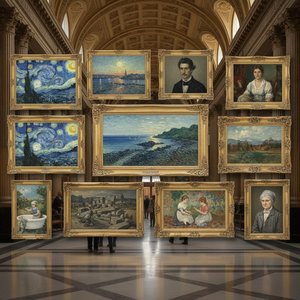
19th Century Masterpieces: 10 Paintings That Defined an Era | OriginalUniqueArt
Journey through 19th century art with OriginalUniqueArt! Explore 10 iconic paintings – from Monet & Renoir to Courbet – and discover the stories behind Romanticism, Realism & Impressionism. Find museum-quality reproductions for your home decor. Explore the full collection online!

The Enduring Legacy of Oil on Canvas: Technique, History & Aesthetic Impact
Explore the rich history & techniques of oil painting – from Renaissance masters to Impressionism. Discover pigments, layering methods, and why this timeless medium endures. Expert insights for artists & art enthusiasts.

