ბეჭდვის რეჟიმზე გადართვა
 გააგრძელეთ კითხვა







































 ნებისმიერი მხარისთვის 105 სმ-ზე (დაახლოებით 41 ინჩი) მეტი ზომის ხელოვნებული ნამუშევრების ან რეპროდუქციებისთვის, ჩარჩო მოგზავნდება დაშლილ კომპლექტში. ეს მეთოდი უზრუნველყოფს უსაფრთხო მიწოდებას და თავიდან აგაცილებთ ტრანსპორტირებისას შესაძლო დაზიანებას.


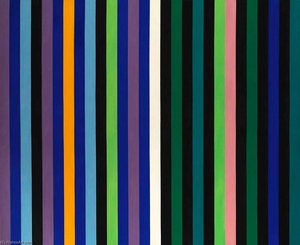
The Red Baron is a striking painting created by Gene Bernard Davis in 1966. This acrylic on canvas piece measures 200 x 103 cm and is a prime example of the artist's unique style, which blends bold colors and geometric shapes to create a visually stunning effect.
The Red Baron is a testament to the enduring power of Color Field art, and its influence can still be seen in contemporary art today. As a masterpiece of American art, it continues to inspire and delight audiences around the world.
Artist Background
Gene Bernard Davis was an American artist known for his contributions to the Color Field movement. His work often featured vertical stripes of color, which gave his paintings a sense of rhythm and energy. The Red Baron is a quintessential example of this style, with its bold red and orange hues evoking a sense of dynamism and movement.Painting Description
The Red Baron features two distinct sections: one predominantly red and the other mostly orange. The red section appears as a solid color, while the orange section has some texture and detail. This contrast between smooth and textured surfaces adds depth to the painting, making it more engaging for the viewer.Museum Collections
The Red Baron is part of the collection at the Smithsonian American Art Museum. You can find more information about this painting and other works by Gene Bernard Davis on the OriginalUniqueArt.com website.- The Red Baron is a significant work in the Gene Bernard Davis oeuvre, showcasing his unique style and contribution to the Color Field movement.
- The painting's bold colors and geometric shapes make it a visually striking piece that continues to captivate audiences today.
- As a leading figure in the Washington Color School, Gene Bernard Davis played an important role in shaping the development of American art in the mid-20th century.
The Red Baron is a testament to the enduring power of Color Field art, and its influence can still be seen in contemporary art today. As a masterpiece of American art, it continues to inspire and delight audiences around the world.
კითხვები და პასუხები
Gene Bernard Davis-ის „Red Baron“-ის ფერები მკვეთრია თუ მკრთალი?
ნამუშევრის "Red Baron" ფერების სირთულე შეადგენს Vivid Color-ს, ხოლო ინტენსივობა — Vivid-ს.
არის Gene Bernard Davis-ის „Red Baron“ პორტრეტული, პეიზაჟური თუ კვადრატული კომპოზიცია?
Gene Bernard Davis-ის „Red Baron“ არის Panoramic კომპოზიცია. ბეჭდვის ზომის შერჩევამდე ღირს პროპორციების გადამოწმება.
როგორ აბალანსებს "Red Baron" სინათლესა და სიმბნელეს?
Gene Bernard Davis-ის „Red Baron“-ისთვის დაფიქსირებული მნიშვნელობებია: brilliant სიკაშკაშე და Gentle Luminance განათება.
 წინასწარი ნახვა
 გაგზავნა
 გაზიარება
 დეტალები
 გზამკვლევი

 ჩამოტვირთვა
 მსგავსები
 რენტგენოგრაფიული კვლევა
 სლაიდშოუ
 კითხვა-პასუხი
 სტატისტიკა