
 ნახვა ინტერьерში
 გაგზავნა
 გაზიარება
 დეტალები
 გზამკვლევი

 ჩამოტვირთვა
 მსგავსები
 რენტგენოგრაფიული კვლევა
 სლაიდშოუ
 კითხვა-პასუხი
 სტატისტიკა
Self Portrait (Dedicated to Leon Trotsky)


 სრული ტექსტის ნახვა
გიკლე / ხელოვნების პრინტი
მუზეუმის დონის ჟიკლე ან ტილოზე ბეჭდვა სწრაფი წარმოებისა და დასრულების მოქნილი ვარიანტებით. ( შეიძინეთ ხელით შესრულებული ნახატი გადასვლა ციფრულ გამოსახულებაზე)




P118B ₾10

P118H ₾10

P118W ₾10

P438Z ₾10

P508JH ₾12

P508YH ₾12

P805H ₾10

P805Z ₾10

P919BZ ₾10

P919G ₾10

P919XJ ₾10

P959ZH ₾10

P968JZ ₾12

W106C ₾8

W218G ₾10

W218JH ₾8

W218Y ₾10

W307PJ ₾10

W316G ₾10

W316PJ ₾8

W316Y ₾10

W398PJ ₾8

W4111J ₾10

W500HY ₾15

W500JH ₾15

W692G ₾12

W849H ₾8

W940BG ₾15

W953PJ ₾8




აირჩიეთ ჩვენს მიერ წინასწარ განსაზღვრული ზომებიდან, რომლებიც ნაწარმოების ორიგინალურ პროპორციებს შეესაბამება.

შეიყვანეთ თქვენთვის საჭირო სიგანე და სიმაღლე, რათა იგი მოერგოს თქვენს ჩარჩოს ან კედელს. ბეჭდვისას შესაძლებელია მხოლოდ მისი შემცირება და არა გაზრდა, ამიტომ სხვა ფორმის ზომის შემთხვევაში გამოსახულება ნაწილობრივ იკარგება. სანამ რაიმეს დაბეჭდავთ, ჩვენ გამოგიგზავნით ციფრულ მაკეტს დასდასტურებლად. ამ გვერდზე ნაჩვენები სურათი არ ასახავს რეალურ ჭრას — ამას მხოლოდ მაკეტი გვიჩვენებს.
მიწოდება მთელ მსოფლიოში () 2 კვირაში, სტანდარტული 4/5 კვირის ნაცვლად. (5 ნოემბერი)

უფასო ექსპრეს მიწოდება მთელ მსოფლიოში

მაღალი ხარისხის ტილო

ტრანსპორტირების სრული დაზღვევა

საბაჟო გადასახადების დაბრუნების გარანტია

ფერების სრული შესაბამისობის გარანტია

დაბრუნების 100-დღიანი პერიოდი (მხოლოდ წარმოების დეფექტის შემთხვევაში)

100% თანხის სრული დაბრუნების გარანტია

ფასდაკლება დიდი რაოდენობით შეკვეთისას
 მინის ჩარჩოს არჩევანი ხელმისაწვდომია მხოლოდ 110 სმ-მდე ზომისთვის

Self Portrait (Dedicated to Leon Trotsky)
გიკლე / ხელოვნების პრინტი
რეპროდუქციის ზომა
-


ჯამური ღირებულება
₾ 211
A Portrait of Passion and Politics: Unveiling Frida Kahlo’s “Self Portrait (Dedicated to Leon Trotsky)”
Frida Kahlo's "Self Portrait (Dedicated to Leon Trotsky)" is more than just a painting; it’s a poignant intersection of personal drama, political fervor, and the artist’s uniquely surreal vision. Completed in 1937, this captivating work offers a glimpse into a turbulent period of Kahlo’s life – a brief but intense affair with the exiled revolutionary Leon Trotsky – while simultaneously embodying her signature blend of vulnerability and defiant strength. The painting, now housed at the National Museum of Women in the Arts in Washington D.C., continues to resonate today as a testament to Kahlo's complex personality and her profound engagement with the world around her. The scene unfolds within a richly layered interior, dominated by a heavy velvet curtain that serves as both a physical barrier and a symbolic one. Kahlo, dressed in an opulent pink gown adorned with intricate embroidery – a deliberate nod to Tehuana dress, a style associated with female warriors from the Isthmus of Tehuantepec – stands poised before this curtain, holding a bouquet of flowers and a letter addressed to Trotsky. Her face is partially veiled by a delicate headpiece, adding an air of mystery and suggesting a carefully constructed persona. The use of color is masterful; the vibrant pink contrasts sharply with the darker tones of the background, drawing immediate attention to Kahlo’s figure and emphasizing her presence within the scene. The artist's meticulous attention to detail – from the delicate folds of the fabric to the subtle shading on her face – speaks volumes about her dedication to her craft and her desire to capture every nuance of human experience. The painting is executed in oil, a medium that allowed Kahlo to build up layers of color and texture, creating a sense of depth and realism that belies the surreal elements at play. Understanding the historical context surrounding this piece is crucial to appreciating its full significance. Following the Russian Revolution, Leon Trotsky became a central figure in the burgeoning communist movement, but he was ultimately exiled by Joseph Stalin for his opposition to the latter’s policies. Seeking refuge in Mexico, Trotsky found sanctuary within the home of Diego Rivera and Frida Kahlo. Their relationship, fraught with both passion and rivalry, provided a fascinating backdrop for this particular painting. Kahlo's dedication is evident not just in the portrait itself but also in the letter she penned to Trotsky, expressing her feelings and offering a personal tribute. The inclusion of flowers symbolizes affection and devotion, while the curtain represents the boundaries between their worlds – a private intimacy shielded from public scrutiny. It’s a visual representation of the delicate balance between love, politics, and artistic expression that defined Kahlo's life. Beyond its biographical details, “Self Portrait (Dedicated to Leon Trotsky)” is deeply rooted in Kahlo’s broader artistic concerns. The painting exemplifies her signature style – a potent blend of surrealism and realism. The dreamlike quality of the setting, combined with the stark portrayal of Kahlo’s emotions, creates a powerful sense of unease and introspection. Kahlo frequently used self-portraits to explore themes of identity, pain, and mortality, often incorporating elements from Mexican folklore and pre-Columbian art into her compositions. The use of symbolism is particularly striking: the flowers represent love and beauty, while the curtain suggests both protection and confinement. Furthermore, Kahlo’s deliberate choice of attire – referencing Tehuana traditions – speaks to her embrace of Mexican identity and her desire to challenge conventional notions of femininity. The painting's enduring appeal lies in its ability to evoke a range of emotions—intrigue, curiosity, vulnerability, and defiance. It is a window into the heart and mind of one of the most iconic artists of the 20th century, offering a glimpse into her personal struggles and artistic vision. Today, reproductions of “Self Portrait (Dedicated to Leon Trotsky)” are highly sought after by art enthusiasts and collectors alike, providing an opportunity to bring this extraordinary work of art into any home or space. OriginalUniqueArt offers meticulously crafted hand-painted reproductions that faithfully capture the painting’s original beauty and emotional depth, allowing you to experience Kahlo's masterpiece in a truly authentic way.Frida Kahlo: A Biographical Overview
Born Magdalena Carmen Frida Kahlo y Calderón on July 6, 1907, in Coyoacán, Mexico City, Frida’s life was marked by both extraordinary talent and profound suffering. Her early childhood was profoundly impacted by polio, which left her with a permanent limp and a lifelong struggle with physical limitations. This experience instilled in her a deep sense of resilience and self-awareness that would later inform her artistic practice. At age six, she began to develop an interest in art, encouraged by her father, Guillermo Kahlo, who was a German-Mexican photographer. In 1925, at the age of eighteen, Frida’s life took a devastating turn when she was involved in a horrific bus accident that left her with severe injuries, including fractures to her spine, pelvis, and leg. This traumatic event fundamentally altered her physical and emotional landscape, leading to years of painful medical treatments and confinement. It was during this period of convalescence that Frida began to paint seriously, using art as a means of processing her pain and exploring her inner world. Her marriage to the renowned muralist Diego Rivera in 1929 further shaped her life and artistic trajectory, bringing both joy and conflict into her existence. Kahlo’s work became increasingly personal and introspective, reflecting her experiences with love, loss, identity, and the complexities of Mexican culture. She died on July 13, 1954, leaving behind a legacy as one of the most important and influential artists of the 20th century.კითხვები და პასუხები
როგორ არის ისტორიულად განსაზღვრული "Self Portrait (Dedicated to Leon Trotsky)"?
ისტორიულად, „Self Portrait (Dedicated to Leon Trotsky)“ არის უფრო ფართო თანამედროვე ეპოქა ეპოქის Surrealism ნამუშევარი.
რომელ სტილს მიეკუთვნება "Self Portrait (Dedicated to Leon Trotsky)"?
ფრიდა კახლო-ის „Self Portrait (Dedicated to Leon Trotsky)“ მიეკუთვნება Surrealism სტილის მიმდევრობას. ეს მიმდევრობა ნამუშევარს სტილისტურ კონტექსტს სძენს.
ვინ არის „Self Portrait (Dedicated to Leon Trotsky)“-ის ავტორი?
„Self Portrait (Dedicated to Leon Trotsky)“ მიკუთვნებულია ფრიდა კახლო-ს.
მხატვრის ბიოგრაფია
ფრიდა კახლოს ცხოვრება და შემოქმედება: ტკივილისაგან შთამომავალი ხელოვნება
ფრიდა კახლო, ანუ მაგდალენა კარმენ ფრიდა კახლო ი კალდერონი, იყო მეოცე საუკუნის ერთ-ერთი ყველაზე აღიარებულ მხატვრად. მისი ნაწარმოებები დღემდე აინტერესებს მსოფლიოს და წარმოადგენს ტკივილის, სიმტკიცისა და თვითგამოხატვის უნიკალურ სინთეზს. დაიბადა 1907 წლის 6 ივლისს მექსიკის ქალაქ კოიოკანში, ცნობილ სახლში, რომელიც დღეს ფრიდა კახლოს მუზეუმად არის გახსნილი. მისი მამა იყო გერმანული წარმოშობის ფოტოგრაფი გვილერმო კახლო, ხოლო დედა – მექსიკელი ქალი, მათილდე კალდერონი. ფრიდას ბავშვობა არ ყოფილა მარტივი; ექვს წლის ასაკში მან პოლიომიოლოგიური დაავადება გადაიტანა, რამაც მისი ფიზიკური განვითარებაზე უარყოფითი გავლენა მოახდინა. თუმცა, ეს ტრაგედია არ გახადა დაბრკოლებად მისთვის, პირიქით, მას ხელოვნებისაკენ მიმართა.ტრაგედია და შემოქმედების გაჩენა
ფრიდას ცხოვრების უმნიშვნელოვანესი მომენტი 1925 წელს მოხდა, როდესაც ავტობუსის საგზაო შემთხვევას გადახდა. ეს ტრაგედია მის სხეულს მძიმე დაზიანებებს მიუყენა – ხერხემლის, თ pelvisისა და კიდურების მრავალი ფრაქტურები. უმეტესი დრო იწვა საწოლში, რაც ხელოვნებას მისი გადასარჩენად აქცია. სწორედ ამ პერიოდში დაიწყო თვითპორტრეტების აქტიური შექმნა, რომელთა საშუალებითაც იგი ცდილობდა გაეზიარებინა თავისი ტკივილი, შიშები და იმედგვრებები სამყაროსთან. მისი დედამ სპეციალური სტენდი მოაწყო, რათა ფრიდასთვის საწოლში მდგომარეობით გამხატველი საშუალება ჰქონოდა. თვითპორტრეტებში იგი ხშირად απεικονებდა საკუთარ თავს სიმბოლოებით გარემომცველ ტყეებს შორის, რაც მის შინაგანი სამყაროსა და გრძნობების გამოხატვას წარმოადგენს.დიეგო რივერასთან ურთიერთობა და შემოქმედების განვითარება
1929 წელს ფრიდა კახლო ცოლად გაჰყვა გამოჩენილ მექსიკელ მოზაიკურ მხატვრს, დიეგო რივერას. მათი ქორწინება იყო apasionado და ტრაგიკული, სავსე ინტრიგებით, უწესოებრივი ურთიერთობებითა და შემოქმედებით კონფლიქტებით. თუმცა, ეს ურთიერთობა ფრიდას ხელოვნების განვითარებაში მნიშვნელოვან როლს ასრულებდა. დიეგოს მხატვრული რჩევები და მისი გავლენა უზრუნველყოფილი იყო, რაც მის ნაწარმოებებს უფრო ძლიერი და გამოხატვის საშუალებათაგან მდიდარი გახადა. ფრიდას სტილი თანდათან ვითარდებოდა, შერწყმულად იყენებდა მექსიკული ხალხური ხელოვნების ელემენტებს, რეალიზმს და სურრეალიზმის მოტივებს. მისი ნამუშევრები ხშირად აღწევს სიმბოლურობას, სადაც ტკივილი, სიკვდილი, იდენტობა და ქალის გამოცდილებაა ასახული.მემკვიდრეობა და მნიშვნელობა
ფრიდა კახლოს შემოქმედება დღეს აღიარებულია მსოფლიო ხელოვნების ერთ-ერთ უმნიშვნელოვანეს ნაწილად. მისი ნამუშევრები არა მხოლოდ მხატვრული ღირებულებისაა, არამედ წარმოადგენს ტკივილის, სიმტკიცისა და თვითგამოხატვის უნიკალურ გამოხატულებას. იგი იყო ქალი, რომელმაც გაბედავებით აღიარა საკუთარი ტკივილი და სისუსტე, რაც მის ხელოვნებას უაღრესად პირად და გულწრფელ ხასიათს მატებს. ფრიდას ცხოვრება და შემოქმედება განაგებდა ქალთა უფლებების დამცველთა მოძრაობას, ხოლო მისი მექსიკული კულტურისადმი სიყვარული და პატივისცემა ხელმისაწვდომი გახადა ეს კულტურა მსოფლიოსთვის. მისი სახელი დღესდღეობით სიმბოლოდია გამორჩეული ინდივიდისთვის, რომელიც უარის თქმას არ იტოვებს საკუთარი ხედვის მისაღწევად და ტკივილს გადამ胜ის საშუალებად აქცევს.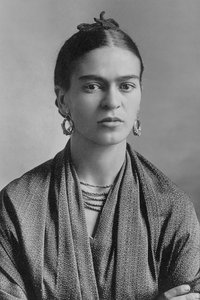
ფრიდა კახლო
1907 - 1954 , მექსიკა
მოკლე ფაქტები
- Artistic Movement Or Style: სურრეალიზმი, ფოლკლორული ხელოვნება
- Artists Or Movements Influenced By This Artist:
- ჩიკანო ხელოვნება
- ფემინისტური ხელოვანი
- Artists Who Influenced This Artist:
- მექსიკელი ფოლკლორისტი ხელოვანი
- ევროპული რენესანსის მხატვრები
- Date Of Birth: 1907 წლის 6 ივლისი
- Full Name: მადალენა კარმენ ფრიდა კახლო ჲ კალდერონი
- Nationality: მექსიკელი
- Notable Artworks:
- ორი ფრიდა
- თიხისფილებით მორწყული ავტოპორტრეტი
- ღრმავარდებული სვეტი
- ჰენრი ფორდის ჰოსპიტალი
- Place Of Birth: კoyoაკანი, მექსიკა
მსგავსი სტატიები
Unveiling Frida Kahlo: A Journey Through Her Most Iconic Masterpieces and the Soul of Mexican Surrealism
Embark on a profound journey through Frida Kahlo's most iconic masterpieces. Discover the deep symbolism, Mexican heritage, and resilient spirit behind her legendary works in this expert art-historical exploration designed for true art enthusiasts.
Frida Kahlo: A Life Painted – Surrealism, Identity & Autobiographical Narrative
Explore the life & art of Frida Kahlo – a journey through surrealism, identity, pain, and resilience. Discover her autobiographical masterpieces & lasting feminist legacy with OriginalUniqueArt.
Revolution on Canvas: Exploring the Socio-Political Power & Artistic Legacy of Mexican Muralism
Explore the powerful world of Mexican muralism! Discover Diego Rivera, Frida Kahlo & Orozco's revolutionary art, social impact & lasting legacy. Expert insights & high-quality reproductions at OriginalUniqueArt.

The Inner Landscape: Exploring Themes of Introspection in Visual Art Across Movements & Eras
Explore the captivating world of introspective art! Discover how artists across eras – from Rembrandt to Kahlo – used self-portraiture to reveal their inner worlds and emotional depths. A journey through art history & psychology.

სურნეალიზმის 10 შედევრი: ხელოვნების განცვიფრებულ სამყველში
აღმოფრთოვანდით სურნეალიზმის 10 უმშვენიერეს შედევრს! დალი, მაგრიტი და სხვა მხატვრების საოცარი სამყველო. ითვლით ხელოვნების ისტორიას და შეიძინეთ музейური ხარისხის ტილოები OriginalUniqueArt-ზე. აღმოაჩინეთ ყველა შედევრი ონლაინ!


