

 წინასწარი ნახვა
 გაგზავნა
 გაზიარება
 დეტალები

 ჩამოტვირთვა
 მსგავსები
 რენტგენოგრაფიული კვლევა
 სლაიდშოუ
 სტატისტიკა
Burning tree stump
 Oil On Canvas
- WallArt
- Abstract Expressionism
 1968
1968- Modern
 57.0 x 76.0 cm
 National Gallery of Victoria
 გადასართად დაწვრილებით ნახეთ
ხელით ნაკვეთი ზეთის ტილოს რეპროდუქცია
ტილოზე შესრულებული ფერწერიანი ზეთប្រდათი, თქვენთვის სასურველი ზომისა და ჩარჩოსთვის, ჩვენი ხელოვანების მიერ შეკვეთის საფუძველზე დამზადებული. ( გადართვა ბეჭდზე გადასვლა ციფრულ გამოსახულებაზე)




P118B $10

P118H $10

P118W $10

P438Z $10

P508JH $12

P508YH $12

P805H $10

P805Z $10

P919BZ $10

P919G $10

P919XJ $10

P959ZH $10

P968JZ $12

W106C $8

W218G $10

W218JH $8

W218Y $10

W307PJ $10

W316G $10

W316PJ $8

W316Y $10

W398PJ $8

W4111J $10

W500HY $15

W500JH $15

W692G $12

W849H $8

W940BG $15

W953PJ $8




აირჩიეთ ჩვენს მიერ წინასწარ განსაზღვრული ზომებიდან, რომლებიც ნაწარმოების ორიგინალურ პროპორციებს შეესაბამება.

თქვენ შეგიძლიათ მიუთითოთ თქვენთვის სასურველი ზომები კონკრეტული ჩარჩოს ან სივრცის შესაბამისად. თუ თქვენ მიერ არჩეული ზომა არ შეესაბამება ორიგინალი გამოსახულების პროპორციებს, ჩვენ ან შევაჭრებთ ნაწარმოებს, ან ტილოზე დავამატებთ ხელით მოხატულ ელემენტებს. წარმოების დაწყებამდე, დამტკიცებისთვის გამოგეგზავნებათ ციფრული მაკეტი.
გთხოვთ, გაითვალისწინოთ, რომ ეკრანზე ნაჩვენები წინასწარი შეხედულება არ ასახავს რეალურ შეჭრას ან გაფართოებას. საბოლოო კომპოზიციას ზუსტად მხოლოდ მაკეტი წარმოაჩენს.
მიუხედავად იმისა, რომ შესაძლებელია ინდივიდუალური ზომების შერჩევა, ორიგინალური პროპორციების შენარჩუნებისათვის გირჩევთ, გამოიყენოთ წინასწარ განსაზღვრული სიის ზომები.
შეკვეთის შემდეგ, OriginalUniqueArt.com გუნდი დაგიკავშირდებათ ელექტრონული ფოსტით ინსტრუქციებისთვის და გამოგიგზავნით წინასწარ ნახაზს (mockup).
მიწოდება მსოფლიო მასშტაბით -ში 3/4 კვირაში, სტანდარტული 5 კვირის ნაცვლად. (13 სექტემბერი). ხარისხზე კომპრომისის გაკეთება არ მოხდება.

უფასო ექსპრეს მიწოდება მთელ მსოფლიოში

საბამად მაღალი ხარისხის ტილო

სრული ტრანსპორტირების დაზღვევა

საბაჟო გადასახადების დაბრუნების გარანტია

ფერების სრული შესაბამისობის გარანტია

დაბრუნების 100-დღიანი პოლიტიკა (მხოლოდ დეფექტის შემთხვევაში)

100% თანხის დაბრუნების გარანტია

ფასდაკლება დიდი რაოდენობით შეკვეთისას
 მინის ჩარჩოს არჩევანი ხელმისაწვდომია მხოლოდ 110 სმ-ზე ნაკლები ზომისთვის

Burning tree stump
რეკლამაციის ტექნიკა
რეკლამაციის ზომა
-


საბოლოო ფასი
$ 575
The Embers of Memory: Reimagining Fred Williams
In the evocative depths of "Burning Tree Stump" (1968), the viewer is not merely observing a landscape, but is instead pulled into the visceral heart of an Australian bushfire. Frederick Ronald Williams, one of Australia’s most profound twentieth-century landscapists, achieves here a masterful synthesis of abstract expressionism and raw, elemental truth. The painting does not rely on the literal depiction of flame or smoke; rather, it utilizes a sophisticated language of layered forms and muted tones to capture the very essence of destruction and rebirth. As the eye wanders across the canvas, one encounters a densely populated scene where shapes emerge from a field like ghosts of the bush, creating a sense of movement that is both chaotic and strangely rhythmic.
The technique employed by Williams is nothing short of hypnotic. Utilizing a wet-on-wet approach, he allows oil paints to bleed and merge directly upon the canvas, a method that facilitates the organic, amorphous shapes that define this piece. There is a beautiful tension between thick, tactile impasto patches and delicate, translucent washes, providing a structural depth that invites close inspection. The perspective is intentionally flattened, eschewing traditional linear depth in favor of a gestural abstraction where space is suggested through shifts in color density and the overlapping of organic forms. This creates an immersive experience, as if the viewer is standing amidst the swirling heat and settling ash of a landscape in transition.
A Palette of Somber Elegance
For the discerning collector or interior designer, the color story of "Burning Tree Stump" offers a sophisticated anchor for any high-end space. The palette is dominated by a soulful arrangement of muted browns, charcoal grays, and soft off-whites, evoking the scorched earth and heavy skies of an overcast Australian afternoon. Yet, within this somber atmosphere, Williams introduces subtle, unexpected punctuations of blue and hints of crimson. These small splashes of color act as emotional sparks, preventing the composition from becoming static and instead imbuing it with a flickering, living energy.
Beyond its aesthetic brilliance, the painting carries a profound symbolic weight. It speaks to the collective experience of a continent shaped by fire, touching upon themes of anonymity, resilience, and the disorientation of nature's most powerful forces. The way the figures—or perhaps they are merely fragments of trees and earth—cluster in the foreground creates a sense of being part of a larger, shared consciousness. To possess a reproduction of this work is to bring more than just decoration into a room; it is to invite a conversation about history, the raw power of the natural world, and the enduring beauty found within the aftermath of change.
მხატვრის ბიოგრაფია
**early life and training**
fred williams, one of australia's most renowned artists, was born on january 23, 1927, in richmond, a suburb of melbourne. his early life led him to an apprenticeship with a company fitting out shops and making boxes. however, his true passion lay in the arts. at 16, he began taking classes at the national gallery school under william dargie, and later studied painting with george bell, a modernist painter.**artistic development and influences**
williams' early work was characterized by small-scale figurative pieces, often depicting elements of london life and music hall performers. his time in london from 1950 to 1956, studying at the chelsea school of art and taking an etching course at the central school of arts and crafts, significantly influenced his style. he was particularly drawn to the work of cézanne, which can be seen in his later landscape paintings.**notable exhibitions and achievements**
* **fred williams - landscapes of a continent** at the museum of modern art in new york (1977) * over 70 solo exhibitions in australian galleries * featured in recent australian painting at the whitechapel gallery, london, and australian painting: colonial, impressionism, modern at the tate gallery**artistic legacy**
williams' transition to landscape painting upon his return to melbourne in 1957 marked a significant turning point in his career. his etchings, which he began producing during his time in london, also showcased his versatility as an artist.- key works: * sandridge (part of the national gallery of australia's collection) * capriccio with ruins of the roman forum (featured in the art gallery of south australia)
- museums featuring his work: * national gallery of victoria (melbourne, australia) * art gallery of new south wales (sydney, australia) * art gallery of south australia (adelaide, australia)
- online resources: * [https://OriginalUniqueArt.com/@/fredwilliams](https://OriginalUniqueArt.com/@/fredwilliams) - view his artworks and biography on OriginalUniqueArt * [https://www.wikiart.org/en/fred-williams](https://www.wikiart.org/en/fred-williams) - explore more of his paintings and legacy
**conclusion**
frederick ronald williams, known for his captivating landscape paintings, left an indelible mark on the australian art scene. his journey from a humble apprenticeship to becoming one of the country's most celebrated artists is a testament to his dedication and passion for the arts. **important dates:** * january 23, 1927 - born in richmond, melbourne * april 22, 1982 - passed away at the age of 55
frederick ronald williams
1927 - 1982 , Australia
მოკლე ინფორმაცია
- Artistic Movement Or Style: Landscape Painting; Etching; Modernist Painter
- Artists Who Influenced This Artist: Cézanne
- Date Of Birth: January 23, 1927
- Full Name: Frederick Ronald Williams
- Nationality: Australian
- Notable Artworks:
- Sandridge
- Capriccio with ruins of the roman forum
- Place Of Birth: Richmond, Australia
დაკავშირებული სტატიები
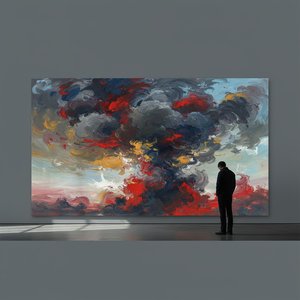
Beyond Representation: Exploring the Emotional Landscape of Abstract Expressionism
Explore the profound emotional world of Abstract Expressionism with OriginalUniqueArt. Discover key artists like Pollock & Rothko, learn about collecting, and find museum-quality reproductions to inspire your space.

Kandinsky's Masterpieces: 25 Paintings That Define Abstract Art | OriginalUniqueArt
Journey through Wassily Kandinsky's 25 most iconic abstract paintings. Explore his revolutionary use of color, form & spiritual expressionism. Find museum-quality Kandinsky reproductions and elevate your home decor with OriginalUniqueArt.com. Discover all masterpieces on OriginalUniqueArt.com!
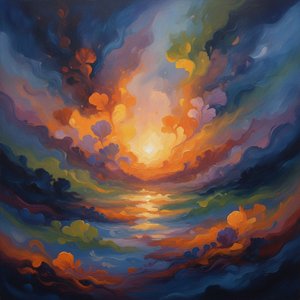
The Soul of Color: A Journey into the Emotional Resonance of Lyrical Abstraction
Embark on a cultural journey through Lyrical Abstraction. Explore how masters like Kandinsky used color and motion to translate emotion into visual poetry. Discover the profound beauty of abstract expressionism and learn to curate emotional resonance in your own art collection.
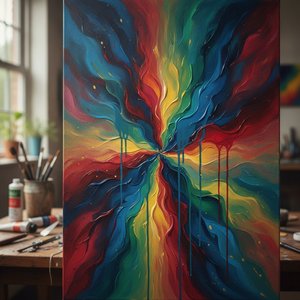
Lyrical Abstraction: The Emotional Power of Color and Form in Modern Art History
Explore the profound emotional depth of Lyrical Abstraction. Discover how masters like Raymond Parker used color and form to bridge Impressionism and Abstract Expressionism. Learn about this pivotal movement through our expert-led art history guide.

შექსտროფული გამოხატვის აბსტრაქციზმის 10 შედევრი: ხელოვნება თქვენი სახლისთვის
აღმოფრთოვანდით აბსტრაქტული გამოხატვისმანიერიზმის 10 უმშვენიერეს შედევრთან! ვასელის, პოლ locks-ის და სხვა ცნობილი მხატვრების ისტორიები. შეიძინეთ მაღალი ხარისბის ხელოვნების რეპროდუქციები OriginalUniqueArt.com-ზე და შეცვალეთ თქვენი სახლი!