

 წინასწარი ნახვა
 გაგზავნა
 გაზიარება
 დეტალები

 ჩამოტვირთვა
 მსგავსები
 რენტგენოგრაფიული კვლევა
 სლაიდშოუ
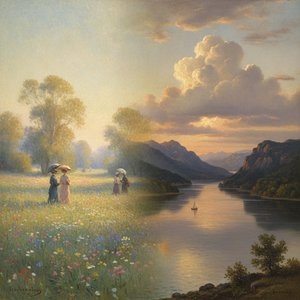
On the Snake River, Oregon


 გადასართად დაწვრილებით ნახეთ
გიკლე / ხელოვნების პრინტი
მუზეუმის დონის ჟიკლე ან ტილოზე ბეჭდვა სწრაფი წარმოებისა და დასრულების მოქნილი ვარიანტებით. ( შეიძინეთ ხელით შესრულებული ნახატი შეიძინეთ გამოსახულება)




P118B $10

P118H $10

P118W $10

P438Z $10

P508JH $12

P508YH $12

P805H $10

P805Z $10

P919BZ $10

P919G $10

P919XJ $10

P959ZH $10

P968JZ $12

W106C $8

W218G $10

W218JH $8

W218Y $10

W307PJ $10

W316G $10

W316PJ $8

W316Y $10

W398PJ $8

W4111J $10

W500HY $15

W500JH $15

W692G $12

W849H $8

W940BG $15

W953PJ $8




აირჩიეთ ჩვენს მიერ წინასწარ განსაზღვრული ზომებიდან, რომლებიც ნაწარმოების ორიგინალურ პროპორციებს შეესაბამება.

თქვენ შეგიძლიათ მიუთითოთ საკუთარი ზომები კონკრეტული ჩარჩოსთვის ან სივრცისთვის მოსარგებლებლად. თუ თქვენ მიერ არჩეული ზომა არ შეესაბამება ორიგინალი გამოსახულების პროპორციებს, ჩვენ ან დავჭრით ნამუშევარს, ან გავაფართოვებთ გამოსახულებას სარკული ან ერთფეროვანი კიდეებით. წარმოების დაწყებამდე თქვენს დასამტკიცებლად გამოგეგზავნებათ ციფრული მაკეტი.
გთხოვთ, გაითვალისწინოთ, რომ ეკრანზე ნაჩვენები წინასწარი ნახვა არ ასახავს რეალურ ჭრას ან გაფართოებას. მხოლოდ მაკეტზე იქნება ზუსტად წარმოდგენილი საბოლოო კომპოზიცია.
მიუხედავად იმისა, რომ ინდივიდუალური ზომები ხელმისაწვდომია, ორიგინალური პროპორციების შესანარჩუნებლად გირჩევთ, აირჩიოთ ზომა წინასწარ განსაზღვრული სიისგან.
მიწოდება მთელ მსოფლიოში () 2 კვირაში, სტანდარტული 4/5 კვირის ნაცვლად. (28 აგვისტო)

უფასო ექსპრეს მიწოდება მთელ მსოფლიოში

საბამად მაღალი ხარისხის ტილო

სრული ტრანსპორტირების დაზღვევა

საბაჟო გადასახადების დაბრუნების გარანტია

ფერების სრული შესაბამისობის გარანტია

60-დღიანი დაბრუნების პოლიტიკა (მხოლოდ დეფექტის შემთხვევაში)

100% თანხის დაბრუნების გარანტია

ფასდაკლება დიდი რაოდენობით შეკვეთისას
 მინის ჩარჩოს არჩევანი ხელმისაწვდომია მხოლოდ 110 სმ-ზე ნაკლები ზომისთვის

On the Snake River, Oregon
გიკლე / ხელოვნების პრინტი
რეკლამაციის ზომა
-


საბოლოო ფასი
$ 80
A Moment Frozen in Time: Frederick Childe Hassam’s “On the Snake River, Oregon”
Frederick Childe Hassam's "On the Snake River, Oregon," painted in 1904, isn’t merely a depiction of a riverbank; it’s an immersive experience. It captures a fleeting moment of serenity nestled within the vastness of the American West – a scene brimming with quiet contemplation and the subtle drama of light and shadow. The painting immediately draws the eye to the shimmering expanse of the Snake River, its surface reflecting the azure sky above, dotted with wisps of cloud that seem poised to drift into the canvas itself. The mountains in the distance aren’t imposing monoliths, but rather softened by atmospheric perspective, lending a sense of gentle grandeur and reinforcing the feeling of being enveloped by nature's scale.
Hassam, a pivotal figure in American Impressionism, masterfully employed loose brushstrokes and a vibrant palette to evoke an atmosphere far richer than simple representation. He wasn’t interested in photographic accuracy but rather in conveying the *feeling* of the scene – the warmth of the sun on the water, the coolness of the air, the sense of openness and freedom. His technique is characterized by broken color—small, distinct strokes layered upon each other to create a luminous effect, particularly noticeable in the reflections on the river’s surface. This deliberate fragmentation of color contributes significantly to the painting's overall vibrancy and dynamism.
The Artist and His Time: Hassam’s American Impressionism
Born in Boston in 1859, Frederick Childe Hassam’s artistic journey was one of self-discovery. Initially working as an illustrator for prominent magazines like *Harper's Weekly*, he honed his observational skills and developed a keen eye for capturing the nuances of everyday life. His brief sojourn to Europe in 1886 exposed him to the revolutionary techniques of Impressionism, particularly the work of Monet and Renoir, which profoundly influenced his style. Hassam returned to America with a renewed commitment to painting landscapes and cityscapes, becoming one of the leading proponents of this burgeoning movement.
Hassam’s art reflects the spirit of late 19th-century America – a period of rapid industrialization and westward expansion. He wasn't simply documenting the landscape; he was attempting to capture its essence, its beauty, and its inherent connection to the human experience. His paintings often feature ordinary people engaged in everyday activities—fishing, picnicking, or simply enjoying the tranquility of nature – subtly reminding us of our place within this vast and evolving nation.
Symbolism and Emotional Resonance
Beyond its technical brilliance, “On the Snake River, Oregon” resonates with a profound sense of peace and solitude. The scattered figures along the riverbank—a family enjoying a picnic, a lone fisherman casting his line—suggest a connection to nature and a celebration of simple pleasures. The composition itself is carefully balanced, drawing the eye towards the distant mountains while simultaneously anchoring it in the immediate scene. There’s an underlying current of nostalgia, perhaps for a bygone era of westward exploration and frontier life.
The painting's title—"On the Snake River, Oregon"—is deliberately understated, allowing the image to speak for itself. It invites us to contemplate the river’s role as a vital artery of the American West, connecting people and places while simultaneously offering a refuge from the demands of modern life. The light, particularly the golden glow reflecting off the water, evokes feelings of warmth, optimism, and a deep appreciation for the beauty of the natural world.
A Legacy in Reproduction: Bringing Hassam’s Vision to Life
Reproductions of “On the Snake River, Oregon” offer a remarkable opportunity to experience Hassam's artistry firsthand. Carefully crafted by skilled artisans using high-quality materials and meticulous attention to detail, these reproductions faithfully capture the painting’s luminous colors, delicate brushstrokes, and evocative atmosphere. Whether adorning a living room wall or gracing a corporate office, this artwork serves as a timeless reminder of the beauty and tranquility of the American West – a testament to Frederick Childe Hassam's enduring legacy.
მხატვრის ბიოგრაფია
A Pioneer of American Impressionism: The Life and Art of Frederick Childe Hassam
Frederick Childe Hassam, born October 17, 1859, in Dorchester, Boston, Massachusetts, stands as a cornerstone of American Impressionism—a movement that irrevocably transformed the landscape of artistic expression at the turn of the century. His journey from youthful fascination with art to becoming one of the nation’s most celebrated painters is an inspiring tale of perseverance, intellectual curiosity, and unwavering devotion to capturing the beauty inherent in everyday life. Unlike many artists of his era who pursued formal training exclusively abroad, Hassam cultivated his skills primarily through self-study and practical experience—a path that instilled within him a profound understanding of observation and narrative—qualities which would define his distinctive artistic style for decades to come. Initially employed as an illustrator for publications like *Harper’s Weekly* and *Scribner’s Monthly*, Hassam honed his observational abilities and developed a knack for portraying scenes with vivid detail and emotional resonance.Early Years: Roots in Boston and Artistic Beginnings
Hassam's formative years were steeped in the intellectual ferment of Boston—a city renowned for its vibrant artistic community and scholarly institutions. His father, Frederick Fitch Hassam (1825–1880), a cutlery businessman with considerable wealth, fostered an environment that encouraged artistic pursuits. Rosa Delia Hawthorne (1832–1880), Hassam’s mother—a descendant of Nathaniel Hawthorne—shared an ancestor with the celebrated novelist, reflecting the cultural heritage of New England. From a young age, Hassam demonstrated an undeniable inclination toward drawing and watercolor, receiving instruction at The Mather School—a testament to his parents' commitment to nurturing his talent. Despite their initial reluctance to prioritize art alongside business responsibilities, Hassam’s passion persisted, shaping his artistic trajectory throughout his life. His family’s collection of antiques and artworks served as an early stimulus for his aesthetic sensibilities, exposing him to diverse visual traditions and fostering a lifelong appreciation for beauty.Influences and Artistic Development: From Paris to New York
Hassam's artistic vision was profoundly shaped by encounters with European Impressionists—particularly Claude Monet and Edgar Degas—during his brief but formative sojourn in Paris between 1886 and 1889. He embraced the Impressionist principles of capturing fleeting moments and atmospheric effects, prioritizing luminous color palettes and loose brushstrokes over meticulous detail. However, Hassam refused to merely imitate European techniques; he skillfully adapted them to depict distinctly *American* experiences—scenes of urban life, coastal landscapes, and domestic interiors—transforming commonplace subjects into canvases brimming with emotion and artistic innovation. His decision to return to Boston solidified his commitment to capturing the spirit of American culture, establishing him as a central figure in the burgeoning Impressionist movement within the United States.The Flag Paintings: Patriotism and Artistic Expression
The outbreak of World War I ignited Hassam’s creative fervor, propelling him toward an ambitious project that would become synonymous with his artistic legacy—the “Flag” paintings. Between 1916 and 1919, he embarked on a series of canvases depicting American flags waving proudly along Fifth Avenue in New York City—a poignant response to the anxieties and aspirations of wartime America. These paintings transcend mere depictions of national symbols; they embody a powerful expression of civic pride and solidarity—capturing the palpable energy and optimism that characterized the era. Hassam’s masterful manipulation of color and light elevates these images beyond simple patriotism, transforming them into evocative representations of human emotion and artistic contemplation. The Flag Paintings stand as enduring emblems of American idealism and artistic achievement—a testament to Hassam's ability to infuse his art with profound meaning and lasting impact. ## Legacy: An Enduring Influence on American Art Frederick Childe Hassam passed away August 27, 1935, in East Hampton, New York, leaving behind an unparalleled body of work—over 3,000 paintings, oils, watercolors, etchings, and lithographs that continue to inspire artists and captivate audiences worldwide. His contribution to American Impressionism is undeniable—he championed a distinctive artistic style characterized by luminous color palettes and expressive brushwork, establishing it as a prominent voice within the broader landscape of modern art. Hassam’s unwavering dedication to capturing the beauty of everyday life—from bustling cityscapes to tranquil coastal vistas—remains remarkably relevant today. His influence can be discerned in the works of countless artists who followed him, securing his place as one of the most important figures in American artistic history—a true pioneer whose vision continues to illuminate the path for future generations of painters.
ფრენსის კილდი ჰასამი
1859 - 1935 , สหรัฐอเมริกา
მოკლე ინფორმაცია
- Artistic Movement Or Style: იმპრესიონიზმი და ტონალიზმი
- Artists Or Movements Influenced By This Artist: ['ამერიკელი იმპრესიონიზმი']
- Artists Who Influenced This Artist: ['კლოდ მონეტი']
- Date Of Birth: ოქტომბერი 17, 1859
- Date Of Death: აგვისტო 27, 1935
- Full Name: Frederick Childe Hassam
- Nationality: ამერიკელი
- Notable Artworks:
- მაიდსი ინ მით სტიქს პრესი
- მთ ბიაკონი ატ ნიუ ბორკი
- დიჯელ ბოქსი სტიქს პრესი
- Głლასტერ სტიქს პრესი
- სონატა სტიქს პრესი
- გამარჯეობის დღე მ აი 1919
- Place Of Birth: ბოსტონი, აშშ
დაკავშირებული სტატიები

Frederick Childe Hassam: American Impressionism's Chronicler of Light & Modern Life
Explore the captivating world of Frederick Childe Hassam, a pioneer of American Impressionism. Discover his iconic paintings capturing light, urban life & coastal beauty. Learn about his legacy and influence on American art history.

Evocations of Place: A Historical Journey Through Landscape Art
Explore the rich history of landscape art with OriginalUniqueArt. Discover renowned artists, movements like Impressionism & tonalism, and expert guidance for collecting timeless pieces. Find your perfect serene escape today!

Evocations of Place: A Historical Journey Through Landscape Art
Explore the rich history of landscape art with OriginalUniqueArt. Discover renowned artists, movements like Impressionism & Romanticism, and expert guidance for collecting timeless pieces. Find your perfect serene escape today!
Capturing the Light: A Journey Through the Soul of American Impressionism and the Hudson River School
Explore the luminous beauty of American Impressionism and the Hudson River School. Discover a curated journey through light, landscape, and history, celebrating the enduring legacy of masters through exquisite, hand-painted oil reproductions for the discerning art lover.

Flowing Narratives: Rivers in Painting – A Historical Exploration
Explore the rich history of rivers in painting! Discover masterpieces from ancient times to Impressionism & beyond. Learn about symbolism, artists like Monet & Daubigny, and find your perfect serene artwork at OriginalUniqueArt.



