

 ნახვა ინტერьерში
 გაგზავნა
 გაზიარება
 დეტალები
 გზამკვლევი

 ჩამოტვირთვა
 მსგავსები
 რენტგენოგრაფიული კვლევა
 სლაიდშოუ
 სტატისტიკა
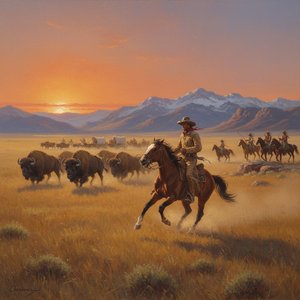
The Cowboy


 სრული ტექსტის ნახვა
გიკლე / ხელოვნების პრინტი
მუზეუმის დონის ჟიკლე ან ტილოზე ბეჭდვა სწრაფი წარმოებისა და დასრულების მოქნილი ვარიანტებით. ( შეიძინეთ ხელით შესრულებული ნახატი გადასვლა ციფრულ გამოსახულებაზე)




P118B ₾10

P118H ₾10

P118W ₾10

P438Z ₾10

P508JH ₾12

P508YH ₾12

P805H ₾10

P805Z ₾10

P919BZ ₾10

P919G ₾10

P919XJ ₾10

P959ZH ₾10

P968JZ ₾12

W106C ₾8

W218G ₾10

W218JH ₾8

W218Y ₾10

W307PJ ₾10

W316G ₾10

W316PJ ₾8

W316Y ₾10

W398PJ ₾8

W4111J ₾10

W500HY ₾15

W500JH ₾15

W692G ₾12

W849H ₾8

W940BG ₾15

W953PJ ₾8




აირჩიეთ ჩვენს მიერ წინასწარ განსაზღვრული ზომებიდან, რომლებიც ნაწარმოების ორიგინალურ პროპორციებს შეესაბამება.

შეიყვანეთ თქვენთვის საჭირო სიგანე და სიმაღლე, რათა იგი მოერგოს თქვენს ჩარჩოს ან კედელს. ბეჭდვისას შესაძლებელია მხოლოდ მისი შემცირება და არა გაზრდა, ამიტომ სხვა ფორმის ზომის შემთხვევაში გამოსახულება ნაწილობრივ იკარგება. სანამ რაიმეს დაბეჭდავთ, ჩვენ გამოგიგზავნით ციფრულ მაკეტს დასდასტურებლად. ამ გვერდზე ნაჩვენები სურათი არ ასახავს რეალურ ჭრას — ამას მხოლოდ მაკეტი გვიჩვენებს.
მიწოდება მთელ მსოფლიოში () 2 კვირაში, სტანდარტული 4/5 კვირის ნაცვლად. (21 ოქტომბერი)

უფასო ექსპრეს მიწოდება მთელ მსოფლიოში

მაღალი ხარისხის ტილო

ტრანსპორტირების სრული დაზღვევა

საბაჟო გადასახადების დაბრუნების გარანტია

ფერების სრული შესაბამისობის გარანტია

დაბრუნების 100-დღიანი პერიოდი (მხოლოდ წარმოების დეფექტის შემთხვევაში)

100% თანხის სრული დაბრუნების გარანტია

ფასდაკლება დიდი რაოდენობით შეკვეთისას
 მინის ჩარჩოს არჩევანი ხელმისაწვდომია მხოლოდ 110 სმ-მდე ზომისთვის

The Cowboy
გიკლე / ხელოვნების პრინტი
რეპროდუქციის ზომა
-


ჯამური ღირებულება
₾ 209
A Pioneer's Vision: Frederic Remington’s “The Cowboy”
Frederic Sackrider Remington (1861-1909) wasn’t merely an artist; he was a chronicler of the vanishing West, capturing its rugged beauty and spirit with unparalleled conviction. Born in Canton, New York, his artistic journey began not amidst the sprawling plains but within the confines of Eastern academia – a surprising contrast that fueled his fascination for the frontier experience. His lineage traced back to French Basque ancestry blended with Republican New England values, shaping him into an individual driven by both intellectual curiosity and a profound connection to the American landscape. This formative influence would ultimately propel him to become arguably the most recognizable artist of his era, cementing his legacy as a pivotal figure in Western art history. Early exposure to military themes instilled within Remington a disciplined eye for detail and storytelling—skills he honed during his service in Cuba and later as a cavalry officer – experiences that profoundly impacted his artistic sensibilities. He moved to Bloomington, Illinois, then Ogdensburg, New York, establishing himself as a family man while simultaneously nurturing his burgeoning passion for capturing the essence of the American West. Remington’s artistic breakthrough arrived with “The Cowboy,” painted in 1902 and now housed prominently within the Frederic Remington Art Museum in Ogdensburg, New York—a monumental canvas that encapsulates the grandeur and drama of the era.Style and Technique: Romantic Realism
Remington's approach to painting defied easy categorization; he embraced what is often termed “Romantic Realism.” Unlike Impressionists who sought fleeting moments of light and color, Remington meticulously rendered his subjects with painstaking accuracy—a testament to his unwavering commitment to portraying the West as it truly appeared. He employed a technique characterized by thick impasto brushstrokes – applying paint thickly onto the canvas – creating palpable texture that conveyed the physicality of the landscape and its inhabitants. This deliberate layering of pigment allowed him to capture not only visual details but also emotional resonance, conveying the ruggedness of the terrain and the determination of the cowboy figure. Remington’s masterful use of color—primarily earthy tones—further enhanced the painting's atmosphere, immersing viewers in the stark beauty of the American frontier.Historical Context: The Twilight Years of Cowboy Culture
“The Cowboy” emerged during a period of significant transformation within the United States – the waning days of the Wild West era. Remington’s depiction reflects the anxieties and aspirations surrounding this transition, portraying a cowboy poised for action amidst a vast expanse of prairie land. The painting captures the spirit of a bygone age—a time when cowboys represented independence, resilience, and mastery over the natural world. Simultaneously, it acknowledges the encroaching influence of civilization, symbolized by the distant mountains looming in the background – a subtle reminder that even the most iconic symbols of freedom were inevitably destined to fade into history. Remington’s work served as a poignant commentary on this pivotal moment in American cultural identity.Symbolism and Emotional Impact: Courage and Isolation
Beyond its technical brilliance, “The Cowboy” resonates deeply with viewers due to its potent symbolism. The cowboy himself embodies courage, perseverance, and unwavering resolve—qualities admired throughout the West’s history. His posture exudes confidence as he prepares for a ride, conveying a sense of mastery over his surroundings and an acceptance of the challenges inherent in frontier life. Furthermore, the solitary figure against the expansive landscape underscores themes of isolation and vulnerability – highlighting the profound connection between humans and nature while simultaneously acknowledging the hardships faced by those who dared to inhabit this untamed wilderness. Remington’s masterful composition evokes a feeling of awe and wonder—inspiring contemplation on the enduring spirit of adventure and the beauty of the American West.Conclusion: An Enduring Legacy
Frederic Remington's “The Cowboy” remains an unforgettable masterpiece, securing its place as one of the most iconic images of the American West. Its meticulous realism combined with emotive brushstrokes continues to captivate audiences today—a testament to Remington’s unparalleled ability to translate experience into art. Reproductions of this monumental painting are treasured by collectors and interior designers alike, serving as a tangible reminder of a bygone era and an enduring celebration of the spirit of exploration and resilience that defined the American frontier.კითხვები და პასუხები
შესაძლებელია "The Cowboy" უფრო დეტალურად შევისწოვო?
"The Cowboy" შესაძლებელია ფენად ფენად დავათვალიეროთ ნამუშევრის რენტგენოგრაფია გვერდზე, რომელიც წარმოადგენს ინტერაქტიულ ვიზუალურ ხელსნოს, რესტავრატორის სინათლის მაგიდის შთაგონებით შექმნილით და გამოსახულების თერთმეტ ოპტიკურ შრეზე დაფუძნებული წაკითხვადობით.
ვინ შექმნა "The Cowboy" და რომელ წელს?
ფრედერიკ რემინგტონი-მა შექმნა „The Cowboy“ 1902 წელს.
არის თუ არა "The Cowboy" ცნობილი Impressionistic Realism მიმდევრობის ნამუშევარი?
ფრედერიკ რემინგტონი-ის „The Cowboy“ შეფასებულია როგორც Iconic და მიეკუთვნება Impressionistic Realism სტილის მიმდევრობას.
მხატვრის ბიოგრაფია
ქრონიკერი გან disappearing West: ფრედერიკ რემინგტონის ცხოვრება და ხელოვნება
ფრედერიკ სეკრაიდერ რემინგტონი, რომელიც 1861 წლის 4 ოქტომბერს კანტონში, ნიუ-იორკში დაიბადა, არ იყო იმ Wild West-ის პროდუქტი, რომელსაც ის ასახვდა; პირიქით, ის აღმოსავლელი იყო, რომელმაც თავისი მხატვრული იდენტობა ფასინაციისა და მიძღვნილი შესწავლის გზით შექმნა. მისი გვარი ცხოვრებისკენ მიანიშნებდა, რომელიც შორს იყო მტვერ ტრეკებსა და კავალერიის თავდასხმებიდან - ფრანგული ბასკური წინაპრობა ნიუ-ინგლისის მყარ რესპუბლიკურ ფესვებთან იყო შერეული, მამა, რომელიც სამოქალაქო ომის პოლკოვნიკი და გაზეთის რედაქტორი იყო, და დისტანციური ბიძაშვილები სახელოვანი Remington Arms-ის დინასტიაში. თუმცა, ადრეულმა სამხედრო თემებთან ურთიერთობამ, ერთგული სულისკვეთებასა და სიახლის აღსაქმელობითი თვალით, ის გზაზე დააყენა, როგორც ამერიკის დასავლეთის ყველაზე ცნობილი მხატვარი. მისი ბავშვობა ბლუმინგტონში, ილინოისი გადავიდა, შემდეგ კი კანტონში დაბრუნდა და საბოლოოდ ოგდენსბურგში, ნიუ-იორკში დასახლდა, მაგრამ მის წარმოსახვას საზღვრის ცხოვრების ისტორიებმა ააღელვა. მიუხედავად იმისა, რომ თავდაპირველად მას სამხედრო განათლება ურჩევია ვერმონტის ეპისკოპალურ ინსტიტუტში, რემინგტონის ნამდვილი მოწოდება ბრძანებების შესრულებაში კი არა, მის გარშემო სამყაროს დაკვირვებასა და ინტერპრეტირებაში მდგომარეობდა. Yale-ის უნივერსიტეტში მოკლე პერიოდმა ეს დაადასტურა; ფუტბოლმა და ესკიზებმა უფრო მეტად გაიტაცა, ვიდრე ფორმალურმა აკადემიურმა სწავლამ.ილუსტრატორიდან მხატვრად: მხატვრული ხედვის ჩამოყალიბება
რემინგტონის მხატვრული მოგზაობა დიდი ტილოებით კი არა, ქაღალდზე მელნით დაიწყო. მისი პირველი გამოქვეყნებული ნამუშევარი, *Yale Courant*-ისთვის ესკიზი, ადრეულ უნარს აჩვენებდა მოქმედების და თხრობის აღსაქმელობითი თვისებებში. 1881 წელს მონტანაში გადავლითმა მისი მთელი ცხოვრების მანძილზე გაღვივებული West-ით შეყვარება გამოიწვია. ეს მხოლოდ ტურისტული მზერა არ იყო; რემინგტონი ცდილობდა კულტურაში ჩაძირვას, ხედავდა კაუბოებს, ადგილობრივ ამერიკელებს და თვით ლანდშაფტს. თავდაპირველად მან მეურნეობისა და მაინინგის საქმეებში მიიღო მონაწილეობა, მაგრამ ისინი წარუმატებელი აღმოჩნდა, რაც მას საშუალება მისცა მთლიანად ხელოვნებას მიეძღვნა. დაბრუნების შემდეგ ის სწრაფად დამკვიდრდა როგორც *Harper's Weekly*-ისა და *Collier’s*-ის ილუსტრატორი, მისი დინამიური დასავლეთის სცენების აღსანიშნავი გამოსახულებებმა ეროვნული აუდიტორია გაიტაცა, რომელსაც საზღვრის ისტორიები სჭირდებოდა. ეს ილუსტრაციები მხოლოდ რეპორტაჟი არ იყო; ისინი დრამით, ენერგიითა და დასავლეთის რომანტიზებული ხედვით იყო აღსავსე, რაც ძალიან ახმიანობდა საზოგადოების წარმოსახვას. ამ სამუშაოს წყალობით რემინგტონმა გაიუმჯობესა კომპოზიციის უნარები, მოძრაობის და ემოციების გადაცემა - თვისებები, რომლებიც მოგვიანებით განსაზღვრავდა მის ნახატებს. მან მიიღო მინიმალური ფორმალური მომზადება Yale-ში ხატვის რამდენიმე გაკვეთილის გარდა და Art Students League-ში მოკლე პერიოდის გარდა, შეიმუშავნა კი საკუთარი გამორჩეული სტილი, რომელიც ენერგიული ფუნჯით ხატვით, მკვეთრი ფერებითა და რეალიზმზე ორიენტირებულობით გამოირჩევა.გან disappearing სამყაროს აღსაღდგმელობა: თემები და სტილი
რემინგტონის ხელოვნება განუყოფელია ამერიკის ისტორიის კონკრეტული მომენტისგან - ძველი დასავლეთის ჩრდილოვადას. მის ტილოებზე ხალხი იკრიბება: მამაცი კაუბოები, რომლებიც საქონელს მიჰყავთ, სტოიკური ადგილობრივი ამერიკელები გადასახლებას უმღერებენ და აშშ-ის კავალერიის ჯარისკაცები როგორც გმიროულ ბრძოლებში, ასევე ტრაგედიულ კონფლიქტებში ჩართული. მან არ გაურბოდა საზღვრის ცხოვრების მკაცრი რეალობის აღსანიშნავად, მაგრამ მის ნამუშევრებს ხშირად რომანტიზებული პორტრეტი აქვს, რაც გამარჯვებას, თავგადასავლობასა და კულტურების შე충돌ს უსვამს ხაზს. მისი ნახატები არ არის მხოლოდ ისტორიული დოკუმენტები; ისინი გამოხატვის თხრობებია, რომლებიც გმირის, დაკარგვისა და პროგრესის გარდაუვალობის თემებს იკვლევს. რემინგტონის სტილი დროთა განმავლობაში ვითარდებოდა, უფრო მკვრივი, აკადემიური რენდერინგიდან უფრო თავისუფალი, გამომსახველი ფუნჯით ხატვამდე. ის იყო მოძრაობის დაჭერისოსანი - ცხენები სწრაფად მიდიან ვაკეებზე, კაუბოები საქონელს ეჭიდებიან, ჯარისკაცები ბრძოლაში შედიან. მხატვარმა ხშირად იყენებდა ესკიზებსა და ფოტოგრაფიას მითითებისთვის, მაგრამ მის ხელოვნებას ყოველთვის გადაეხვა მხოლოდ მიბაძვა, ის იყო მისი საკუთარი ხედვისა და ემოციური ინტენსივობისგან აღსავსე. მნიშვნელოვანი ნამუშევრები, როგორიცაა *My Ranch*, *Waiting in the Moonlight*, *Ridden Down* (1905) და *The Long-Horn Cattle Sign* (1908), მაგალითად მოჰყვება მის უნარს დასავლეთის დიდებისა და ხ fragilityის აღსანიშნავად.მემკვიდრეობა და მდგრადი გავლენა
ფრედერიკ რემინგტონი 1909 წელს, 48 წლის ასაკში მოულოდნელად გარდაიცვალა, მაგრამ უზარმაზარი მემკვიდრეობა დატოვა, რომელიც დღესაც ააღელვებს აუდიტორიას. მისი გავლენა დასავლეთის ხელოვნებაზე უდავოა; მან არა მხოლოდ დასავლეთი აღწერა, ის თაობების განმავლობაში განსაზღვრა. მან დაამყარა ვიზუალური ენა საზღვრისთვის - კაუბოების, ინდიელებისა და კავალერიის იკონოგრაფია, რომელიც ღრმად არის ჩაწვრილი პოპულარულ კულტურაში.- მისი სამუშაომ შთააგზნინა სხვა მრავალი მხატვარი, მათ შორის N.C. Wyeth და Zane Grey.

ფრედერიკ რემინგტონი
1861 - 1909 , ამერიკის შეერთებული შტატები
მოკლე ფაქტები
- Artistic Movement Or Style: დასავლეთის ხელოვნება
- Artists Or Movements Influenced By This Artist:
- N.C. Wyeth
- Zane Grey
- Date Of Birth: 4 ოქტომბერი, 1861
- Date Of Death: 26 დეკემბერი, 1909
- Full Name: Frederic Sackrider Remington
- Nationality: ამერიკელი
- Notable Artworks (List Of Titles):
- My Ranch
- Waiting in the Moonlight
- Place Of Birth (City And Country): კანტონი, აშშ
მსგავსი სტატიები

Albert Bierstadt: Luminosity, Landscape & the American Ideal
Explore the breathtaking landscapes of Albert Bierstadt, master of the American West & a leading figure in the Hudson River School. Discover his luminous style and iconic paintings – a timeless investment for art lovers.
Charles Marion Russell: Capturing the American West Through a Romantic Lens
Explore the captivating world of Charles Marion Russell, 'the cowboy artist.' Discover his life, iconic paintings, advocacy for Native Americans, and investment potential. A guide for discerning art collectors.

Grant Wood & American Regionalism: Identity, Myth & the Rural Landscape
Explore the world of Grant Wood & American Regionalism with OriginalUniqueArt. Discover the symbolism behind 'American Gothic', recurring themes, and the movement's lasting impact on art history. High-quality reproductions available.

Evocations of Place: A Historical Journey Through Landscape Art
Explore the rich history of landscape art with OriginalUniqueArt. Discover renowned artists, movements like Impressionism & Romanticism, and expert guidance for collecting timeless pieces. Find your perfect serene escape today!

Alfred Jacob Miller: Chronicling the American West Through Artistic Observation & Narrative
Explore the captivating art of Alfred Jacob Miller, chronicler of the American West. Discover his iconic paintings, techniques & lasting legacy – a valuable addition to any serious collection. Learn more at OriginalUniqueArt.