ბეჭდვის რეჟიმზე გადართვა
 გააგრძელეთ კითხვა







































 ნებისმიერი მხარისთვის 105 სმ-ზე (დაახლოებით 41 ინჩი) მეტი ზომის ხელოვნებული ნამუშევრების ან რეპროდუქციებისთვის, ჩარჩო მოგზავნდება დაშლილ კომპლექტში. ეს მეთოდი უზრუნველყოფს უსაფრთხო მიწოდებას და თავიდან აგაცილებთ ტრანსპორტირებისას შესაძლო დაზიანებას.


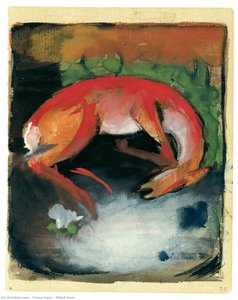
A Glimpse into the Wild Heart: Franz Marc’s ‘Tiger in Jungle’
Franz Marc's 1912 painting, ‘Tiger in Jungle’, is more than just a depiction of an animal in its habitat; it’s a vibrant exploration of life force, spiritual connection, and the burgeoning anxieties of a world on the brink of change. The canvas pulsates with color – a deliberate departure from traditional naturalism – immersing the viewer in a lush, almost hallucinatory jungle environment. The tiger itself isn't presented as a fearsome predator in the conventional sense, but rather as a powerful being deeply interwoven with the energy of its surroundings. Its gaze is intense, focused on something beyond the frame, suggesting an awareness that transcends mere instinct. Marc’s choice to render the foliage and background not as realistic representations, but as dynamic arrangements of color and form, creates a sense of heightened emotionality. The painting feels less like a snapshot of nature and more like a window into its soul.
The Dawn of Expressionism and Marc's Unique Vision
To understand ‘Tiger in Jungle’, one must consider the artistic climate of early 20th-century Germany. Marc was a pivotal figure in the German Expressionist movement, specifically as a founding member of *Der Blaue Reiter* (The Blue Rider). This group sought to move beyond mere representation and instead convey inner emotional experiences through bold colors, distorted forms, and symbolic imagery. Marc’s journey towards this style wasn't immediate; his early work showed influences of Impressionism and academic painting. However, encounters with artists like Vincent van Gogh proved transformative, igniting a passion for using color as a vehicle for expressing profound feelings. He believed that animals possessed an inherent spirituality untainted by human complexities, making them ideal subjects for exploring these themes. This belief is powerfully evident in ‘Tiger in Jungle’, where the animal isn’t simply *in* the jungle, but seems to embody its very essence.
Technique and Symbolism: A Language of Color and Form
Marc's technique in ‘Tiger in Jungle’ is characterized by a deliberate simplification of form and an almost Fauvist use of color. He doesn’t strive for photographic accuracy; instead, he employs flat planes of vibrant hues – reds, greens, oranges, and yellows – to create a sense of energy and movement. The tiger's stripes are not meticulously rendered but suggested through bold black markings against the animal’s ochre body. This simplification isn’t about artistic laziness, but rather a conscious effort to distill the essence of the subject. The jungle itself is less a specific location than a symbolic representation of untamed nature and primal instinct. The tiger, in this context, can be interpreted as a symbol of power, vitality, and perhaps even impending danger – a reflection of the anxieties simmering beneath the surface of European society at the time. Some scholars also suggest that Marc imbued animals with synesthetic qualities, associating specific colors with particular emotions or sounds.
A Lasting Legacy: ‘Tiger in Jungle’ Today
Though tragically short-lived – Franz Marc died in 1916 during World War I at the age of 36 – his artistic legacy continues to resonate. ‘Tiger in Jungle’ stands as a testament to his unique vision and his profound connection to the natural world. The painting's enduring appeal lies not only in its aesthetic beauty but also in its emotional depth and symbolic richness. For collectors, it represents a significant piece of Expressionist history; for interior designers, it offers a bold statement piece capable of transforming any space with its vibrant energy. More broadly, ‘Tiger in Jungle’ invites us to contemplate our own relationship with nature, the power of instinct, and the enduring search for spiritual meaning in a rapidly changing world.
კითხვები და პასუხები
სახლის რომელი ნაწილი უხდება ყველაზე მეტად "Tiger in Jungle"-ის რეპროდუქციას?
ფრანც მარკი-ის „Tiger in Jungle“ რეკომენდებულია მისაღები ოთახი-ისთვის. ეს შეფასება ეფუძნება ნამუშევრის თემატიკას, ფერებსა და განწყობას.
რომელ მხატვრულ მიმდევრობას წარმოადგენს ფრანც მარკი-ის „Tiger in Jungle“?
ფრანც მარკი-ის „Tiger in Jungle“-თან დაკავშირებული ხელოვნების მიმდინარეობა არის Cubism. ეს კლასიფიკაცია ნამუშევარს მსგავს ხელოვანთა და ქსნეულობათა წრეში ათავსებს.
არსებობს თუ არა სლაიდშოუ ნამუშევრისთვის ფრანც მარკი-ის „Tiger in Jungle“?
ფრანც მარკი-ის „Tiger in Jungle“-ის ნახვა შესაძლებელია სლაიდშოუ ფორმატში, ნამუშევრის სლაიდშოუ გვერდზე.
 წინასწარი ნახვა
 გაგზავნა
 გაზიარება
 დეტალები
 გზამკვლევი

 ჩამოტვირთვა
 მსგავსები
 რენტგენოგრაფიული კვლევა
 სლაიდშოუ
 კითხვა-პასუხი
 სტატისტიკა