 წინასწარი ნახვა
 გაგზავნა
 გაზიარება
 დეტალები
 გზამკვლევი

 ჩამოტვირთვა
 მსგავსები
 რენტგენოგრაფიული კვლევა
 სლაიდშოუ
 კითხვა-პასუხი
 სტატისტიკა
Resting Animal


 გააგრძელეთ კითხვა
გიკლე / ხელოვნების პრინტი
მუზეუმის დონის ჟიკლე ან ტილოზე ბეჭდვა სწრაფი წარმოებისა და დასრულების მოქნილი ვარიანტებით. ( შეიძინეთ ხელით შესრულებული ნახატი გადართვა ციფრულ გამოსახულებაზე)




P118B ₾10

P118H ₾10

P118W ₾10

P438Z ₾10

P508JH ₾12

P508YH ₾12

P805H ₾10

P805Z ₾10

P919BZ ₾10

P919G ₾10

P919XJ ₾10

P959ZH ₾10

P968JZ ₾12

W106C ₾8

W218G ₾10

W218JH ₾8

W218Y ₾10

W307PJ ₾10

W316G ₾10

W316PJ ₾8

W316Y ₾10

W398PJ ₾8

W4111J ₾10

W500HY ₾15

W500JH ₾15

W692G ₾12

W849H ₾8

W940BG ₾15

W953PJ ₾8




აირჩიეთ ჩვენს მიერ წინასწარ განსაზღვრული ზომებიდან, რომლებიც ნაწარმოების ორიგინალურ პროპორციებს შეესაბამება.

შეიყვანეთ თქვენთვის საჭირო სიგანე და სიმაღლე, რათა გამოსახულებამ თქვენს ჩარჩოს ან კედელს ზუსტად მოერგოს. ბეჭდვისას შესაძლებელია მხოლოდ მისი შემცირება და არა გაზრდა, ამიტომ სხვა ფორმის ზომის შემთხვევაში სურათი ნაწილობრივ იკარგება. სანამ რაიმეს დაბეჭდავთ, ჩვენ გამოგიგზავნით ციფრულ მაკეტს დასდასტურებლად. ამ გვერდზე ნაჩვენები სურათი არ ასახავს რეალურ ჭრას — ამას მხოლოდ მაკეტი გვიჩვენებს.
მიწოდება მთელ მსოფლიოში () 2 კვირაში, სტანდარტული 4/5 კვირის ნაცვლად. (8 ნოემბერი)

უფასო ექსპრეს მიწოდება მთელ მსოფლიოში

მაღალი ხარისხის ტილოს ქსოვილი

ტრანსპორტირების სრული დაზღვევა

საბაჟო გადასახადების დაბრუნების გარანტია

ფერების სრული შესაბამისობის გარანტია

დაბრუნების 100-დღიანი პოლიტიკა (მხოლოდ დეფექტის შემთხვევაში)

100% თანხის სრული დაბრუნების გარანტია

ფასდაკლება დიდი რაოდენობით შეკვეთისას
 მინის ჩარჩოს არჩევანი შესაძლებელია მხოლოდ 110 სმ-მდე ზომისთვის

Resting Animal
გიკლე / ხელოვნების პრინტი
რეპროდუქციის ზომა
-


საბოლოო ღირებულება
₾ 211
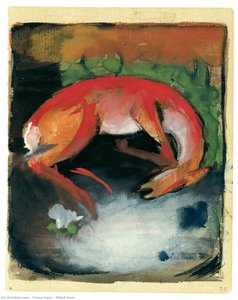
A Moment of Quietude: Exploring Franz Marc’s ‘Resting Animal’ (1913)
Franz Marc's *Resting Animal*, painted in 1913, is a captivating watercolor that embodies the core tenets of early Expressionism. More than just a depiction of an animal at rest, it’s a poignant exploration of inner life, vulnerability, and the search for spiritual connection with nature – themes central to Marc's artistic vision.Subject & Style: Beyond Realistic Representation
The artwork presents a somewhat abstracted figure, likely a deer or similar ungulate, enveloped in a mood of quiet contemplation. While not explicitly detailed, the form is recognizable enough to evoke empathy and invite projection. Marc deliberately moves away from strict realism, favoring instead an expressive style characterized by loose brushstrokes and simplified forms. This isn’t about *what* is depicted, but *how* it feels. The diagonal composition contributes to a sense of unease or inward focus, mirroring the animal's introspective state. Marc wasn’t interested in portraying animals as simply biological creatures; he saw them as possessing an inherent spirituality and purity lacking in human society.Technique & Materials: Watercolor’s Emotional Range
Executed in watercolor on paper, *Resting Animal* showcases Marc's masterful handling of the medium. The wet-on-wet technique creates soft edges and blended colors, enhancing the dreamlike quality of the scene. The layering of washes builds texture and depth despite the flattened perspective. This approach allows for a fluidity that perfectly complements the subject’s relaxed posture and the overall melancholic mood. The muted tones – grays, browns, and subtle blues – further contribute to this somber atmosphere, while still allowing light to subtly permeate the composition.Historical Context: Der Blaue Reiter & A World on the Brink
1913 was a pivotal year for Marc, deeply involved with the *Der Blaue Reiter* (The Blue Rider) group alongside Wassily Kandinsky and other avant-garde artists. This collective sought to move beyond purely representational art, exploring spirituality, symbolism, and emotional expression through abstraction and bold color. The looming shadow of World War I also casts a subtle weight over this work; a sense of premonition and fragility permeates many artworks created in the years leading up to the conflict. Marc’s focus on the natural world can be interpreted as a yearning for peace and harmony amidst growing societal tensions.Symbolism & Emotional Impact: A Universal Language
The symbolism within *Resting Animal* is deliberately understated, allowing for multiple interpretations. The animal's posture – leaning forward, head lowered – suggests vulnerability, introspection, and perhaps even a sense of weariness. It’s an image that resonates with the human condition, inviting viewers to contemplate their own moments of solitude and reflection. The painting isn’t about sadness itself, but about acknowledging and accepting it as part of life's spectrum. The dark background emphasizes this feeling of isolation, while also serving to highlight the animal’s form. Marc believed animals were closer to a primal spiritual truth than humans, and this work invites us to reconnect with that innate sense of peace and belonging.For Collectors & Designers: Bringing Expressionism into Your Space
*Resting Animal* is an exceptional example of Franz Marc’s unique artistic voice. Its subdued palette and evocative imagery make it a versatile piece for interior design, lending itself well to both modern and traditional settings. A high-quality reproduction would serve as a striking focal point in a study, living room, or bedroom – offering a touch of contemplative beauty and intellectual depth. Its enduring appeal lies in its ability to transcend time and culture, speaking directly to the universal human experience.კითხვები და პასუხები
სათანადო ფერების გათვალისწინებით, რომელ ოთახშია რეკომენდებული ფრანც მარკი-ის „Resting Animal“-ის განთავსება?
ფრანც მარკი-ის „Resting Animal“-ის Earthy ფერები იდეალურად ერგება მის რეკომენდებულ სივრცეს: Living Room.
არსებობს თუ არა სტუდენტებისთვის განკუთვნილი ინფორმაციული ფურცელი ფრანც მარკი-ის „Resting Animal“-ის შესახებ?
ფრანც მარკი-ის „Resting Animal“-ისთვის ხელმისაწვდომია გზამკვლევი გვერდი: ამ ხელოვნების ნიმუშის შესახებ დასაბეჭდი ფაქტების ფურცელი, რომელიც შექმნილია სტუდენტებისა და სასწავლო პროცესისთვის.
ვინ არის „Resting Animal“-ის ავტორი და როდის შეიქმნა იგი?
ფრანც მარკი-მა შექმნა „Resting Animal“ 1913 წელს.
მხატვრის ბიოგრაფია
ფერებსა და სულში ჩაფლული ცხოვრება
ფრანც მორის ვილჰელმ მარკი, რომელიც 1880 წელს მიუნხენში დაიბადა, იყო მხატვარი, რომლის მოკლე, მაგრამ ინტენსიურად ფოკუსირებულმა კარიერამ შეუქცევადად შეცვალა გერმანული ექსპრესიონიზმის გზა. მისი ისტორია არის ღრმა სულიერი ძიების ქრონიკა, რომელიც ცოცხალ ვიზუალურ ენად იქცა — ეს იყო სიცოცხლის არსის გაგების მცდელობა იმ სიწმინდის მეშვეობით, რომელიც მან ბუნებრივ სამყაროში, განსაკუთრებით კი ცხოველთა სამყაროში აღმოაჩინა. თავდაპირველად მასზე გავლენა მოახდინა მამამისზე, პეიზაჟის მხატვარ ვილჰელმ მარკზე, თუმცა ახალგაზრდა ფრანცის შემოქმედებითი გზა მაშინვე გარკვეული არ იყო. მან მცირე ხნით თეოლოგიაც კი განიხილა, ეჭვობდა რწმენისა და არსებობის საკითხებში, სანამ საბოლოოდ მიუნხენის ლამაზ ხელოვნებათა აკადემიაში ხელოვნებას არ მიებარდა. ეს ადრეული ექსკურსები რელიგიურ აზროვნებაში ღრმად დარჩა მის ნამუშევრებში და ჩამოაყალიბა რწმენა, რომ ხელოვნება შეიძლება იყოს სულიერი გამოცდილების მატარებელი. აკადემიურმა მომზადებამ მას ტექნიკური საფუძველი მისცა, მაგრამ სწორედ პარიზში ვიზიტისას ვინსენტ ვან გოგის შემოქმედებასთან შეხვედრამ გააღვიძა მისი ნამდვილი მხატვრული ხედვა. ვან გოგის ემოციურმა ფერწმენამ და პირველქმნილმა ექსპრესიამ ღრმად დაატრეს მარკი, რამაც იგი ტრადიციული ტექნიკებისგან გაათავისუფლა და უფრო სუბიექტური და ემოციურად დატვირთული სტილისკენ წაიყვანა.ლურჯი მხედარი და ახალი მხატვრული ხედვა
მარკის შემოქმედებითი განვითარება არ იყო მარტოხელა პროცესი; იგი აყვავდა მე-20 საუკუნის დასაწყისის მიუნხენის დინამიკურ კონტესტში. მან სხვადასხვა მხატვრულ ჯგუფებში, მათ შორის Neue Künstlervereinigung München-შიც კი იღებდა ექსპერიმენტებს, სანამ 1911 წელს ვასილი კანდინსკისთან ერთად არ დააფუძნა „Der Blaue Reiter“ (ლურჯი მხედარი). ეს არ იყო მხოლოდ ჯგუფი ან გამოფენათა სერია; ეს იყო ფილოსოფიური და მხატვრული რევოლუცია. „ლურჯი მხედარი“ მიზნად ისახავდა მარცვლოვან რეპრეზენტაციასთან მიღმა გასვლას და სურდა შინაგანი სულიერი ჭეშმარიტებების გამოხატვა აბსტრაქციისა და სიმბოლური ფერის მეშვეობით. იგივე სახელწოდების ჟურნალი ამ იდეების გავრცელების პლატფორმად იქცა, სადაც არა მხოლოდ საკუთარი ნამუშევრები, არამედ სხვა პროგრესული ხელოვანების შემოქმედებაც წარდგებოდა და იკვლევდა მრავალფეროვან კულტურულ გავლენებს, ხალხური ხელოვნებიდან პრიმიტიულ სკულპტურამდე. ამ პერიოდში მარკის წვლილი გადამწყვეტი იყო. მან უარი თქვა პეიზაჟების სტატიკურად გამოსახვაზე და ყურადღება გადაიტანა ცხოველებზე — ცხენებზე, ირემებზე, მელებზე — როგორც სულიერი ენერგიის ჭურჭლებზე. ეს არ იყო მხოლოდ ცხოველთა პორტრეტები; ეს იყო უმანკოების, ჰარმონიისა და ბუნებთან კავშირის სიმბოლური გამოხატულება, რომლის დაკარგვაც, მისი რწმენით, კაცობრიობას დაემართა. რობერტ დელონეს აბსტრაქტული ფორმებისა და მკვეთრი ფერების კვლევამ კიდევ უფრო წაახალისა მარკი სიმარტივისკენ და მისი ნამუშევრების ემოციური გამძაფრებისკენ. ისეთი ტილოები, როგორიცაა „ტიგრი“ (1912) და „წითელი ირემი“ (1912), ამ გარდასახვლის მაგალითია, რაც აჩვენებს ფერების თამამ არჩევანს და აქცენტს ობიექტის რეალისტურ აღწერაზე გადატანილ, მის შინაგან თვისებებზე.სიმბოლიზმი, ფერი და არსებობის ათავშნება
მარკის მხატვრული სტილი მყისიერად ამოსაცნობია ფერისა და ფორმის გამორჩეული გამოყენებით. იგი ფერს არა აღწერითად, არამედ სიმბოლური მნიშვნელობით იყენებდა. ლურჯი წარადგენდა სულიერებასა და მამაკაცურობას, ყვითელი — სიხარულსა და ქალურობას, ხოლო წითელი — ძალადობასა და მატერიალურობას. ეს არ იყო შემთხვევიური არჩევანი, არამედ საგულდაგულოდ აგებული სისტემა, რომელიც მიზნად ისახავდა კონკრეტული ემოციური და ფილოსოფიური იდეების გადმოცემას. მისი ცხოველები მხოლოდ სუბიექტები კი არა, ამ კონცეფციების განსახიერებაცაა. ფორმების გამარტივებამ — ფიგურების არსებით ფორმებამდე დაყვანამ — კიდევ უფრო გაუსღელავა იმ სულიერ არსს, რომლის ასლსაც იგი ეძებდა. „ლურჯი ცხენების კოშკი“ (1913), რომელიც სამწუხაროდ მეორე მსოფლიო ომის დროს დაიკარგა, შესაძლოა ამ მიდგომის ყველაზე საკულტო მაგალითია — ძლიერი და ემოციური კომპოზიცია, რომელიც მის მთელ მხატვრულ ხედვას მოიცავს. მას სჯეროდა, რომ ცხოველებს გააჩნდათ ბუნებასთან ისეთი შინაგანი სიწმინდე და კავშირი, რომელიც ადამიანებმა სოციალური შეზღუდვებისა და ინტელექტუალიზაციის შედეგად დაკარგეს. მათ ასეთი პატივისცემითა და სიმბოლური სიმძიმით გამოსახვით, მარკი ცდილობდა შეგვესმოनाდა ამ დაკარგული ჰარმონიის შესახებ და მოგვეყვანა ბუნებისადმი უფრო ღრმა აღფრთოვანებისთვის. მისი შემოქმედება ეხებოდა არა იმას, თუ რა დაინახა მან, არამედ იმას, თუ როგორ იგრძნო — ეს იყო ღრმად პერსონალური და სულიერი რეაგირება გარემოზე.ტრაგედიული დასასრული და მარადიული მემკვიდრეობა
1914 წელს პირველი მსოფლიო ომის დაწყებამ დრამატულად შეცვალა მარკის ცხოვრება და შემოქმედებითი ტრაექტორია. მიუხედავად იმისა, რომ იგი ხელოვანის სტატუსის გამო თავდახსნას ცდილობდა, ის გერმანულ არმიაში მოიწოდეს, როგორც კ cavalry (კავალერიის) ჯგუფის წევრი. ომის საშინელებებმა მასზე ღრმა შთაბეჭდილება მოახდინა, თუმცა ქაოსის დროსაც კი იგი აგრძელებდა შემოქმედებას და თავის ხელოვნებაში პოულობდა სიმშვიდესა და აზრს. ტრაგედიულად, ფრანც მარკი 1ლი მარტის 1916 წელს, ვერდუნის ბრძოლაში დაიღუპა, რაც ხელოვნების სამყაროსთვის დამანგრეველი დანაკლისი იყო. მისმა ნაადრევმა სიკვდილმა შეწყვეტა პოტენციალებით სავსე კარიერა, მაგრამ ამავდროულად განამტკიცა მისი ადგილი თანამედროვე ხელოვნების ისტორიაში, როგორც საკვანძო ფიგურისა. მისი ნაშთები დღესაც რეზონანსს იწვევს, მოქმედებს ხელოვანთა თაობებზე და მაყურებელს თავისი ემოციური სიღრმითა და სულიერი სიმძიმით ტყვედ ატყვევებს. მარკის ნახატები წარდგენილია მსოფლიოს უმსხვილეს მუზეუმებში, მათ შორის მიუნხენის ლენბახჰაუსში, რომელიც ფლობს მისი შემოქმედების ვრცელ კოლექციას. იგი იხსენება არა მხოლოდ როგორც გერმანული ექსპრესიონიზმის პიონერი, არამედ როგორც ვიზიონერი მხატვარი, რომელსაც ბედავდა ხელოვნებას, სულიერებასა და ბუნებრივ სამყაროს შორის ღრმა კავშირის გამოკვლევას — მემკვიდრეობას, რომელიც დღემდე აღფრთოვანებასა და ჭვრეტას შთაგონებს. მისი მხატვრული ხედვა რჩება დასტურად იმისა, რომ ხელოვნებას შეუძლია გასცდეს მატერიალურ სამყაროს და შეეხოს ადამიანის სულში არსებულ უფრო ღრმა რაღაცას.
ფრანც მარკი
1880 - 1916 , გერმანია
მოკლე ინფორმაცია
- Artistic Movement Or Style: გერმანული გამოხდა
- Artists Who Influenced This Artist:
- ვინსენტი ვაგნოშ
- რობერტ დელაუნეი
- Date Of Birth: 8 თებერვალი 1880 წელი
- Date Of Death: 4 მარტი 1916 წელი
- Full Name: Franz Moritz Wilhelm Marc
- Nationality: გერმანელი
- Notable Artworks:
- დიდი ლენგრიის ცხენი
- ქალები მთაზე
- Place Of Birth: მუნიხი, გერმანია
დაკავშირებული სტატიები

შექსտროფული გამოხატვის აბსტრაქციზმის 10 შედევრი: ხელოვნება თქვენი სახლისთვის
აღმოფრთოვანდით აბსტრაქტული გამოხატვისმანიერიზმის 10 უმშვენიერეს შედევრთან! ვასელის, პოლ locks-ის და სხვა ცნობილი მხატვრების ისტორიები. შეიძინეთ მაღალი ხარისბის ხელოვნების რეპროდუქციები OriginalUniqueArt.com-ზე და შეცვალეთ თქვენი სახლი!

German Expressionism's 10 Defining Masterpieces | Art for Your Home
Explore 10 defining German Expressionism masterpieces – from Munch's 'The Scream' to Kandinsky’s abstracts. Discover the artists, stories & bold colors behind this powerful art movement. Find museum-quality reproductions at OriginalUniqueArt.com.

Franz Marc: Expressionism, Spirituality & the Animal Symbolism of a Modern Master
Explore the profound world of Franz Marc's Expressionist paintings. Discover his spiritual connection to animals, innovative use of color, and lasting impact on modern art history. Learn more at OriginalUniqueArt.

Watercolor Wonders: 10 Masterpieces That Redefined Art History | OriginalUniqueArt
Journey through 10 legendary watercolor masterpieces by Sargent, Turner & Homer! Explore iconic landscapes, portraits & floral art that redefined history. Find museum-quality reproductions and curated decor ideas at OriginalUniqueArt.com.

Ephemeral Visions: Exploring the Artistic Legacy & Contemporary Practice of Watercolor Painting
Explore the captivating world of watercolor painting! Discover its rich history, essential techniques, influential artists & collecting tips. A comprehensive guide for art enthusiasts from OriginalUniqueArt.