German Expressionism · 1914
Fighting Forms (ფრანც მარკი, 1914)
ფრანც მარკი (1880–1916)-მა შექმნა Fighting Forms. დათარიღებულია 1914 წლით. ის German Expressionism მიძღვნილ სტილს მიეკუთვნება. შესრულებულია Oil On Canvas-ით. ნახატი დაცულია Bayerische Staatsgemaldesammlungen-ში, მუნხენი, გერმანია-ში. ზომა: 91 × 131 cm
- 1914
- Oil On Canvas
- 91 × 131 cm
- Bayerische Staatsgemaldesammlungen, მუნხენი

 წინასწარი ნახვა

 ხელით ნაკletი ზეთწერილი
 გაგზავნა
 გაზიარება
 საინფორმაციო ფურცელი


 ჩამოტვირთვა
 მსგავსები
 რენტგენოგრაფიული კვლევა
 სლაიდშოუ
 კითხვა-პასუხი

 სტატისტიკა
Fighting Forms, მოკლედ
- სათაური
- Fighting Forms
- ხატველი
- ფრანც მარკი (1880–1916)
- ხატვის წელი და ადგილი
- მუნიხი, გერმანია
- თარიღი
- 1914
- ტექნიკა
- Oil On Canvas
- ზომები
- 91 × 131 cm
- სად ნახავთ
- Bayerische Staatsgemaldesammlungen, მუნხენი, გერმანია
- მიმდინარეობა
- German Expressionism
- სუბიექტი
- expressionism, conflict, red, black, animals, anxiety
რა არის გამოსახული Fighting Forms-ში?
A Symphony of Conflict: Unpacking the Power of Franz Marc’s *Fighting Forms*
Franz Marc's 1914 painting, *Fighting Forms*, isn’t merely a visual representation; it’s an intensely felt experience. Created during a period of escalating anxieties surrounding the impending First World War, this work embodies the core tenets of Expressionism – a movement dedicated to conveying subjective emotions and inner turmoil rather than objective reality. Marc, a founding member of Der Blaue Reiter, sought to capture not just what he saw, but how he *felt*, channeling his spiritual concerns into a language of vibrant color and dynamic form. The painting immediately confronts the viewer with a swirling vortex of red and black, hues that instinctively evoke danger, struggle, and perhaps even death. Yet, within this apparent chaos lies a profound sense of yearning – a desperate plea for understanding amidst the looming darkness.
- The Palette of Emotion: Marc’s masterful use of color is paramount. The dominant reds represent aggression, violence, and the destructive forces threatening to consume humanity. These fiery tones are juxtaposed with the darker blacks and browns, symbolizing the unknown, the unconscious, and the inevitable consequences of conflict.
- Animal as Symbol: As a lifelong devotee of the animal kingdom, Marc frequently employed them as symbolic figures in his work. While not explicitly depicted here, the forms themselves suggest a primal struggle – a dance between predator and prey, life and death. This connection to the natural world provides a grounding element within the painting’s emotional intensity.
Deconstructing Abstract Forms: A Language of Tension
The composition of *Fighting Forms* is deliberately abstract, eschewing realistic representation in favor of conveying raw emotion. The swirling shapes aren't meant to depict specific objects or figures; instead, they embody the very essence of conflict – a chaotic interplay of opposing forces. Marc’s brushwork is loose and gestural, emphasizing movement and energy over precise detail. Notice how the lines seem to vibrate with an almost palpable tension, mirroring the anxieties of the era. The painting feels less like a static image and more like a captured moment of intense emotional upheaval – a visual representation of a battle waged not just on the battlefield, but within the human psyche.
Technique & Materials: Executed in oil on canvas, Marc’s technique is characterized by bold strokes and an expressive application of paint. The layering of colors creates depth and dynamism, while the loose brushwork contributes to the painting's overall sense of movement and urgency.Historical Context: A Precursor to War
To fully appreciate *Fighting Forms*, it’s crucial to understand its creation within the context of 1914. Europe was teetering on the brink of war, and Marc, like many artists of his time, felt a deep sense of foreboding. His work reflects this anxiety – not through explicit depictions of warfare, but through an exploration of the underlying emotions that fueled it: fear, uncertainty, and the potential for destruction. *Fighting Forms* can be seen as a visual meditation on the fragility of peace and the ever-present threat of violence. It’s a poignant reminder of how art can serve as a powerful reflection of its time.
A Legacy of Emotional Resonance
Franz Marc's *Fighting Forms* remains a profoundly moving work of art, continuing to resonate with viewers over a century later. Its abstract forms and emotionally charged colors capture the anxieties of a turbulent era while simultaneously offering a glimpse into the artist’s deeply held spiritual beliefs. Reproductions of this powerful painting offer an opportunity to bring its intensity into any space, prompting contemplation on themes of conflict, spirituality, and the enduring human condition. Consider how the vibrant hues might transform a room – injecting it with a sense of urgency and introspection.
რომელ მუზეუმში ინახება Fighting Forms?
Bayerische Staatsgemaldesammlungen
მუნხენი, გერმანია
საუკუნეების ქსოვილი: ბავარიული სახელმწიფო ნახევარგამოცემების აღმოჩენა მიუნხენის გულში მდებარე Bayerische Staatsgemäldesammlungen – ბავარიული სახელმწიფო ნახევარგამოცემები – ბევრად უფრო მეტია, ვიდრე უბრალოდ მხატვრული საგანძურის სათავსო. ეს არის ცოცხალი ქრონიკა, რომელიც ევროპული ხელოვნების შვიდ საუკუნეს მოჰყვება; ეს არის დროში ჩაფლული მოგზაურობა, რომელიც გვიჩვენებს არა მხოლოდ ცალკეულ შედევრებს, არამედ იმ განვითარებად შეგრძნებებსა და გარდამტეხ ინოვაციებს, რომლებმაც ჩვენი ვიზუალური სამყადრო ჩამოაყალიბეს. მისი დარბაზებში სეირნობა ნიშნავს დიურერის, რემბრანტის, რუბენსის, ლეონარდო და ვინჩის, მონეტის, ვან გოგის, პიკასოს, უორჰოლისა და ბოის მემკვიდრეობის შეხებას – თუმცა ეს მხოლოდ ნ glimpses არის კოლექციის, რომელიც მთლიანად ხელოვნების ისტორიის გასაგებად არის მიძღვნილი და რაც ბავარიის წარუმატებელი ძალისხმევის დასტურია მხატვრული მემკვიდრეობის შეს preservation-ისთვის.


Fighting Forms-ის მაღალი გარ Auflხ resolución-ის გამოსახულებები

საჯარო საკუთრება: მხატვარი გარდაიცვალა 1916 წელს.
სხვა ზომები, კადრისრები და ციტირება →ფრანც მარკი, Fighting Forms (1914).
ფრანც მარკი (1880–1916), Fighting Forms, 1914, oil on canvas, Bayerische Staatsgemaldesammlungen, მუნხენი, გერმანია. საჯარო საკუთრება გამოსახულება: OriginalUniqueArt.com.
კითხვები Fighting Forms-ზე, პასუხები
სად შემიძლია ვნახო ფრანც მარკი-ის „Fighting Forms“ ორიგინალი?
ორიგინალი „Fighting Forms“ შეგიძლიათ ნახოთ Bayerische Staatsgemaldesammlungen, მუნხენი, გერმანია-ში.
რა წელში შეიქმნა "Fighting Forms"?
ფრანც მარკი-ის „Fighting Forms“-ის შექმნის თარიღია 1914.
რა ტექნიკით არის შექმნილი "Fighting Forms"?
ფრანც მარკი-ის „Fighting Forms“-ის მასალა არის Oil On Canvas. რეპროდუქციების მიზანია ამ ტექნიკის ვიზუალური მხარის ზუსტი გადმოცემა.
რა არის ორიგინალი ფრანც მარკი-ის „Fighting Forms“-ის ზომები?
ორიგინალის ზომა „Fighting Forms“-ისთვის არის 91 x 131 cm. ორიგინალის ზომები სასარგებლო ინფორმაციაა რეპროდუქციის ზომის შერჩევისას.
რა თემებია გამოსახული ნამუშევარში ფრანც მარკი-ის „Fighting Forms“?
ფრანც მარკი-ის „Fighting Forms“-ში წარმოდგენილი თემები მოიცავს expressionism, conflict, red, black, animals, anxiety, war, forms-ს, რაც ერთობლიობაში ასახავს ნამუშევრის შინაარსს.
შეიძლება თუ არა ფრანც მარკი-ის „Fighting Forms“-ის გამოსახულების თავისუფლად რეპროდუცირება?
რაც შეეხება საავტორო უფლებებს, „Fighting Forms“ არის საჯარო საკუთრებაშია — საავტორო უფლებები ამოწდა.
რომელ ხელოვანს მიეწერება "Fighting Forms"?
„Fighting Forms“ მიკუთვნებულია ფრანც მარკი-ს.
რომელ ხელოვნების მიმდევრობას მიეკუთვნება ფრანც მარკი-ის „Fighting Forms“?
"Fighting Forms" არის German Expressionism სტილის ნამუშევარი. აღნიშნული მიმდინარეობა ასახავს იმ მხატვრულ ტრადიციას, რომლის ნაწილიცაა ეს ნამუშევარი.
ფრანც მარკი-ის შემოქმედების რომელ პერიოდს მიეკუთვნება „Fighting Forms“?
ფრანც მარკი-ის შემოქმედების პერიოდში „Fighting Forms“ Late Period-ს მიეკუთვნება. ეს ფაზა საშუალებას გვაძლევს, იგი ხელოვანის სხვა ნამუშევრებს შევადაროთ.
მხატვრის შესახებ, ფრანც მარკი

1880–1916, გერმანია
ფრანც მარკი
Early Life, Family and Training Franz Marc was born in Munich, Germany, into a household where the visual language of landscape was already established. His father, Wilhelm Marc, worked as a professional landscape painter, providing a direct, if not entirely certain, introduction to the mechanics of art. This familial connection meant that the tools of the trade were present from the beginning, yet Marc’s path was not a straight line from inheritance to canvas. Before committing to a life of painting, he spent time grappling with theology, a period of spiritual inquiry that would later dictate the intensity of his visual output.
ფრანც მარკი-ის შესახებ ფრანც მარკი-ის გამორჩეული ნამუშევრები
ასევე ფრანც მარკი-ის მიერ შექმნილი სხვა ნამუშევრები
 ლურჯი ცხენი I1911
 უსათაურო (4325)
 დიდი ლურჯი ცხენები1911
 ტიროლი1914
ესეები Fighting Forms-ის შესახებ
 The Visceral Language of Emotion: Exploring Representations of Intense Feeling in Art HistoryExplore the profound history of emotional representation in art. Discover how masters like Goya evoked feeling & the impact of affect theor…
 25 Masterpieces by Franz Marc: The Soul of German ExpressionismFranz Marc co-founded the Blue Rider movement in Munich. See 25 works including The Large Blue Horses and Tyrol from the era of Expressioni…
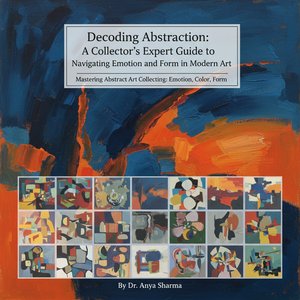 Beyond Representation: Decoding Emotion and Meaning in Modern Abstract ArtExplore the profound world of Abstract Expressionism with OriginalUniqueArt. Discover its history, emotional power & key artists like Pollo…