

 ნახვა ინტერьерში
 გაგზავნა
 გაზიარება
 დეტალები
 გზამკვლევი

 ჩამოტვირთვა
 მსგავსები
 რენტგენოგრაფიული კვლევა
 სლაიდშოუ
 სტატისტიკა
Cats
 Oil On Canvas
- WallArt
- Post-Impressionism
 1910
1910- High Medieval
 61.0 x 50.0 cm
 სრული ტექსტის ნახვა
გიკლე / ხელოვნების პრინტი
მუზეუმის დონის ჟიკლე ან ტილოზე ბეჭდვა სწრაფი წარმოებისა და დასრულების მოქნილი ვარიანტებით. ( შეიძინეთ ხელით შესრულებული ნახატი გადასვლა ციფრულ გამოსახულებაზე)




P118B ₾10

P118H ₾10

P118W ₾10

P438Z ₾10

P508JH ₾12

P508YH ₾12

P805H ₾10

P805Z ₾10

P919BZ ₾10

P919G ₾10

P919XJ ₾10

P959ZH ₾10

P968JZ ₾12

W106C ₾8

W218G ₾10

W218JH ₾8

W218Y ₾10

W307PJ ₾10

W316G ₾10

W316PJ ₾8

W316Y ₾10

W398PJ ₾8

W4111J ₾10

W500HY ₾15

W500JH ₾15

W692G ₾12

W849H ₾8

W940BG ₾15

W953PJ ₾8




აირჩიეთ ჩვენს მიერ წინასწარ განსაზღვრული ზომებიდან, რომლებიც ნაწარმოების ორიგინალურ პროპორციებს შეესაბამება.

შეიყვანეთ თქვენთვის საჭირო სიგანე და სიმაღლე, რათა იგი მოერგოს თქვენს ჩარჩოს ან კედელს. ბეჭდვისას შესაძლებელია მხოლოდ მისი შემცირება და არა გაზრდა, ამიტომ სხვა ფორმის ზომის შემთხვევაში გამოსახულება ნაწილობრივ იკარგება. სანამ რაიმეს დაბეჭდავთ, ჩვენ გამოგიგზავნით ციფრულ მაკეტს დასდასტურებლად. ამ გვერდზე ნაჩვენები სურათი არ ასახავს რეალურ ჭრას — ამას მხოლოდ მაკეტი გვიჩვენებს.
მიწოდება მთელ მსოფლიოში () 2 კვირაში, სტანდარტული 4/5 კვირის ნაცვლად. (22 ოქტომბერი)

უფასო ექსპრეს მიწოდება მთელ მსოფლიოში

მაღალი ხარისხის ტილო

ტრანსპორტირების სრული დაზღვევა

საბაჟო გადასახადების დაბრუნების გარანტია

ფერების სრული შესაბამისობის გარანტია

დაბრუნების 100-დღიანი პერიოდი (მხოლოდ წარმოების დეფექტის შემთხვევაში)

100% თანხის სრული დაბრუნების გარანტია

ფასდაკლება დიდი რაოდენობით შეკვეთისას
 მინის ჩარჩოს არჩევანი ხელმისაწვდომია მხოლოდ 110 სმ-მდე ზომისთვის

Cats
გიკლე / ხელოვნების პრინტი
რეპროდუქციის ზომა
-


ჯამური ღირებულება
₾ 209
Franz Marc’s “Cats”: A Symphony of Color and Quiet Companionship
Franz Marc's "Cats," painted in 1910, isn’t merely a depiction of two feline figures; it’s a profound meditation on harmony, spirituality, and the quiet beauty of the natural world. Measuring a modest 61 x 50 centimeters, this oil-on-canvas work embodies the core tenets of Post-Impressionism and foreshadows the burgeoning Expressionist movement, offering a glimpse into Marc's deeply felt connection to both animal life and the spiritual realm. The painting immediately draws the viewer in with its vibrant palette – a carefully orchestrated blend of blues, greens, ochres, and subtle pinks that evokes a sense of serene tranquility. Marc’s masterful use of color isn’t simply decorative; it's imbued with symbolic weight, reflecting his belief that colors possessed inherent spiritual qualities.
Composition and the Language of Form
The composition is deceptively simple yet remarkably effective. Two cats are presented in a relaxed, almost languid pose, lying together on what appears to be a grassy surface. The placement of these animals – one slightly to the left, the other to the right – creates a dynamic balance within the frame. Crucially, Marc avoids sharp lines or overly detailed rendering; instead, he employs simplified forms and broad brushstrokes, characteristic of his style. This abstraction serves not to diminish the subjects but rather to elevate them, suggesting an essence beyond mere physical representation. The subtle suggestion of human figures in the background – one on the left, another near the center-right – adds a layer of narrative complexity without disrupting the primary focus on the cats. These figures could represent observers or perhaps even symbolic representations of humanity’s relationship with nature.
Expressionist Roots and Spiritual Seeking
“Cats” firmly establishes Marc as a pivotal figure in the development of Expressionism, a movement that sought to convey subjective emotions and inner experiences rather than objective reality. His work resonates deeply with this philosophy, moving beyond mere observation to capture a feeling—a sense of contentment, peace, and perhaps even a touch of melancholy. Influenced by his early interest in theology and his profound respect for the animal kingdom, Marc viewed animals as embodiments of spiritual truths. He believed they possessed an innocence and purity that humanity had largely lost. The painting’s emotional impact is amplified by the artist's deliberate use of color; the blues and greens evoke a sense of calm and introspection, while the warmer tones suggest comfort and companionship. It’s important to note Marc’s connection to *Der Blaue Reiter* (The Blue Rider), a circle of artists who explored spiritual themes through their art.
Legacy and Reproduction – Bringing Marc's Vision Home
Franz Marc’s “Cats” stands as a testament to the power of art to transcend mere representation. Its influence can be seen in later artists like Paul Klee, who similarly explored color theory and abstract forms. The painting’s enduring appeal lies in its ability to evoke a profound sense of peace and connection with nature—qualities that resonate deeply in our increasingly complex world. OriginalUniqueArt offers meticulously crafted hand-painted reproductions of “Cats,” allowing you to bring this iconic work into your home or office. Each reproduction is created using the same techniques and color palettes as the original, ensuring an authentic representation of Marc’s artistic vision. Whether you're a seasoned art collector or simply seeking a beautiful piece to enhance your interior space, a OriginalUniqueArt reproduction of “Cats” offers a unique opportunity to experience the profound beauty and spiritual depth of this remarkable painting.
კითხვები და პასუხები
რამდენი წლის იყო ფრანც მარკი, როდესაც „Cats“ შეიქმნა?
ფრანც მარკი-მა „Cats“ 30 წლის ასაკში შექმნა. ხელოვანმა დაიბადა 1880, ნამუშევრის თარიღგადასახელება კი 1910-ია.
არის თუ არა "Cats" იმის ტიპური ნიმუში, რასაც ფრანც მარკი ჩვეულებრივ ქმნიდა?
ფრანც მარკი-ის დაფიქსირებულ თემებს შორის — van gogh, spiritual seeking, expressionism, subjective experience, animal world, symbolism, early 20th, avant-garde — „Cats“ განსაკუთრებულ ყურადღებას ამახვილებს cats, animals, harmony, companionship, figures, post-impressionism, color, spirituality-ზე.
აჩვენებს თუ არა "Cats" მკვეთრ სინათლისა და სიბნელის კონტრასტს?
ნათელი და ბნელი ფერების კონტრასტი ნამუშევრისთვის „Cats“ შეფასებულია როგორც Gentle. კონტრასტი აღწერს, თუ რამდენად მკვეთრად განსხვავდება ნათელი და ბნელი არეები ერთმანეთისგან.
მხატვრის ბიოგრაფია
ფერებსა და სულში ჩაფლული ცხოვრება
ფრანც მორის ვილჰელმ მარკი, რომელიც 1880 წელს მიუნხენში დაიბადა, იყო მხატვარი, რომლის მოკლე, მაგრამ ინტენსიურად ფოკუსირებულმა კარიერამ შეუქცევადად შეცვალა გერმანული ექსპრესიონიზმის გზა. მისი ისტორია არის ღრმა სულიერი ძიების ქრონიკა, რომელიც ცოცხალ ვიზუალურ ენად იქცა — ეს იყო სიცოცხლის არსის გაგების მცდელობა იმ სიწმინდის მეშვეობით, რომელიც მან ბუნებრივ სამყაროში, განსაკუთრებით კი ცხოველთა სამყაროში აღმოაჩინა. თავდაპირველად მასზე გავლენა მოახდინა მამამისზე, პეიზაჟის მხატვარ ვილჰელმ მარკზე, თუმცა ახალგაზრდა ფრანცის შემოქმედებითი გზა მაშინვე გარკვეული არ იყო. მან მცირე ხნით თეოლოგიაც კი განიხილა, ეჭვობდა რწმენისა და არსებობის საკითხებში, სანამ საბოლოოდ მიუნხენის ლამაზ ხელოვნებათა აკადემიაში ხელოვნებას არ მიებარდა. ეს ადრეული ექსკურსები რელიგიურ აზროვნებაში ღრმად დარჩა მის ნამუშევრებში და ჩამოაყალიბა რწმენა, რომ ხელოვნება შეიძლება იყოს სულიერი გამოცდილების მატარებელი. აკადემიურმა მომზადებამ მას ტექნიკური საფუძველი მისცა, მაგრამ სწორედ პარიზში ვიზიტისას ვინსენტ ვან გოგის შემოქმედებასთან შეხვედრამ გააღვიძა მისი ნამდვილი მხატვრული ხედვა. ვან გოგის ემოციურმა ფერწმენამ და პირველქმნილმა ექსპრესიამ ღრმად დაატრეს მარკი, რამაც იგი ტრადიციული ტექნიკებისგან გაათავისუფლა და უფრო სუბიექტური და ემოციურად დატვირთული სტილისკენ წაიყვანა.ლურჯი მხედარი და ახალი მხატვრული ხედვა
მარკის შემოქმედებითი განვითარება არ იყო მარტოხელა პროცესი; იგი აყვავდა მე-20 საუკუნის დასაწყისის მიუნხენის დინამიკურ კონტესტში. მან სხვადასხვა მხატვრულ ჯგუფებში, მათ შორის Neue Künstlervereinigung München-შიც კი იღებდა ექსპერიმენტებს, სანამ 1911 წელს ვასილი კანდინსკისთან ერთად არ დააფუძნა „Der Blaue Reiter“ (ლურჯი მხედარი). ეს არ იყო მხოლოდ ჯგუფი ან გამოფენათა სერია; ეს იყო ფილოსოფიური და მხატვრული რევოლუცია. „ლურჯი მხედარი“ მიზნად ისახავდა მარცვლოვან რეპრეზენტაციასთან მიღმა გასვლას და სურდა შინაგანი სულიერი ჭეშმარიტებების გამოხატვა აბსტრაქციისა და სიმბოლური ფერის მეშვეობით. იგივე სახელწოდების ჟურნალი ამ იდეების გავრცელების პლატფორმად იქცა, სადაც არა მხოლოდ საკუთარი ნამუშევრები, არამედ სხვა პროგრესული ხელოვანების შემოქმედებაც წარდგებოდა და იკვლევდა მრავალფეროვან კულტურულ გავლენებს, ხალხური ხელოვნებიდან პრიმიტიულ სკულპტურამდე. ამ პერიოდში მარკის წვლილი გადამწყვეტი იყო. მან უარი თქვა პეიზაჟების სტატიკურად გამოსახვაზე და ყურადღება გადაიტანა ცხოველებზე — ცხენებზე, ირემებზე, მელებზე — როგორც სულიერი ენერგიის ჭურჭლებზე. ეს არ იყო მხოლოდ ცხოველთა პორტრეტები; ეს იყო უმანკოების, ჰარმონიისა და ბუნებთან კავშირის სიმბოლური გამოხატულება, რომლის დაკარგვაც, მისი რწმენით, კაცობრიობას დაემართა. რობერტ დელონეს აბსტრაქტული ფორმებისა და მკვეთრი ფერების კვლევამ კიდევ უფრო წაახალისა მარკი სიმარტივისკენ და მისი ნამუშევრების ემოციური გამძაფრებისკენ. ისეთი ტილოები, როგორიცაა „ტიგრი“ (1912) და „წითელი ირემი“ (1912), ამ გარდასახვლის მაგალითია, რაც აჩვენებს ფერების თამამ არჩევანს და აქცენტს ობიექტის რეალისტურ აღწერაზე გადატანილ, მის შინაგან თვისებებზე.სიმბოლიზმი, ფერი და არსებობის ათავშნება
მარკის მხატვრული სტილი მყისიერად ამოსაცნობია ფერისა და ფორმის გამორჩეული გამოყენებით. იგი ფერს არა აღწერითად, არამედ სიმბოლური მნიშვნელობით იყენებდა. ლურჯი წარადგენდა სულიერებასა და მამაკაცურობას, ყვითელი — სიხარულსა და ქალურობას, ხოლო წითელი — ძალადობასა და მატერიალურობას. ეს არ იყო შემთხვევიური არჩევანი, არამედ საგულდაგულოდ აგებული სისტემა, რომელიც მიზნად ისახავდა კონკრეტული ემოციური და ფილოსოფიური იდეების გადმოცემას. მისი ცხოველები მხოლოდ სუბიექტები კი არა, ამ კონცეფციების განსახიერებაცაა. ფორმების გამარტივებამ — ფიგურების არსებით ფორმებამდე დაყვანამ — კიდევ უფრო გაუსღელავა იმ სულიერ არსს, რომლის ასლსაც იგი ეძებდა. „ლურჯი ცხენების კოშკი“ (1913), რომელიც სამწუხაროდ მეორე მსოფლიო ომის დროს დაიკარგა, შესაძლოა ამ მიდგომის ყველაზე საკულტო მაგალითია — ძლიერი და ემოციური კომპოზიცია, რომელიც მის მთელ მხატვრულ ხედვას მოიცავს. მას სჯეროდა, რომ ცხოველებს გააჩნდათ ბუნებასთან ისეთი შინაგანი სიწმინდე და კავშირი, რომელიც ადამიანებმა სოციალური შეზღუდვებისა და ინტელექტუალიზაციის შედეგად დაკარგეს. მათ ასეთი პატივისცემითა და სიმბოლური სიმძიმით გამოსახვით, მარკი ცდილობდა შეგვესმოनाდა ამ დაკარგული ჰარმონიის შესახებ და მოგვეყვანა ბუნებისადმი უფრო ღრმა აღფრთოვანებისთვის. მისი შემოქმედება ეხებოდა არა იმას, თუ რა დაინახა მან, არამედ იმას, თუ როგორ იგრძნო — ეს იყო ღრმად პერსონალური და სულიერი რეაგირება გარემოზე.ტრაგედიული დასასრული და მარადიული მემკვიდრეობა
1914 წელს პირველი მსოფლიო ომის დაწყებამ დრამატულად შეცვალა მარკის ცხოვრება და შემოქმედებითი ტრაექტორია. მიუხედავად იმისა, რომ იგი ხელოვანის სტატუსის გამო თავდახსნას ცდილობდა, ის გერმანულ არმიაში მოიწოდეს, როგორც კ cavalry (კავალერიის) ჯგუფის წევრი. ომის საშინელებებმა მასზე ღრმა შთაბეჭდილება მოახდინა, თუმცა ქაოსის დროსაც კი იგი აგრძელებდა შემოქმედებას და თავის ხელოვნებაში პოულობდა სიმშვიდესა და აზრს. ტრაგედიულად, ფრანც მარკი 1ლი მარტის 1916 წელს, ვერდუნის ბრძოლაში დაიღუპა, რაც ხელოვნების სამყაროსთვის დამანგრეველი დანაკლისი იყო. მისმა ნაადრევმა სიკვდილმა შეწყვეტა პოტენციალებით სავსე კარიერა, მაგრამ ამავდროულად განამტკიცა მისი ადგილი თანამედროვე ხელოვნების ისტორიაში, როგორც საკვანძო ფიგურისა. მისი ნაშთები დღესაც რეზონანსს იწვევს, მოქმედებს ხელოვანთა თაობებზე და მაყურებელს თავისი ემოციური სიღრმითა და სულიერი სიმძიმით ტყვედ ატყვევებს. მარკის ნახატები წარდგენილია მსოფლიოს უმსხვილეს მუზეუმებში, მათ შორის მიუნხენის ლენბახჰაუსში, რომელიც ფლობს მისი შემოქმედების ვრცელ კოლექციას. იგი იხსენება არა მხოლოდ როგორც გერმანული ექსპრესიონიზმის პიონერი, არამედ როგორც ვიზიონერი მხატვარი, რომელსაც ბედავდა ხელოვნებას, სულიერებასა და ბუნებრივ სამყაროს შორის ღრმა კავშირის გამოკვლევას — მემკვიდრეობას, რომელიც დღემდე აღფრთოვანებასა და ჭვრეტას შთაგონებს. მისი მხატვრული ხედვა რჩება დასტურად იმისა, რომ ხელოვნებას შეუძლია გასცდეს მატერიალურ სამყაროს და შეეხოს ადამიანის სულში არსებულ უფრო ღრმა რაღაცას.
ფრანც მარკი
1880 - 1916 , გერმანია
მოკლე ფაქტები
- Artistic Movement Or Style: გერმანული გამოხდა
- Artists Who Influenced This Artist:
- ვინსენტი ვაგნოშ
- რობერტ დელაუნეი
- Date Of Birth: 8 თებერვალი 1880 წელი
- Date Of Death: 4 მარტი 1916 წელი
- Full Name: Franz Moritz Wilhelm Marc
- Nationality: გერმანელი
- Notable Artworks:
- დიდი ლენგრიის ცხენი
- ქალები მთაზე
- Place Of Birth: მუნიხი, გერმანია
მსგავსი სტატიები

სინათლისა და ფერების მიღმა: იმპრესიონიზმი და პოსტიმპრესიონიზმი კოლექციონერის თვალით
გაიგეთ იმპრესიონიზმისა და პოსტიმპრესიონიზმის სიღრმეები ექსპერტების თვალით. მონე, ვან გოგი, გაუგენი და სხვა შედევრების კოლექციონერული რჩევები OriginalUniqueArt-ში.

German Expressionism's 10 Defining Masterpieces | Art for Your Home
Explore 10 defining German Expressionism masterpieces – from Munch's 'The Scream' to Kandinsky’s abstracts. Discover the artists, stories & bold colors behind this powerful art movement. Find museum-quality reproductions at OriginalUniqueArt.com.

პოსტիմპრესიონიზმის ტopp 10 შედევრი: ხელოვნება თქვენს სახლში
აღმოფრთოვანდით პოსტიმპრესიონიზმის ტopp 10 შედევრით! ვან გოგი, სეზანი და სხვა მოწინავე ხელოვანი. შეიგრძენ ფერების mágia-ს და აღმოგაჩინეთ საუკეტესები OriginalUniqueArt.com-ზე. შეიძინეთ მაღალი ხარისბის ტილოები თქვენს სახლში!
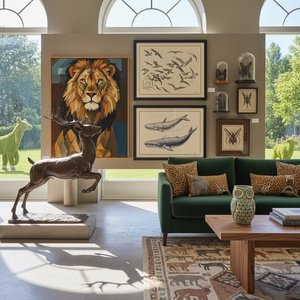
ცხოველთა სამყაროს გამორჩეული ներկայություն ხელოვნებაში: სიმბოლიზმი, ისტორიული კონტექსტი და თანამედროვე ინტერპრეტაციები
გამოიკვლიეთ ცხოველთა გამოსახულებების ღრმა სიმბოლიზმი ხელოვნებაში! ისტორიული კონტექსტი, თანამედროვე ინტერპრეტაციები და ინტერიერის დიზაინის საინტერესო მიდგომები OriginalUniqueArt-ის ექსპერტებისგან.

Franz Marc: Expressionism, Spirituality & the Animal Symbolism of a Modern Master
Explore the profound world of Franz Marc's Expressionist paintings. Discover his spiritual connection to animals, innovative use of color, and lasting impact on modern art history. Learn more at OriginalUniqueArt.


