ნახვა ინტერьерში
 გაგზავნა
 გაზიარება
 დეტალები
 გზამკვლევი

 ჩამოტვირთვა
 მსგავსები
 რენტგენოგრაფიული კვლევა
 სლაიდშოუ
 სტატისტიკა
Boy with a Lute
 Oil On Canvas
- WallArt
- Dutch Golden Age
 1625
1625- Early Modern
 72.0 x 59.0 cm
 Metropolitan Museum of Art
 სრული ტექსტის ნახვა
ხელით შესრულებული ზეთის საღებავით რეპროდუქცია
ტილოზე შესრულებული ფერწერიანი ზეთប្រდათი, თქვენთვის სასურველი ზომისა და ჩარჩოსთვის, ჩვენი ხელოვანების მიერ შეკვეთის საფუძველზე დამზადებული. ( გადართვა ბეჭდვის რეჟიმზე გადასვლა ციფრულ გამოსახულებაზე)




P118B ₾10

P118H ₾10

P118W ₾10

P438Z ₾10

P508JH ₾12

P508YH ₾12

P805H ₾10

P805Z ₾10

P919BZ ₾10

P919G ₾10

P919XJ ₾10

P959ZH ₾10

P968JZ ₾12

W106C ₾8

W218G ₾10

W218JH ₾8

W218Y ₾10

W307PJ ₾10

W316G ₾10

W316PJ ₾8

W316Y ₾10

W398PJ ₾8

W4111J ₾10

W500HY ₾15

W500JH ₾15

W692G ₾12

W849H ₾8

W940BG ₾15

W953PJ ₾8




აირჩიეთ ჩვენს მიერ წინასწარ განსაზღვრული ზომებიდან, რომლებიც ნაწარმოების ორიგინალურ პროპორციებს შეესაბამება.

თქვენ შეგიძლიათ მიუთითოთ თქვენთვის სასურველი ზომები კონკრეტული ჩარჩოს ან სივრცის შესაბამისად. თუ თქვენ მიერ არჩეული ზომა არ შეესაბამება ორიგინალი გამოსახულების პროპორციებს, ჩვენ ან შევაჭრებთ ნაწარმოებს, ან ტილოზე დავამატებთ ხელით მოხატულ ელემენტებს. წარმოების დაწყებამდე, დასამტკიცებლად გამოგეგზავნებათ ციფრული მაკეტი.
გთხოვთ, გაითვალისწინოთ, რომ ეკრანზე ნაჩვენები წინასწარი შეხედულება არ ასახავს რეალურ შეჭრას ან გაფართოებას. საბოლოო კომპოზიციას ზუსტად მხოლოდ მაკეტი წარმოაჩენს.
მიუხედავად იმისა, რომ შესაძლებელია ინდივიდუალური ზომების შერჩევა, ორიგინალური პროპორციების შენარჩუნებისათვის გირჩევთ, გამოიყენოთ წინასწარ განსაზღვრული სიის ზომები.
შეკვეთის შემდეგ, OriginalUniqueArt.com გუნდი დაგიკავშირდებათ ელექტრონული ფოსტით ინსტრუქციებისთვის და გამოგიგზავნით წინასწარ ნახაზს (mockup).
მიწოდება მსოფლიო მასშტაბით -ში 3/4 კვირაში, სტანდარტული 5 კვირის ნაცვლად. (11 ოქტომბერი). ხარისხზე კომპრომისის გაკეთება არ მოხდება.

უფასო ექსპრეს მიწოდება მთელ მსოფლიოში

მაღალი ხარისხის ტილო

ტრანსპორტირების სრული დაზღვევა

საბაჟო გადასახადების დაბრუნების გარანტია

ფერების სრული შესაბამისობის გარანტია

დაბრუნების 100-დღიანი პერიოდი (მხოლოდ წარმოების დეფექტის შემთხვევაში)

100% თანხის სრული დაბრუნების გარანტია

ფასდაკლება დიდი რაოდენობით შეკვეთისას
 მინის ჩარჩოს არჩევანი ხელმისაწვდომია მხოლოდ 110 სმ-მდე ზომისთვის

Boy with a Lute
რეპროდუქციის ტექნიკა
რეპროდუქციის ზომა
-


ჯამური ღირებულება
₾ 782
A Snapshot of Haarlem’s Artistic Soul: Frans Hals and ‘Boy with a Lute’
Frans Hals I, born in Antwerp around 1580, stands as an undeniable titan amongst Dutch Golden Age painters. Though biographical details remain elusive – his early years shrouded in the mists of time – he swiftly established himself as a visionary artist, forever changing perceptions of portraiture and genre scenes alike. His legacy resides not merely in quantity but in quality; Hals’s canvases possess an unparalleled immediacy and vibrancy that continues to captivate audiences centuries later. This remarkable achievement stems from his revolutionary approach to technique—a deliberate rejection of meticulous detail in favor of loose brushstrokes that capture the very essence of human presence.The Technique of Impressionism Before Its Time
Hals's distinctive style is arguably his most celebrated contribution to art history. Unlike many contemporaries who painstakingly layered paint upon paint, striving for photographic realism, Hals embraced a technique remarkably ahead of its time – what scholars now recognize as proto-impressionistic. He achieved this effect through rapid application of pigment mixed with turpentine and linseed oil, allowing the brushstrokes to blend subtly on the canvas surface. This method prioritized capturing fleeting moments of emotion and atmosphere rather than reproducing an exact likeness. The resulting texture is palpable; one can almost feel the artist’s hand moving across the linen fabric, conveying a dynamism absent in more conventional portraits.A Portrait Steeped in Symbolism: Beyond Mere Representation
‘Boy with a Lute,’ painted in 1625, exemplifies Hals's masterful ability to imbue seemingly simple subjects with profound symbolic resonance. The young man depicted isn’t merely posed before the viewer; he embodies a carefully considered aesthetic ideal – youthful vigor and intellectual contemplation. The lute itself is more than just an instrument; it represents musical artistry and erudition, qualities highly valued during Hals's era. Furthermore, the inclusion of two apples—one positioned prominently at the bottom left corner and another subtly placed near the top right—adds layers of meaning. Apples have long been associated with innocence, beauty, and fertility in European iconography, suggesting a celebration of youthful vitality and potential.Haarlem’s Artistic Landscape: Contextualizing Hals's Vision
Hals’s artistic journey unfolded against the backdrop of Haarlem, a burgeoning center for commerce and art patronage during the Dutch Golden Age. The city’s Guild of St. Luke fostered an environment conducive to innovation and experimentation, attracting artists like Hals who dared to challenge established conventions. Haarlem’s prosperity fueled ambitious commissions—particularly portraits of wealthy merchants and civic leaders—driving artistic creativity and establishing Hals as a leading figure in his time. His work reflects not only individual talent but also the broader cultural values of Haarlem during this period of unprecedented artistic flourishing.Emotional Resonance: Capturing the Soul Within
Perhaps most powerfully, ‘Boy with a Lute’ succeeds in conveying an emotional depth rarely achieved by artists of Hals's generation. The boy’s gaze—direct and unwavering—commands attention, inviting viewers to contemplate his inner thoughts and feelings. Hals expertly captures not just physical appearance but also psychological character, revealing a man absorbed in contemplation and imbued with quiet dignity. This ability to portray emotion authentically is what distinguishes Hals’s portraits from mere likenesses; they resonate with viewers long after the initial encounter, reminding us of the enduring power of art to illuminate the human condition.კითხვები და პასუხები
არის თუ არა ფრანს ჰალსი-ის „Boy with a Lute“ ცნობილი ნამუშევარი?
ფრანს ჰალსი-ის „Boy with a Lute“-ის პოპულარობის დონე არის Iconic. ეს კლასიფიკაცია ასახავს, თუ რამდენად ფართოდ არის აღიარებული ეს ნამუშევარი.
რომელ ხელოვანს მიეწერება "Boy with a Lute"?
"Boy with a Lute" შექმნილია ფრანს ჰალსი-ის მიერ. ამ გვერდზე მოცემული ინფორმაცია აღწერს ფრანს ჰალსი-ის ორიგინალურ ნამუშევარს.
რა გაჯერებულობასა და ინტენსივობას ავლენს ფრანს ჰალსი-ის „Boy with a Lute“?
ფრანს ჰალსი-ის „Boy with a Lute“ ფერები გამოირჩევა Muted გაჯერებულობით და Monochromatic ინტენსივობით.
როგორ არის აღწერილი ფრანს ჰალსი-ის „Boy with a Lute“ პალიტრა?
ფრანს ჰალსი-ის „Boy with a Lute“ იყენებს Earthy ფერების პალიტრას. ეს პალიტრა ასკლერავს ნამუშევრის საერთო ფეროვან ხასიათს.
როდის შეიქმნა "Boy with a Lute"?
ფრანს ჰალსი-ის „Boy with a Lute“ შეიქმნა 1625 წელს.
რა თემები არის გამოსახული ნამუშევარში ფრანს ჰალსი-ის „Boy with a Lute“?
ფრანს ჰალსი-ის „Boy with a Lute“-ში წარმოდგენილი თემები მოიცავს portraiture, musicinstrument, youngman, dutchpainting, genrescene, baroqueart, fruitstilllife-ს. ისინი ერთობლიობაში შეჯამებენ ნამუშევრის შინაარსს.
რამდენი წლის იყო ფრანს ჰალსი, როდესაც „Boy with a Lute“ შეიქმნა?
ფრანს ჰალსი 45 წლის იყო, როდესაც 1625 წელს შექმნა „Boy with a Lute“. ასაკი გამოთვლილია ხელოვანის დაბადების წლის, 1580, საფუძველზე.
მხატვრის ბიოგრაფია
ფრანს ჰალსის ცხოვრება და შემოქმედება
ფრანს ჰალსი, დაბადებული დაახლოებით 1580 წელს ანტვერპენში, ბელგიაში, იყო ნიდერლანდური ოქროს ხანის გამორჩეული მხატვარი. მისი ადრეული ცხოვრება გარშემორტყმულია საიდუმლოებით, თუმცა მან მალევე მოიპოვა მნიშვნელოვანი აღიარება და გახდა ამ ეპოქის ერთ-ერთი უდიდესი წარმომადგენელი, ცნობილი ინოვაციური პორტრეტული ხატვითა და ყოველდღიური სცენების გამოსახულებით. ჰალსის ხელოვნება არა მხოლოდ ტექნიკური virtuosity-ით, არამედ ადამიანის ფსიქოლოგიის სიღრმისეული გაგებითაც გამოირჩევა.
ადრეული წლები და განათლება
ჰალსის ჩამოყალიბების პერიოდი ნაკლებად არის ცნობილი. ვარაუდობენ, რომ მან თავისი პირველი სამხატვრო გამოცდილება ანტვერპენში მიიღო, რომელიც იმ დროს მნიშვნელოვან საფერფლეტო კένტრს წარმოადგენდა. თუმცა, რელიგიური და პოლიტიკური არეულობების გამო მისი ოჯახი ჰაარლემში გადავიდა ნიდერლანდებში. 1610 წელს იგი შეუერთდა ჰაარლემის წმინდა ლუკას გილდიას, რაც მის პროფესიონალურ კარიერას ფორმალურად დაადასტურა.
ხელოვნური სტილი და განვითარება
ჰალსი გამოირჩეოდა განსაკუთრებული სიახლისა და სპონტანურობის მქონე სტილით. იმ დროს პოპულარული, დეტალური მიდგომებისგან განსხვავებით, ჰალსმა გამოიყენა თავისუფალი და გამომსახატავი ხაზი. ამ ტექნიკამ მის ნახატებს უნიკალური სიცოცხლისუნარიანი ელფერი შესძინა, რაც მისი სუბიექტების პიროვნებასა და ხასიათს წარმოაჩენდა რევოლუციული ფორმით. ჰალსის პორტრეტები მხოლოდ მსგავსება არ იყო; ისინი ფსიქოლოგიური შესწავლა იყო.
- მისი პორტრეტები არა მხოლოდ გარეგნულობას ასახავდნენ, არამედ ადამიანის შინაგან სამყაროსაც.
- ჰალსმა შეძლო მომენტალური განცდების – სიცილის, საუბრის ან ჩ contemplation-ის – გამოსახვა.
- მისი სინათლე და ჩრდილის გამოყენებამ ნახატებს სიღრმე და დრამატიზმი შესძინა.
გამოჩენილი ნაწარმოებები
ჰალსმა შექმნა მრავალი შედევრი, თუმცა ყველაზე მეტად პორტრეტებითაა ცნობილი. მის გამორჩეულ ნახატებს შორის არის:
- მხიარული კავალერი (1624) – ნამდვილი მაგალითია მისი უნარის, დააფიქსირონ ხასიათი და მოძრაობა.
- მალი ბაბე (დაახლოებით 1633-1635) – განსაცვიფრებელი პორტრეტი მოხუცი ქალისა, რომელიც ჰალსის უნარს წარმოაჩენს ასაკისა და ინდივიდუალობის გამოსახვაში.
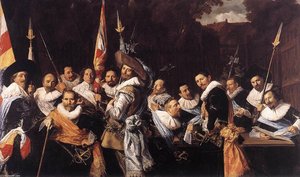
- ჰაარლემის სახლების რეგენტების პორტრეტები (1664) - მისი უმაღლესი ოსტატობის დემონსტრაცია ჯგუფური პორტრეტის შესრულებაში.
მისი ყოველდღიური სცენების გამოსახულებებმა – ნიდერლანდური საზოგადოების ფრაგმენტები – მომხიბლავი ჩანახატები შემოგვთავაზა.
გავლენა და მემკვიდრეობა
ჰალსის პირდაპირი გავლენის განსაზღვრა რთულია, რადგან მან საკუთარი, უნიკალური სტილი ჩამოაყალიბა. თუმცა, შესაძლებელია, რომ იგი ადრეულ ფლამანდელ მხატვრებს, როგორიცაა პიტერ ბრუგელი უფროსი, იცნობდა. მისმა ინოვაციურმა მიდგომამ პორტრეტულ ხატვისადმი შემდგომ თაობების დამოკიდებულებას მნიშვნელოვნად შეცვალა.
- მან გავლენა მოახდინა მხატვრებზე, როგორიცაა ადრიენ ბროუერი და იოჰანეს ვერმეერი.
- პიროვნების აღსანიშნავმა ხასიათმა საფუძველი ჩაუყარა უფრო ინტიმურ და ფსიქოლოგიურ პორტრეტებს.
- მოგვიანდელმა მხატვრებმა, მათ შორის იმპრესიონისტებმა, შეაფასეს მისი თავისუფალი ხაზი და სინათლისაკენ მიდრეკილობა.
ისტორიული მნიშვნელობა
ფრანს ჰალსმა გადამწყვეტი როლი ითამაშა ნიდერლანდური ხატვის ჩამოყალიბებაში ოქროს ხანაში. მისი ნამუშევრები ასახავს ქვეყნის აყვავებულობასა და ინდივიдуаლიზმის ზრდას იმ პერიოდში. მან უარი თქვა ფორმალურ rigidity-ზე და უფრო ბუნებრივი და გამომსახატავი სტილისკენ გაემართა, რაც ხელოვნების სამყაროში ეკვერცხი მიიტანა.
დღეს მისი ნახატები დიდი მოთხოვნადია და მსოფლიოს წამყვან მუზეუმებში ინახება, მათ შორის ფრანს ჰალსის მუზეუმში ჰაარლემში, სადაც მისი ყველაზე დიდი კოლექცია არის წარმოდგენილი. მისი შემოტანა დღესაც ა inspires-ებს მხატვრებს და ასობით წლით მოგვიანდგომებსაც აღაფრთოვანებს.

ფრანს ჰალსი
1580 - 1585 , ბელგია
მოკლე ფაქტები
- გავლენა: ['ადრიან ბრუვერი']
- დაბადების ადგილი: ანტვერპენი, ბელგია
- დაბადების თარიღი: 1580
- ეროვნება: ჰოლანდიელი
- მნიშვნელოვანი ნაწარმოებები:
- ნათქვამი კავალერი
- მალე ბაბე
- სრული სახელი: ფრანს ჰალსი I
- ხატვის სტილი: ოქროს ხანა
მსგავსი სტატიები

ჰოლანდიის ოქროს ხანა: 10 შედევრი, რომელმაც განსაზღვრა ხელოვნება
აღმოფრთოვანდით ჰოლანდიის ოქროს ხანას! 10 შედევრი რემბრანტის, ვერმეერის და სხვა დიდებულებისგან. ითვლით ხელოვნების ისტორიას, აღმოაჩინეთ მათი ტექნიკები და შეიძინეთ музейური ხარისხის რეპროდუქციები OriginalUniqueArt.com-ზე!

Frans Hals I: Innovation, Intimacy & the Dutch Golden Age Portrait
Explore the revolutionary portraiture of Frans Hals I, a master of the Dutch Golden Age. Discover his innovative techniques, captivating character studies & lasting impact on art history. Learn more at OriginalUniqueArt.

Illuminating Innovation: Exploring the Dutch Golden Age of Painting
Explore the Dutch Golden Age of painting with OriginalUniqueArt. Discover Rembrandt, Vermeer & other Masters. Learn about key characteristics, iconic artworks, and lasting influence. Expert insights for collectors & enthusiasts.

Golden Light & Dutch Skies: The Timeless Magic of Dutch Golden Age Landscapes
Discover the breathtaking beauty of Dutch Golden Age landscapes. Explore the mastery of light, chiaroscuro, and 17th-century realism through an expert art history lens, celebrating the enduring legacy of the Dutch Masters for discerning collectors and art lovers.

Golden Age Reflections: Dutch Baroque Painting & Cultural Innovation
Explore the Dutch Golden Age of painting! Discover key artists like Vermeer & ter Borch, their innovative techniques, and the rich cultural context behind these Baroque masterpieces. Learn about collecting & appreciating this iconic art period.