

 ნახვა ინტერьерში
 გაგზავნა
 გაზიარება
 დეტალები
 გზამკვლევი

 ჩამოტვირთვა
 მსგავსები
 რენტგენოგრაფიული კვლევა
 სლაიდშოუ
 სტატისტიკა
Juno Asking Aeolus to Release the Winds
 Oil On Canvas
- WallArt
 1769
1769- Renaissance
 278.0 x 203.0 cm
 კიმბელი არტის მუზეียม
 სრული ტექსტის ნახვა
ხელით შესრულებული ზეთის საღებავით რეპროდუქცია
ტილოზე შესრულებული ფერწერიანი ზეთប្រდათი, თქვენთვის სასურველი ზომისა და ჩარჩოსთვის, ჩვენი ხელოვანების მიერ შეკვეთის საფუძველზე დამზადებული. ( გადართვა ბეჭდვის რეჟიმზე გადასვლა ციფრულ გამოსახულებაზე)




P118B ₾10

P118H ₾10

P118W ₾10

P438Z ₾10

P508JH ₾12

P508YH ₾12

P805H ₾10

P805Z ₾10

P919BZ ₾10

P919G ₾10

P919XJ ₾10

P959ZH ₾10

P968JZ ₾12

W106C ₾8

W218G ₾10

W218JH ₾8

W218Y ₾10

W307PJ ₾10

W316G ₾10

W316PJ ₾8

W316Y ₾10

W398PJ ₾8

W4111J ₾10

W500HY ₾15

W500JH ₾15

W692G ₾12

W849H ₾8

W940BG ₾15

W953PJ ₾8




აირჩიეთ ჩვენს მიერ წინასწარ განსაზღვრული ზომებიდან, რომლებიც ნაწარმოების ორიგინალურ პროპორციებს შეესაბამება.

შეიყვანეთ თქვენთვის საჭირო სიგანე და სიმაღლე, რათა ნახატი მოერგოს თქვენს ჩარჩოს ან კედელს. ვინაიდან ეს ნამუშევარი ხელით არის შესრულებული, სხვა ფორმის ზომის შემთხვევაში, მხატვარმა შესაძლოა სურათის გარშემო ოდნავ მეტი დატოვოს ან შეამციროს — არჩევანი თქვენზეა. დაწყებამდე, დასამტკიცებლად, ჩვენ გამოგიგზავნით ციფრულ მაკეტს. ამ გვერდზე ნაჩვენები სურათი არ ასახავს რეალურ შედეგს — რეალური სახე მხოლოდ მაკეტზე ჩანს.
შეკვეთის შემდეგ, OriginalUniqueArt.com გუნდი დაგიკავშირდებათ ელექტრონული ფოსტით ინსტრუქციებისთვის და გამოგიგზავნით წინასწარ ნახაზს (mockup).
მიწოდება მსოფლიო მასშტაბით -ში 3/4 კვირაში, სტანდარტული 5 კვირის ნაცვლად. (24 ოქტომბერი). ხარისხზე კომპრომისის გაკეთება არ მოხდება.

უფასო ექსპრეს მიწოდება მთელ მსოფლიოში

მაღალი ხარისხის ტილო

ტრანსპორტირების სრული დაზღვევა

საბაჟო გადასახადების დაბრუნების გარანტია

ფერების სრული შესაბამისობის გარანტია

დაბრუნების 100-დღიანი პერიოდი (მხოლოდ წარმოების დეფექტის შემთხვევაში)

100% თანხის სრული დაბრუნების გარანტია

ფასდაკლება დიდი რაოდენობით შეკვეთისას
 მინის ჩარჩოს არჩევანი ხელმისაწვდომია მხოლოდ 110 სმ-მდე ზომისთვის

Juno Asking Aeolus to Release the Winds
რეპროდუქციის ტექნიკა
რეპროდუქციის ზომა
-


ჯამური ღირებულება
₾ 782
A Dramatic Dance of Power and Jealousy: François Boucher’s Juno
François Boucher's "Juno Asking Aeolus to Release the Winds," painted in 1769, is more than just a mythological scene; it’s a meticulously crafted tableau of emotional intensity, a quintessential example of Rococo artistry at its most opulent and psychologically astute. The painting captures a pivotal moment from Virgil’s *Aeneid*, where the formidable goddess Juno, consumed by her vengeful jealousy towards Venus for her son Aeneas' impending arrival in Italy, manipulates Aeolus, the Titan god of winds, to unleash a tempestuous storm upon the Trojan fleet. Boucher doesn’t simply depict a mythological narrative; he excavates the complex emotions driving each character – Juno’s simmering rage, Aeolus’ hesitant compliance, and the subtle allure offered as a reward.
The Rococo Palette and Painterly Technique
Boucher’s mastery lies not just in his subject matter but also in his exquisite technique. Executed with a delicate yet confident hand, the painting showcases the hallmarks of the Rococo style: vibrant colors—rich reds, deep blues, and shimmering golds—applied in loose, flowing brushstrokes that create an atmosphere of luxurious sensuality. The composition is carefully balanced, drawing the eye towards the central figures while utilizing atmospheric perspective to suggest a vast, turbulent seascape beyond. Boucher’s use of *sfumato*, a technique borrowed from Leonardo da Vinci, softens the edges and creates a hazy, dreamlike quality, further enhancing the painting's emotional resonance. The meticulous detailing in the drapery, the textures of the seafoam, and the subtle expressions on the characters’ faces demonstrate Boucher’s exceptional skill as a painter.
A Mythological Tapestry: Symbolism and Narrative
The scene is laden with symbolic meaning. Juno's commanding presence, adorned in regal purple robes and radiating an aura of potent fury, immediately establishes her dominance. Aeolus, caught between his duty to the gods and the promise of a beautiful nymph, Deiopea, embodies hesitant compliance. The inclusion of the sea nymph reclining in the foreground—a figure of alluring beauty and effortless grace—represents the potential reward for Aeolus’s actions, highlighting the seductive power of desire and the consequences of succumbing to temptation. Neptune, god of the sea, subtly positioned at the bottom of the composition, serves as a reminder of the ultimate authority over the elements, ensuring that even the most powerful winds will eventually yield to his dominion. The entire scene is a carefully orchestrated drama of divine intervention and human vulnerability.
Historical Context: Boucher’s Legacy
François Boucher's rise to prominence in 18th-century France coincided with a period of significant artistic innovation and patronage. Following the death of Louis XIV, the court shifted its focus from the grandeur of the Baroque era towards the more intimate and decorative style of Rococo. Boucher was one of the leading artists of this movement, serving as a key figure in the Académie Royale de Peinture et de Sculpture. His works were highly sought after by royalty and nobility, adorning palaces and private collections throughout Europe. Boucher’s ability to seamlessly blend mythological narratives with contemporary sensibilities cemented his reputation as a master of both classical tradition and fashionable aesthetics. He was celebrated for his skill in depicting the female form, particularly in allegorical and pastoral scenes, and his influence can be seen in the works of many subsequent artists.
A Timeless Appeal: Reproduction and Interior Design
“Juno Asking Aeolus to Release the Winds” continues to captivate viewers with its dramatic composition, rich colors, and profound psychological depth. High-quality reproductions offer a stunning way to bring this masterpiece into any interior space, adding an element of timeless elegance and artistic sophistication. The painting’s themes of jealousy, power, and temptation resonate deeply, making it a compelling subject for contemplation and discussion. Consider framing the reproduction in a classic style to complement its Rococo origins, or explore larger-scale versions for impactful statement pieces within a sophisticated living room or study.
კითხვები და პასუხები
რა ტექნიკით არის შესრულებული ფრანსუა ბუშე-ის „Juno Asking Aeolus to Release the Winds“?
ფრანსუა ბუშე-ის „Juno Asking Aeolus to Release the Winds“-ის ტექნიკა არის Oil On Canvas. რეპროდუქციების მიზანია ამ ტექნიკის ვიზუალური მხარის ზუსტი გადმოცემა.
ვინ ყიდის ფრანსუა ბუშე-ის „Juno Asking Aeolus to Release the Winds“-ის ხელით ნათესლობილ ასლებს?
"Juno Asking Aeolus to Release the Winds" ხელმისაწვდომია, როგორც ლენის ტილოზე შესრულებული ზეთწარმოთი, ხელით ნათესლით. შეკვეთის განთავსება და ზომების არჩევა შესაძლებელია მისი ხელით ნათესლიერი რეპროდუქცია გვერდის მეშვეობით.
საიდან მოდიან ფრანსუა ბუშე-ის „Juno Asking Aeolus to Release the Winds“-ის სტუმრები?
ფრანსუა ბუშე-ის „Juno Asking Aeolus to Release the Winds“-ის სტატისტიკა გვერდი წარმოადგენს საჯარო ვიზიტების სტატისტიკას: ამ ნამუშევრის ყოველთვიურ ნახვებს, შედარებას ხელოვანის ყველაზე პოპულარულ ნამუშევრებთან და იმას, თუ საიდან მოდიან მისი დამთვალიერებლები.
მხატვრის ბიოგრაფია
ფრანსუა ბუშეს ცხოვრება და ხელოვნების ეპოქა
ფრანსუა ბუშე (1703-1770) XVIII საუკუნის ფრანგული ხელოვნების ერთ-ერთი უმნიშვნელოვანესი ფიგურა იყო, რომელიც როკოკოს პერიოდის ყველაზე სახელოვანი მხატვრის სახელით ცნობილია. მისი ნამუშევრები ამ ეპოქის ელეგანტურობას, სენსუალურობასა და მხიარულ განწყობას გამოხატავს. ბუშეს შემოქმედებამ მნიშვნელოვნად განსაზღვრა XVIII საუკუნის ხელოვნების სახე.
ადრეული წლები და განათლება
ფრანსუა ბუშე დაიბადა 1703 წლის 29 სექტემბერს პარიზში. მისი სამხატვრო მოგზაურობა მამის, ჟან ბუშეს ხელქვეითობით დაიწყო, რომელიც თვითონაც მხატვარი იყო. თვრამეტი წლის ასაკში მან ფრანსუა ლემუენის ყურადღება მიიქცია, რამაც მოკლე, მაგრამ მნიშვნელოვანი სტაჟირება გამოიწვია. მან თავისი უნარები კიდევ უფრო გააუმჯობესა ჟან-ფრანსუა კარასთან, სანამ 1720 წელს პრესტიჟულ Grand Prix de Rome-ს მოიგებდა. ეს გამარჯვება მის კარიერაში გადამწყვეტი მომენტი გახდა.
პოპულარობისკენ აღზევება და სამხატვრო განვითარება
ბუშეს რომში გატარებულმა პერიოდმა მასზე დიდი გავლენა მოახდინა. საფრანგეთში დაბრუნების შემდეგ, 1731 წელს იგი მიიღეს Académie Royale de Peinture et de Sculpture-ში. მისი *morceau de réception*, “Rinaldo და Armida” (1734), მაშინვე დაამყარა მისი ავტორიტეტი როკოკოს სტილის ოსტატად. ამ პერიოდმა გამოავლინა ბუშეს უნიკალური ხმოვნება, რომელიც დელიკატური ფუნჯითა და პასტელურ ფერებით, მითოლოგიური და პასტორალური თემების სიყვარულით ხასიათდებოდა.
ძირითადი ნამუშევრები და თემები
ბუშეს შემოქმედება საოცრად მრავალფეროვანია. მასში მოიცულია მითოლოგიური სურათები, პორტრეტები, ჟანრის სცენები და დეკორატიული ხელოვნება. მის ყველაზე ცნობილ ნამუშევრებს შორის არის:
- “საუზმე” (1739): მომხიარულო გამოსახულება ოჯახური ცხოვრების შესახებ, სადაც მისი მეუღლე და შვილები არიან ასახული.
- “ვენერას ტრიუმფი” (1740-1751): სერია ნახატები, რომლებიც ბუშეს უნარს წარმოადგენს მითოლოგიური ისტორიების გამოსახულებაში.
- მრავალი პორტრეტი Madame de Pompadour-ის, მეფე ლუი XV-ის გავლენიანი საყვარლისა, რაც მის მდგომარეობას ამყარა სამეფო კარზე.
- ლანდშაფტული ნახატები, როგორიცაა “მზის ჩასვლა”, რომელიც ლირიკულ და იდილიურ ხედვას წარმოადგენს ბუნებაზე.
ბუშეს ნამუშევრებში განმეორებადი თემებია სიყვარული, სილამაზე, დაუსრულებელი თავისუფლება და მითოლოგიის იდეალური სამყარო. მისი ნახატები ხშირად იწვევს მხიარულ ეროტიზმს და გა refinementებულ ელეგანტურობას.
გავლენა და მემკვიდრეობა
ბუშეს გავლენამ გადალახა მხოლოდ ფერწერა. მან შექმნა კოსტუმები და დეკორაციები თეატრისთვის, გააკეთა ტაპეტები Beauvais-ის სახელოსნოებისთვის და თანამშრომლობდა Gobelins Manufactory-თან. მისი დანიშვნა *Premier Peintre du Roi*-ად 1765 წელს, განმტკიცდა როგორც ფრანგული როკოკოს წამყვანი მხატვარი.
თუმცა მოგვიანდგომმა კრიტიკოსებმა შეექ debatingეს როკოკოს ხელოვნების ზემოქმედებას, ბუშეს გავლენა მომდევნო თაობებზე უდავოდ რჩება. მან იმოქmedია მხატვრებზე, როგორიცაა Jean-Honoré Fragonard, და მნიშვნელოვანი წვლილი შეიტანა ნეოკლასიკიზმის განვითარებაში თავისი მოსწავლეების საშუალებით.
ისტორიული მნიშვნელობა
ფრანსუა ბუშეს ნამუშევრები XVIII საუკუნის ფრანგული საზოგადოების გემოვნებისა და ღირებულებების შესახებ უნიკალურ ინფორმაციას გვთავაზობს. მისი ნახატები ასახავს ეპოქის არისტოკრატიულ კულტურას, რომელიც ხასიათდება მდიდრობით, გა refinementებულობითა და სიამოვნების ძიებით. ის დღესაც მნიშვნელოვანი ფიგურაა ხელოვნების ისტორიაში, აღიარებულია მისი ტექნიკური უნარისთვის, სამხატვრო ინოვაციებისთვის და როკოკოს სტილში გატანილი მდგრადი წვლილისთვის.

ფრანსუა ბუშე
1703 - 1770 , საფრანგეთი
მოკლე ფაქტები
- გავლენა ვრცელდება:
- ჟან-ფრანსუა კარსი
- ფრანსუა ლემუანი
- გავლენილი მხატვრები: ['ჟან-ონორე ფრაგონარი']
- გარდაცვალების თარიღი: 1770
- დაბადების ადგილი: პარიზი, საფრანგეთი
- დაბადების თარიღი: 29 სექტემბერი 1703
- ეროვნება: ფრანგი
- მნიშვნელოვანი ნაწარმოებები:
- Rinaldo and Armida
- The Breakfast
- The Triumph of Venus
- სრული სახელი: ფრანსუა ბუშე
- ხელოვნების მიმდინარეობა: როკოკო
მსგავსი სტატიები

როკოკოს ეტალონი: ტopp 10 შედევრი ხელოვნების ისტორიაში | OriginalUniqueArt
აღმოფრთოვანდით როკოკოს ეპოქის ტopp 10 შედევრით! გი tanıtავთ გამოჩენილ არტისტებს, მათი უნიკალური სტილსა და ფერწერულ ნაწარმოებებს. OriginalUniqueArt-ზე იხილეთ მუზეუმული ხარისხის ხელოვნების რესპუბლიკები და შექმნით თქვენი ოცნების ინტერიერი!
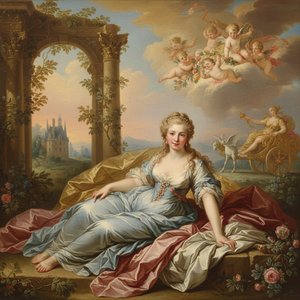
François Boucher: Rococo Master of Myth, Sensuality, and the French Court
Explore the captivating world of François Boucher, master of Rococo painting! Discover his iconic works, aristocratic patronage, and lasting influence on French art history. Learn more at OriginalUniqueArt.

The Allure of Elegance in Art: A Historical & Aesthetic Exploration of Refinement & Grace
Explore the exquisite world of Rococo art! Discover its history, masters (Watteau, Boucher & more), and defining elegance. Expert insights for collectors seeking museum-quality reproductions & custom portraits.
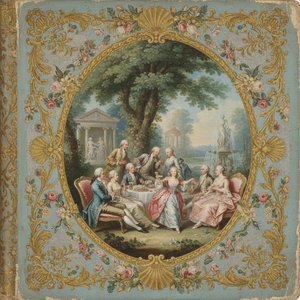
The Rococo Style: Aristocratic Leisure & the Pursuit of Delight in 18th-Century Art
Explore the opulent world of Rococo art! Discover Watteau, Boucher & Nattier's masterpieces. Expert insights for collectors seeking museum-quality reproductions and custom portraits at OriginalUniqueArt.

The Rococo Aesthetic: Opulence, Rebellion & the Pursuit of Pleasure in 18th-Century Art
Explore the opulent world of Rococo art! Discover its origins, key artists like Watteau & Boucher, and lasting influence on design. Expert insights for collectors & enthusiasts.