

 ნახვა ინტერьерში
 გაგზავნა
 გაზიარება
 დეტალები
 გზამკვლევი

 ჩამოტვირთვა
 მსგავსები
 რენტგენოგრაფიული კვლევა
 სლაიდშოუ
 სტატისტიკა
Crossing the Bridge
 Oil On Canvas
- WallArt
- Rococo Elegance
 1730
1730- Early Modern
 59.0 x 72.0 cm
 Hermitage Museum
 სრული ტექსტის ნახვა
გიკლე / ხელოვნების პრინტი
მუზეუმის დონის ჟიკლე ან ტილოზე ბეჭდვა სწრაფი წარმოებისა და დასრულების მოქნილი ვარიანტებით. ( შეიძინეთ ხელით შესრულებული ნახატი გადასვლა ციფრულ გამოსახულებაზე)




P118B ₾10

P118H ₾10

P118W ₾10

P438Z ₾10

P508JH ₾12

P508YH ₾12

P805H ₾10

P805Z ₾10

P919BZ ₾10

P919G ₾10

P919XJ ₾10

P959ZH ₾10

P968JZ ₾12

W106C ₾8

W218G ₾10

W218JH ₾8

W218Y ₾10

W307PJ ₾10

W316G ₾10

W316PJ ₾8

W316Y ₾10

W398PJ ₾8

W4111J ₾10

W500HY ₾15

W500JH ₾15

W692G ₾12

W849H ₾8

W940BG ₾15

W953PJ ₾8




აირჩიეთ ჩვენს მიერ წინასწარ განსაზღვრული ზომებიდან, რომლებიც ნაწარმოების ორიგინალურ პროპორციებს შეესაბამება.

შეიყვანეთ თქვენთვის საჭირო სიგანე და სიმაღლე, რათა იგი მოერგოს თქვენს ჩარჩოს ან კედელს. ბეჭდვისას შესაძლებელია მხოლოდ მისი შემცირება და არა გაზრდა, ამიტომ სხვა ფორმის ზომის შემთხვევაში გამოსახულება ნაწილობრივ იკარგება. სანამ რაიმეს დაბეჭდავთ, ჩვენ გამოგიგზავნით ციფრულ მაკეტს დასდასტურებლად. ამ გვერდზე ნაჩვენები სურათი არ ასახავს რეალურ ჭრას — ამას მხოლოდ მაკეტი გვიჩვენებს.
მიწოდება მთელ მსოფლიოში () 2 კვირაში, სტანდარტული 4/5 კვირის ნაცვლად. (23 ოქტომბერი)

უფასო ექსპრეს მიწოდება მთელ მსოფლიოში

მაღალი ხარისხის ტილო

ტრანსპორტირების სრული დაზღვევა

საბაჟო გადასახადების დაბრუნების გარანტია

ფერების სრული შესაბამისობის გარანტია

დაბრუნების 100-დღიანი პერიოდი (მხოლოდ წარმოების დეფექტის შემთხვევაში)

100% თანხის სრული დაბრუნების გარანტია

ფასდაკლება დიდი რაოდენობით შეკვეთისას
 მინის ჩარჩოს არჩევანი ხელმისაწვდომია მხოლოდ 110 სმ-მდე ზომისთვის

Crossing the Bridge
გიკლე / ხელოვნების პრინტი
რეპროდუქციის ზომა
-


ჯამური ღირებულება
₾ 209
A Pastoral Dream in Pastel: The Enchantment of Crossing the Bridge
In the soft, luminous glow of the 18th century, few artists captured the ephemeral beauty of a summer afternoon as masterfully as François Boucher. His work, "Crossing the Bridge," serves as a breathtaking window into the Rococo era—a period defined by an unapologetic pursuit of grace, leisure, and aesthetic delight. At first glance, the viewer is transported to an idealized countryside, where the stresses of urban life dissolve into a tranquil tableau of pastoral serenity. A woman, moving with effortless poise, leads her horse and sheep across a weathered stone bridge, her journey mirrored by the slow, rhythmic presence of grazing cows and a watchful dog. This is not merely a landscape; it is a carefully orchestrated symphony of movement and stillness, designed to evoke a sense of profound peace and aristocratic nostalgia.
< p>The composition itself is a masterclass in balance and visual storytelling. Boucher employs a sophisticated pyramidal structure, anchoring the eye with the imposing silhouette of a majestic castle perched atop a distant hillside. This architectural weight provides a sense of permanence that contrasts beautifully with the fleeting, delicate nature of the foreground elements. The bridge acts as more than just a physical path; it serves as a narrative conduit, guiding the observer’s gaze from the intimate details of the animals and the traveler toward the grand, aspirational heights of the fortress. Through this clever arrangement, Boucher creates a sense of depth that invites the viewer to step into the canvas, wandering through the lush greenery and feeling the warmth of the sun-drenched landscape.Technique and the Radiance of Rococo Light
To behold "Crossing the Bridge" is to witness the pinnacle of Rococo technique. Boucher was a virtuoso of trompe l'oeil effects, utilizing meticulous layering of pigments to breathe life into textures that feel almost tactile. One can almost sense the coarse wool of the sheep, the sturdy grain of the stone bridge, and the velvet softness of the meadow grass. His palette is famously ethereal, dominated by a romantic spectrum of pinks, peaches, and lavenders. These pastel hues do not merely decorate the scene; they bathe it in an atmospheric light that softens the edges of reality, creating a dreamlike quality that is both captivating and soothing.
The artist’s brushwork remains a subject of profound admiration for collectors and historians alike. While his strokes are delicate enough to capture the subtle gradations of a cloud or the gentle ripple of water, they possess an underlying confidence that lends the scene its vitality. This balance between precision and fluidity is what allows the painting to transcend mere imitation of nature, instead offering an elevated, idealized version of it. For the interior designer or the discerning art lover, this piece offers a unique opportunity to introduce a sense of historical grandeur and luminous warmth into a space, acting as a focal point that radiates elegance and timeless charm.
A Legacy of Elegance for the Modern Collector
Beyond its aesthetic brilliance, "Crossing the Bridge" carries the weight of historical significance. Created in 1730, during the reign of Louis XV, the painting reflects the cultural values of a society that found beauty in the pastoral and the idyllic. The inclusion of livestock is not merely incidental; it pays homage to the agricultural foundations of French life, reimagined through a lens of aristocratic refinement. It is a celebration of a world where nature and civilization exist in perfect, harmonious equilibrium.
For those seeking to adorn their homes or galleries with works of profound emotional impact, a high-quality reproduction of this Boucher masterpiece offers more than just decoration. It provides an infusion of culture and a constant reminder of the enduring power of beauty. Whether placed in a sunlit morning room or a sophisticated study, "Crossing the Bridge" continues to inspire awe, offering a quiet sanctuary of color and light that remains as relevant and enchanting today as it was three centuries ago.
კითხვები და პასუხები
ზუსტად რომელ ოთახშია რეკომენდებული ფრანსუა ბუშე-ის „Crossing the Bridge“?
ფრანსუა ბუშე-ის „Crossing the Bridge“ რეკომენდებულია Living Room-ისთვის. ეს შეთავაზება ეფუძნება ნამუშევრის თემატიკას, ფერებსა და განწყობას.
რა მასალისგან არის შექმნილი "Crossing the Bridge"?
"Crossing the Bridge" შესრულებულია Oil On Canvas-ით.
ფრანსუა ბუშე-ის „Crossing the Bridge“ ღია ფერების ნამუშევარია თუ მუქი?
„Crossing the Bridge“-ის საერთო სიკაშკაშე არის shadow, ხოლო მისი განათება — Soft Shadow.
მხატვრის ბიოგრაფია
ფრანსუა ბუშეს ცხოვრება და ხელოვნების ეპოქა
ფრანსუა ბუშე (1703-1770) XVIII საუკუნის ფრანგული ხელოვნების ერთ-ერთი უმნიშვნელოვანესი ფიგურა იყო, რომელიც როკოკოს პერიოდის ყველაზე სახელოვანი მხატვრის სახელით ცნობილია. მისი ნამუშევრები ამ ეპოქის ელეგანტურობას, სენსუალურობასა და მხიარულ განწყობას გამოხატავს. ბუშეს შემოქმედებამ მნიშვნელოვნად განსაზღვრა XVIII საუკუნის ხელოვნების სახე.
ადრეული წლები და განათლება
ფრანსუა ბუშე დაიბადა 1703 წლის 29 სექტემბერს პარიზში. მისი სამხატვრო მოგზაურობა მამის, ჟან ბუშეს ხელქვეითობით დაიწყო, რომელიც თვითონაც მხატვარი იყო. თვრამეტი წლის ასაკში მან ფრანსუა ლემუენის ყურადღება მიიქცია, რამაც მოკლე, მაგრამ მნიშვნელოვანი სტაჟირება გამოიწვია. მან თავისი უნარები კიდევ უფრო გააუმჯობესა ჟან-ფრანსუა კარასთან, სანამ 1720 წელს პრესტიჟულ Grand Prix de Rome-ს მოიგებდა. ეს გამარჯვება მის კარიერაში გადამწყვეტი მომენტი გახდა.
პოპულარობისკენ აღზევება და სამხატვრო განვითარება
ბუშეს რომში გატარებულმა პერიოდმა მასზე დიდი გავლენა მოახდინა. საფრანგეთში დაბრუნების შემდეგ, 1731 წელს იგი მიიღეს Académie Royale de Peinture et de Sculpture-ში. მისი *morceau de réception*, “Rinaldo და Armida” (1734), მაშინვე დაამყარა მისი ავტორიტეტი როკოკოს სტილის ოსტატად. ამ პერიოდმა გამოავლინა ბუშეს უნიკალური ხმოვნება, რომელიც დელიკატური ფუნჯითა და პასტელურ ფერებით, მითოლოგიური და პასტორალური თემების სიყვარულით ხასიათდებოდა.
ძირითადი ნამუშევრები და თემები
ბუშეს შემოქმედება საოცრად მრავალფეროვანია. მასში მოიცულია მითოლოგიური სურათები, პორტრეტები, ჟანრის სცენები და დეკორატიული ხელოვნება. მის ყველაზე ცნობილ ნამუშევრებს შორის არის:
- “საუზმე” (1739): მომხიარულო გამოსახულება ოჯახური ცხოვრების შესახებ, სადაც მისი მეუღლე და შვილები არიან ასახული.
- “ვენერას ტრიუმფი” (1740-1751): სერია ნახატები, რომლებიც ბუშეს უნარს წარმოადგენს მითოლოგიური ისტორიების გამოსახულებაში.
- მრავალი პორტრეტი Madame de Pompadour-ის, მეფე ლუი XV-ის გავლენიანი საყვარლისა, რაც მის მდგომარეობას ამყარა სამეფო კარზე.
- ლანდშაფტული ნახატები, როგორიცაა “მზის ჩასვლა”, რომელიც ლირიკულ და იდილიურ ხედვას წარმოადგენს ბუნებაზე.
ბუშეს ნამუშევრებში განმეორებადი თემებია სიყვარული, სილამაზე, დაუსრულებელი თავისუფლება და მითოლოგიის იდეალური სამყარო. მისი ნახატები ხშირად იწვევს მხიარულ ეროტიზმს და გა refinementებულ ელეგანტურობას.
გავლენა და მემკვიდრეობა
ბუშეს გავლენამ გადალახა მხოლოდ ფერწერა. მან შექმნა კოსტუმები და დეკორაციები თეატრისთვის, გააკეთა ტაპეტები Beauvais-ის სახელოსნოებისთვის და თანამშრომლობდა Gobelins Manufactory-თან. მისი დანიშვნა *Premier Peintre du Roi*-ად 1765 წელს, განმტკიცდა როგორც ფრანგული როკოკოს წამყვანი მხატვარი.
თუმცა მოგვიანდგომმა კრიტიკოსებმა შეექ debatingეს როკოკოს ხელოვნების ზემოქმედებას, ბუშეს გავლენა მომდევნო თაობებზე უდავოდ რჩება. მან იმოქmedია მხატვრებზე, როგორიცაა Jean-Honoré Fragonard, და მნიშვნელოვანი წვლილი შეიტანა ნეოკლასიკიზმის განვითარებაში თავისი მოსწავლეების საშუალებით.
ისტორიული მნიშვნელობა
ფრანსუა ბუშეს ნამუშევრები XVIII საუკუნის ფრანგული საზოგადოების გემოვნებისა და ღირებულებების შესახებ უნიკალურ ინფორმაციას გვთავაზობს. მისი ნახატები ასახავს ეპოქის არისტოკრატიულ კულტურას, რომელიც ხასიათდება მდიდრობით, გა refinementებულობითა და სიამოვნების ძიებით. ის დღესაც მნიშვნელოვანი ფიგურაა ხელოვნების ისტორიაში, აღიარებულია მისი ტექნიკური უნარისთვის, სამხატვრო ინოვაციებისთვის და როკოკოს სტილში გატანილი მდგრადი წვლილისთვის.

ფრანსუა ბუშე
1703 - 1770 , საფრანგეთი
მოკლე ფაქტები
- გავლენა ვრცელდება:
- ჟან-ფრანსუა კარსი
- ფრანსუა ლემუანი
- გავლენილი მხატვრები: ['ჟან-ონორე ფრაგონარი']
- გარდაცვალების თარიღი: 1770
- დაბადების ადგილი: პარიზი, საფრანგეთი
- დაბადების თარიღი: 29 სექტემბერი 1703
- ეროვნება: ფრანგი
- მნიშვნელოვანი ნაწარმოებები:
- Rinaldo and Armida
- The Breakfast
- The Triumph of Venus
- სრული სახელი: ფრანსუა ბუშე
- ხელოვნების მიმდინარეობა: როკოკო
მსგავსი სტატიები
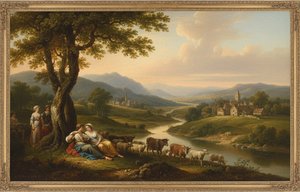
Idyllic Visions: Exploring the Pastoral Tradition in Western Art – Themes, Techniques & Enduring Appeal
Explore the rich history of pastoral art from classical Arcadia to contemporary interpretations. Discover key artists, themes & collecting tips at OriginalUniqueArt.

როკოკოს ეტალონი: ტopp 10 შედევრი ხელოვნების ისტორიაში | OriginalUniqueArt
აღმოფრთოვანდით როკოკოს ეპოქის ტopp 10 შედევრით! გი tanıtავთ გამოჩენილ არტისტებს, მათი უნიკალური სტილსა და ფერწერულ ნაწარმოებებს. OriginalUniqueArt-ზე იხილეთ მუზეუმული ხარისხის ხელოვნების რესპუბლიკები და შექმნით თქვენი ოცნების ინტერიერი!
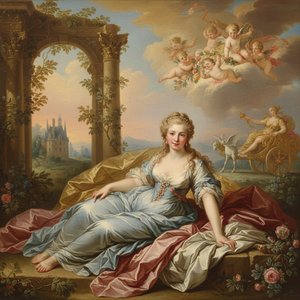
François Boucher: Rococo Master of Myth, Sensuality, and the French Court
Explore the captivating world of François Boucher, master of Rococo painting! Discover his iconic works, aristocratic patronage, and lasting influence on French art history. Learn more at OriginalUniqueArt.

Idyllic Visions: Exploring the Pastoral Scene in Art History – From Arcadia to Modern Interpretations
Explore the captivating history of pastoral art from classical Arcadia to modern masterpieces. Discover key artists like Millet & Cole at OriginalUniqueArt. Find serene landscape paintings for your home.

The Rococo Aesthetic: Opulence, Rebellion & the Pursuit of Pleasure in 18th-Century Art
Explore the opulent world of Rococo art! Discover its origins, key artists like Watteau & Boucher, and lasting influence on design. Expert insights for collectors & enthusiasts.