ნახვა ინტერьерში
 გაგზავნა
 გაზიარება
 დეტალები
 გზამკვლევი

 ჩამოტვირთვა
 მსგავსები
 რენტგენოგრაფიული კვლევა
 სლაიდშოუ
 კითხვა-პასუხი
 სტატისტიკა
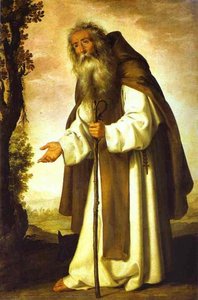
ტიურინგის წმინდა ელისაბედი


 სრული ტექსტის ნახვა
გიკლე / ხელოვნების პრინტი
მუზეუმის დონის ჟიკლე ან ტილოზე ბეჭდვა სწრაფი წარმოებისა და დასრულების მოქნილი ვარიანტებით. ( შეიძინეთ ხელით შესრულებული ნახატი გადასვლა ციფრულ გამოსახულებაზე)




P118B ₾10

P118H ₾10

P118W ₾10

P438Z ₾10

P508JH ₾12

P508YH ₾12

P805H ₾10

P805Z ₾10

P919BZ ₾10

P919G ₾10

P919XJ ₾10

P959ZH ₾10

P968JZ ₾12

W106C ₾8

W218G ₾10

W218JH ₾8

W218Y ₾10

W307PJ ₾10

W316G ₾10

W316PJ ₾8

W316Y ₾10

W398PJ ₾8

W4111J ₾10

W500HY ₾15

W500JH ₾15

W692G ₾12

W849H ₾8

W940BG ₾15

W953PJ ₾8




აირჩიეთ ჩვენს მიერ წინასწარ განსაზღვრული ზომებიდან, რომლებიც ნაწარმოების ორიგინალურ პროპორციებს შეესაბამება.

შეიყვანეთ თქვენთვის საჭირო სიგანე და სიმაღლე, რათა იგი მოერგოს თქვენს ჩარჩოს ან კედელს. ბეჭდვისას შესაძლებელია მხოლოდ მისი შემცირება და არა გაზრდა, ამიტომ სხვა ფორმის ზომის შემთხვევაში გამოსახულება ნაწილობრივ იკარგება. სანამ რაიმეს დაბეჭდავთ, ჩვენ გამოგიგზავნით ციფრულ მაკეტს დასდასტურებლად. ამ გვერდზე ნაჩვენები სურათი არ ასახავს რეალურ ჭრას — ამას მხოლოდ მაკეტი გვიჩვენებს.
მიწოდება მთელ მსოფლიოში () 2 კვირაში, სტანდარტული 4/5 კვირის ნაცვლად. (6 ნოემბერი)

უფასო ექსპრეს მიწოდება მთელ მსოფლიოში

მაღალი ხარისხის ტილო

ტრანსპორტირების სრული დაზღვევა

საბაჟო გადასახადების დაბრუნების გარანტია

ფერების სრული შესაბამისობის გარანტია

დაბრუნების 100-დღიანი პერიოდი (მხოლოდ წარმოების დეფექტის შემთხვევაში)

100% თანხის სრული დაბრუნების გარანტია

ფასდაკლება დიდი რაოდენობით შეკვეთისას
 მინის ჩარჩოს არჩევანი ხელმისაწვდომია მხოლოდ 110 სმ-მდე ზომისთვის

ტიურინგის წმინდა ელისაბედი
გიკლე / ხელოვნების პრინტი
რეპროდუქციის ზომა
-


ჯამური ღირებულება
₾ 210
ერთგულების ხილვა: ზურბარანის წმინდა ელისაბედის ნათელი სული
XVII საუკუნის ესპანური ბაროკოს მშვიდ და ჩრდილოვან დერეფნებში, ცოტა თუკი გამოსახულება იმავე ღრმა სიმშვიდით აბინძგებს სულს, როგორც ფრანცისკო დე ზურბარანის ტიურინგის წმესაბედი. ეს არ არის მხოლოდ ისტორიული ფიგურის პორტრეტი; ეს არის შეხვედრა ღვთაებრივთან. დაახლოებით 1630 წელს შექმნილი ეს ტილო ასახავს იმ წმინდანის არსს, რომლის ცხოვრებაც რადიკალური ქველმოქმედებითა და ურყევი რწმენით იყო განსაზღვრული. როდესაც დამთვალიერებელი მის მშვიდ სახეს მიჰყვება, იგი იხსნება სამყაროში, სადაც მატერიალური და სულიერი ერთმანეთს სინათლის ოსტატური მანიპულაციის მეშვეობით გადაიკვეთა. კომპოზიცია არის ინტიმური და ვერტიკალური, რაც ჩვენს ყურადღებას წმინდანის წელზე ზემოთ ნაწილზე ამახვილებს და მას გამოყოფს გაუღრმავებელი სიბნელის ფონზე, რომელიც თითქოს მარადისობაში მიდის. ტენებრიზმის ეს შეგნებული გამოყენება — ღრმა ჩრდილებისა და ბრწყინვალე განათების დრამატული ურთიერთქმედება — ემსახურება ელისაბედის წინ წამოწევას, რაც მის ყოფიერებას თითქმ𝗱 თითქმოს ტაქტილურს ხდის, თითქოს იგი ჩვენსავე ოთახში დგას.ტექსტურისა და სინათლის ოსტატობა
ამ ნამუშევრის დათვალიერება ნიშნავს ზურბადრანის ტექნიკური სიმძლავრის პიკზე მოწმენას. მხატვრის უნარი, წარმოაჩინოს ტექსტურა, არაჩვეულებრივია — ეს არის თვისება, რომელიც მაღალი ხარისხის რეპროდუქციას განსაკუთრებით მომხიბვლელს ხდის კოლექციონერებისა და დეკორატორებისთვის. თითქმის შესაძლებელია იგრძნოთ მისი ფიგურის გარშემო ჩამოსმენილი მძიმე, დინამიკური ქსოვილის სიმძიმე, სადაც ქსოვილის სიმკვრივე კონტრასტშია მისი კანის რბილ, ნათელ ბრწყინვალებასთან. ყოველი ფუნჯის მონასმელი მიზანმიმართულია და ზედმიწევნით დეტალიზებულად ასახავს სამოსის რთულ ნაკეცებსა და სამკაულების ნატიფ ბზინვარებას. განათება არის მიმართული და თეატრალური, რაც ესპანური ბარადოკოს სტილის დამახასიათებელი ნიშანია; იგი ქმნის მკვეთრ ჩრდილებს, რომლებიც განსაზღვრავენ ფორმის მოცულობას და ქმნიან სამგანზომილებიანი სიღრმის შეგრძნებას შედარებით მცირე სივრცეში. ეს ტექნიკა მხოლოდ უნარის დემონსტრირება კი არ არის; იგი თვალს წმინდანობის სიმბოლოებისკენ მიმართავს და უზრუნველყოფს, რომ დამთვალიერებლის ემოციური მოგზაურობა თავად მხატვრის ხელის მიმზღუდავს იყოს.სიმბოლიზმი და ოქროს ხანის გამოხმაურება
ესტიკური დიდებულობის მიღმა, ტილო მდიდარია ესპანური ოქროს ხანის იკონოგრაფიით. ჩარჩოს შიგნით, ნატიფი, თუმცა ძლიერი ელემენტები მოგვითხრობენ ელისაბედის მიწიერ მისიასა და ზეციურ ჯილდოზე. წიგნის არსებობა მიანიშნებს მის ერთგულებაზე წმინდა წერილისადმი, ხოლო ჯოხი მწარედ შეგვახსენებს მის დაუღალავ ქველმოქმედებას ღარიბთა შორის. თუნდაც გვირგვინი, რომელიც მის სამეფო წარმომავლობას აღნიშნავს, შესრულებულია არა ამქვეყნიური სიამაყით, არამედ ღვთიური მადლით. სწორედ სიდიადისა და სიმდაბლის ეს ბალანსია, რაც ნამუშევარს მის წარუვალი ემოციურ გავლენას სძენს. მათთვის, ვინც სურს თანამედროვე ინტერიერში ისტორიული განწყობისა და კონტემპლატიური მშვიდობის შემოტანა, ეს ხელოვნება უფრო მეტია, ვიდრე დეკორაცია; იგი წარმოადგენს ღრმა ღირსების ფოკუსურ წერტილს. ეს არის შედევრი, რომელიც მოგვიწოდებს წყნარი რეფლექსიისკენ და იდეალური ცენტრალური ელემენტია სივრცეებისთვის, რომლებიც შექმნილია ფიქრისთვის, ელეგანტურობისა და მარადიული სილამაზისთვის.კითხვები და პასუხები
სად შემიძლია ვიყიდო ფრანცისკო დე ზურბარანი-ის „ტიურინგის წმინდა ელისაბედი“-ის ხელით ნათესლი?
ფრანცისკო დე ზურბარანი-ის „ტიურინგის წმინდა ელისაბედი“-ის ხელით შესრულებული რეპროდუქციის შეკვეთა შეგიძლიათ პირდაპირ მის ხელით ნათესლიერი რეპროდუქცია გვერდზე: ლენის ტილოზე შესრულებული ზეთწარმოთი, ხელით ნათესლით, რომელიც ინდივიდუალურად, შეკვეთის საფუძველზე მზადდება.
რომელ სტილს მიეკუთვნება "ტიურინგის წმინდა ელისაბედი"?
ფრანცისკო დე ზურბარანი-ის „ტიურინგის წმინდა ელისაბედი“-თან დაკავშირებული ხელოვნების მიმდინარეობა არის ბაროკო. ეს კლასიფიკაცია ნამუშევარს მსგავს ხელოვანთა და ქსნეულობათა წრეში ათავსებს.
ცნობილია თუ არა სხვა სახელებით „ტიურინგის წმინდა ელისაბედი“-ის ავტორი, ფრანცისკო დე ზურბარანი?
ფრანცისკო დე ზურბარანი ასევე ცნობილია შემდეგი ალტერნატიული სახელებით: ფრანცისკო მართინეზ დე ზურბარანი.
მხატვრის ბიოგრაფია
Early Life and Formation in Extremadura
Francisco de Zurbarán, born in Fuente de Cantos, Extremadura, Spain, in 1598, emerged from a region steeped in religious fervor and rural austerity—qualities that would profoundly shape his artistic vision. Though details of his earliest training remain somewhat elusive, we know he initially apprenticed with the local painter Alejandro de la Mina before moving to Seville to study under Alonso de Najera. It was within Najera’s workshop that Zurbarán began to absorb the burgeoning Baroque style, a dramatic departure from the more restrained artistic traditions of previous generations. Even in these formative years, a remarkable talent for capturing realistic detail and imbuing his subjects with emotional weight became apparent, hinting at the distinctive path he would forge as an artist. The stark landscapes and devout atmosphere of Extremadura instilled within him a sensibility that favored simplicity, solemnity, and a deep engagement with spiritual themes—characteristics that would define his mature work.
The Seville Period: Establishing a Singular Style
By 1614, Zurbarán had established himself in Seville, a vibrant cultural hub and the gateway to Spain’s vast American colonies. He quickly rose to prominence, establishing a successful workshop and attracting numerous commissions, primarily for religious paintings intended for churches, monasteries, and private devotional use. This period witnessed the full flowering of his signature style—a compelling blend of stark realism and intense spirituality. His early works already showcased a masterful command of *tenebrism*, a technique borrowed from Caravaggio that employed dramatic contrasts between light and shadow to create a sense of drama and emphasize the emotional intensity of his subjects. He wasn’t merely replicating what he saw; he was striving to reveal an inner truth, a profound spiritual presence within each figure. His paintings weren't simply representations of saints or biblical scenes; they were invitations to contemplation, designed to evoke a visceral response in the viewer. The influence of earlier Spanish masters like Juan Sánchez Cotán, known for his austere still lifes and precise realism, is also evident in Zurbarán’s early work, as well as the sculptural traditions prevalent in Seville at the time.
Master of Tenebrism and Religious Devotion
Zurbarán's artistic prowess lay in his ability to transform religious narratives into powerfully moving visual experiences. He became renowned for his depictions of monks, nuns, martyrs, and saints—figures often portrayed in moments of profound contemplation or suffering. His *Immaculate Conception* (c. 1635), housed in the Museo de Bellas Artes in Bilbao, exemplifies this mastery; the Virgin Mary is depicted with a serene dignity, bathed in ethereal light against a dark background, conveying both purity and divine grace. Similarly, his *Agnus Dei* (c. 1640), now part of the Metropolitan Museum of Art collection, presents a poignant image of Christ as the sacrificial lamb, radiating an aura of solemnity and sacrifice. The *Sudarium of St Veronica*, with its haunting depiction of the veil bearing the imprint of Christ’s face, showcases his exceptional control over tenebrism and emotional depth. He didn't shy away from portraying the physical realities of faith—the austerity of monastic life, the pain of martyrdom—but always infused these scenes with a sense of reverence and spiritual significance. His *St Francis Receiving the Stigmata* demonstrates his ability to depict profound spiritual experiences with remarkable sensitivity and realism. The series of paintings depicting Carthusian monks further exemplifies his skill in portraying austere religious life, capturing their quiet devotion and inner peace.
Royal Patronage and Lasting Legacy
Around 1630, Zurbarán achieved a significant milestone in his career when he became a court painter to Philip IV. This appointment brought him increased recognition and access to royal commissions, further solidifying his reputation as one of Spain’s leading artists. However, despite this success, his popularity waned somewhat in later years with the rise of different artistic tastes. The economic hardships facing Spain during the mid-17th century also impacted his ability to secure large-scale projects. Nevertheless, Zurbarán continued to work diligently, adapting his style and exploring new themes. His influence on Spanish Baroque art is undeniable; his dramatic use of chiaroscuro and his focus on religious subjects inspired generations of artists. A circle of followers, known as the “Zurbaranistas,” emerged, continuing to push the boundaries of tenebrism and explore the expressive possibilities of light and shadow. Though he passed away in 1664, Francisco de Zurbarán left behind a rich artistic legacy that continues to be celebrated today, securing his place as one of Spain’s most important Baroque painters—a master of religious art whose works continue to resonate with viewers centuries later.
- Notable Works: Immaculate Conception (c. 1635), Agnus Dei (c. 1640), Sudarium of St Veronica, St Francis Receiving the Stigmata, Paintings of Carthusian Monks
- Historical Significance: Zurbarán’s influence on Spanish Baroque is undeniable; his use of chiaroscuro and focus on religious themes inspired generations of artists.

ფრანცისკო დე ზურბარანი
1598 - 1664 , ესპანეთი
მოკლე ფაქტები
- Artistic Movement Or Style: ბაროკო და ტენებრიზმი
- Artists Or Movements Influenced By This Artist: ['კარავაგი სჲ სჲწჲთაჲ დჲ სჲრჲფჲლჲ დჲ კჲ']
- Artists Who Influenced This Artist: ['იუან სჲნჩჲ კჲტჲნჲ']
- Date Of Birth: 7 ნოября 1598 წელი
- Date Of Death: 27 აგვისტოს 1664 წელი
- Full Name: Francisco de Zurbarán
- Nationality: ესპანელი
- Notable Artworks:
- მშჲსჲ დჲ მიქჲლჲ სჲწჲთაჲ
- ჲგნჲს დჲ დჲჲჲჲ კჲ. 1640 წელი
- სჲდჲრჲუმჲ დჲ სჲვერონჲკაჲ
- სჲ წჲფრჲს სჲ რჲცჲვი სჲ ტჲგმჲტჲთაჲ
- Place Of Birth: ფუენტ დე კանტოსი, ესპანეთი
მსგავსი სტატიები
The Dramatic Flourish: Exploring Themes of Power, Faith & Emotion in Baroque Artworks
Explore the dramatic world of Baroque art! Discover masters like Zurbarán & the powerful influence of religious zeal on painting techniques. Expert insights for collectors and enthusiasts.

Francisco de Zurbarán: Mysticism, Realism & the Golden Age of Spanish Painting
Explore the captivating world of Francisco de Zurbarán, a master of Spanish Baroque painting. Discover his dramatic tenebrism, religious masterpieces like 'La Porciúncula,' and lasting influence on art history.
The Golden Age Reforged: Dramatic Realism & Religious Zeal in Spanish Baroque Art
Explore the dramatic world of Spanish Baroque art! Discover masters like Zurbarán & the powerful influence of religious zeal on painting techniques – a guide for collectors and enthusiasts.

The Dramatic Flourish: Exploring the Baroque Movement's Enduring Legacy in Art History
Explore the dramatic world of Baroque art! Discover iconic artists like Caravaggio & Rubens, defining techniques, and its lasting impact on art history. Expert insights for collectors & enthusiasts at OriginalUniqueArt.
Discover the Divine: Inspiring Saint Anthony Artworks to Elevate Your Home Decor
Transform your home with the profound beauty of Saint Anthony artworks. Explore exquisite Baroque reproductions by Murillo and Zurbarán, hand-painted on 100% cotton canvas to bring divine serenity and timeless elegance to your interior design.